


Hot Keyword:
Author:KUNYUAN Machine ManufacturerTIME:2026-08-27
Practical machine answer
Circular knitting machine maintenance combines frequent cleaning and observation with scheduled lubrication, knitting-element inspection, drive checks and electrical review. The interval should follow the machine manual and actual operating conditions; lint-heavy yarns and intensive production can require shorter checks.
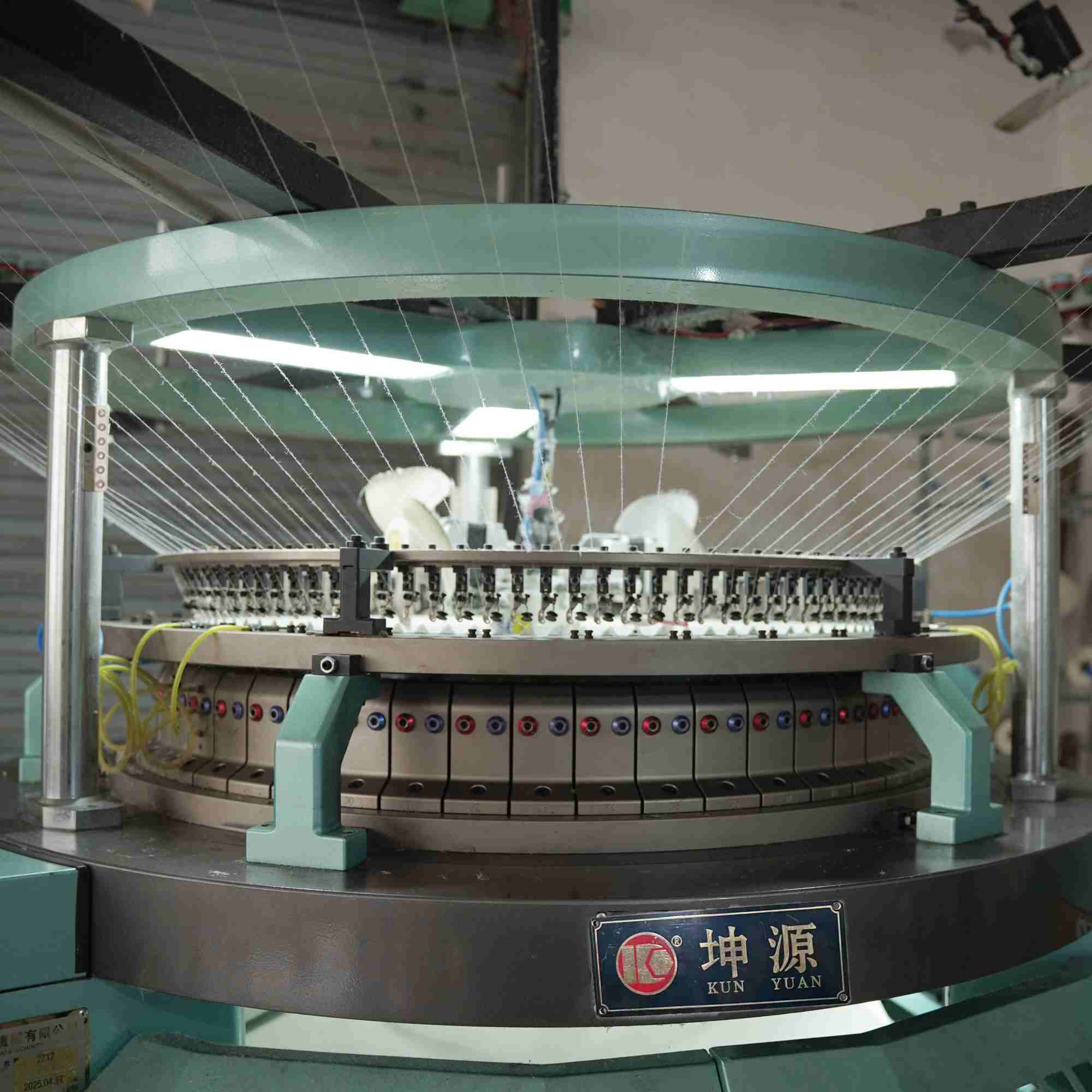
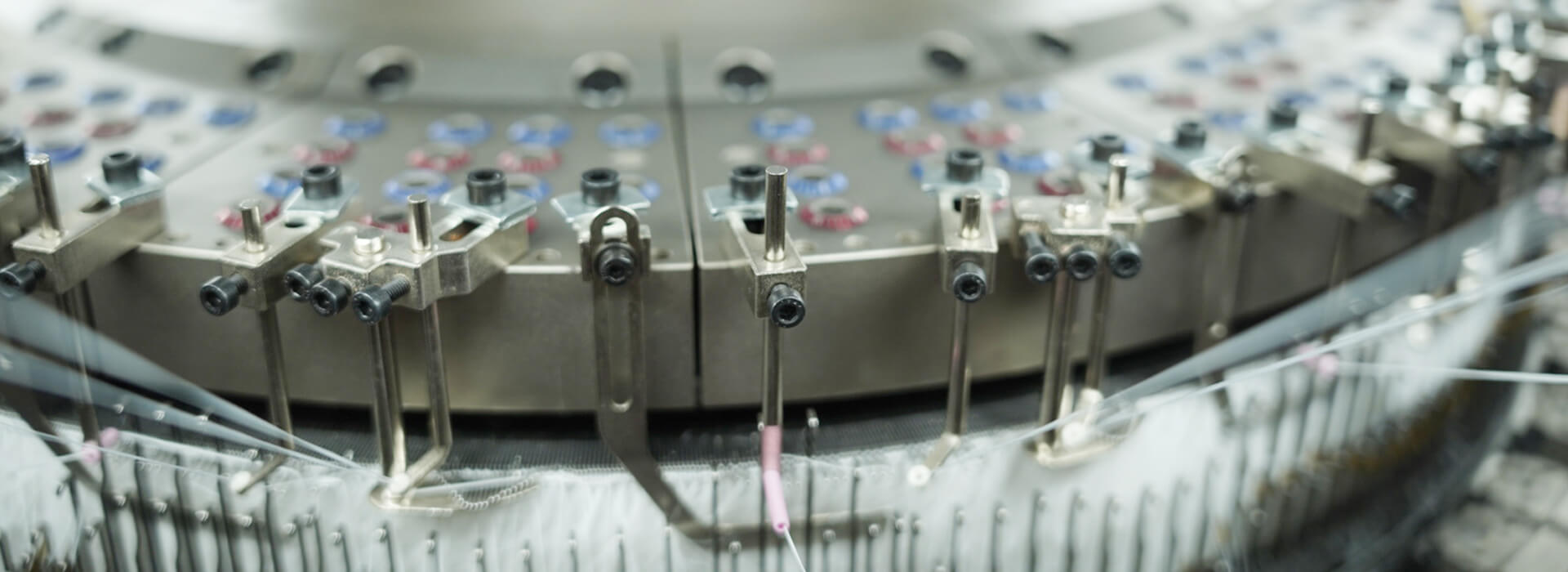
Operators should remove lint by an approved method, keep yarn paths clear, inspect oil delivery and note unusual sound, heat or vibration. Guards and stop motions must remain functional after cleaning. Compressed air used carelessly can drive fly into bearings or electronics, so the site's method needs to name safe pressure, direction and isolation conditions.
Needles, sinkers and cams do not always fail suddenly. Rising needle consumption, recurring vertical lines, metal particles or a change in drive load can reveal deterioration earlier. Track faults by machine, feeder and position. A history that identifies repeat locations is more useful than a maintenance log that only says 'checked.'
When cylinders, dials, cams or take-down components are disturbed, preserve the last accepted fabric and settings. Measure clearances with suitable tools, replace parts to the correct specification and restart at reduced speed. The post-maintenance roll should be inspected against the reference before the machine returns to the production schedule.
| Frequency | Typical focus |
|---|---|
| Each shift | Lint, yarn path, oil, guards and abnormal condition |
| Planned short stop | Needles, sinkers, feeders, belts and take-down |
| Condition triggered | Repeated defect position, heat, vibration or oil change |
| Major service | Alignment, wear measurements and documented trial |
Practical limit: Use the manufacturer's exact lubricant and mixing rule; adding an incompatible oil can create deposits even when the level appears correct.

 Tel: +86-13859034518
 Email: info@kunyuanmachine.com
 MP/WhatsApp: +86-13859034518
 Manufacturer Address:Bacuo Village, Yonghe Town, Jinjiang City, Fujian Province