
T-shirts & Lightweight Knits
Lightweight single jersey for cut-and-sewn T-shirts and everyday tops.


KUNYUAN · FABRIC FIRST
Build the machine configuration from your fabric, yarn and acceptance requirements.
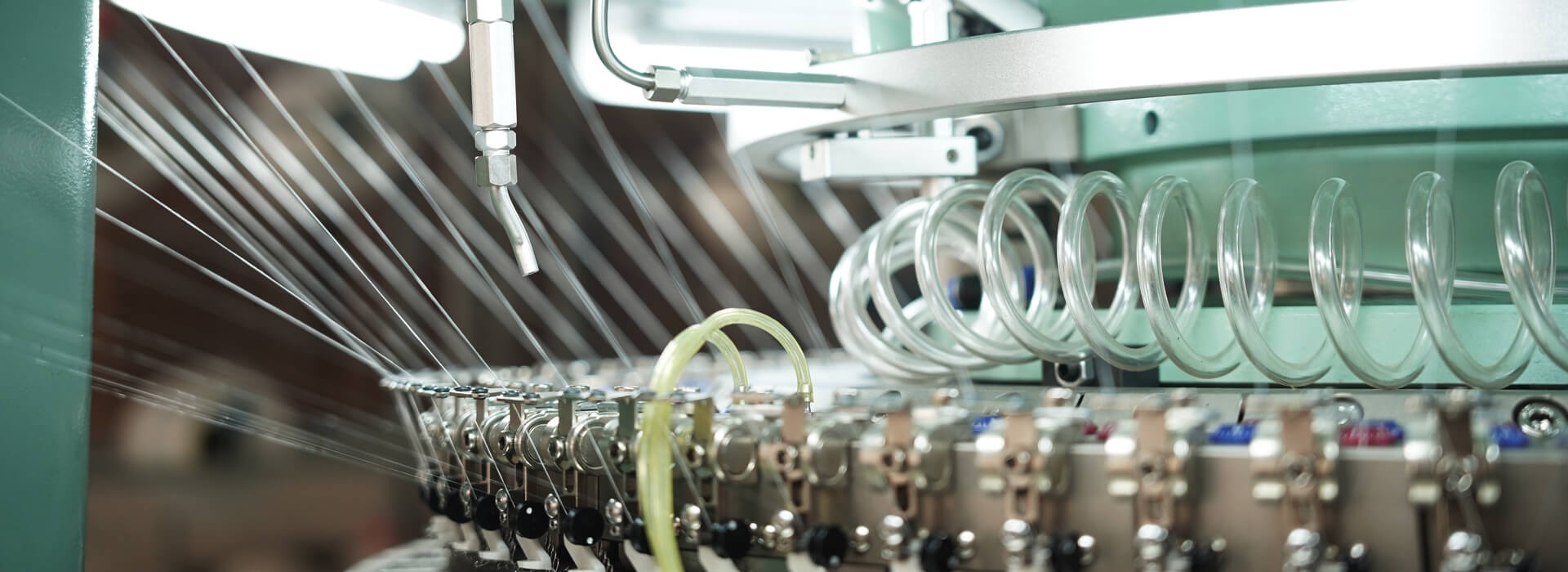
Choose a category to explore the fabric requirements and related equipment.
Lightweight single jersey for cut-and-sewn T-shirts and everyday tops.
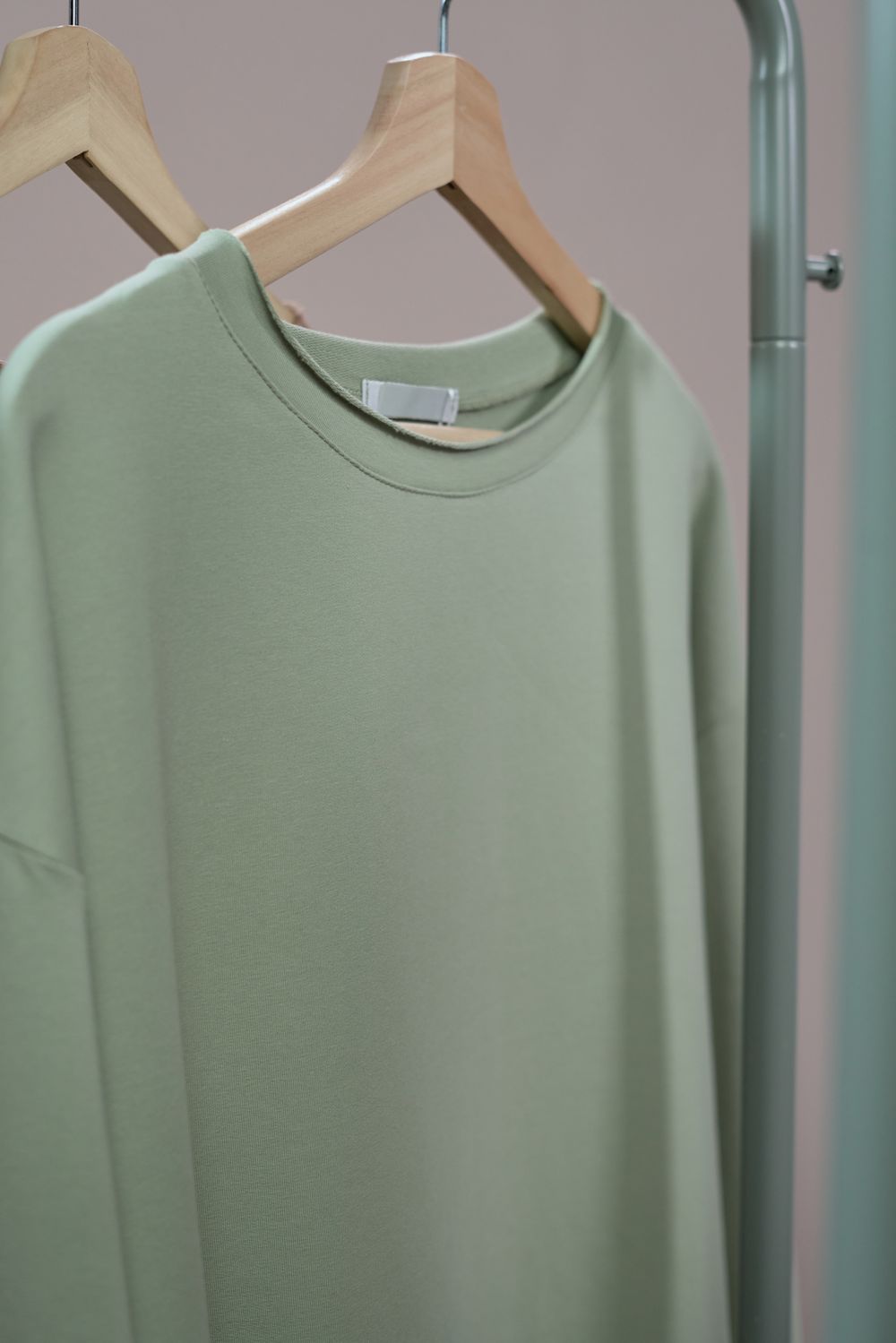
Sweatshirt fabrics with a defined face, tie and loop-yarn arrangement.
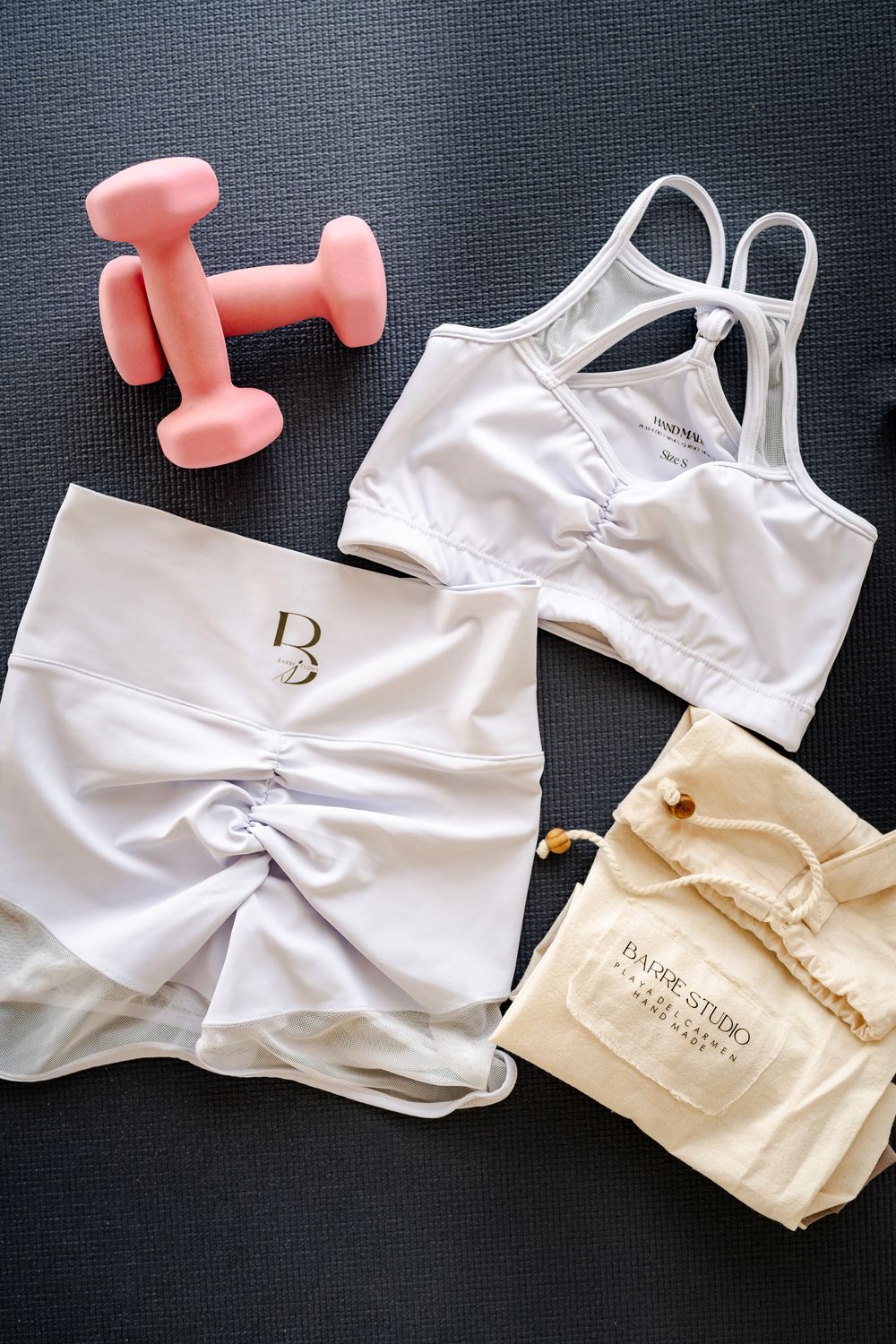
Stretch apparel fabrics for cut-and-sewn garments, selected from the actual construction.
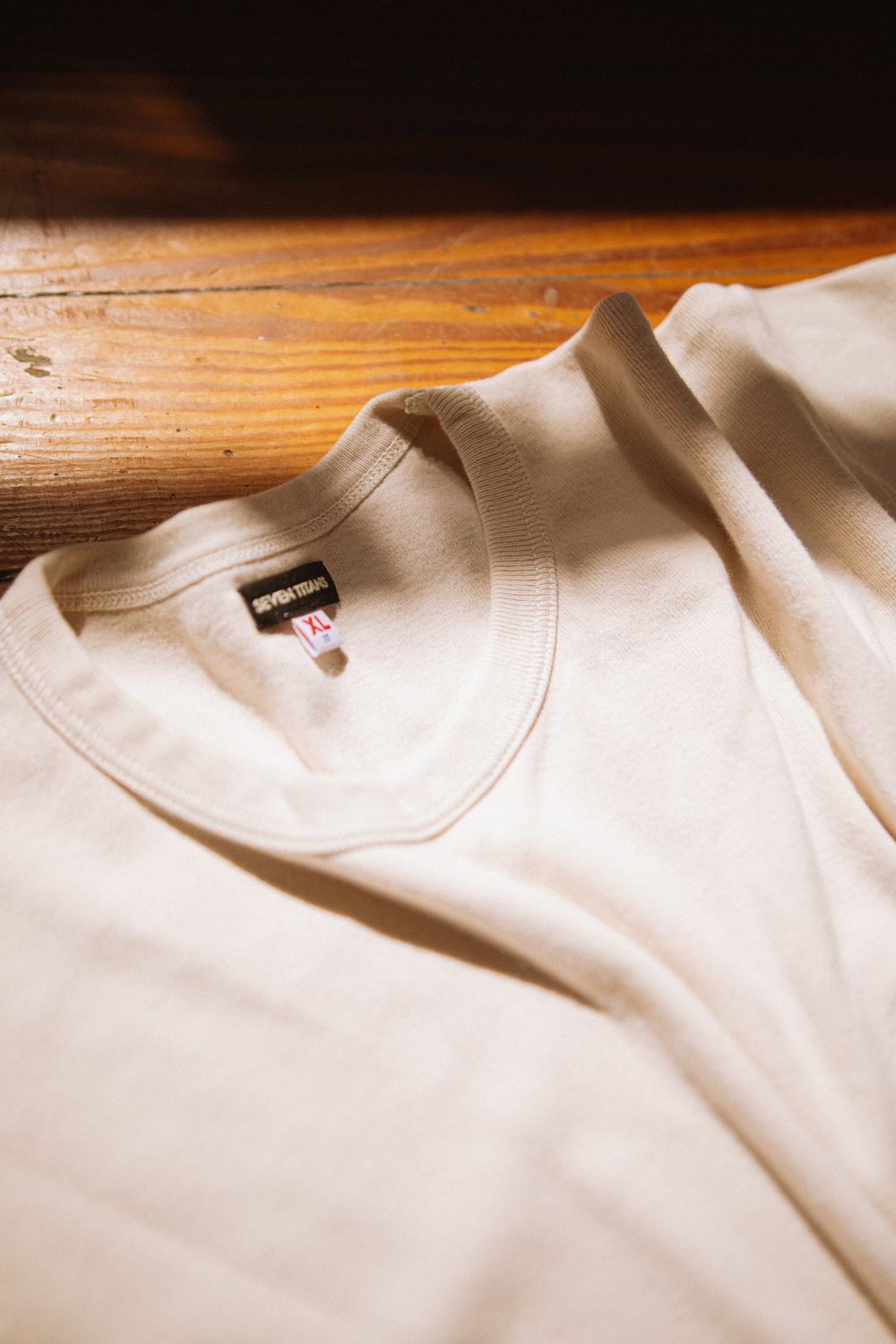
Ribbed fabrics for collars, cuffs, waistbands and defined elastic-knit applications.

Patterned knitted fabrics, with double-knit and terry-jacquard routes kept distinct.
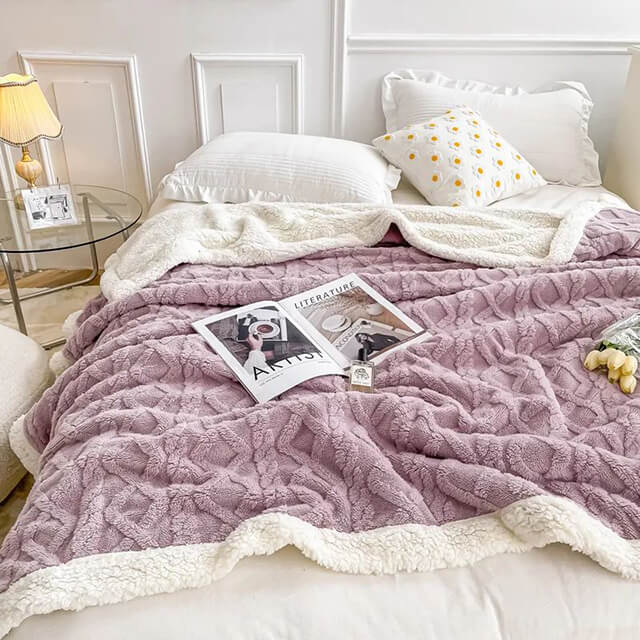
Plan a pile/plush circular knitting configuration from yarn and fabric requirements. Explore the KY-51 model, application references and sample checks.
YOUR FABRIC. YOUR PRODUCTION PLAN.
Share the finished product, fabric structure, yarn, target weight and width. Add your output target or factory conditions to start a configuration discussion.
An industrial circular knitting machine is a production system that makes knitted fabric continuously around a cylindrical needle bed. The useful definition is not its round frame but the combination of knitting elements, yarn delivery, take-down and controls configured for a particular fabric family. Read more ↗
A circular knitting machine forms fabric by moving latch needles through cam-controlled stages: clearing the old loop, receiving new yarn, drawing that yarn through the old loop and knocking the completed stitch over. Thousands of repeated loop-forming actions create each course while the fabric is drawn downward. Read more ↗
Circular knitting machines are classified most usefully by the fabric structure they form: single jersey, rib, interlock or other double jersey, fleece, terry, jacquard and pile constructions. The name describes a knitting capability, not just the appearance of the frame. Read more ↗
An operator needs more than start-and-stop instruction. Competent training covers safe access, yarn threading, fabric identification, routine inspection, fault containment and accurate shift records. Setting changes and electrical work should be reserved for people trained and authorized for those tasks. Read more ↗

 Tel: +86-13859034518
 Email: info@kunyuanmachine.com
 MP/WhatsApp: +86-13859034518
 Manufacturer Address:Bacuo Village, Yonghe Town, Jinjiang City, Fujian Province