
Choosing a T-Shirt Fabric for Shape, Opacity & Hand
Prepare a T-shirt fabric brief around garment shape, opacity, skin contact and hand, with sample comparisons before a production-route discussion.
Explore the application ↗

KUNYUAN · FABRIC FIRST
Compare garment shape, opacity, surface appearance and next-to-skin hand before defining a lightweight knit brief.
Open an application to review its construction and production brief.
Prepare a T-shirt fabric brief around garment shape, opacity, skin contact and hand, with sample comparisons before a production-route discussion.
Explore the application ↗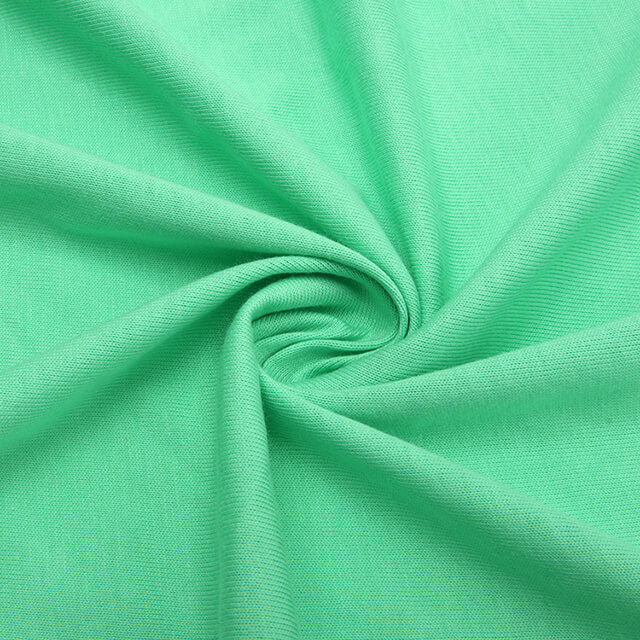
Define single-jersey trial records for yarn identity, face and reverse, GSM, usable width, shrinkage and spirality in matched finishing states.
Explore the application ↗Compare the configuration with your yarn, fabric structure and finishing route.
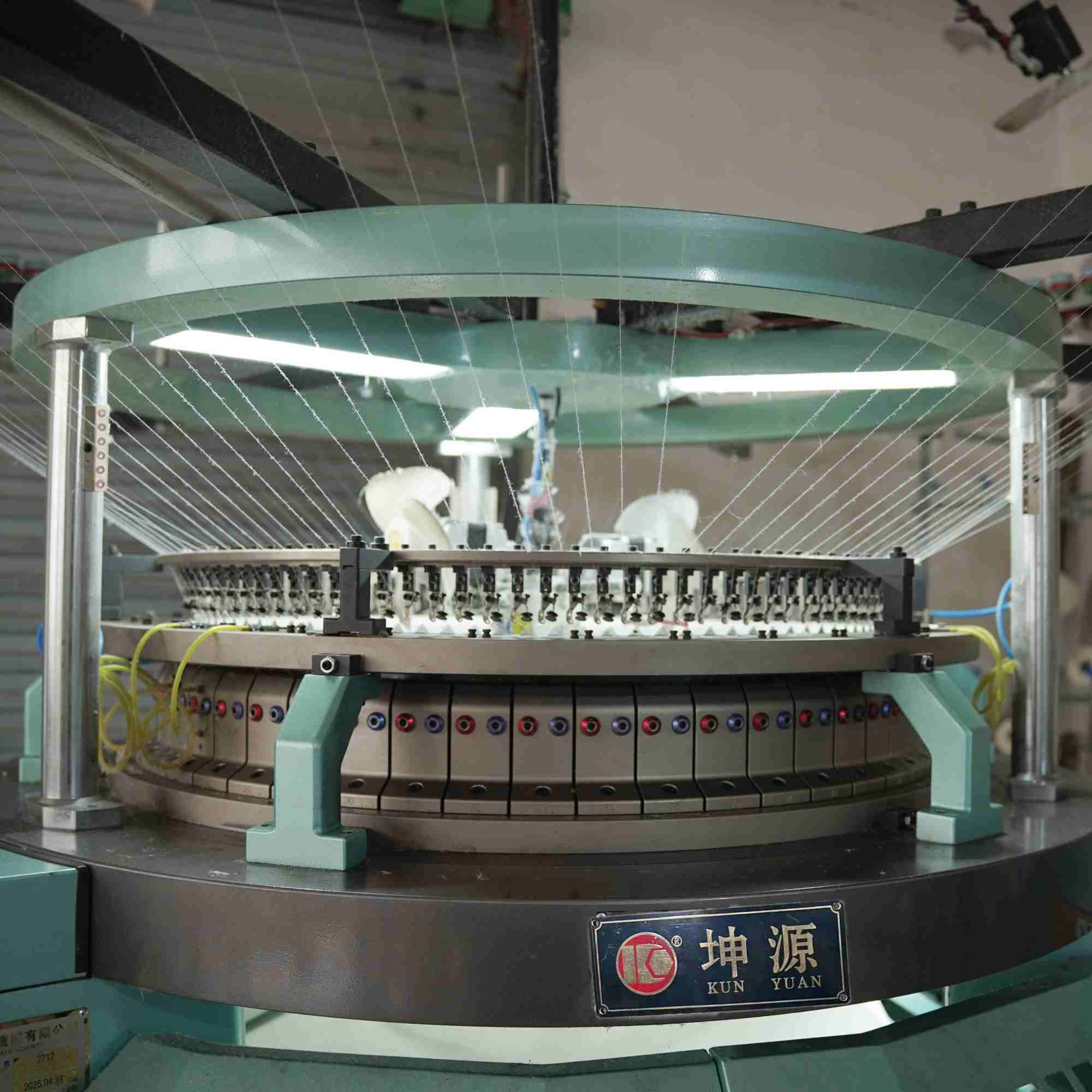
Single Jersey Circular Knitting Machine
Compare Single Jersey Circular Knitting Machine options by yarn, gauge, feeder count and finishing route, with a practical trial checklist for fabric mills.
View machine ↗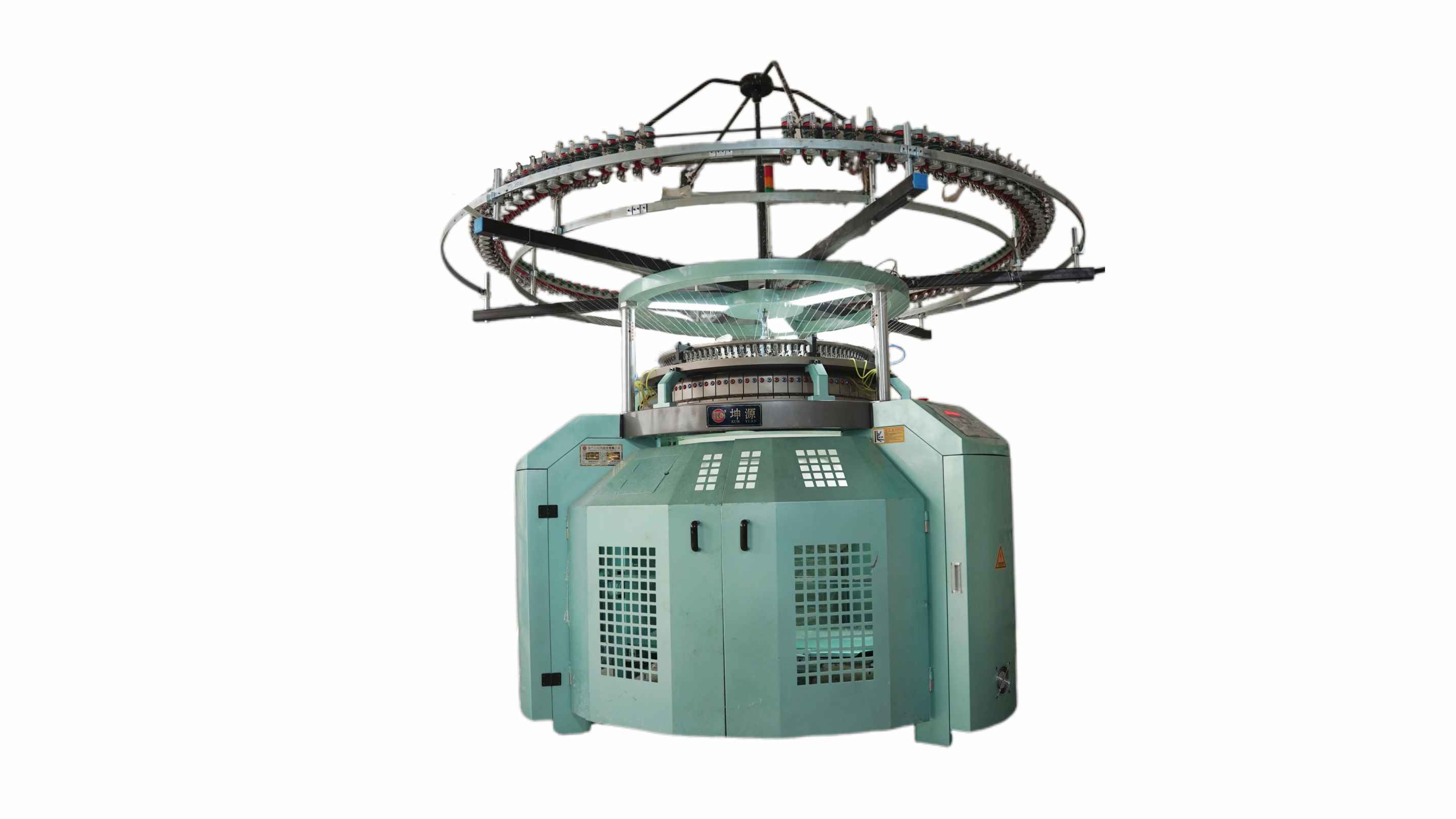
Single Jersey Circular Knitting Machine
Validate a 34-Inch 26G 102-Feeder Single Jersey Circular Knitting Machine through feeder mapping, barre control, finished width and production-yarn trials.
View machine ↗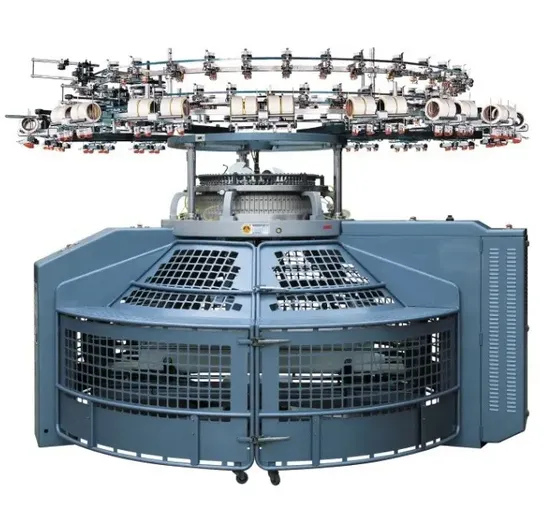
Single Jersey Circular Knitting Machine
An open-width single circular knitting model for single-jersey fabric programs that require a flat fabric handling route. Define the knitted construction and the open-width take-up arrangement together.
View machine ↗Explore project references from the matching machine family.

PUBLISHED PROJECT REFERENCE
An India single-jersey machine reference focused on roll uniformity, GSM, spirality, shrinkage, yarn-lot control and production-representative acceptance sampling.
Explore the case ↗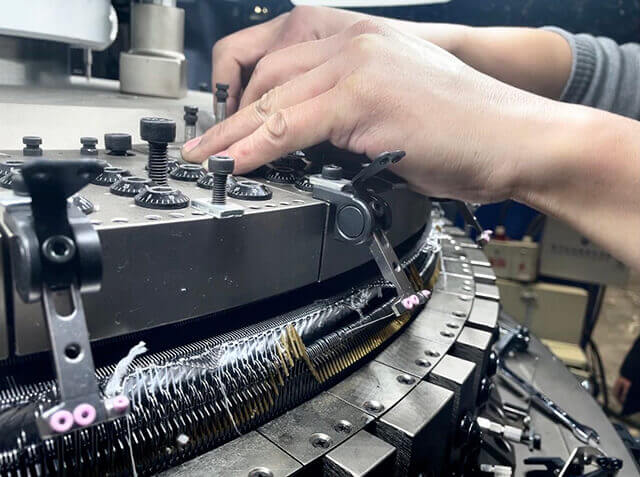
PUBLISHED PROJECT REFERENCE
An Egypt single-jersey machine reference for comparing style weights, feeder recipes, changeover losses, first-off release and finished-fabric consistency.
Explore the case ↗YOUR FABRIC. YOUR PRODUCTION PLAN.
Share the finished product, fabric structure, yarn, target weight and width. Add your output target or factory conditions to start a configuration discussion.
It explains the end use, but does not establish the knitting setup. Provide the fabric construction, yarn, greige and finished GSM, usable width and a labelled sample. Approve the offered configuration through the intended finishing route.
No. Series ranges describe alternatives. Confirm one exact cylinder, gauge, feeder count, yarn-delivery and take-up arrangement in the offer; verify the required fabric on that build rather than combining separate range limits.
Match yarn and stitch requirements to the target fabric weight and usable width. Keep the elastane plan, if used, separate. Use the trial to confirm the required face, hand and finished dimensions; a reference speed alone does not establish output.
Keep greige and finished samples from the same identified trial roll. State conditioning and finishing, record the agreed measurement method and acceptance limits, and retain the approved yarn and settings with the first-roll release record.

 Tel: +86-13859034518
 Email: info@kunyuanmachine.com
 MP/WhatsApp: +86-13859034518
 Manufacturer Address:Bacuo Village, Yonghe Town, Jinjiang City, Fujian Province