


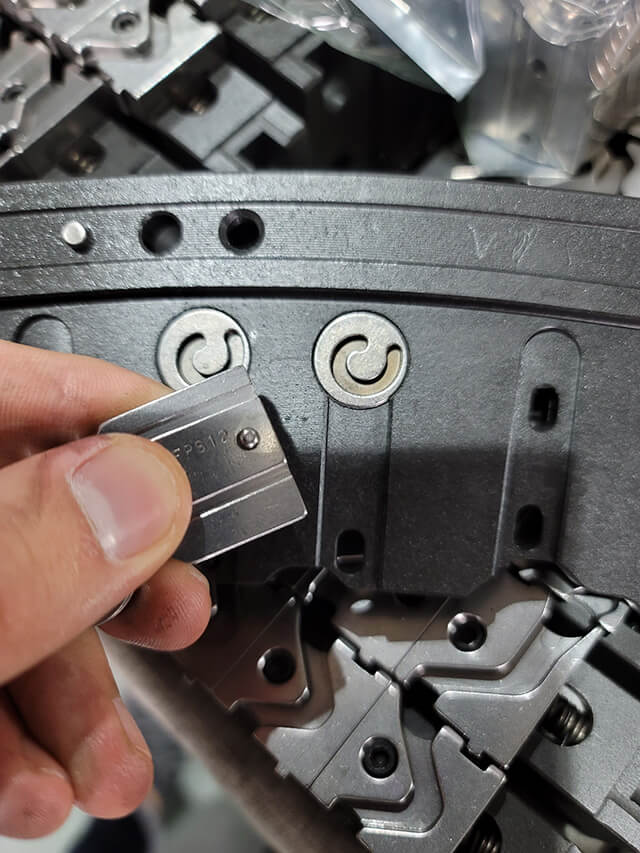
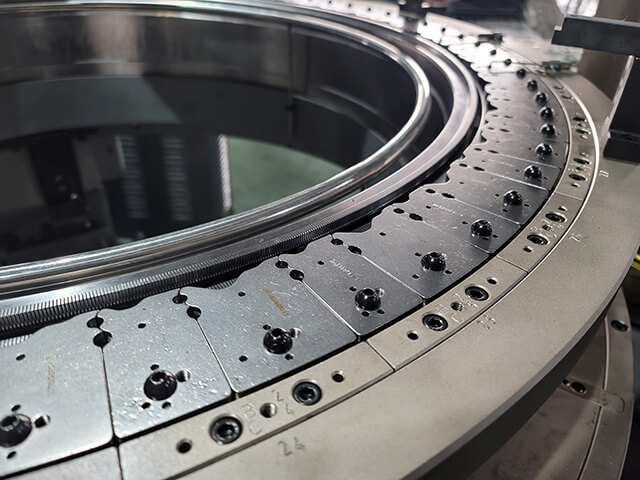

Loop formation
Track yarn lot, feeder position, needle condition and stitch setting so horizontal barre and vertical needle lines can be traced to a real location or input.
 Price:
Negotiable
Price:
Negotiable
Model:
NET Weight:
4 tons
Diameter:
18-38
Gauge:
7G-50G
Feeder:
54F-114F
Certification:
CE, ISO
Applicable Yarn Material:
Cotton, Chemical fiber, blended yarn, silk and wool, etc.
RPM:
20-35RPM
Wooden Box Size:
2.7M*2.3M*2.5M
Place of Origin:
CHINA.
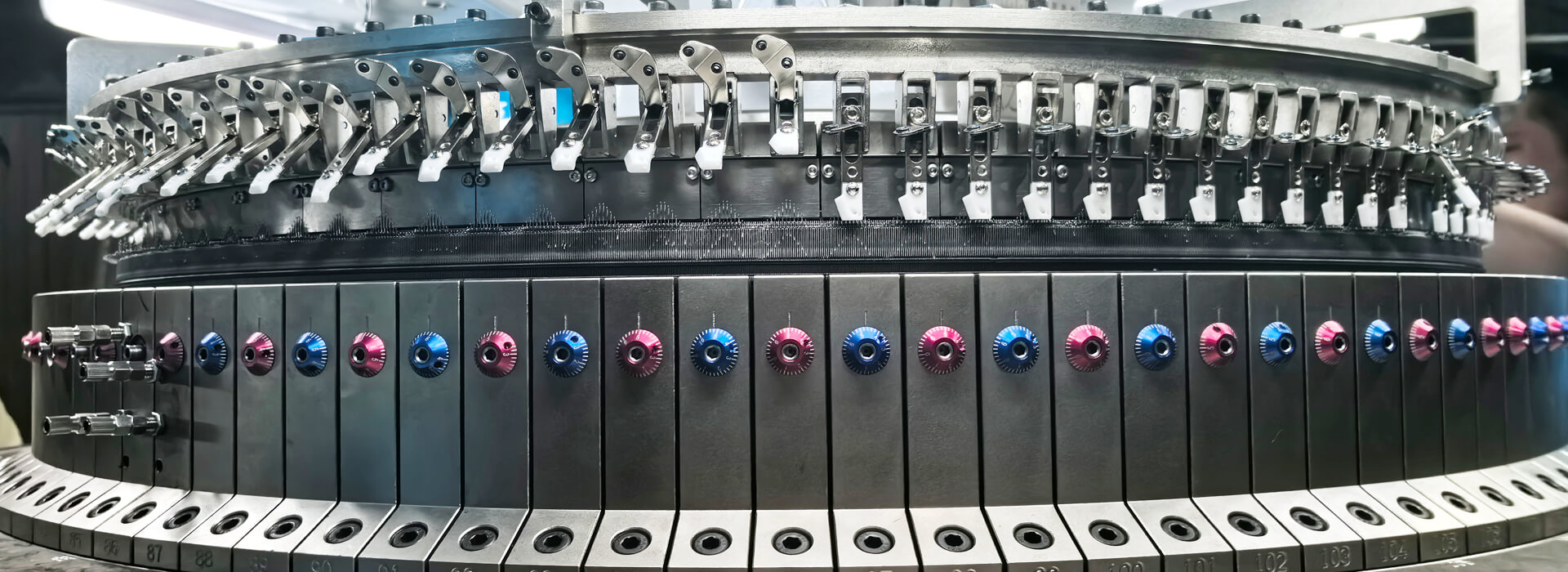
Single jersey is often selected for T-shirts, underwear, sportswear and other lightweight apparel because the structure combines a clean face with useful stretch and breathability. The archived Kunyuan record describes a machine with an 18–38 inch diameter range, 7G–50G gauge range, 54F–114F feeder range, and a reference speed of 20–35 RPM. It also notes optional multi-feed work and conversion possibilities, but those options should be tied to a written fabric brief rather than treated as standard on every machine.
The buying question is not simply “how fast can it run?” It is whether the chosen needle, feeder and yarn combination can hold the required weight and width without barre, needle lines, holes or edge instability. A high gauge may suit a fine fabric, while a coarse gauge may be the right starting point for a heavier hand; the sample decides.
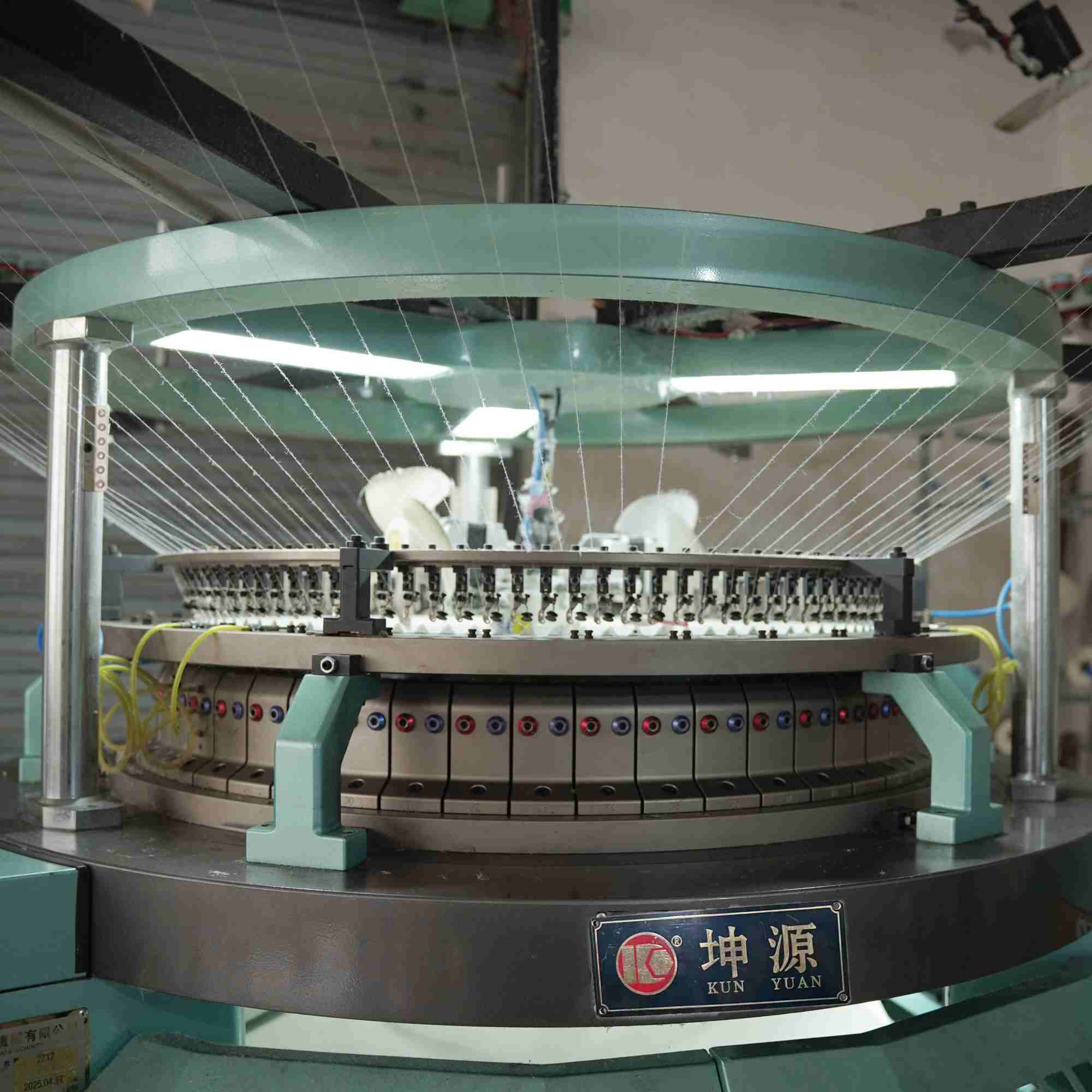
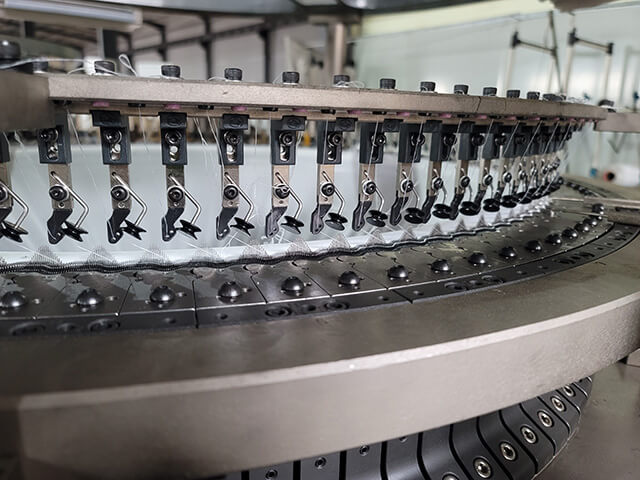
The cylinder carries the needles that form the single-jersey loops as the yarn feeders pass. Small changes in yarn tension, stitch length, take-down or needle condition appear quickly on the face of the fabric. If the mill plans several colors, ask for the exact multi-feed arrangement and the changeover method. If the order will later move to fleece or terry, list the designated accessories and the conversion boundary in the quotation; a generic “convertible” claim is not enough.
Use the recorded 18–38 inch and 7G–50G ranges to narrow the discussion. Then give the supplier the yarn composition/count, target greige and finished weight, finished width, stretch requirement, dyeing/finishing route and planned shift pattern. The machine should be compared against that brief, not against a catalogue RPM alone.
| Check before ordering | What to ask Kunyuan to state | What the mill should keep |
|---|---|---|
| Diameter and gauge | Proposed cylinder and needle specification for the target width/weight | Size, gauge and approved sample ID |
| Feeder count | 54F–114F reference range and the exact offered feeder layout | Feeder map and yarn allocation |
| Yarn and stitch length | Starting settings and the limits that need a trial | Yarn lot, stitch record and weight sheet |
| Multi-feed or conversion | Optional parts, software/program needs and changeover time | Parts list and changeover checklist |
| Take-down/finishing | How the roll is built and how width is measured after finishing | Greige/finished width and defect map |
Run the buyer’s yarn at a stable setting long enough to expose gradual drift. Take samples from the beginning, middle and end of the run. Record speed, stitch length, take-down, stop causes and any manual intervention. Inspect the face under consistent light for horizontal barre, vertical needle lines, holes, oil marks and repeating feeder defects. Measure width, weight and skew at agreed points, then repeat after the actual finishing route.
If the mill expects stretch or elastane, test extension and recovery in the same direction used in the garment. If the fabric will be converted to another structure, run the proposed accessory set separately and label it. Approval should attach the fabric result to the exact configuration, not to the product family name.
Operators should look at the yarn path and stop motions before raising speed. A single repeated line usually deserves a needle, sinker or feeder-location check; random holes call for yarn handling and tension checks as well. Keep lubrication and cleaning records, and isolate the machine before changing needles or entering the knitting zone. Store the accepted settings with the program version so a second shift can reproduce the same fabric.
The archived record lists 20–35 RPM as a reference speed. Treat that as a starting range only: yarn, gauge, stitch length, environment and finishing determine the usable window. Ask for the test conditions behind any output number quoted in a proposal.
No. It is a recorded guide. Confirm the yarn, gauge, stitch length, feeder setup, fabric weight, inspection method and finishing condition used for the quoted result.
The recorded gauge range is broad, but the correct needle and feeder setup must be checked for each construction. Request a sample at the intended yarn/count and weight instead of assuming one setting covers all fabrics.
Provide yarn composition/count, finished width, weight, stretch, construction, finishing route, expected shift schedule, voltage and layout. Ask the supplier to separate standard equipment, options, conversion parts, spares and commissioning.
Submit a small representative design or color plan. Ask for the feeder map, program version and a labelled sample, then record any changeover steps needed by the operator.
Single Jersey Circular Knitting Machine should be purchased against a fabric result: correct cylinder and gauge, controlled yarn feeding, stable take-down and a repeatable finishing measurement. The archived 18–38 inch, 7G–50G and 54F–114F values help scope the request, while a yarn-specific trial determines whether the offered setup is suitable for production.
These are the ranges stored with the single-jersey product. The offered diameter, gauge, feeder layout and speed must be tied to one yarn and finished-fabric brief.
| Net weight | 4 tons |
|---|---|
| Cylinder diameter | 18-38 |
| Gauge | 7G-50G |
| Feeders | 54F-114F |
| Applicable yarn/material | Cotton, Chemical fiber, blended yarn, silk and wool, etc. |
| Recorded operating speed | 20-35RPM |
| Recorded packing or machine size | 2.7M*2.3M*2.5M |
| Certification shown in CMS | CE, ISO |
The cylinder, yarn feed, stitch length and take-down form one operating window. A setting is useful only when it reproduces the buyer's width, weight and face quality with the planned yarn.
Track yarn lot, feeder position, needle condition and stitch setting so horizontal barre and vertical needle lines can be traced to a real location or input.
Sample the beginning, middle and end of a run for holes, oil marks, width, weight and skew instead of approving one attractive section.
Document multi-feed or conversion accessories separately, with a feeder map and labelled sample for each intended structure.
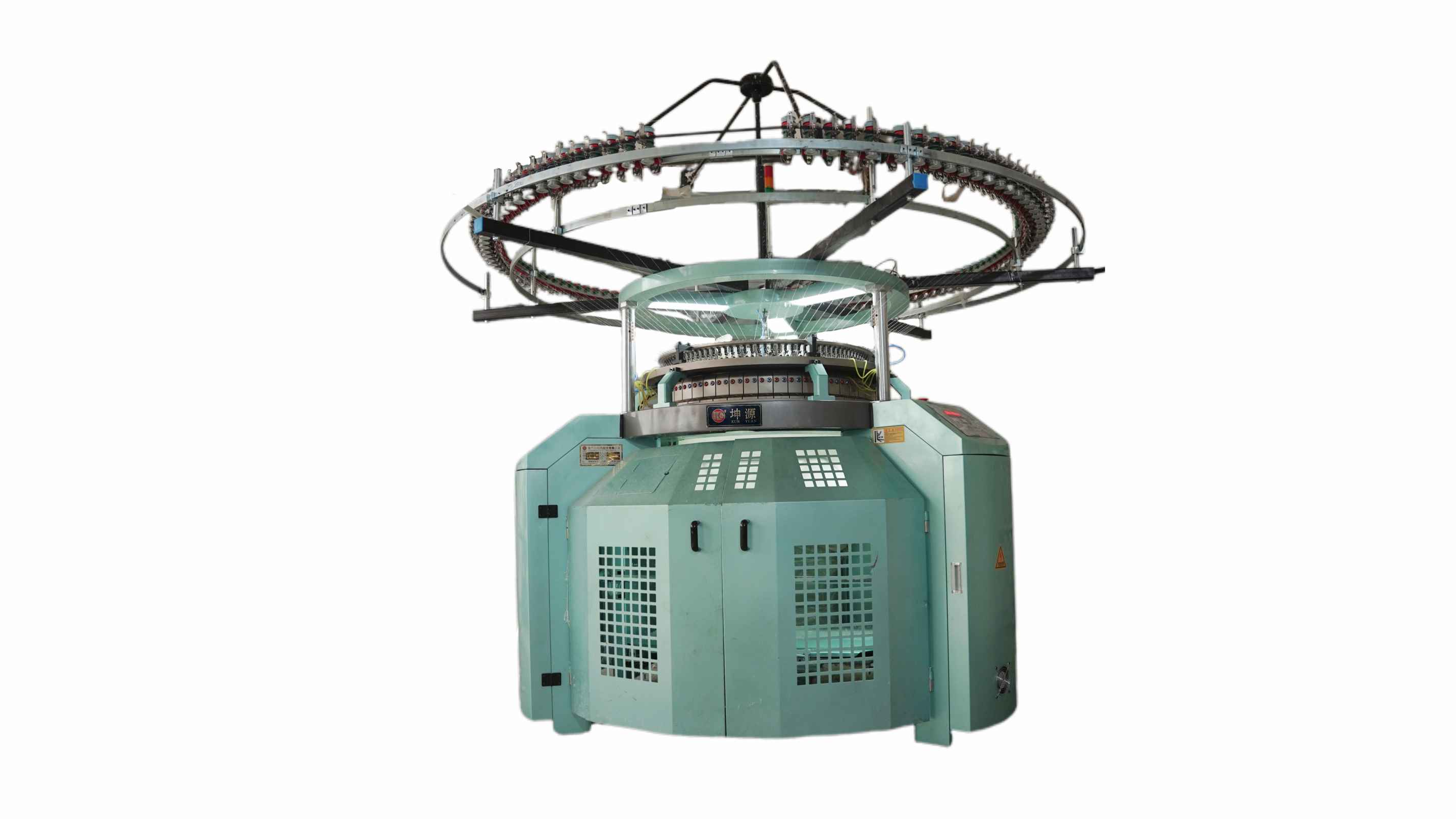
Validate a 34-Inch 26G 102-Feeder Single Jersey Circular Knitting Machine through feeder mapping, barre control, finished width and production-yarn trials....
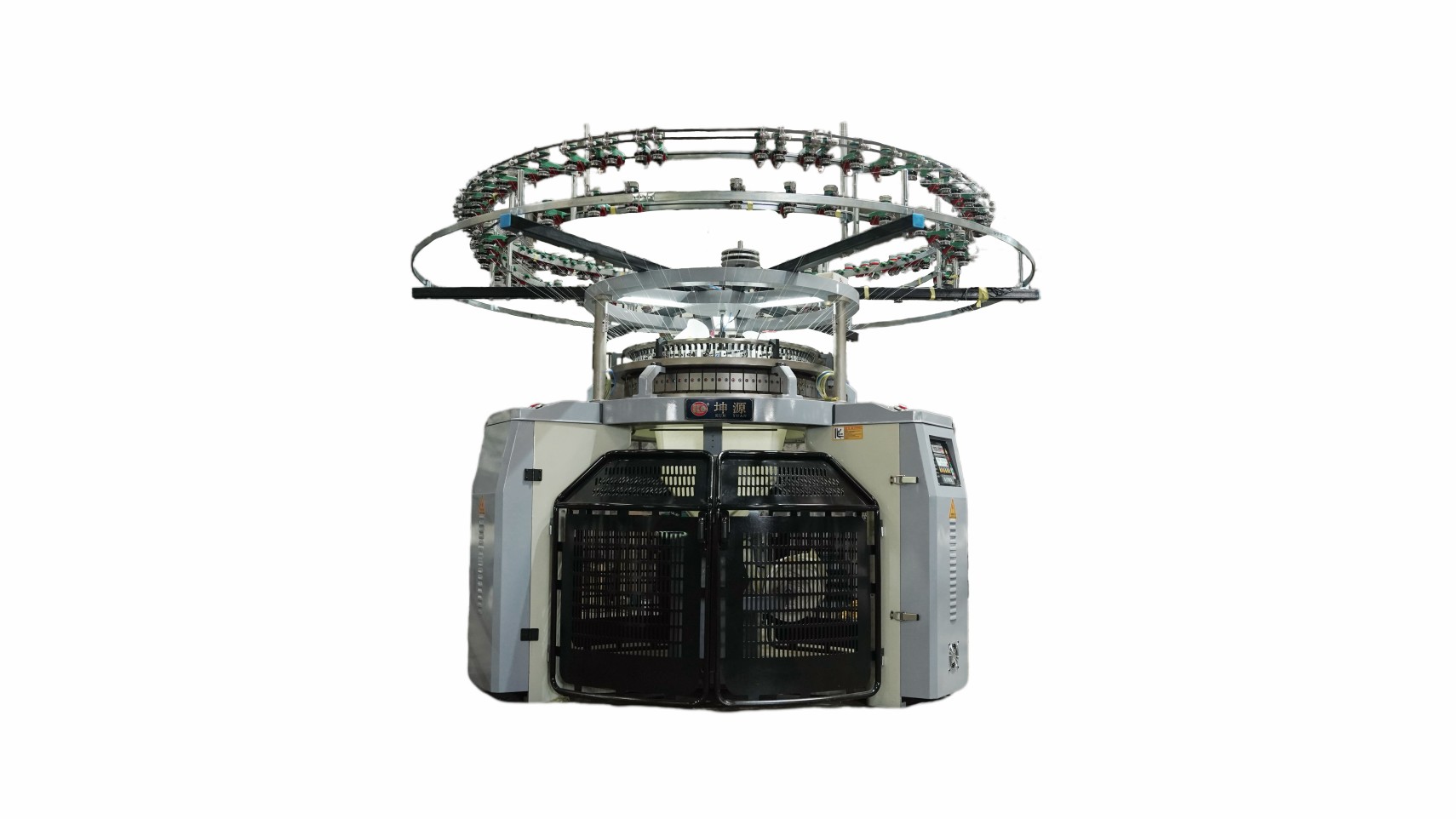
Configure a 32-Inch 22G 96-Feeder Sweatshirt Circular Knitting Machine around loopback/fleece yarns, raising route and paired greige-to-finished samples....
Compare Single Jersey Circular Knitting Machine options by yarn, gauge, feeder count and finishing route, with a practical trial checklist for fabric mills....
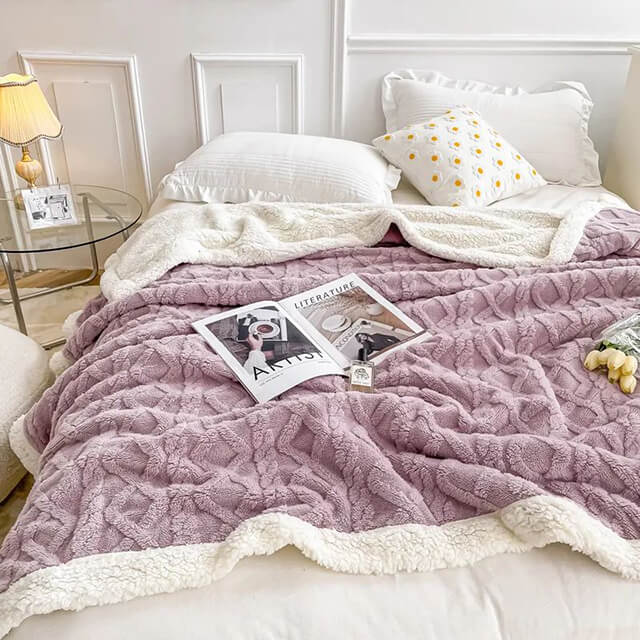
Convert artwork into patterned pile by protecting motif detail, coordinating yarn and selection, sampling matched coordinates and validating the finished surface....
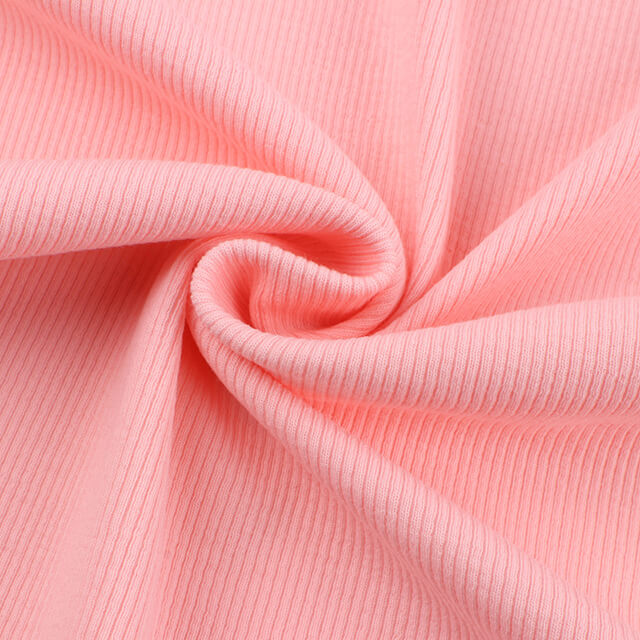
Engineer rib and elastic double-knit fabrics through cylinder-dial balance, yarn and elastane mapping, relaxed recovery tests, conversions and baseline restoration....

 Tel: +86-13859034518
 Email: info@kunyuanmachine.com
 MP/WhatsApp: +86-13859034518
 Manufacturer Address:Bacuo Village, Yonghe Town, Jinjiang City, Fujian Province
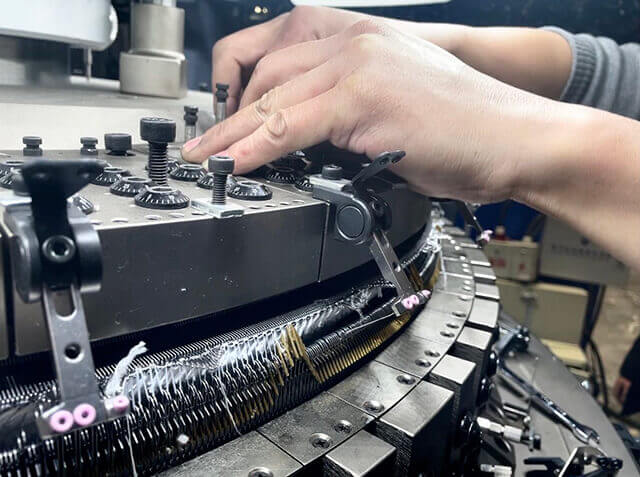




Archived feedback highlighted high-speed operation, accessible controls and consistent single-jersey output.2025-07-15
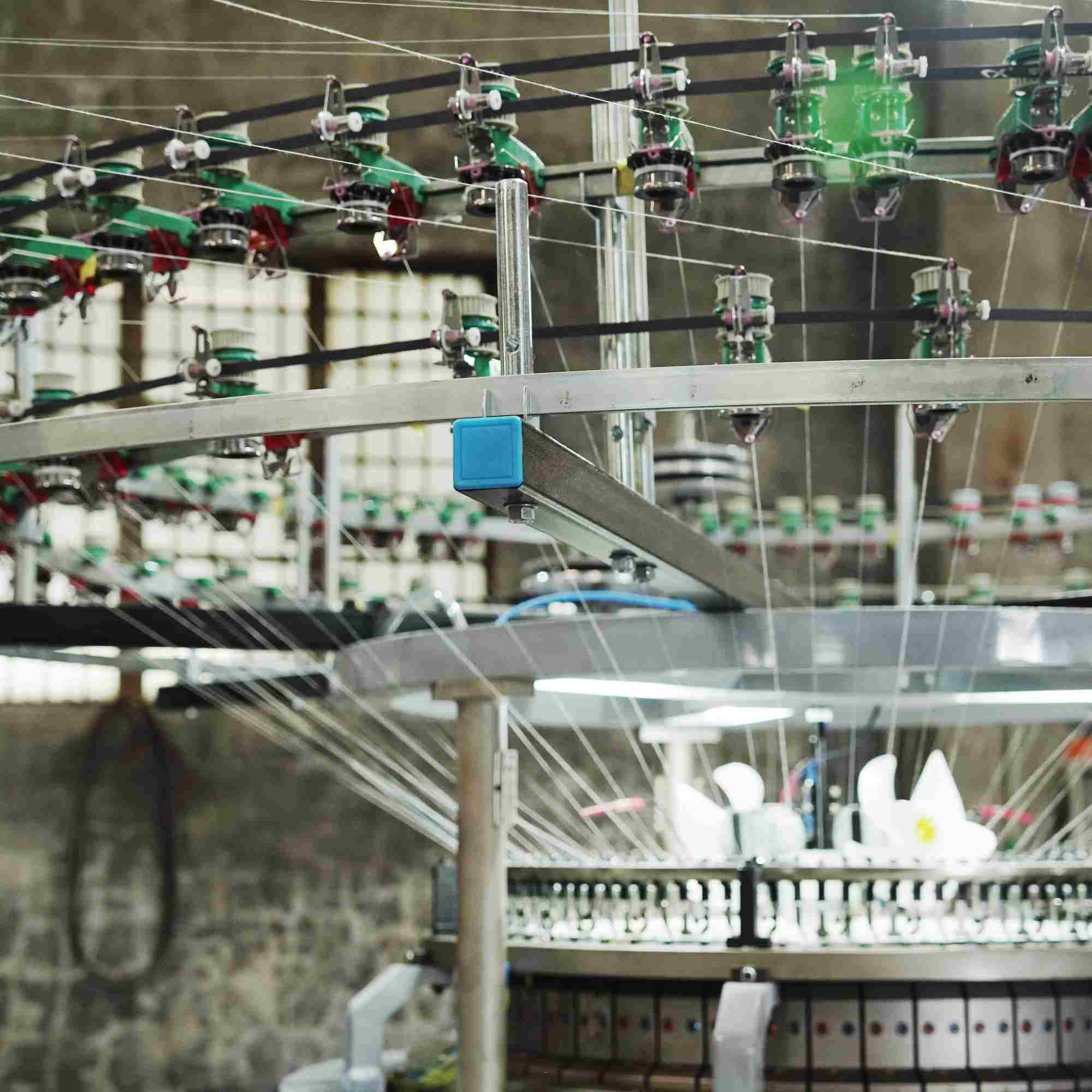
Archived feedback rated efficiency, precision, durability and ease of use positively for sweatshirt-oriented production.2025-07-15

Archived feedback emphasized smooth running, limited interruption and consistent single-jersey fabric appearance in a demanding production setting.2025-07-11

Compiled archived feedback for Single Jersey Circular Knitting Machine highlights running stability, limited interruption and consistent fabric appearance; open the full summary for source notes and model-specific buyer checks.2026-08-20