
T-shirts & Lightweight Knits
Build a repeatable jersey fabric for everyday T-shirts. Start with the hand, weight and usable width your garment needs.


KUNYUAN · FABRIC FIRST
Explore finished products and their fabric requirements.
Choose a category to explore the fabric requirements and related equipment.
Build a repeatable jersey fabric for everyday T-shirts. Start with the hand, weight and usable width your garment needs.
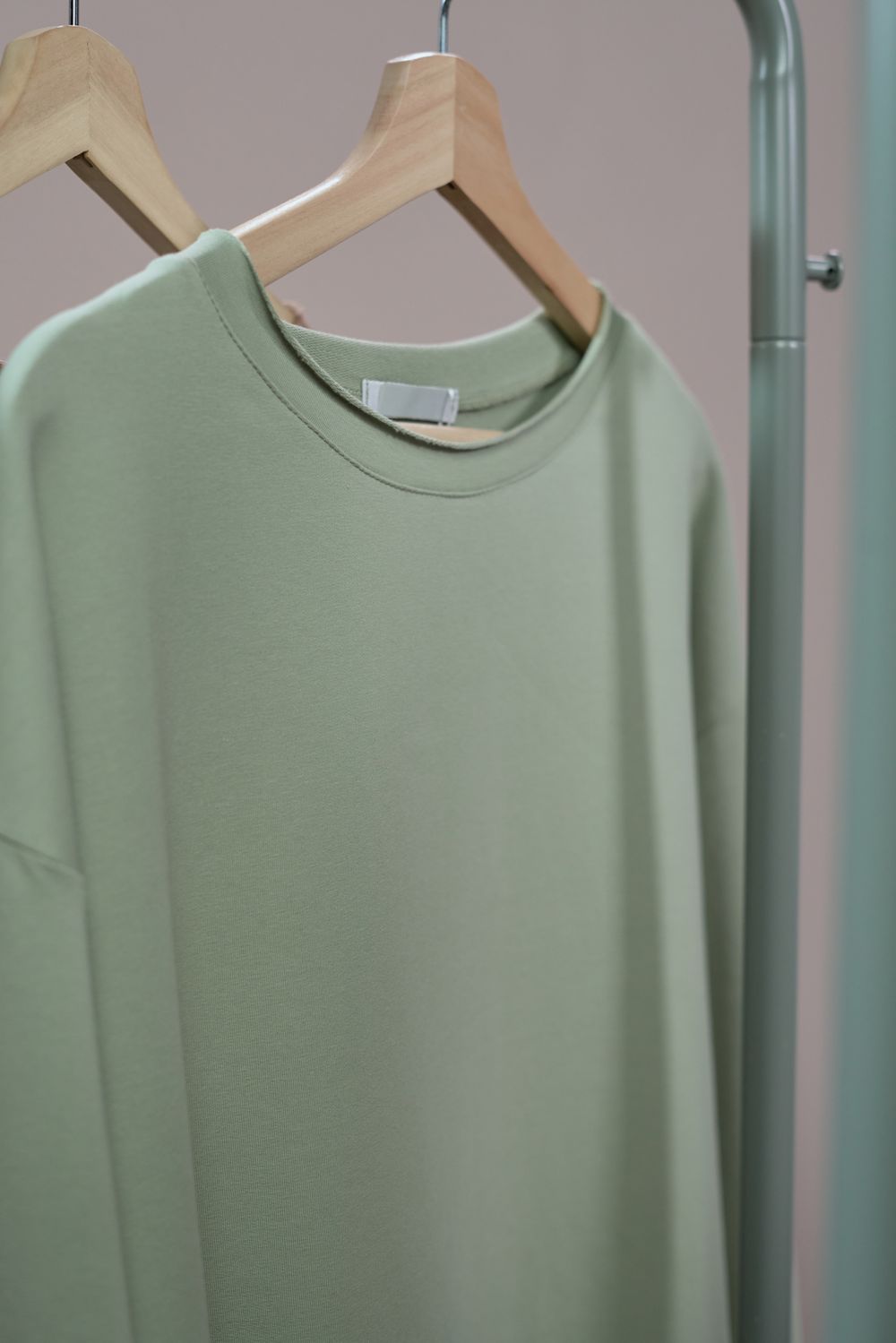
Connect your sweatshirt fabric with a clear yarn plan, knitting setup and finishing route.
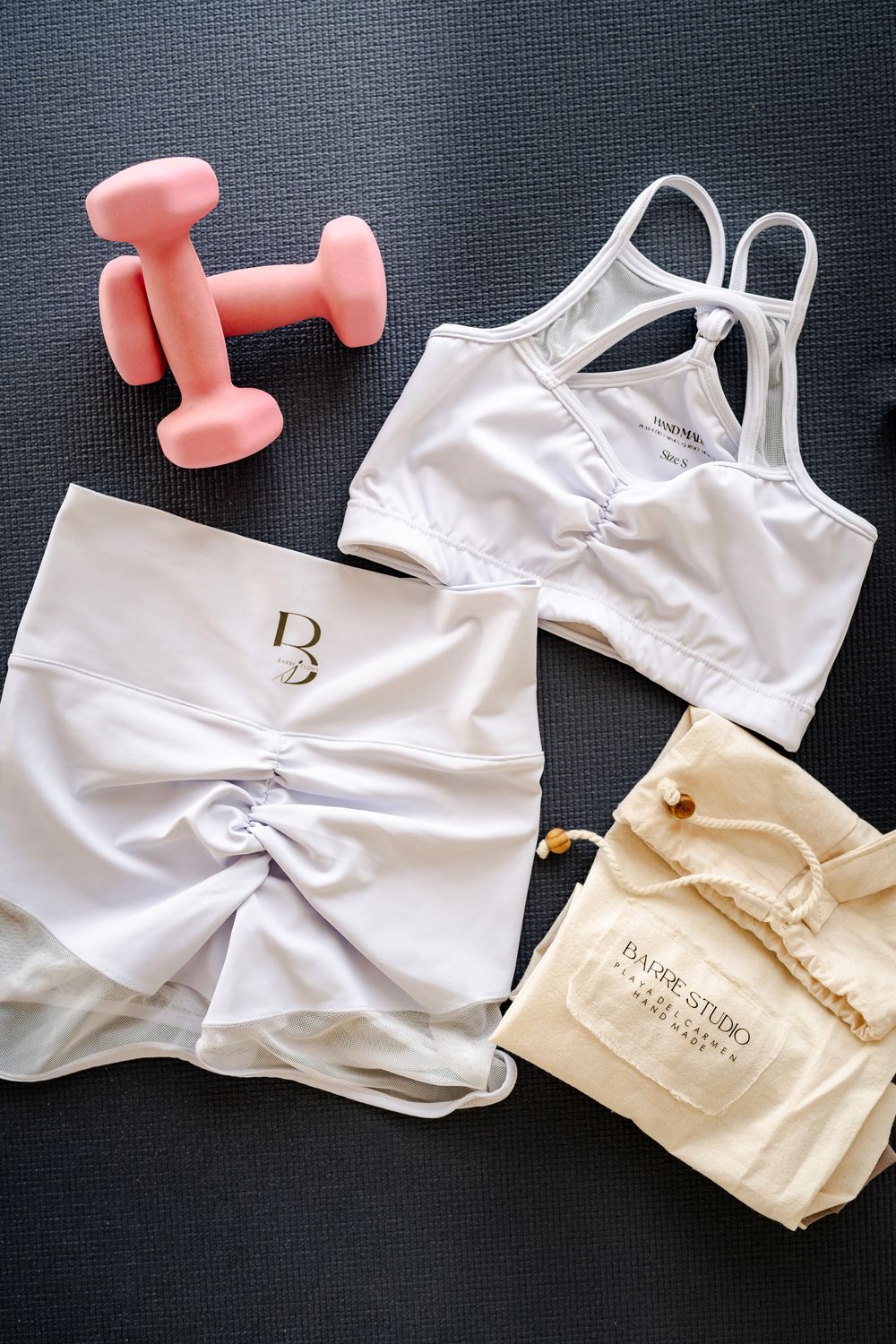
Choose the fabric construction behind your sportswear or underwear, then compare the appropriate knitting route.
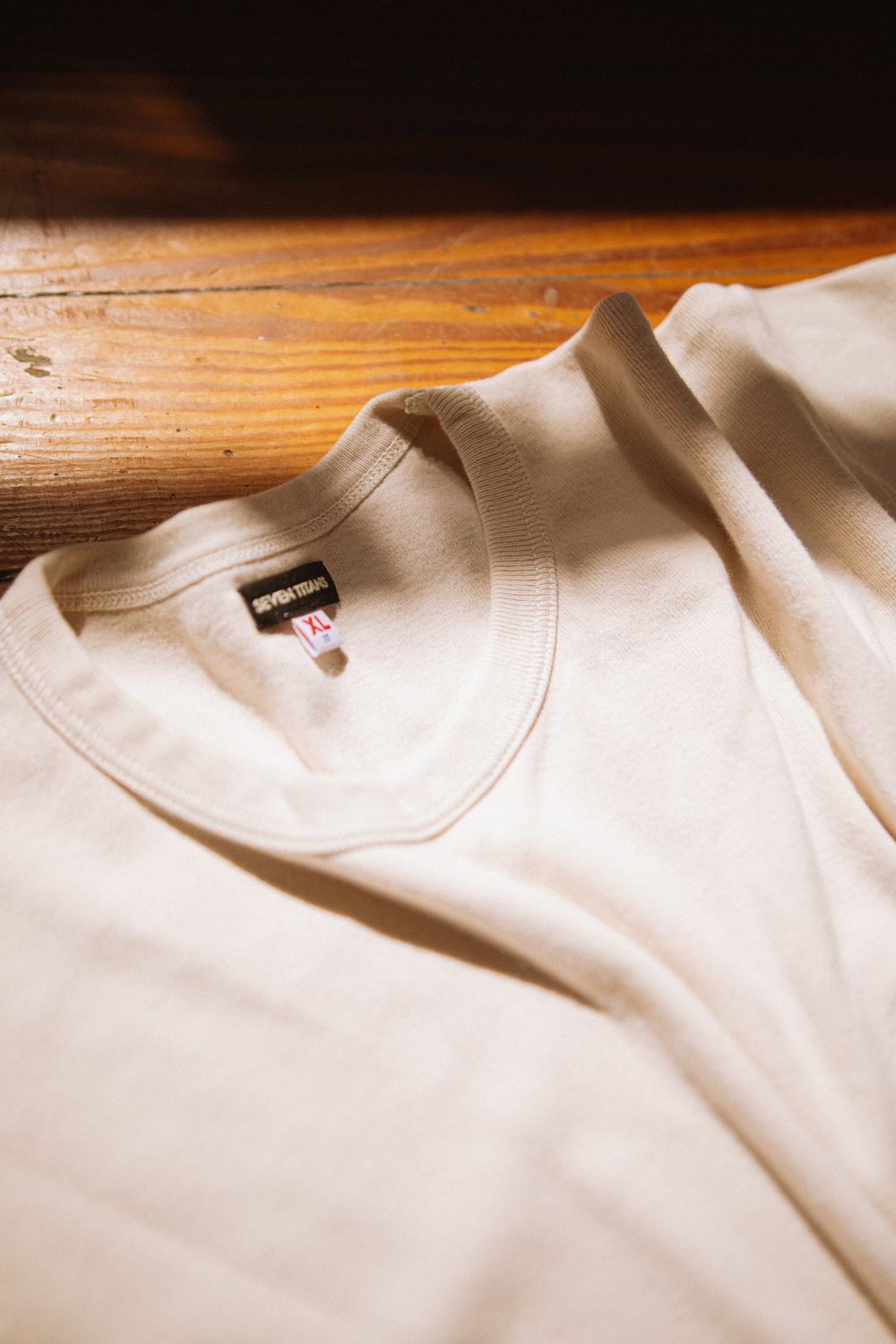
Match the rib construction, relaxed size and recovery to the collar, cuff or elastic fabric you want.

Explore patterned double-knit fabrics for apparel and mattress-cover end uses. Define the repeat, yarn plan, fabric hand and finished dimensions.
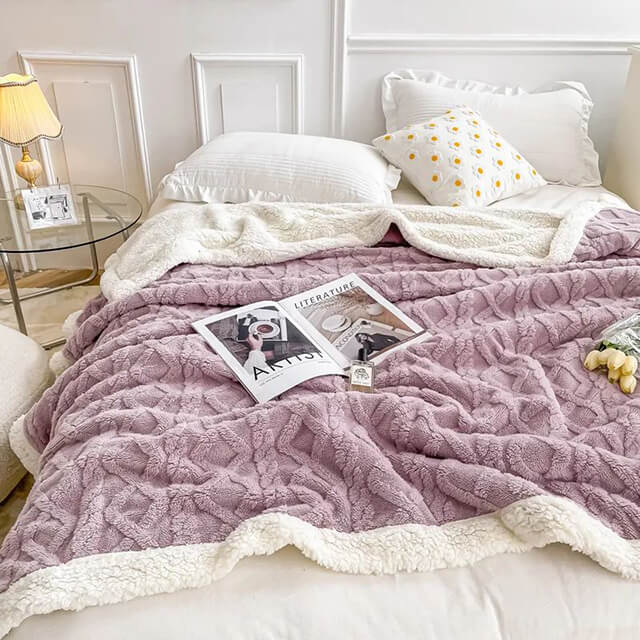
Explore pile and plush knitted fabric for home-textile end uses. Match the construction, yarn, weight and width to an approved sample.
YOUR FABRIC. YOUR PRODUCTION PLAN.
Share the finished product, fabric structure, yarn, target weight and width. Add your output target or factory conditions to start a configuration discussion.
An industrial circular knitting machine is a production system that makes knitted fabric continuously around a cylindrical needle bed. The useful definition is not its round frame but the combination of knitting elements, yarn delivery, take-down and controls configured for a particular fabric family. Read more ↗
A circular knitting machine forms fabric by moving latch needles through cam-controlled stages: clearing the old loop, receiving new yarn, drawing that yarn through the old loop and knocking the completed stitch over. Thousands of repeated loop-forming actions create each course while the fabric is drawn downward. Read more ↗
Circular knitting machines are classified most usefully by the fabric structure they form: single jersey, rib, interlock or other double jersey, fleece, terry, jacquard and pile constructions. The name describes a knitting capability, not just the appearance of the frame. Read more ↗
An operator needs more than start-and-stop instruction. Competent training covers safe access, yarn threading, fabric identification, routine inspection, fault containment and accurate shift records. Setting changes and electrical work should be reserved for people trained and authorized for those tasks. Read more ↗

 Tel: +86-13859034518
 Email: info@kunyuanmachine.com
 MP/WhatsApp: +86-13859034518
 Manufacturer Address:Bacuo Village, Yonghe Town, Jinjiang City, Fujian Province