
Hot Keyword:

APPLICATION & FABRIC REQUIREMENTS

Choosing a T-Shirt Fabric for Shape, Opacity & Hand

Compare garment shape, opacity, surface appearance and next-to-skin hand before defining a lightweight knit brief.

Choosing a T-Shirt Fabric for Shape, Opacity & Hand

Start with the shirt somebody will wear

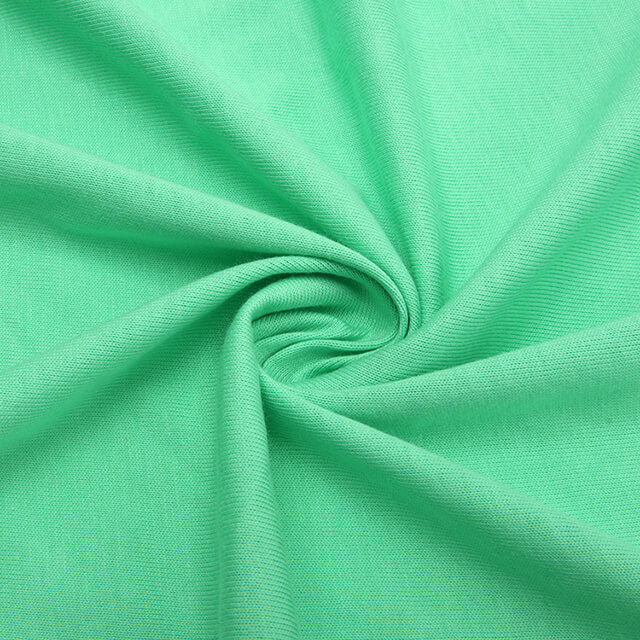
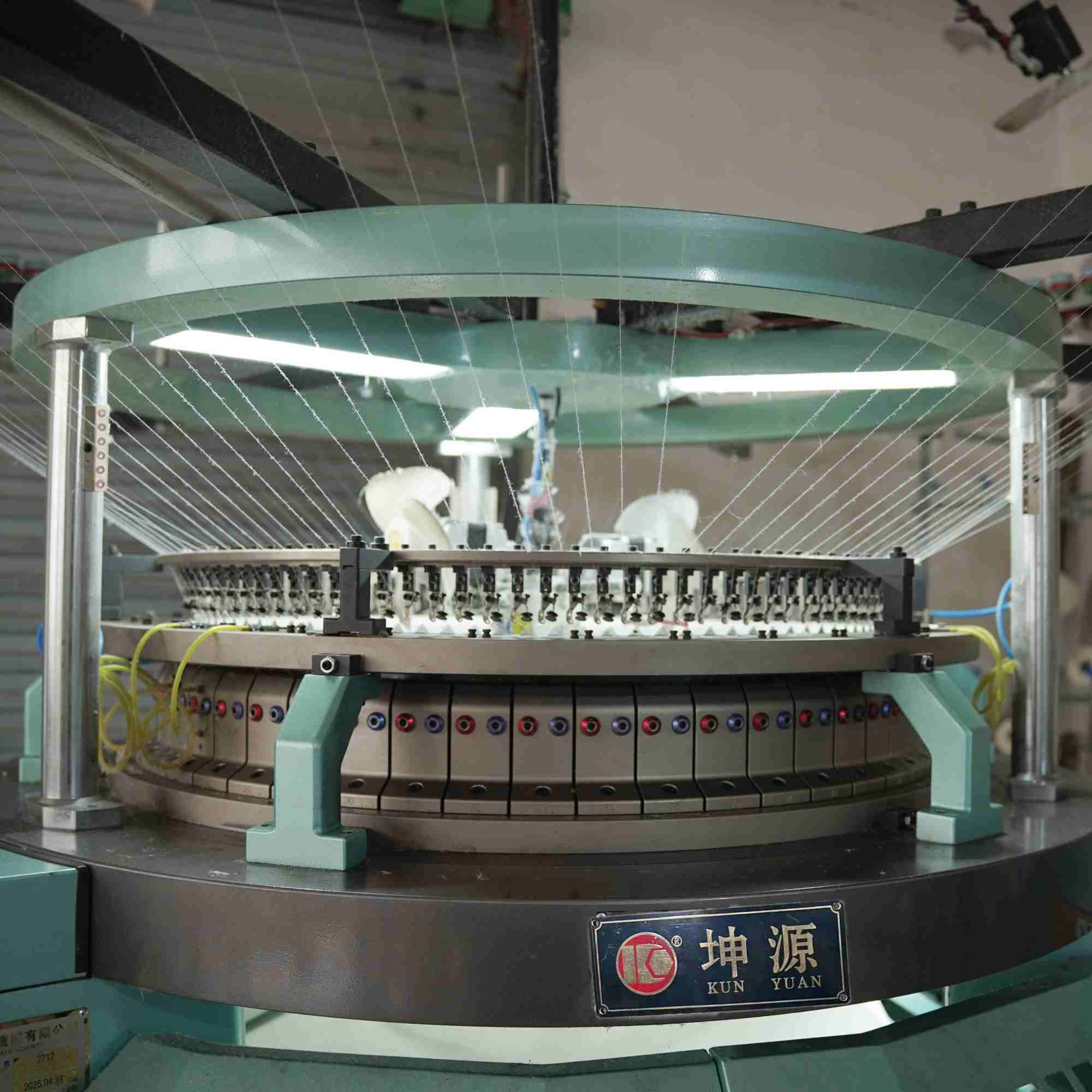
A lightweight T-shirt brief begins with the finished garment. A close-fitting base layer, a loose everyday top and a printed promotional shirt can ask different things of the same broad fabric family. Use the existing end-use photograph to describe an intention; it does not establish a yarn recipe or an approved construction.

T-shirts & Lightweight KnitsSingle jersey

Make the end-use choices visible

Compare the front, underarm, neckline and hem as separate contact or appearance zones. Explain whether the priority is a soft touch, a clean print surface, body coverage or a particular drape. A fabric that looks suitable on a flat table still needs review in the intended garment shape.

  • Provide a reference garment or labelled cuttings, the intended fit and the areas where opacity or surface appearance matters.
  • Describe the preferred hand in comparison with a retained sample, and identify any objection to stiffness, cling or roughness.
  • Share artwork or printing plans where relevant, plus the intended care instructions and the finishing state of every comparison sample.

Choose the next sample deliberately

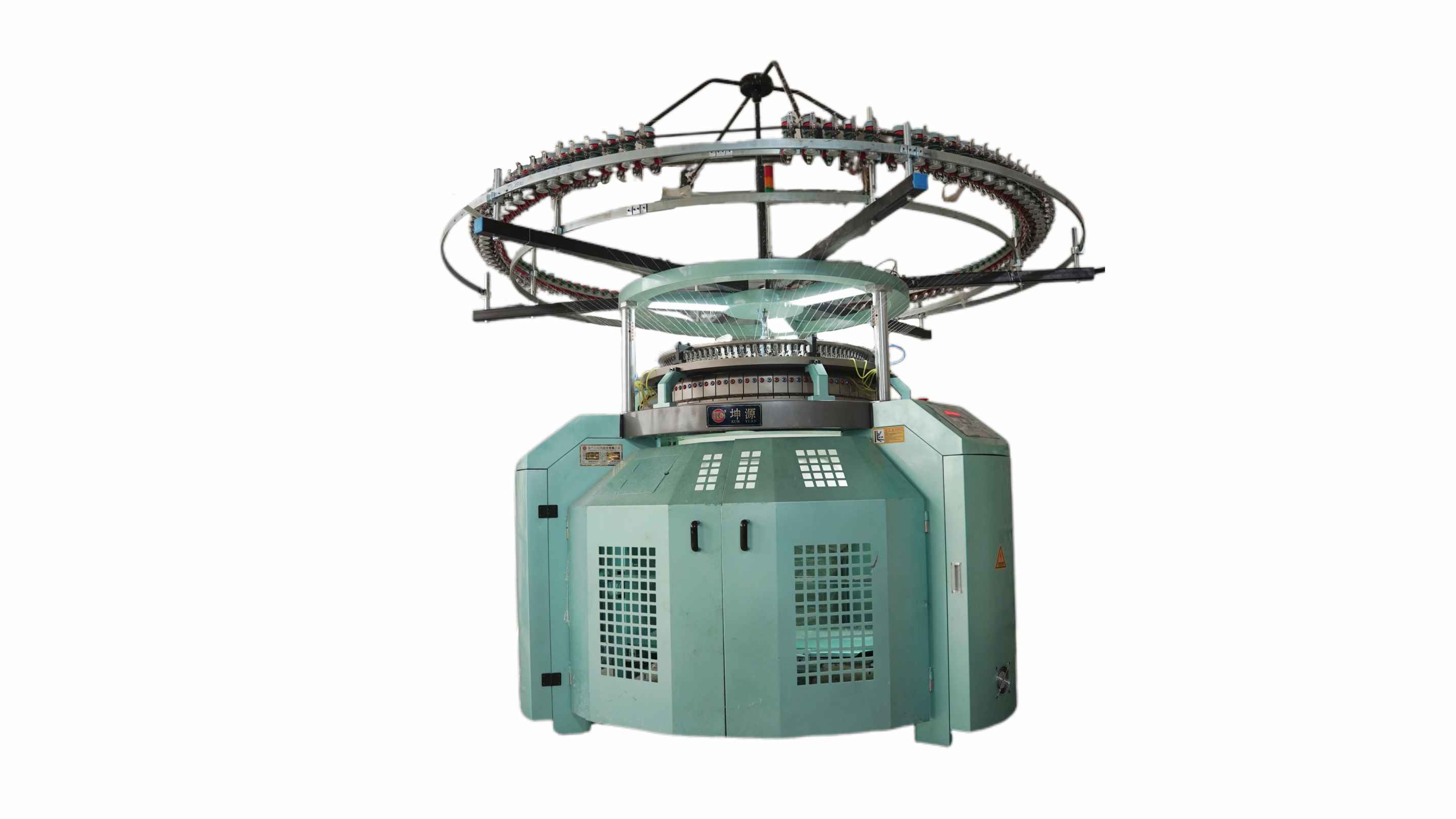
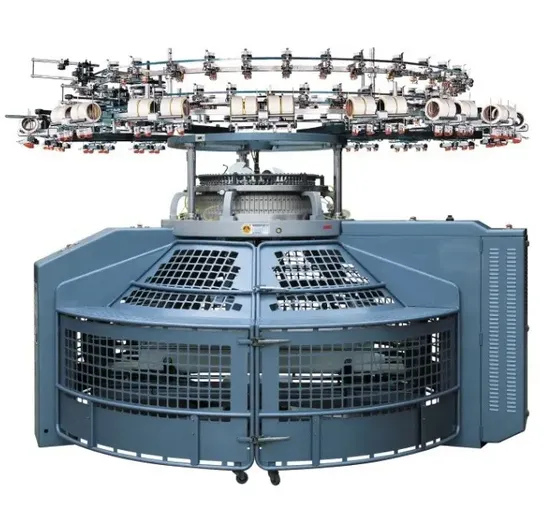
Compare candidate cuttings before requesting a garment trial. Record why a sample is accepted, held or rejected, then carry that decision into the production discussion. The linked single-jersey route provides available equipment candidates; final suitability depends on the agreed fabric brief rather than the photograph alone.

Matching Machine Collection

Compare the configuration with your yarn, fabric structure and finishing route.

Knowledge For Your Fabric Brief

YOUR FABRIC. YOUR PRODUCTION PLAN.

Discuss Your Requirements

Share the finished product, fabric structure, yarn, target weight and width. Add your output target or factory conditions to start a configuration discussion.

Questions Before You Choose

Can a T-shirt photograph select the machine?

It explains the end use, but does not establish the knitting setup. Provide the fabric construction, yarn, greige and finished GSM, usable width and a labelled sample. Approve the offered configuration through the intended finishing route.

Are all settings in the series available together?

No. Series ranges describe alternatives. Confirm one exact cylinder, gauge, feeder count, yarn-delivery and take-up arrangement in the offer; verify the required fabric on that build rather than combining separate range limits.

What should a T-shirt buyer check before choosing a 34-inch 26G 102-feeder single-jersey setup?

Match yarn and stitch requirements to the target fabric weight and usable width. Keep the elastane plan, if used, separate. Use the trial to confirm the required face, hand and finished dimensions; a reference speed alone does not establish output.

How should GSM, usable width, shrinkage and spirality be approved for repeat T-shirt fabric orders?

Keep greige and finished samples from the same identified trial roll. State conditioning and finishing, record the agreed measurement method and acceptance limits, and retain the approved yarn and settings with the first-roll release record.

More production details (optional)

Explore Related Directions

Need Help?
Please leave your contact information to get our latest catalog
Get In Touch Now >
Kunyuan Machinery Manufacturer

Tel: +86-13859034518

Email: info@kunyuanmachine.com

MP/WhatsApp: +86-13859034518

Manufacturer Address:Bacuo Village, Yonghe Town, Jinjiang City, Fujian Province

NEW KEYWORD

About Us

Products

Information