Hot Keyword:
YOUR POSITION:HOME > Blog >

Circular Knitting Machine Order Changeover: Release the First Roll After a Yarn Lot Switch

Author:KUNYUAN Machine Manufacturer TIME:2026-10-12

MENU
Yarn-lot transition release

The first new-lot roll needs an identity before it needs a signature

An order can keep the same style number while its yarn supply changes. The critical question is where the previous lot ends, where mixed material remains, and which finished sample actually represents the replacement lot.

CottonWorks describes yarn-count variation as a contributor to horizontal barre and illustrates a double-knit fault associated with coarse yarn at one feed. That evidence makes yarn identity a useful starting point, but does not establish that every bar comes from a lot switch. A release investigation must preserve feed, time and finishing evidence before selecting a cause.

The following gates are a recommended mill worksheet for an existing, accepted machine route. They are not installation acceptance or a universal sampling standard. Agree with the quality owner which appearance, dimensions and fabric properties must be rechecked when the lot changes. Reserve enough material for the actual finish and comparison, using the order's established methods. Do not assign an arbitrary number of metres as proof that the transition has cleared.

Gate 1 - reconcile the incoming lot against the order specification

Compare the supplier designation, fibre blend, yarn count and count system, spinning route, twist description, colour reference, package format and treatment information available for both lots. Separate a genuine equivalent-lot replacement from a material substitution that requires a wider approval. Record missing supplier data as unknown, rather than filling the gap with the last order's certificate.

Allocate packages to named feed positions and keep the outgoing map. Partly consumed cones, spare packages and returned stock need explicit lot labels because they can reintroduce the old material after startup. Retain representative old and new yarn references under the mill's storage procedure. If the incoming shipment contains more than one lot, define which combination the trial represents before loading begins.

Gate: Every loaded package has a verified lot and feed assignment; unresolved substitutions remain on hold.
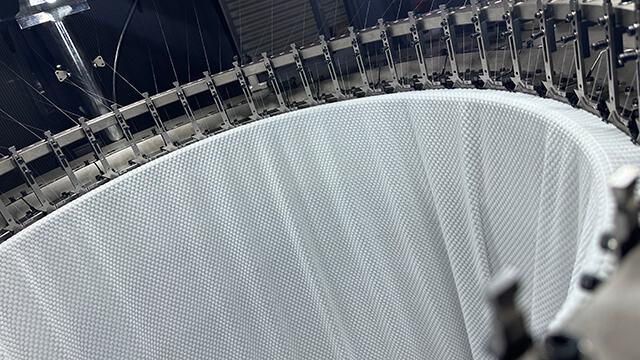
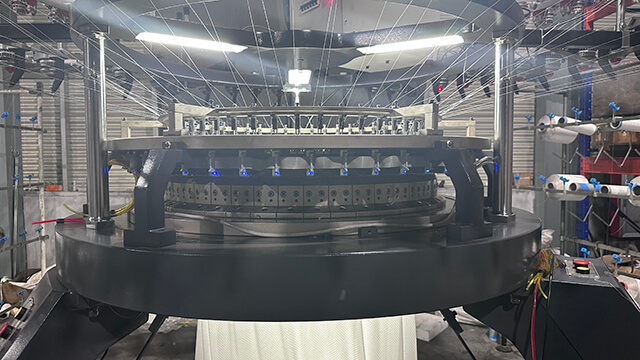
Gate 2 - identify old, mixed and fully replaced fabric

Use the machine's approved changeover procedure to record when each feed receives the new lot. A simultaneous planned replacement and a gradual package-by-package change produce different traceability problems. Keep those routes distinct in the roll record. Mark the last known old-lot interval, the transition interval and the first interval for which all participating feeds are verified as new lot.

Give transition material its own disposition, even if it looks usable. Do not merge it into the accepted roll merely because the machine ran without stops. Log threading corrections, cleaning, speed changes and stop events alongside the lot event so later inspectors can distinguish a material boundary from an operating disturbance. Any protected adjustment still belongs to trained personnel following the supplied machine instructions.

Gate: The roll map identifies the mixed interval and the evidence supporting the new-lot boundary.

Gate 3 - compare like-conditioned samples before changing settings

Take identified bands from the retained accepted material and the fully replaced trial interval. Compare both faces over a representative width or circumference using the agreed illumination, relaxation state and inspection rules. Track yarn-related bars separately from needle lines, holes or restart marks; a single defect label can otherwise conceal several unrelated changes.

Where dyeing or another finish determines saleability, process the paired samples through the same documented comparison route. Check the order's relevant shade, weight, width and dimensional requirements, recording which results remain pending. If the new lot differs, investigate the package and feed evidence first, then make a controlled trial correction. Simultaneously changing stitch settings and finishing conditions would prevent the team from knowing which intervention restored the result.

Gate: The named new-lot sample meets the agreed finished criteria, with no unresolved comparison result.

Gate 4 - make the release apply to a defined material interval

The release entry should name the order, new yarn lot, roll and sample identifiers, accepted settings revision, inspection results and the person responsible for disposition. Distinguish permission to continue a controlled trial from permission to ship commercial fabric. Pending laboratory or finishing evidence cannot disappear because production needs the machine for another order.

If a result fails, identify the earliest potentially affected interval and segregate related rolls. A repeat sample after correction establishes a new boundary; it does not retrospectively approve earlier fabric. At shift handover, make the package map and the latest disposition visible together. Close the changeover only when the next operator can identify approved replacement yarn, excluded transition material and the settings that produced the accepted sample.

Gate: Release names the eligible roll interval, and rejected or pending material remains separately traceable.
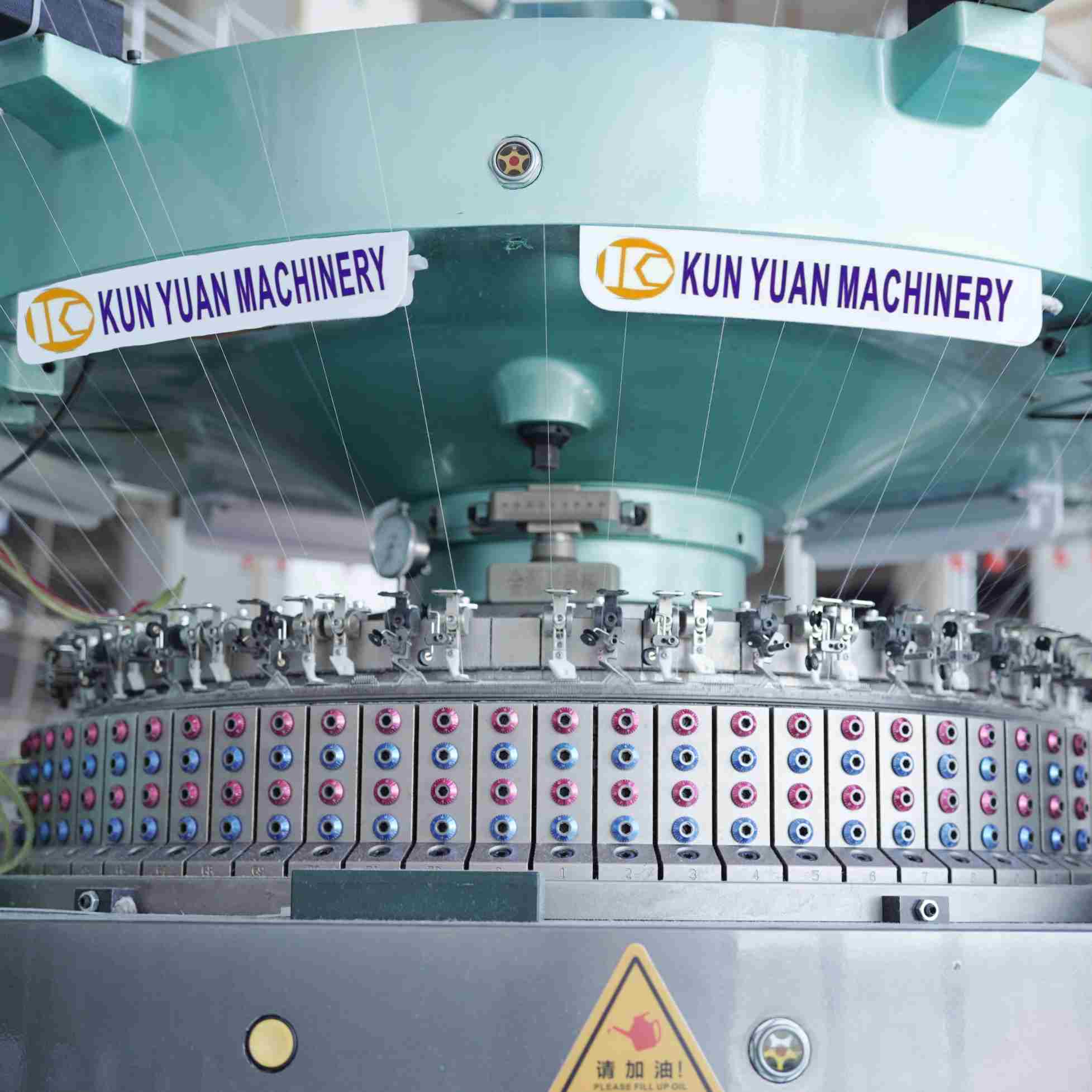
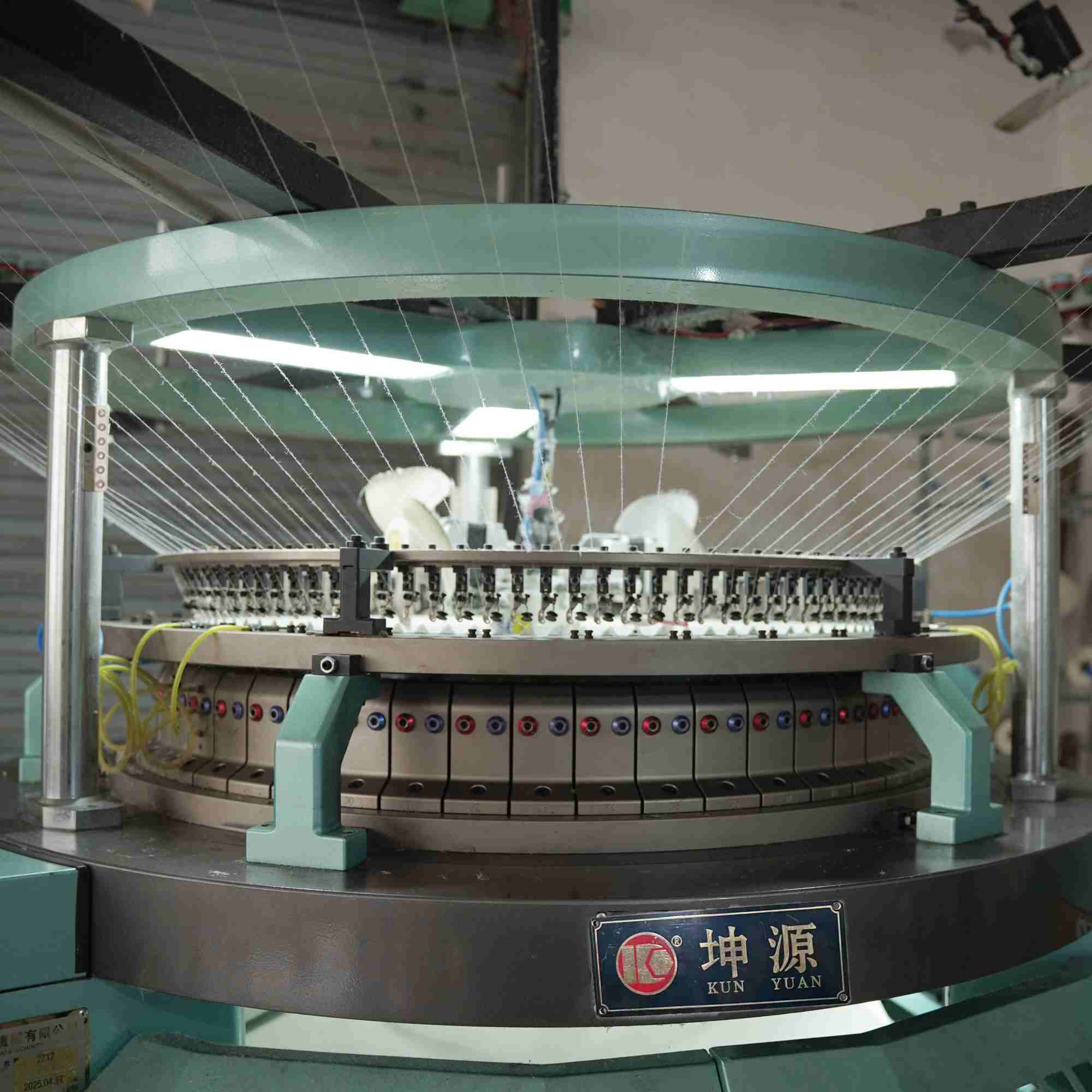
Kunyuan circular knitting machine product reference
Equipment reference; the lot boundary must come from the actual trial record.
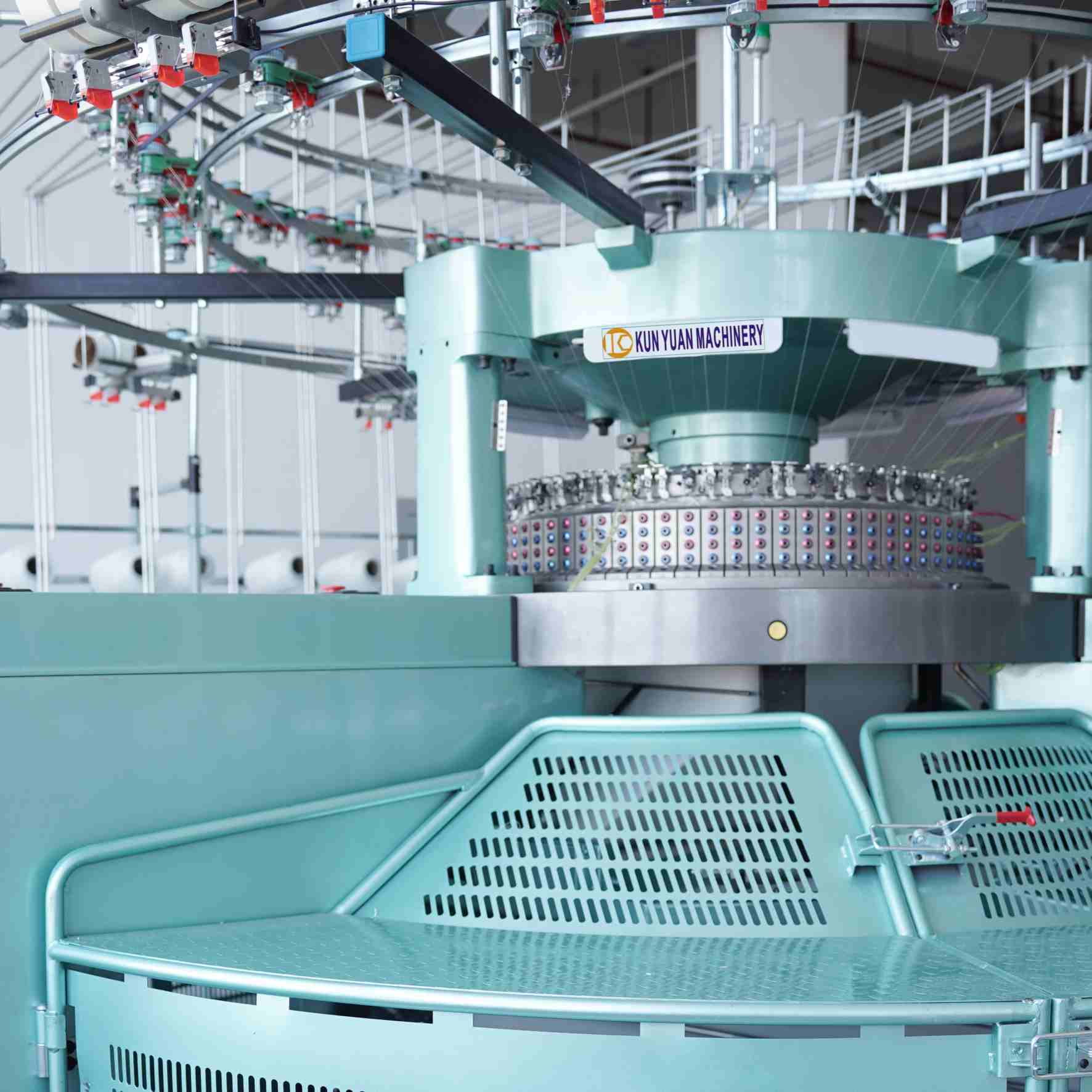
Kunyuan circular knitting equipment reference view
Preserve the package-to-feed map for the installed machine.
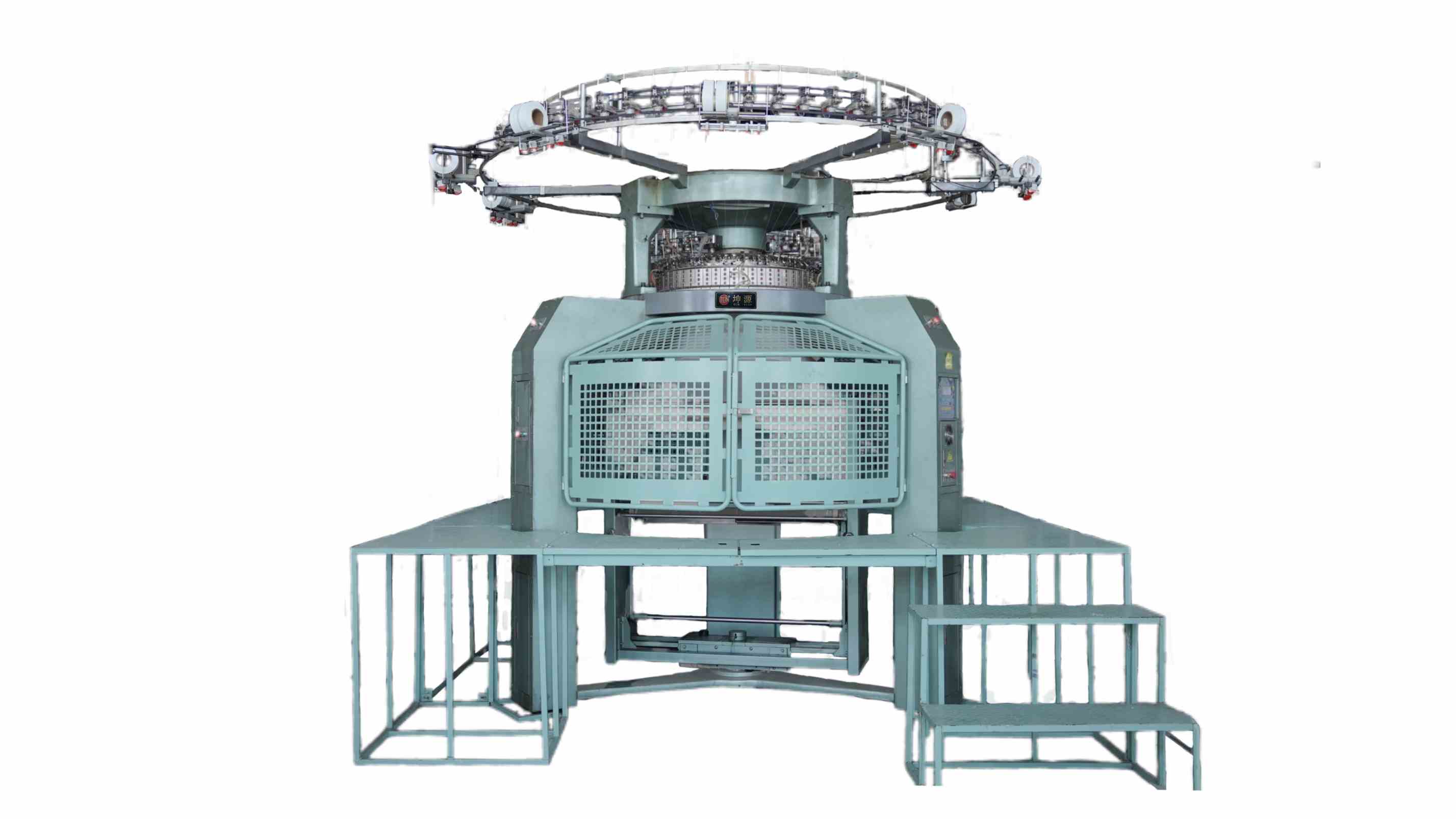
Kunyuan single jersey machine reference for yarn-lot trials
A catalogue view does not substitute for the marked first-roll sample.

Recommended lot-transition disposition sheet

Material intervalEvidenceDecisionUnresolved issue
Last accepted old lotRetained sample and outgoing mapComparison referenceReference condition unclear
Mixed transitionFeed-by-feed replacement recordSeparate dispositionBoundary cannot be located
First verified new lotMarked band and paired finishRelease after criteria passShade or dimensions pending
Corrected new-lot trialChanged variable and repeat sampleNew release boundaryEarlier rolls still unreviewed

First-roll lot-switch decisions

Does an unchanged yarn count eliminate the trial?

An unchanged count does not establish equivalent commercial yarn identity. Check the available lot information and the order's change-control requirements before reducing verification.

Can partially used old cones stay on selected feeds?

Only under an explicitly approved material plan. Their fabric must remain identifiable as a mixed-lot route, rather than being labelled entirely as the replacement lot.

How long should the transition band be?

Determine it from the actual feed replacement and material path. This worksheet supplies no fixed clearing length because package changes and machine routes differ.

What if the greige roll passes but the dyed sample changes shade?

Hold the affected material for the quality decision. Compare paired finishing conditions and yarn references before attributing the change solely to knitting settings.

Does a good repeat sample release the rejected first roll?

It establishes evidence for the corrected interval. Earlier material needs its own documented inspection, rework or rejection decision.

Release the verified new-lot interval

The useful output of a yarn-lot changeover is a defensible material boundary. Keep the outgoing reference, mixed transition and accepted replacement interval distinguishable all the way through finishing. When a customer questions a later roll, that boundary lets the mill find the relevant packages and samples without reopening the entire order on guesswork.

Use the lot-transition sheet when discussing the circular knitting machine range and ask how the offered configuration records feed changes and identifies trial material.

Lot boundary recorded
Need Help?
Please leave your contact information to get our latest catalog
Get In Touch Now >
Kunyuan Machinery Manufacturer

Tel: +86-13859034518

Email: info@kunyuanmachine.com

MP/WhatsApp: +86-13859034518

Manufacturer Address:Bacuo Village, Yonghe Town, Jinjiang City, Fujian Province

NEW KEYWORD

About Us

Products

Information