


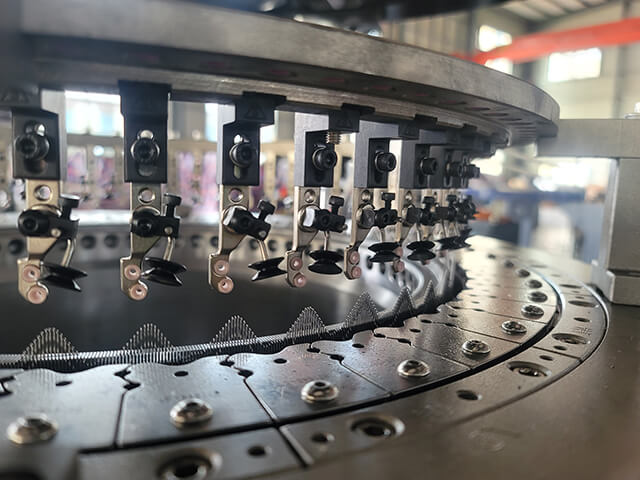

Size program and construction
Keep SBD and DBD programs separate and identify the cylinder, needle set, yarn and change parts used for every approved size.
 Price:
Negotiable
Price:
Negotiable
Model:
NET Weight:
Diameter:
3’’-26’’
Gauge:
3G-50G
Feeder:
9F-78F
Certification:
Applicable Yarn Material:
RPM:
Wooden Box Size:
1.5M*1.5M*2.25M
Place of Origin:
CHINA.
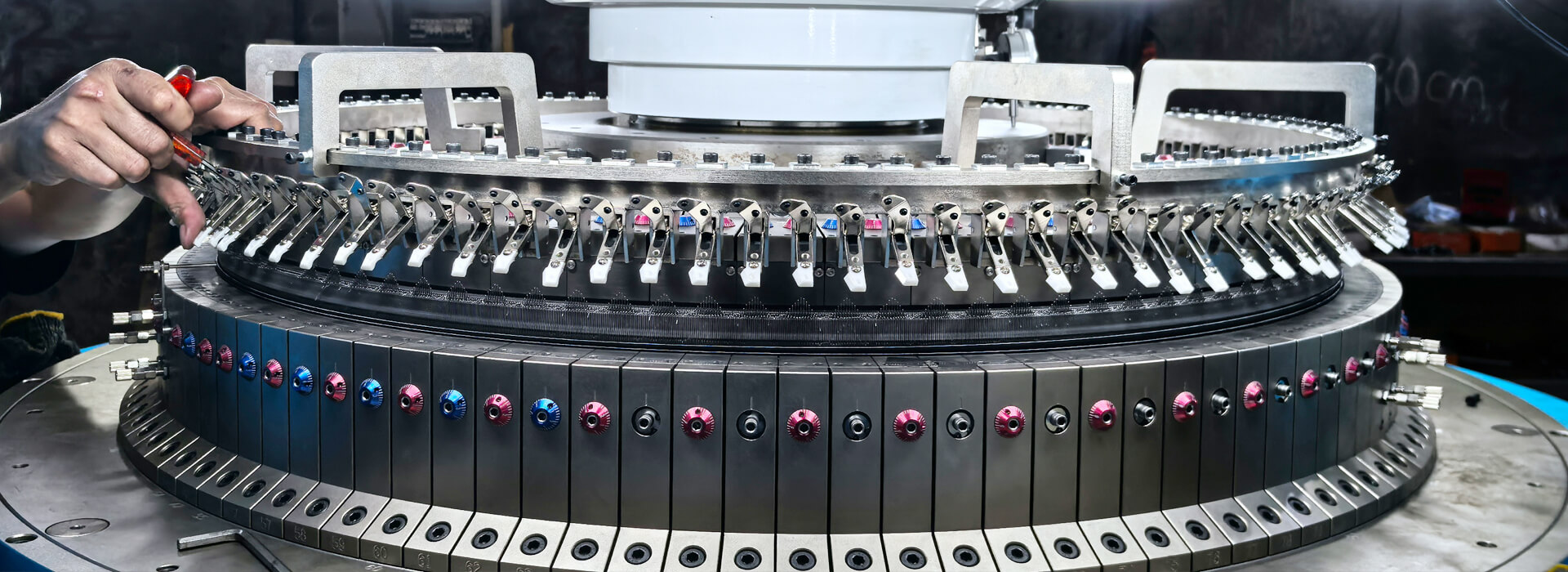
Body-size knitting is chosen when the factory wants a tubular garment section that follows a size chart instead of a wide roll that must be cut and sewn into shape. The old Kunyuan record lists SBD and DBD body-size applications, with a recorded 3–26 inch diameter range, 3G–50G gauge range, and 9F–78F feeder range. Those values describe the archived offer; the exact cylinder, needle arrangement, and feeder count still need to be confirmed for the buyer’s size program.
This machine is a good candidate for underwear, base layers, fitted tops, leggings, and similar programs where the finished circumference matters. It is not a reason to promise “any size” or “seamless” performance without a size-specific trial. Yarn recovery, stitch length, finishing relaxation, and the garment pattern can all move the final measurement.
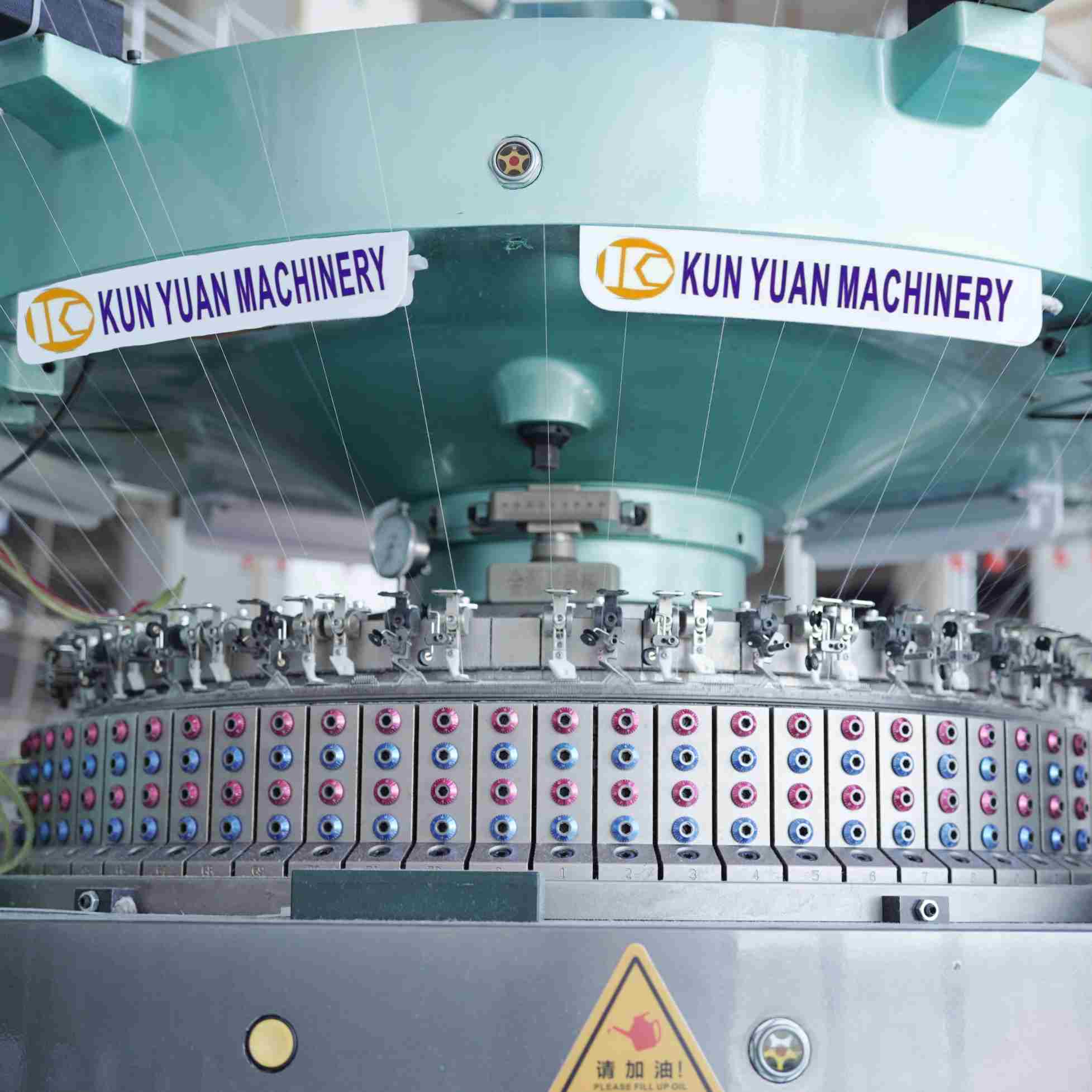
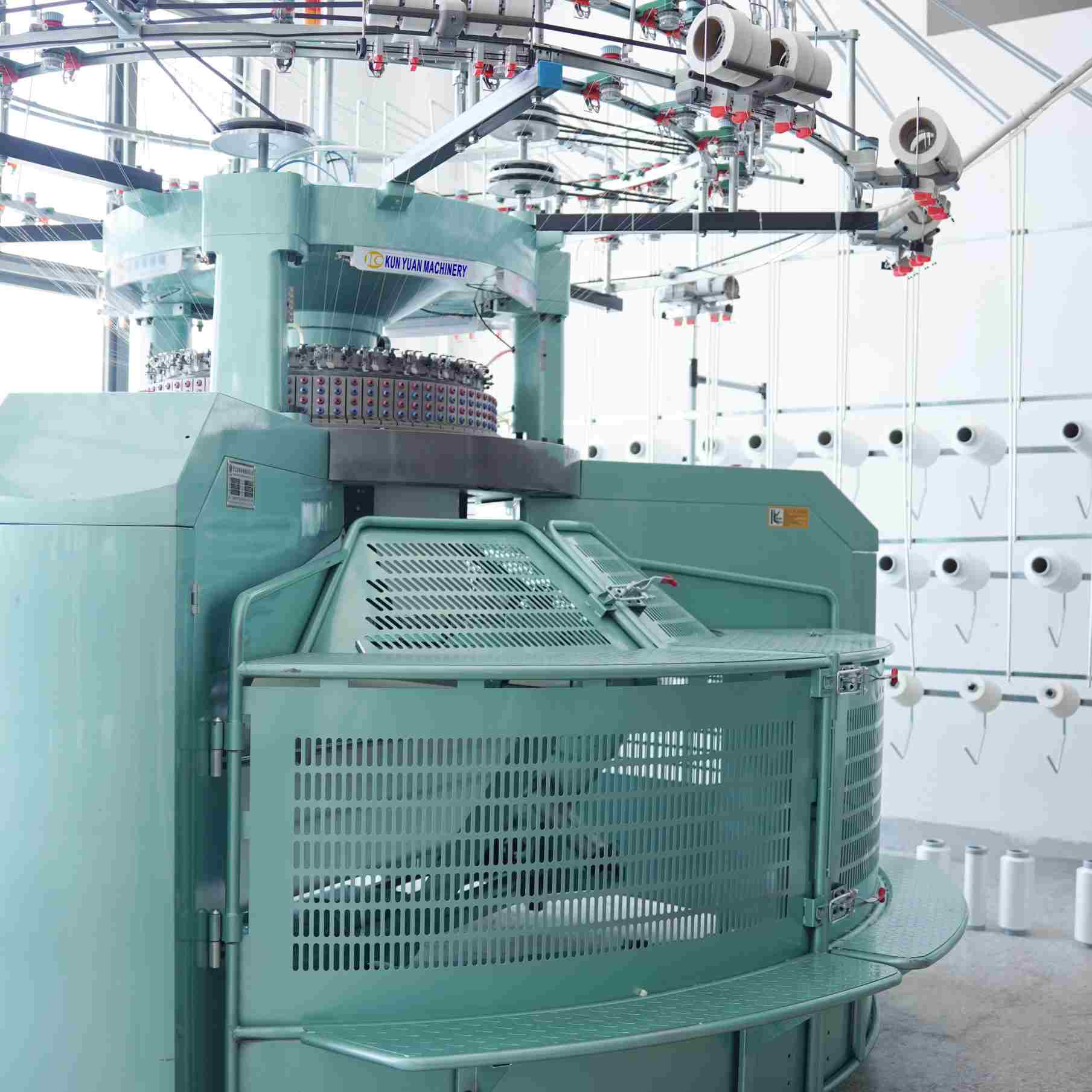
The circular path forms a tube continuously. For a single-jersey body-size program, the important question is how the selected diameter and gauge translate into the relaxed circumference and fabric weight. A double-jersey body-size program needs a separate review of the two-bed construction, hand, stretch, and the way the take-down handles the thicker tube. The archived record shows 9F–78F as a feeder reference, but it does not define one universal setting for every size or yarn.
Ask the supplier to mark the proposed SBD or DBD configuration on the quotation. Include the size chart, yarn composition and count, target weight, stretch direction, and finishing route. If the same machine will make several sizes, list the change parts and the program files for each size rather than treating them as a single recipe.
| Buyer decision | Why it matters on a body-size machine | Evidence to request |
|---|---|---|
| SBD or DBD construction | Changes fabric hand, stretch and the way the tube is measured | A labelled sample for the chosen construction |
| Diameter and gauge | Set the starting geometry for circumference and stitch density | Cylinder/needle specification and size-chart mapping |
| Feeder arrangement | Determines yarn allocation and possible design or zoning work | Feeder list for the proposed program |
| Take-down and roll/form handling | Influences length, marks and measurement repeatability | A short running record with take-down settings |
| Finishing route | Relaxation can change circumference and length after knitting | Greige and finished measurement sheet |
Use production-representative yarn, not a demonstration yarn selected because it runs easily. Knit at least one representative size from each construction that will be ordered. Label the program, cylinder/needle set, yarn lot, stitch settings, speed, and finishing condition.
Before approving the run, check five points: circumference at agreed relaxation time; length and skew; fabric weight; visible needle lines, holes or barre; and the recovery after the specified stretch. For a double-jersey tube, add a check of the inside/outside balance and any laddering that appears when the tube is opened. Keep the accepted tube and the measurement sheet with the signed configuration. If a value is missing from the offer, keep it as an open item instead of inventing a tolerance.
Start each shift by checking the yarn path, stop motions, needle zone and take-down alignment. A repeated line at one position deserves a location check; a random hole pattern also calls for a yarn-lot and handling review. Keep a simple log of stops, manual interventions, program revisions and the size that was running. Clean and lubricate according to the supplied machine procedure, and isolate power before entering the knitting zone.
The first signs of drift on this product are often practical: the same size begins measuring differently after relaxation, a tube develops a diagonal, or a take-down mark repeats at a fixed interval. Recording the change before increasing speed is more useful than quoting a headline RPM.
Not automatically. Use the recorded diameter/gauge range as a starting point, then map each size to a cylinder, needle set, program and finishing condition. A sample for one size is not proof for the full range.
Choose from the fabric hand, stretch and thickness required by the size chart. Request one labelled sample from the proposed construction and compare recovery after the planned finishing route.
Send the garment size chart, yarn details, target weight, stretch, construction, finishing route, planned sizes, factory voltage and available layout. Ask the quotation to identify standard items, options, change parts and training.
The approved sample should be linked to a program version, yarn lot, settings, stop record and finished measurements. Repeat the measurement after relaxation or finishing rather than accepting a visual check alone.
Body Size Circular Knitting Machine is best evaluated as a size-control system: construction, cylinder, gauge, yarn recovery, take-down and finishing must agree. The archived 3–26 inch, 3G–50G and 9F–78F values are useful starting references, while the model-specific quotation and labelled size trial decide whether the machine fits the actual garment program.
A body-size run links the selected construction and cylinder to a labelled garment size. Operators need the correct program, yarn and take-down record before changing from one size to another.
Keep SBD and DBD programs separate and identify the cylinder, needle set, yarn and change parts used for every approved size.
Measure circumference, length, weight and skew after the agreed relaxation or finishing condition; an in-machine measurement alone does not close the size check.
Log program revisions, stop causes and take-down changes whenever a repeated line or size movement appears, then link the correction to the retained tube.
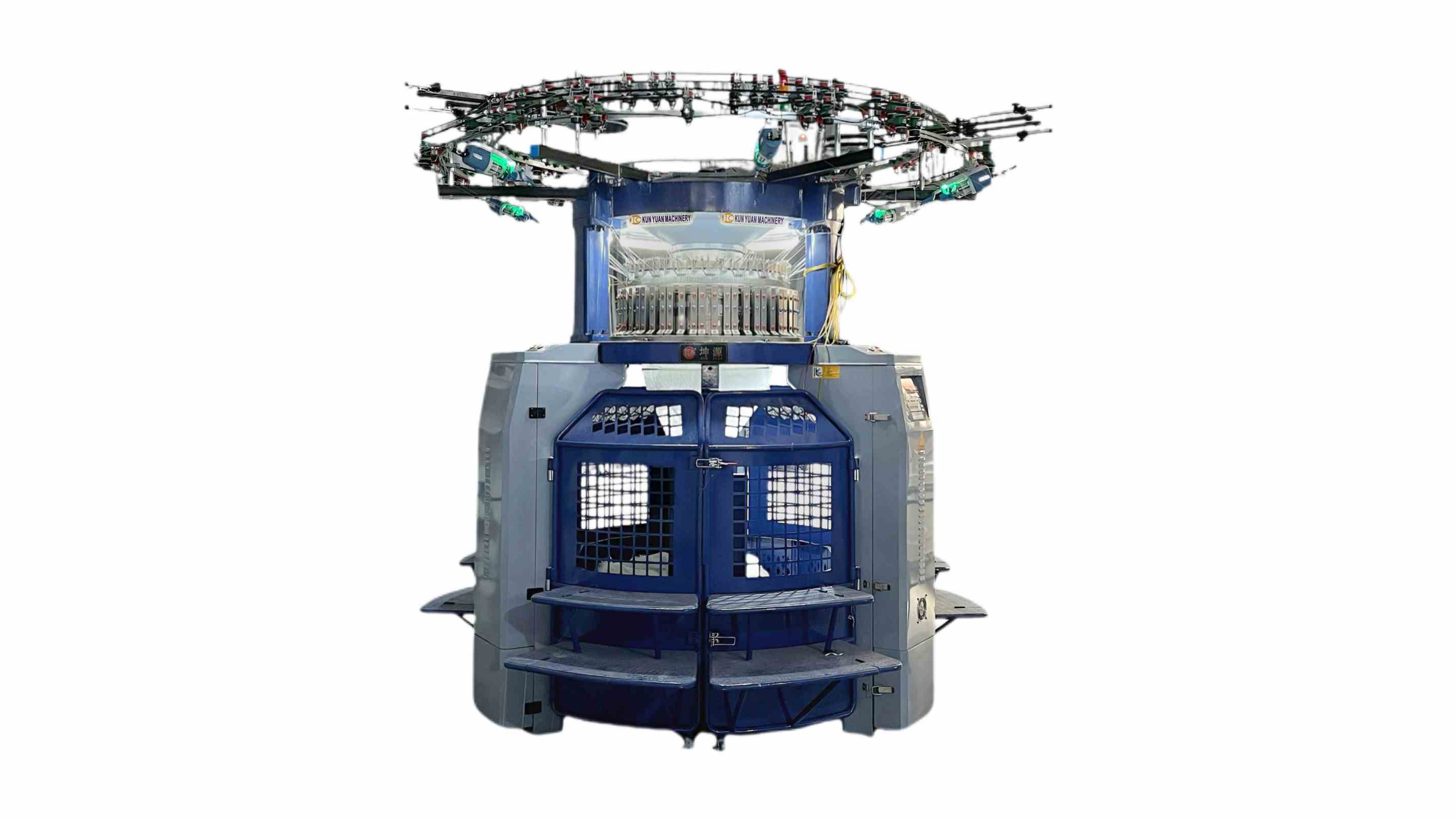
Evaluate a Knitted Fabric Raising and Intermediate Shearing Machine by incoming fabric, 1.75 m recorded width, pass plan, surface comparison and cleaning access....
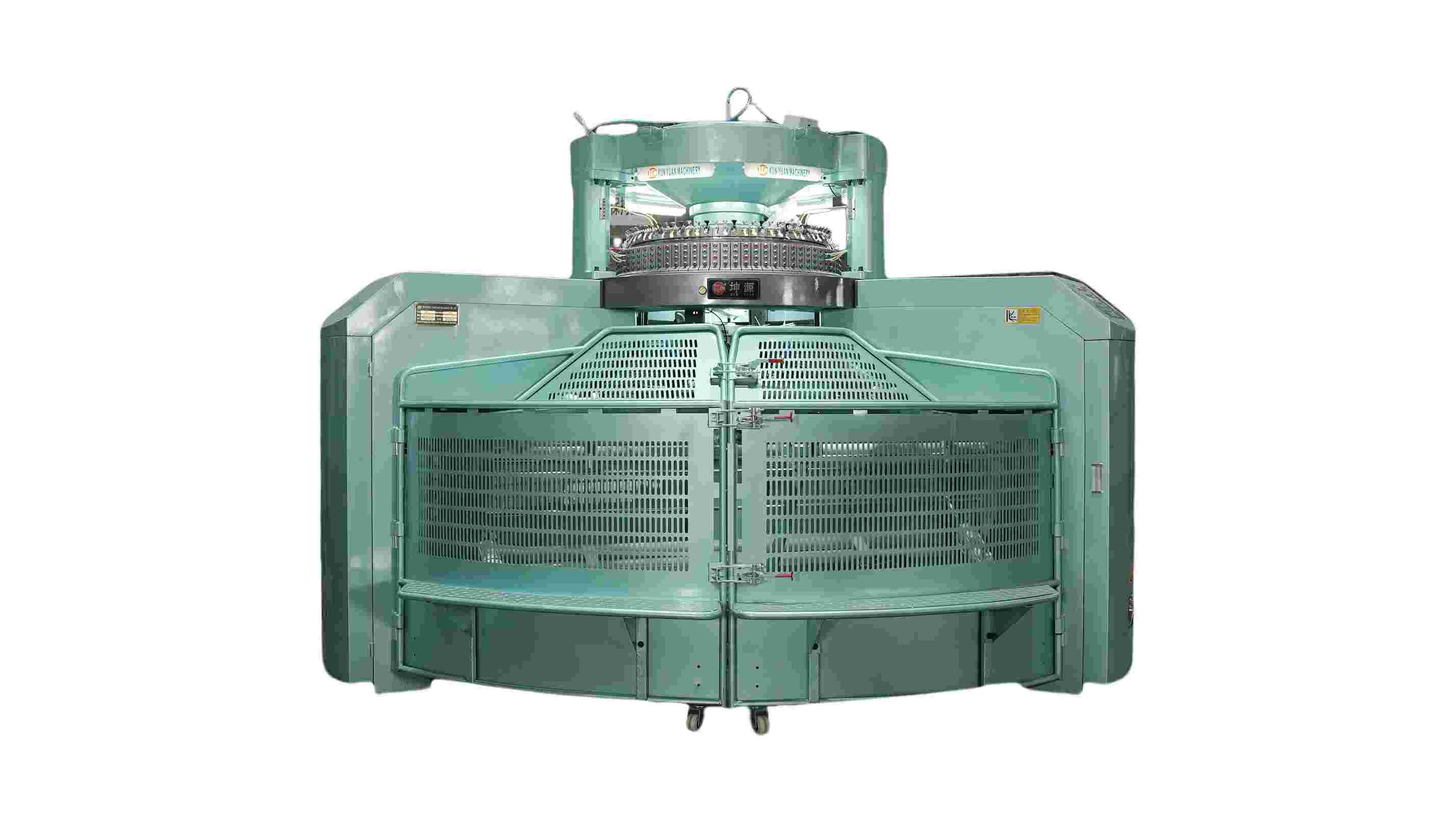
Specify a Pneumatic Open-Width Double Jersey Circular Knitting Machine by 34-inch/28G/72-feeder configuration, slitting position, edge control and roll-quality checks....
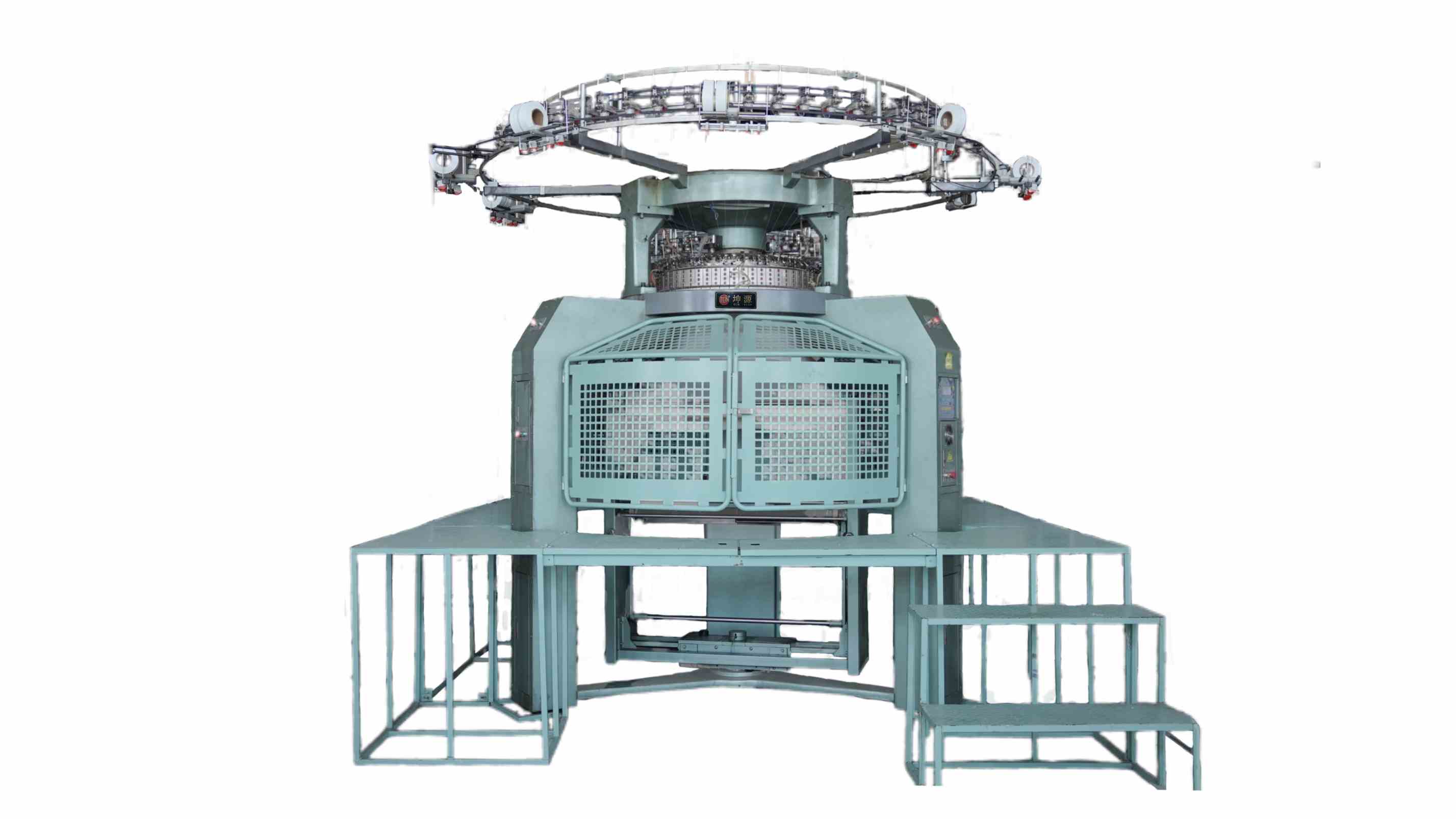
Specify a 34-Inch 18G 60-Feeder Pneumatic High-Foot Thread Circular Knitting Machine for collars, cuffs and waistbands using component-level trials....
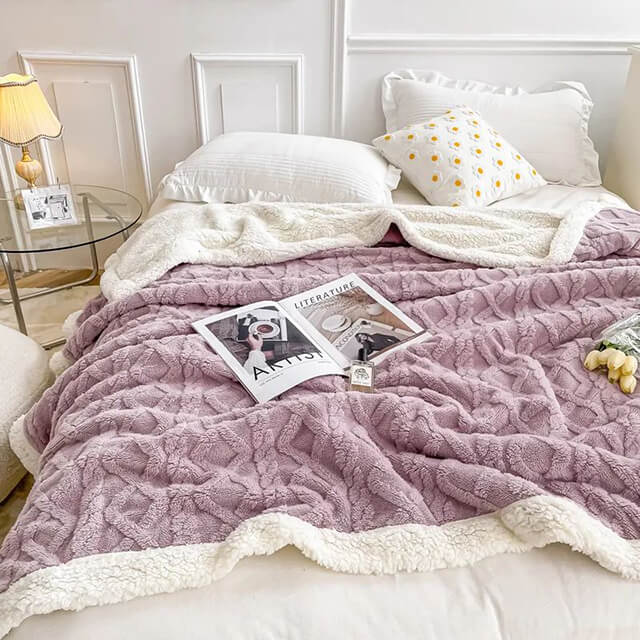
Convert artwork into patterned pile by protecting motif detail, coordinating yarn and selection, sampling matched coordinates and validating the finished surface....
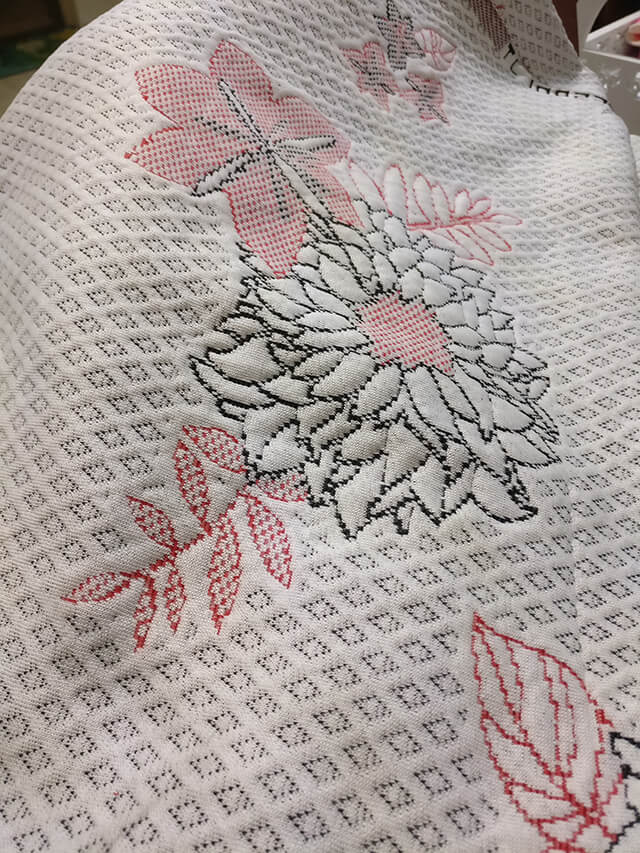
Develop double-jacquard patterned fabric by mapping face and back structures, needle selection, yarn allocation, difficult motif zones and repeat-order evidence....

 Tel: +86-13859034518
 Email: info@kunyuanmachine.com
 MP/WhatsApp: +86-13859034518
 Manufacturer Address:Bacuo Village, Yonghe Town, Jinjiang City, Fujian Province




Archived feedback emphasized smooth operation, accessible body-size adjustment and consistent fabric quality.2025-07-11

Compiled archived feedback for Body Size Circular Knitting Machine highlights size adjustment, smooth operation and consistent fabric quality; open the full summary for source notes and model-specific buyer checks.2026-08-20