


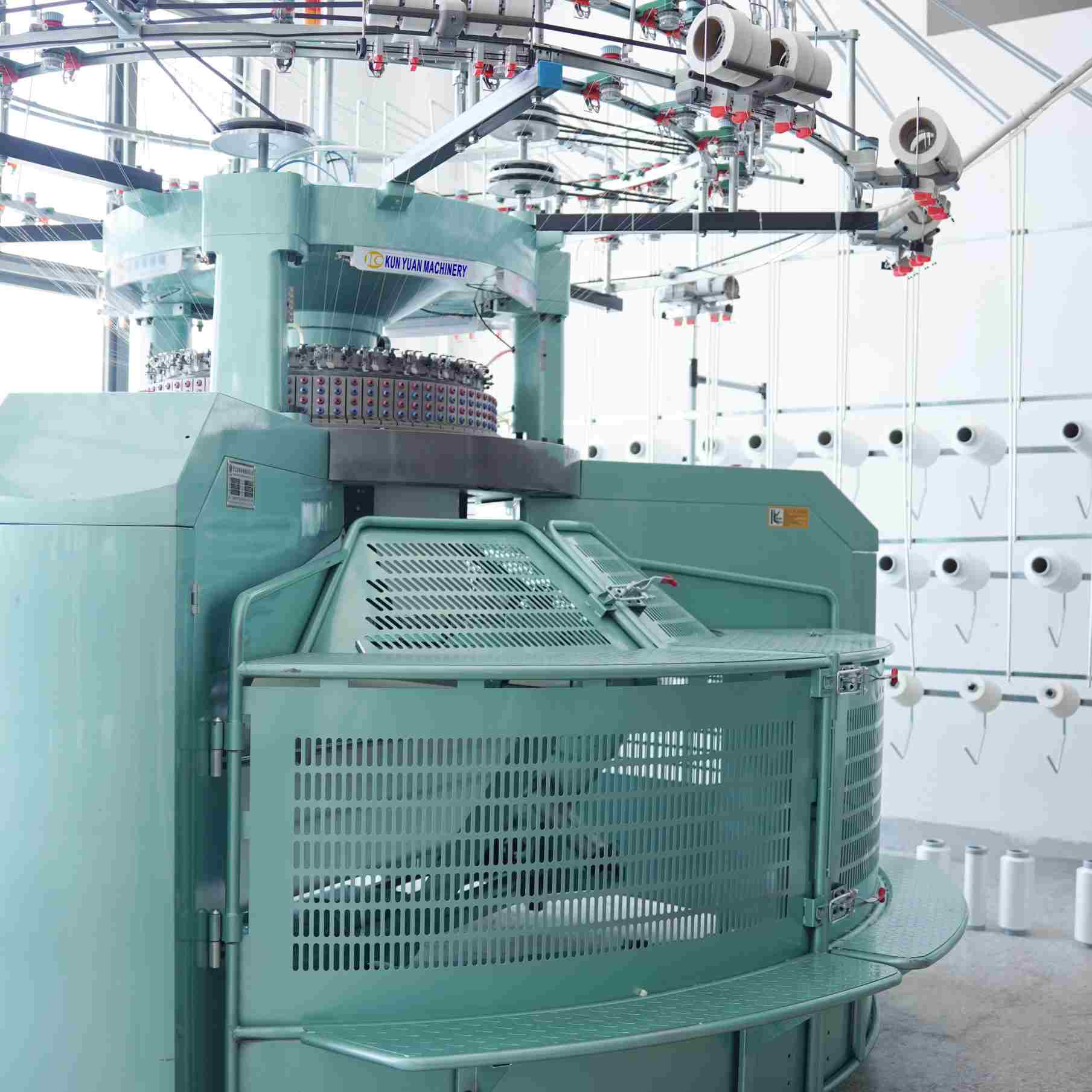
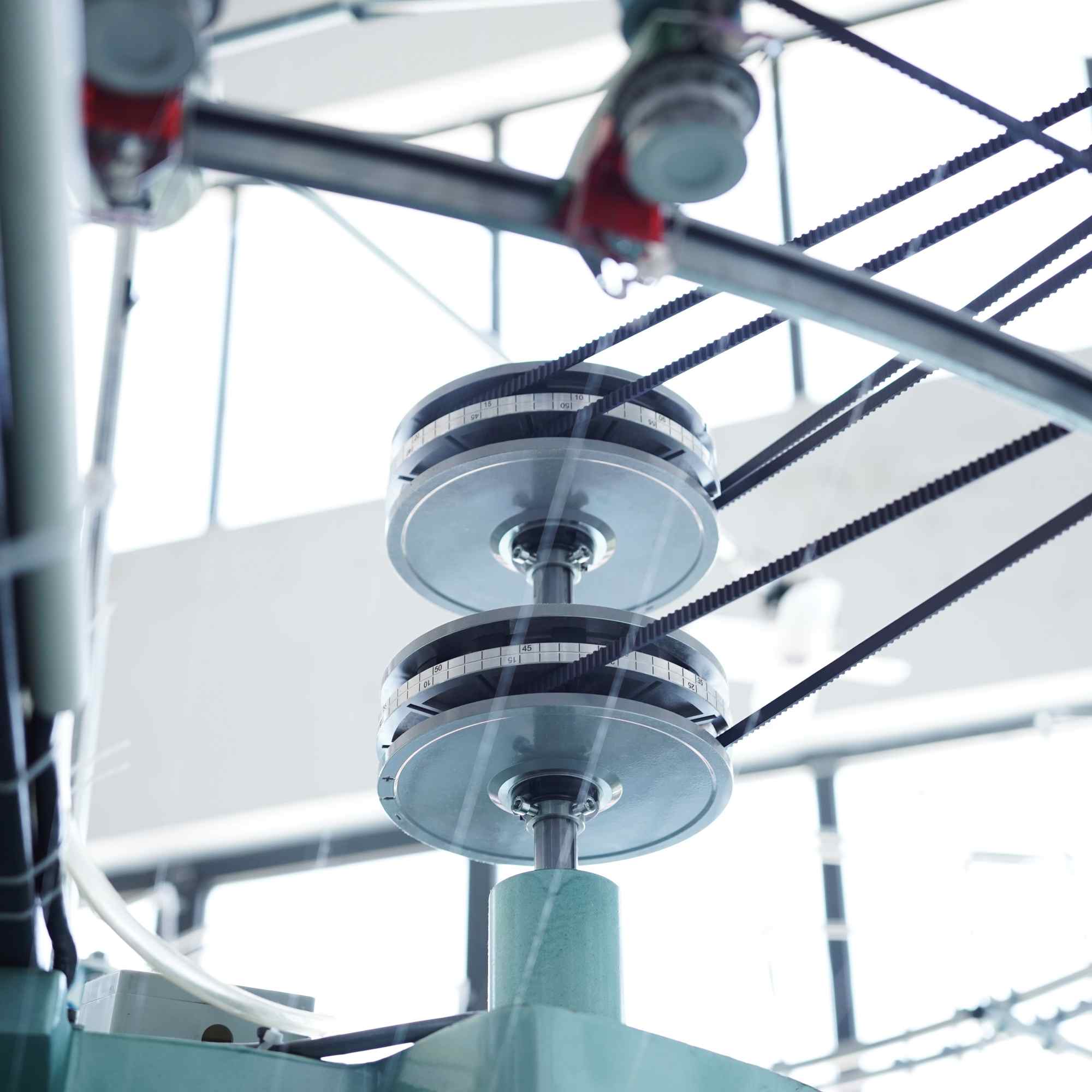

HMC/HMD separation
Use the offered cutter location, gauge and feeder list as one configuration; do not combine the two archived family ranges in a quotation.
 Price:
Negotiable
Price:
Negotiable
Model:
NET Weight:
Diameter:
Gauge:
16G-26G
Feeder:
12F-34F
Certification:
Applicable Yarn Material:
RPM:
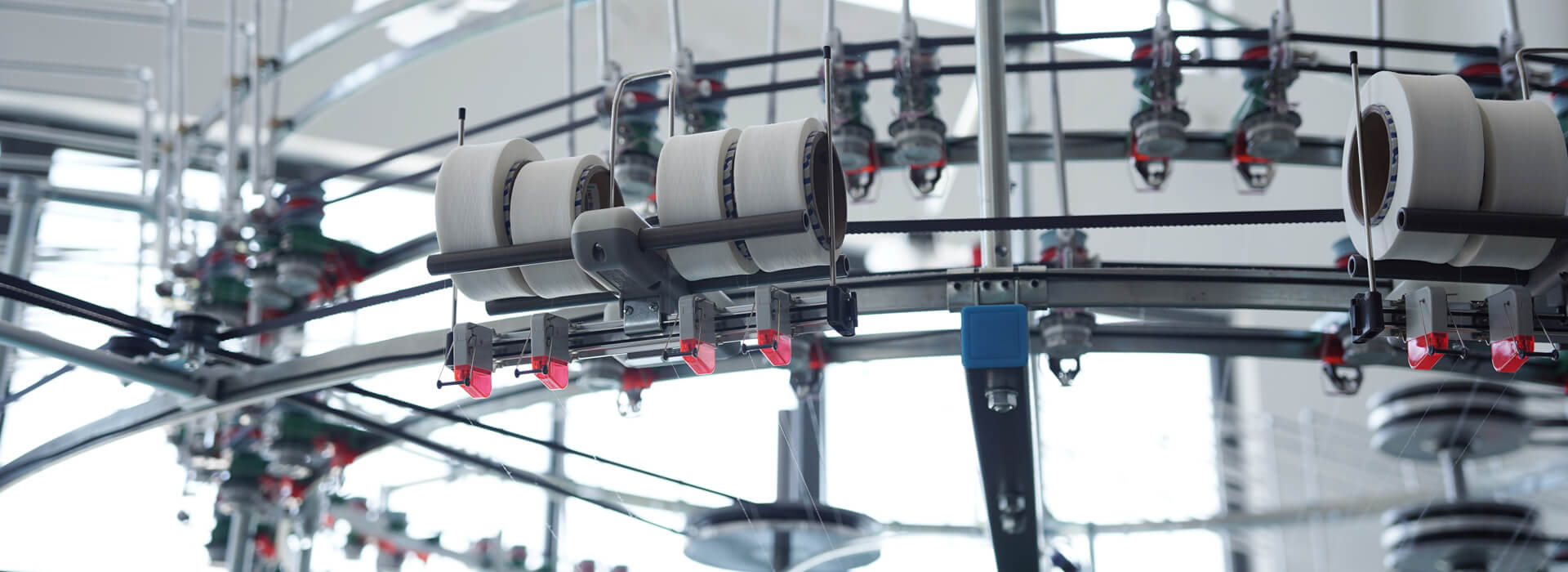
Cylinder cutter type. Short loop usually use cutter and hook separately. long loop usually use cutter&hook in one.
Wooden Box Size:
2.25M*2.23M*2.25M
Place of Origin:
CHINA.
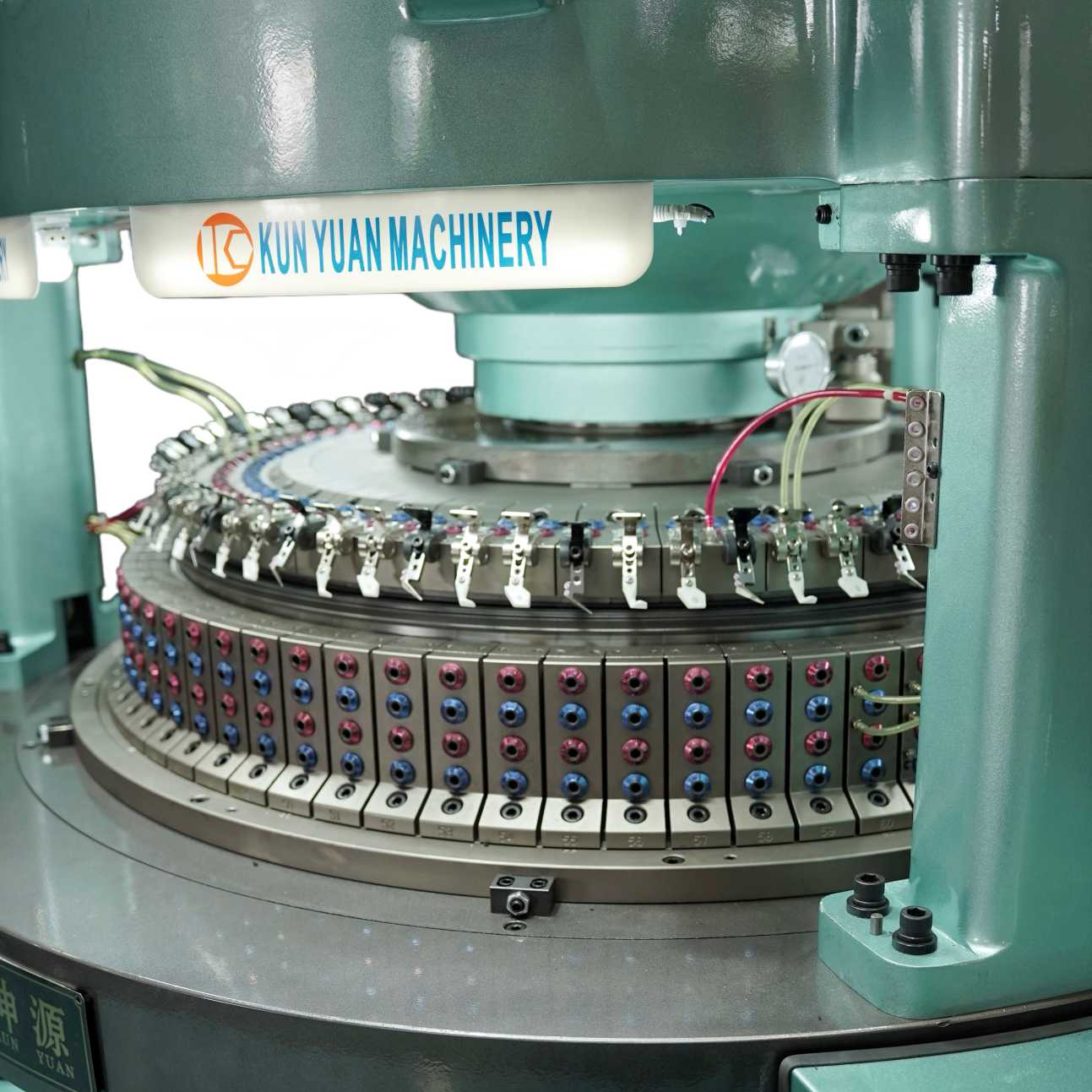
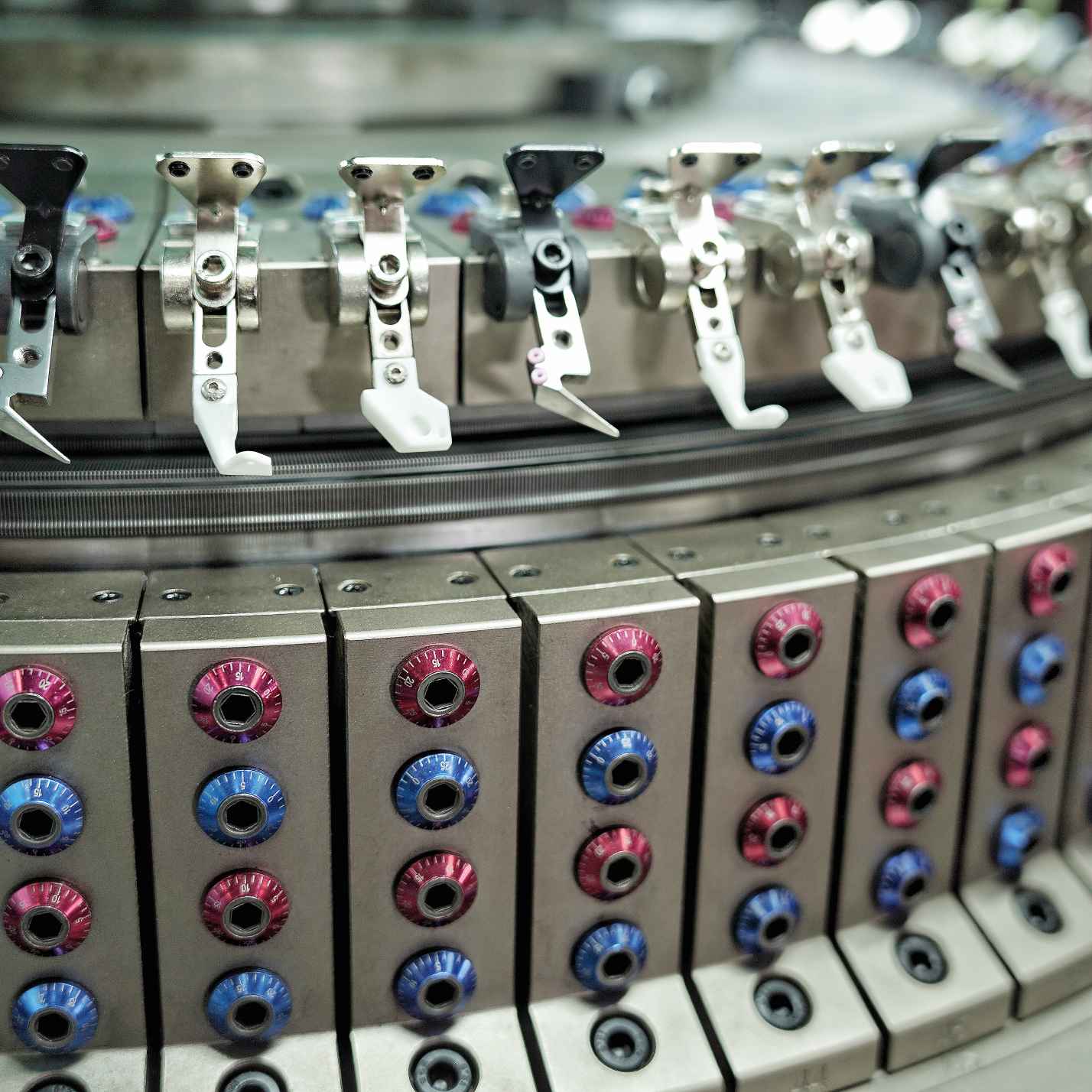
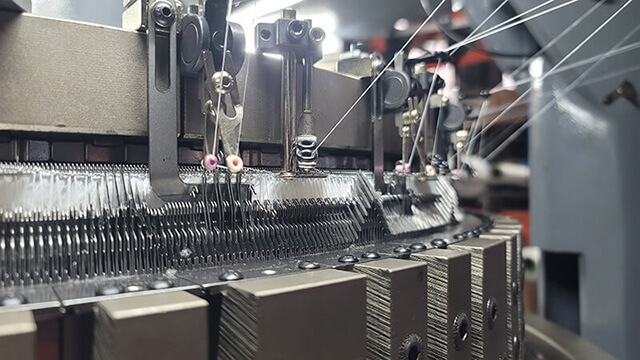
A high-pile surface depends on loops being formed and presented consistently before they are cut. If pile yarn tension, backing construction or take-down drifts, a sharp cutter cannot recover a uniform surface. The archived Kunyuan record distinguishes HMC cylinder-cutter and HMD dial-cutter routes. HMC is listed at 18–48 inches, 16G–26G and 12F–34F; HMD is listed at 16G–22G and 30F–72F, with a 38 inch/22G/60F example.
The old page also states that short loops commonly use separate cutter and hook components, while longer loops may use a combined cutter-hook arrangement. This is a useful selection clue, but the buyer still needs to submit the intended pile yarn, backing, loop/pile appearance and finishing method. Clothing, toy and home-textile applications have different surface and durability requirements.
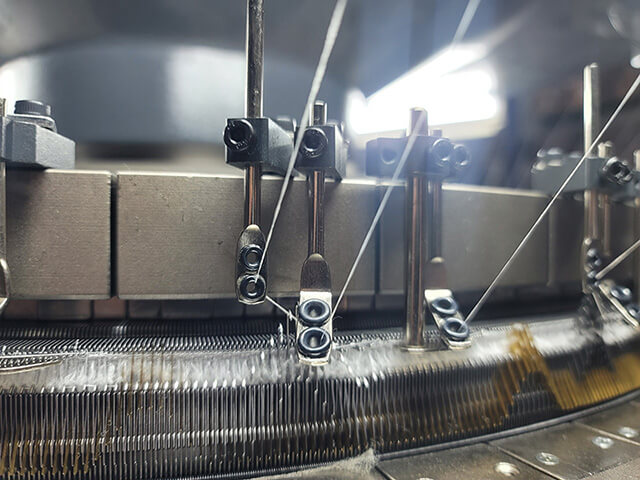
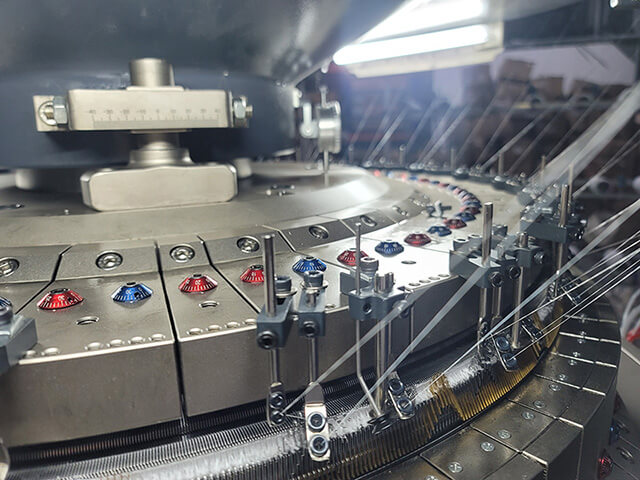
Ask which side of the knitting assembly carries the cutting action and why that arrangement suits the sample. The quotation should identify cutter/hook type, gauge, feeder count, expected loop range, backing yarn and take-down. If a cam conversion to interlock is required, list the change parts and the separate acceptance fabric; do not assume a pile setup and an interlock setup share one performance result.
Pile height adjustment must be paired with a cutting inspection. Longer loops may require a different cutter/hook arrangement and create more loose fibre. Short, dense surfaces put different demands on needle, hook and backing stability. A physical sample is more reliable than a generic “adjustable pile” statement.
| Decision | HMC/HMD question | Evidence needed |
|---|---|---|
| Cutter location | Cylinder cutter or dial cutter for this fabric? | Marked mechanical configuration |
| Loop length | Separate cutter/hook or combined cutter-hook? | Selected parts and labelled pile sample |
| Backing structure | Which yarn and construction anchor the pile? | Backing view, yarn lots and settings |
| Gauge/feeders | Exact HMC or HMD setup, not mixed archive ranges | Needle, hook/cutter and feeder list |
| Finishing | Brushing, shearing or other treatment after knitting | Before/after surface and width record |
Use the planned ground and pile yarns, then retain settings for loop formation, cutter/hook arrangement, speed and take-down. Inspect across the fabric width for missed cuts, uncut loops, pile-height bands, thin backing areas and marks that repeat at one machine location. Gently separate the pile to view anchoring and the base fabric rather than judging only the soft face.
The archive contains one 38 inch production example: gray width 220–230 cm, finished width 150–220 cm and 350–400 kg per 24 hours, with specified ground/pile yarn examples and GSM conditions. Treat it as a condition-bound reference, not a guarantee. Any proposed output must state diameter, gauge, feeders, yarns, GSM, finished width, operating time and inspection losses.
Record cutter and hook inspection intervals for the ordered arrangement. Look for burrs, uneven wear, lint buildup and a change in cutting sound or load. A narrow uncut stripe may point to one cutter/hook or yarn path; a broad change in pile height may involve yarn tension, loop formation or take-down. Stop and trace the cause before increasing speed.
Keep the knitting/cutting zone clean using the supplied procedure and isolate the machine before entering it. Store rejected samples with their defect location and settings. That record helps distinguish a cutting issue from weak loop anchoring or a finishing problem.
The archive associates separate cutter/hook parts with shorter loops and a combined cutter-hook with longer loops. Confirm the exact arrangement from the required pile sample and ordered model.
No. It belongs to stated 38 inch, yarn, GSM and width conditions. Request an output estimate for the proposed configuration and define how stops, waste and inspection are counted.
Inspect backing coverage, loop anchoring, holes, thin zones and yarn damage. A uniform surface can still hide a weak base that fails during finishing or use.
Agree on a surface sample, missed-cut limit or inspection method, spare cutter/hook list and maintenance interval. Retain the parts/configuration record with the trial roll.
High Pile Cutting Circular Knitting Machine selection should connect HMC/HMD layout, loop formation and cutter condition to a full-width fabric result. The archived gauge, feeder and 38 inch production examples guide the discussion; a labelled backing/pile sample and condition-bound output record protect the actual purchase decision.
The machine first forms an anchored pile loop and then presents it to the ordered cylinder- or dial-cutter arrangement. Surface quality depends on both stages.
Use the offered cutter location, gauge and feeder list as one configuration; do not combine the two archived family ranges in a quotation.
Track the separate or combined cutter-hook choice, wear, missed cuts and lint so a surface stripe can be traced to the correct component.
Part the pile and inspect anchoring, holes and thin zones, then retain the face and backing views with the settings and finishing sample.

 Tel: +86-13859034518
 Email: info@kunyuanmachine.com
 MP/WhatsApp: +86-13859034518
 Manufacturer Address:Bacuo Village, Yonghe Town, Jinjiang City, Fujian Province
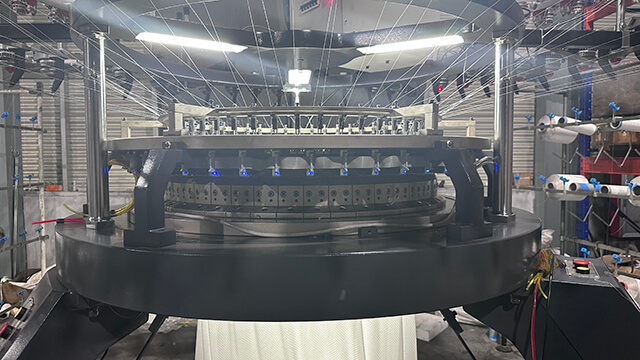
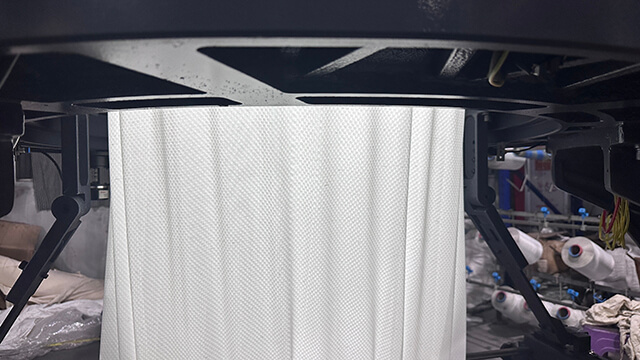



Archived feedback described efficient operation, limited interruption and repeatable high-pile jacquard appearance.2025-07-11

Archived feedback focused on cutting precision, consistent high-pile appearance and routine operating convenience.2025-07-11

Compiled archived feedback for High Pile Cutting Circular Knitting Machine highlights pile height, cutting consistency and routine operating convenience; open the full summary for source notes and model-specific buyer checks.2026-08-20