

Hot Keyword:
Author:KUNYUAN Machine Manufacturer TIME:2026-10-14
A bare-looking patch can describe missing elastane, exposed elastane, disrupted plating or a surface change revealed by stretching. Those observations require different investigations. Begin with a marked piece that shows exactly what the complaint means on both fabric faces.
Memminger-Iro describes MER 4 as positive feeding for plain elastane and distinguishes sensor assemblies with different yarn geometry and compatibility. Groz-Beckert explains how latch wear and geometry can damage yarn or affect plating. Together these sources support checking the complete yarn-to-loop route rather than assuming every bare spot needs more feed tension. They do not prove which equipment is installed on the mill's machine.
Build a fault map using the actual product, elastic yarn and allowed operating range. The investigation below recommends a sequence of observations, not tension values or a retrofit. Keep material on hold until the distinction between missing yarn and displaced yarn is resolved. A visible improvement under one stretch state is insufficient if the approved relaxed appearance or recovery becomes worse.
Label the technical face and reverse, then photograph the same marked area relaxed and at the buyer's defined extension. Use a suitable inspection method to determine whether elastane is absent, broken, floating or present in an unexpected position. Record the uncertainty when the yarn path cannot be identified reliably; do not turn a visual nickname into a confirmed diagnosis.
Trace the affected area along the roll. A recurring width position, a horizontal band after a stop and scattered spots after package changes produce different evidence trails. Note the first observed point, repeat pattern, affected feed information where traceable, and recent operator events. Keep an unaffected neighbouring sample for comparison under identical lighting and extension. That paired record is the starting point for the next intervention.
| Observation | Evidence to retain | Investigation branch | Do not infer |
|---|---|---|---|
| Patch after package event | Package identity and event time | Unwinding and delivery | All feeds need retensioning |
| Repeated mapped position | Marked face/reverse band | Presentation and knitting elements | A needle is certainly broken |
| Exposure only when extended | Defined extension photographs | Coverage and plating relationship | Elastic yarn is absent |
| Change after finishing | Paired greige and finished pieces | Fabric response through finish | The feed device alone caused it |
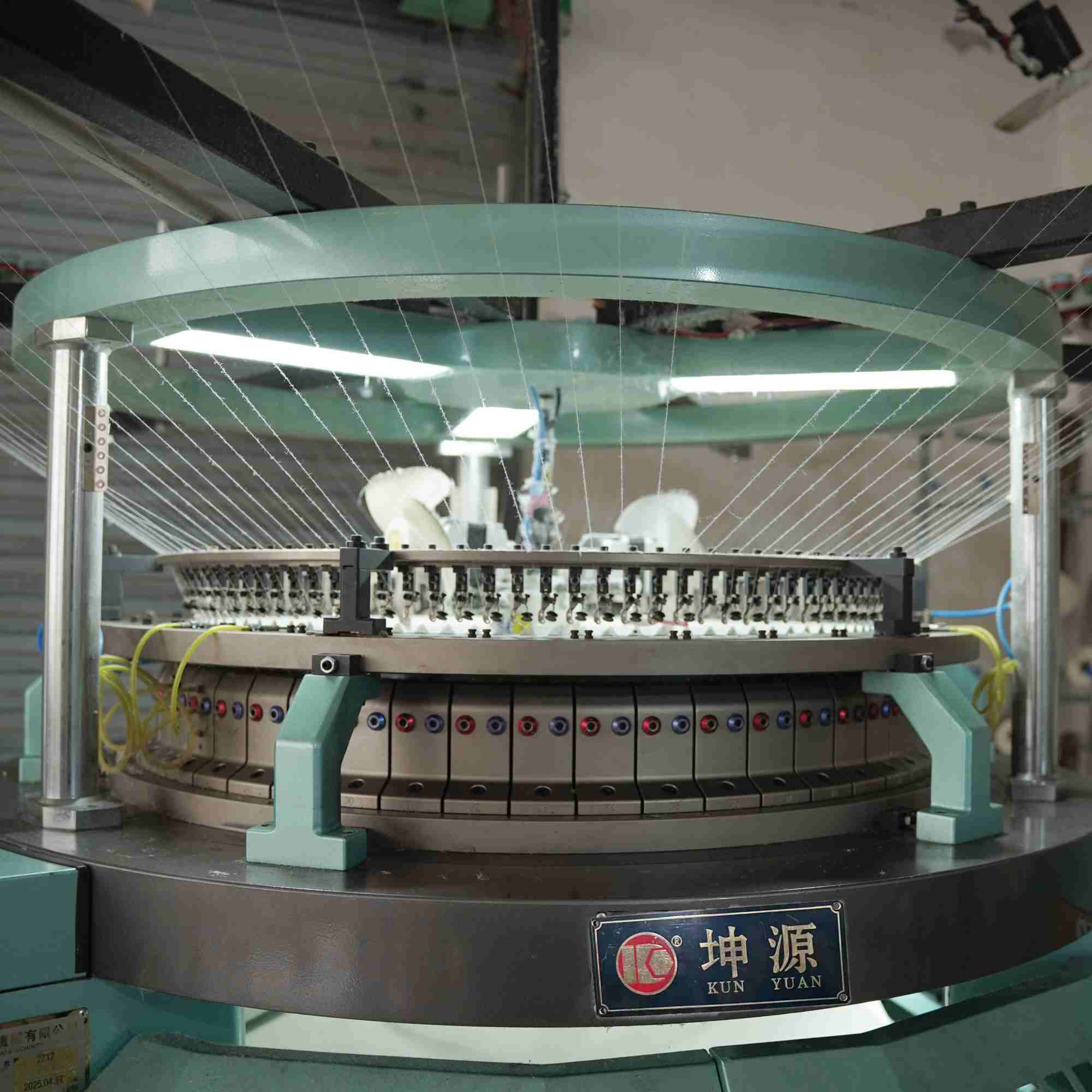
Verify the elastic yarn identity, lot, package condition, winding direction and intended delivery arrangement. Inspect accessible guides, rollers and monitoring points using the machine's approved procedure. Record contamination, intermittent package unwinding or visible route differences without reaching into moving equipment. A stable average reading can conceal short disturbances, so relate observations to actual package and stop events.
Where the installed system permits a measured comparison, use the same instrument location and operating condition on affected and reference feeds. Obtain allowable ranges from the machine and yarn suppliers. The MER 4 example specifically shows why sensor variants and their geometry cannot be treated as interchangeable. Identify the fitted assembly before any qualified adjustment, and never bypass a yarn-break detector to make the trial continue.
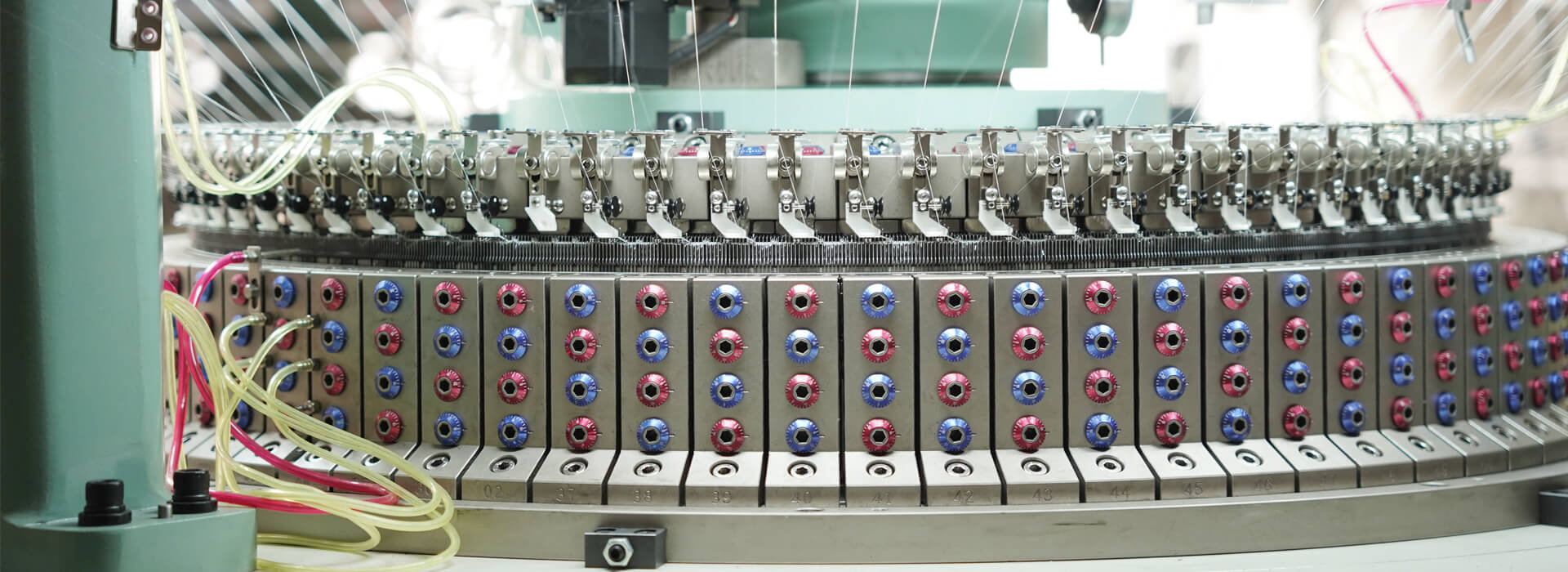
If the delivery route does not explain the mapped fault, have a qualified technician examine the relevant yarn presentation and knitting elements. Record the needle designation and observed latch or hook condition, including whether a suspect element corresponds to the marked fabric position. Groz-Beckert's latch leaflet supports this inspection path, but not indiscriminate replacement of every needle.
Preserve the last accepted guide and setting references before correcting a verified discrepancy. Changing the ground-yarn route, elastic delivery and stitch formation together destroys the comparison. Document one intervention and its expected observable effect. A change intended to improve plating must also be checked for yarn damage, dropped stitches and altered fabric behaviour rather than being judged only by whether the original patch becomes less visible.
Produce an identified comparison interval after the correction and preserve its start marker. Include the relevant trigger, such as a documented restart or ordinary package-handling event, within the approved trial. Compare affected and corrected bands at the same extension and relaxation conditions. A clean portion taken before the original trigger would leave the diagnosis untested.
Apply the intended finish and assess the order's appearance, extension and recovery criteria. Retain results for both faces, not just the promotional face. If the fault returns, restore the evidence trail and reconsider the cause classification instead of escalating tension repeatedly. The closeout should identify what changed, what test challenged the change, and which earlier material still requires a separate quality disposition.
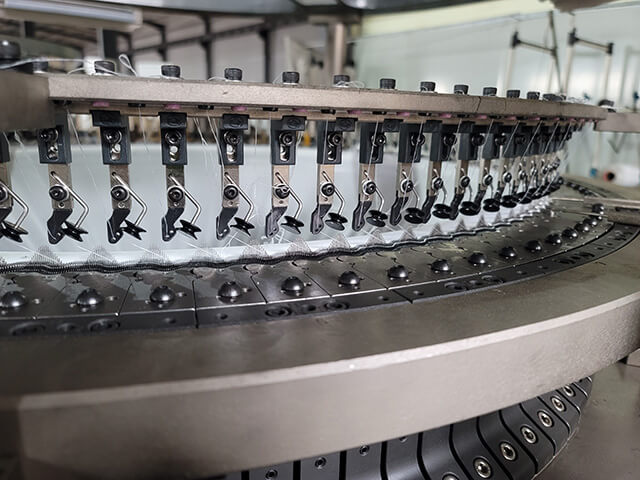
Shininess alone does not identify the yarn condition. Confirm whether the elastic is missing, displaced or more exposed under the inspection condition. Preserve both faces before choosing a repair path.
A machine-wide change is unjustified until the map shows a machine-wide cause. Start with the implicated route and a comparable unaffected reference.
Only where the exact manufacturer's compatibility instructions permit it. The reviewed MER 4 leaflet contains specific restrictions, so visual similarity is not enough.
Delivery and yarn reception are different stages. Damaged or unsuitable knitting elements can disrupt a yarn that reached the knitting area normally.
After a labelled repeat covers the original trigger and the finished fabric passes the specified appearance and elastic-response requirements.
A useful plating diagnosis narrows the uncertainty with each sample. The fabric map identifies where to look; package and delivery records test the supply explanation; knitting-element evidence tests yarn reception. Close the investigation with a finished comparison that exercises the original failure condition, so the accepted correction has a reason beyond a cleaner-looking short run.
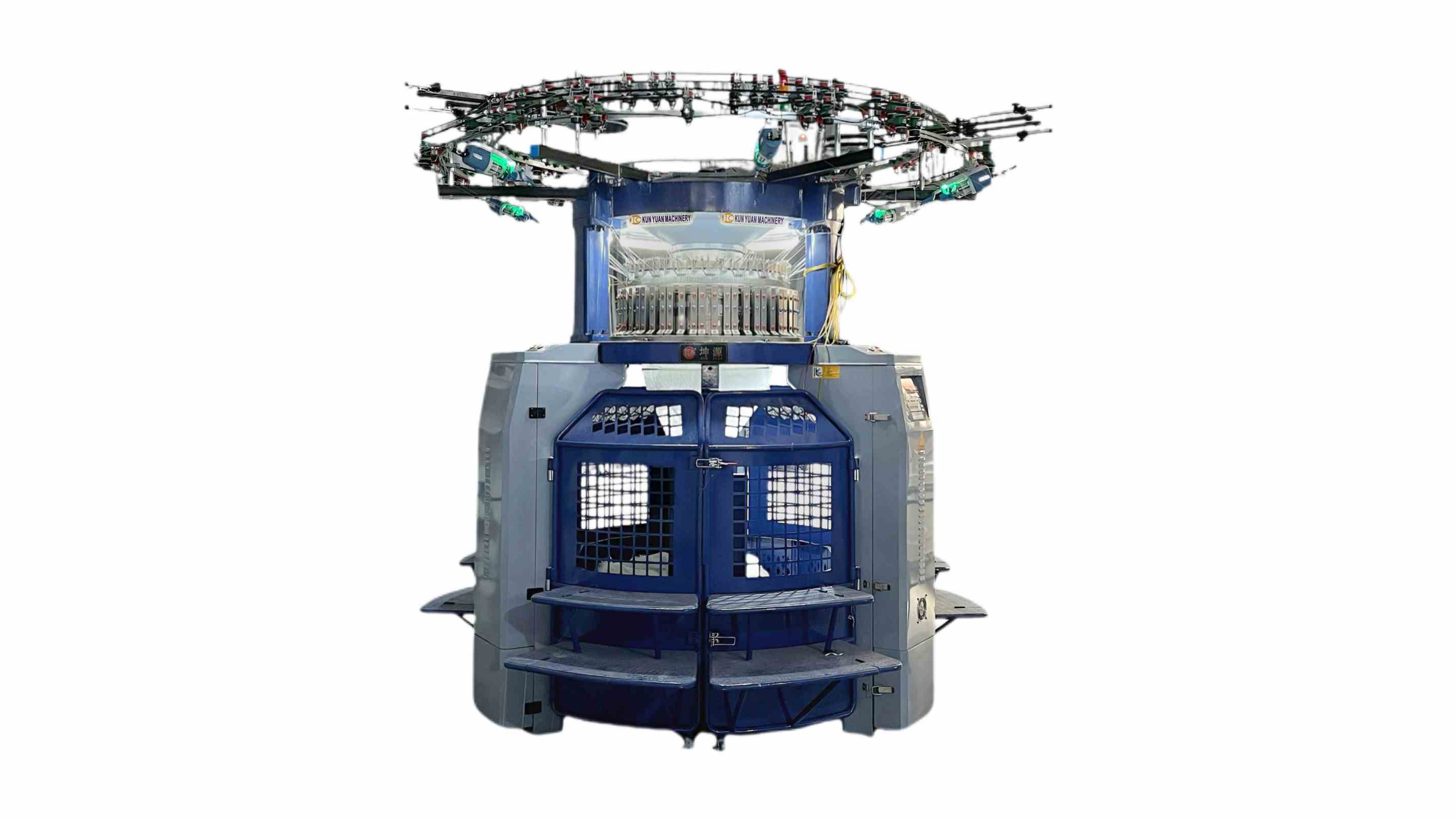
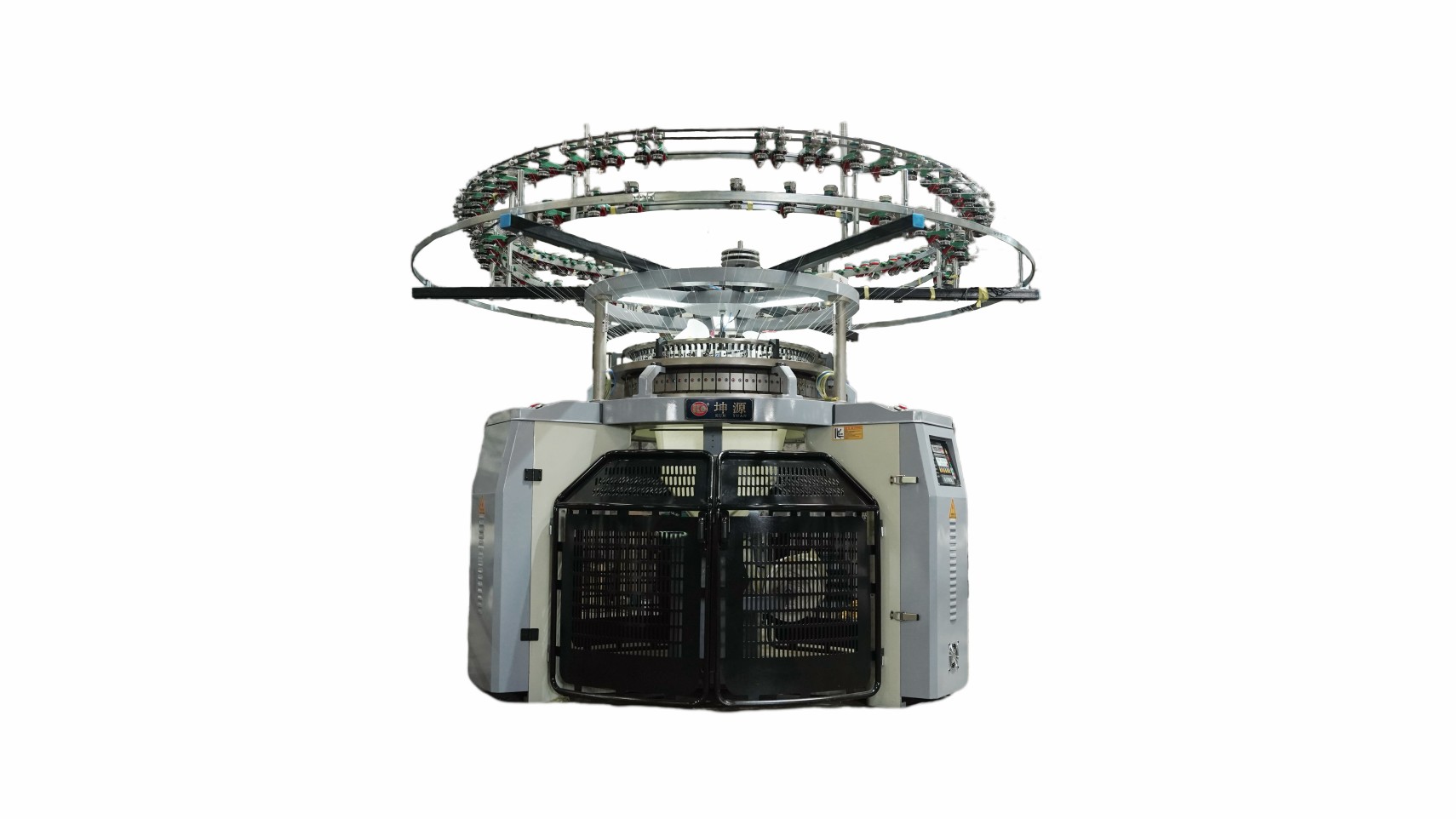
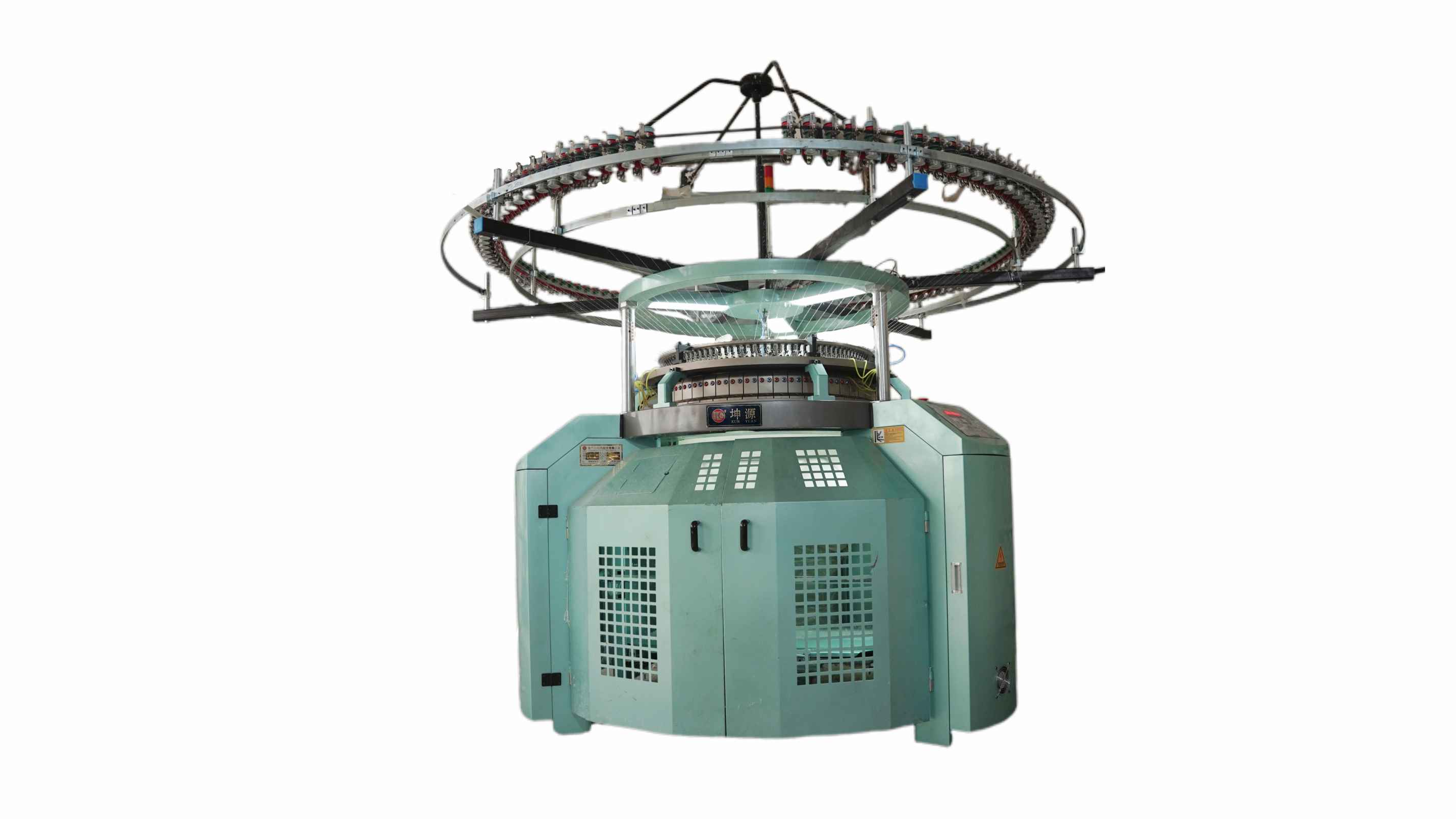
When specifying a single jersey circular knitting machine, identify the intended elastic yarn and ask for the compatible plating and feed arrangement to be documented in the trial scope.

 Tel: +86-13859034518
 Email: info@kunyuanmachine.com
 MP/WhatsApp: +86-13859034518
 Manufacturer Address:Bacuo Village, Yonghe Town, Jinjiang City, Fujian Province