



Selection map
Store the pattern revision and yarn/color allocation with each sample so a repeated motif fault is not confused with a cutting issue.
 Price:
Negotiable
Price:
Negotiable
Model:
NET Weight:
Diameter:
26’’-48’’
Gauge:
12G-24G
Feeder:
16F-27F
Certification:
Applicable Yarn Material:
RPM:
15-18RPM
Wooden Box Size:
2.7M*2.3M*2.5M
Place of Origin:
CHINA.
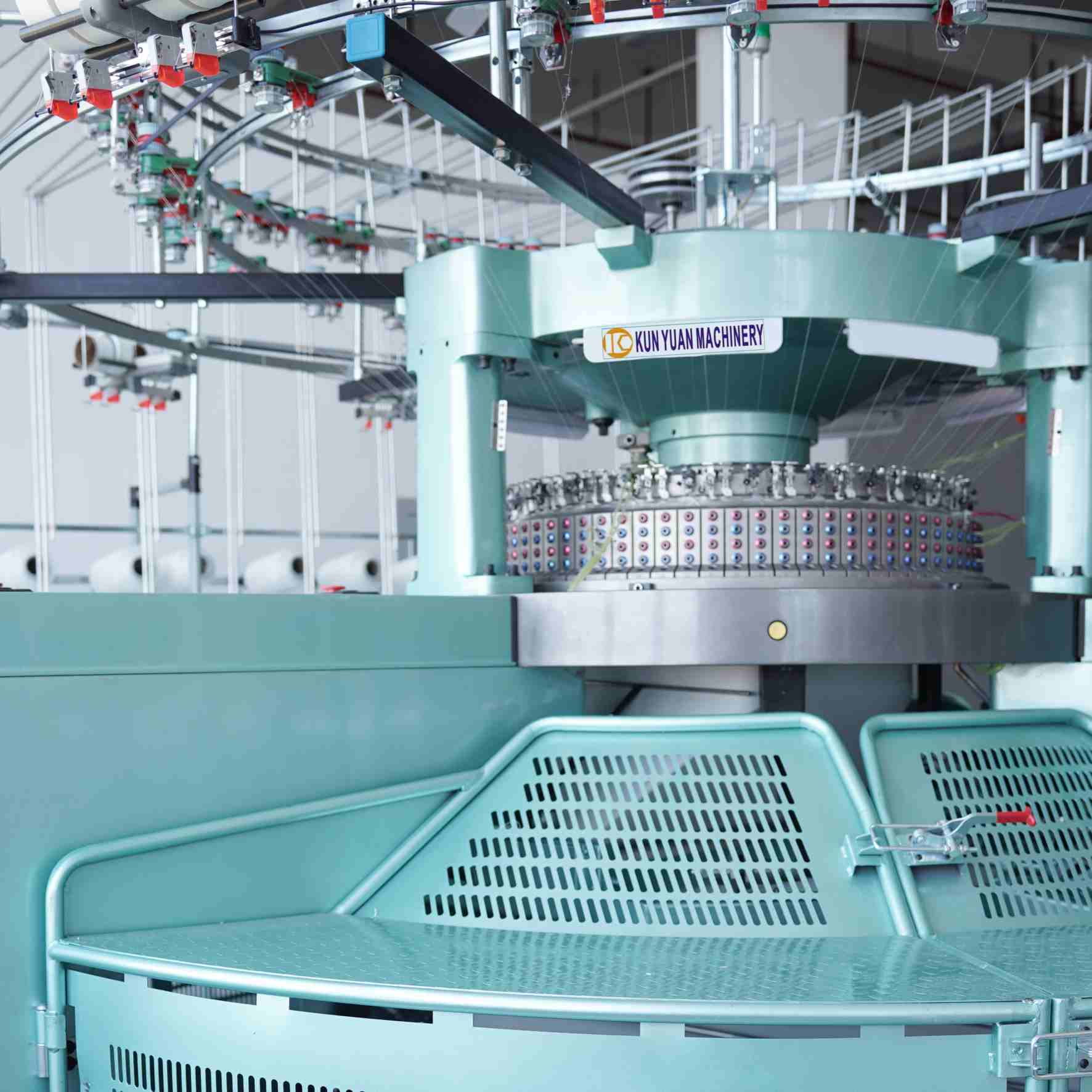
High-pile jacquard combines two demanding tasks: selecting the design and forming a pile that does not hide or distort it. The archived Kunyuan page records 26–48 inch diameter, 12G–24G, 16F–27F and 15–18 RPM. It lists 2-way or 3-way jacquard, dial or cylinder placement, dial- or cylinder-cutter choices, and optional fur/pile height from 5 mm to 20 mm.
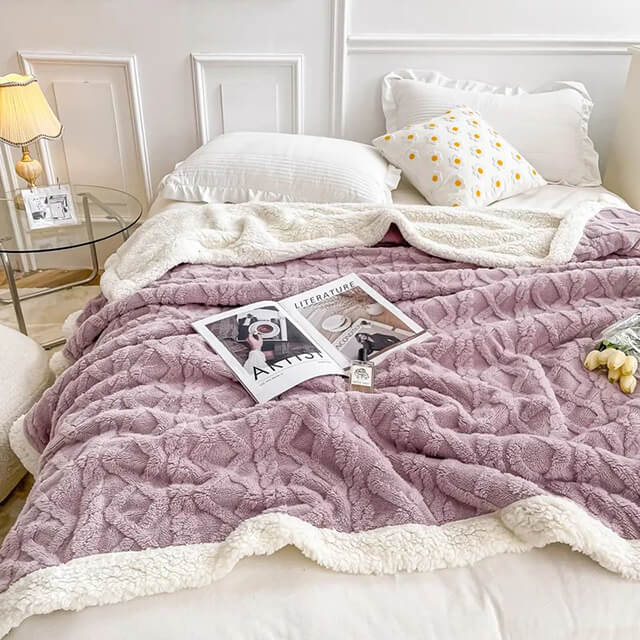
Those options should be narrowed by a real pattern and surface sample. A 20 mm pile may soften small edges that remain clear at 5 mm; a 2-way design and a 3-way design may need different yarn allocation and selection logic. Clothing, home textiles and toys also use different backing, finishing and shedding checks.
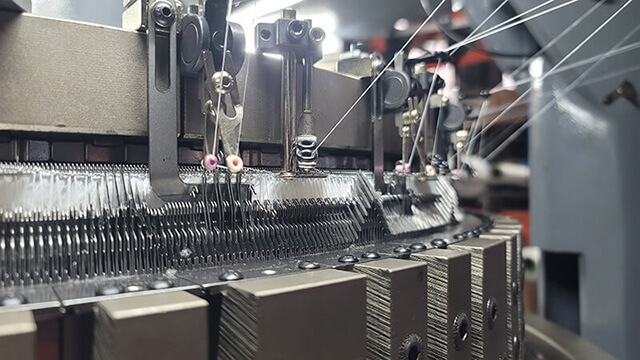
Ask Kunyuan to identify where the jacquard selection acts and where the cutting mechanism is placed on the offered model. The design file or selection map should be linked to the pile yarn, ground/backing yarn, gauge and feeder layout. If dial and cylinder alternatives are both discussed, keep their configuration and trial results separate.
The pile-height option describes a starting mechanical choice. Yarn shrinkage, loop formation, cutting and finishing can change the visible height and hand. A quotation should therefore name the proposed pile range and the method used to measure the finished surface.
| Specification decision | What can change | Required proof |
|---|---|---|
| 2-way or 3-way jacquard | Color/structure possibilities and yarn allocation | Approved selection map and pattern file |
| Dial or cylinder location | Machine layout, selection and maintenance access | Offered configuration drawing |
| Dial or cylinder cutter | Cutting path and suitable pile construction | Cutter/hook parts list and sample |
| 5–20 mm pile option | Edge clarity, hand, fibre load and finishing response | Finished height measurement and close-up |
| Backing/yarn plan | Anchors pile and controls reverse-side stability | Face/back sample with yarn lots |
Use a repeat containing fine lines, medium motifs and a larger field. This shows whether the chosen pile height hides detail or creates uneven color areas. Record the 2-/3-way setting, file revision, yarn allocation, cutter arrangement, stitch settings, speed and take-down. Take samples across the width and at more than one roll position.
Inspect pattern registration, color boundaries, pile height, missed or uneven cuts, loose fibre, backing coverage and the reverse. Then process part of the same run through the intended brushing, shearing, washing or other finish. Compare pattern clarity and height again. If the product will become a toy or upholstery item, perform the buyer’s downstream safety or durability tests separately; the machine trial should not imply certification it did not perform.
A motif error that repeats with the design may come from the file, selector or yarn allocation. A fixed narrow line can indicate a needle, feeder, cutter or hook location. A broad surface change may involve pile yarn, take-down or finishing. Record these patterns before adjusting multiple settings at once.
Control file revisions and retain the accepted map. Inspect selection components, yarn paths, cutters/hooks and lint accumulation according to the supplied schedule. The 15–18 RPM record is meaningful only with the specified pattern, pile height, yarn and inspection result. Isolate the machine before cutter, needle or selection-system work.
Choose from the required design and yarn/color allocation. Submit a representative repeat and ask for the proposed selection map and a labelled fabric trial before fixing the option.
Not necessarily. The archive lists 5–20 mm options, while yarn, cutting and finishing affect the final measurement. Define where and how finished pile height is measured.
It changes the machine layout, selection/cutting route and service access. Ask for a drawing of the offered arrangement and keep its sample separate from any alternative layout.
Trial small edges and larger fields at the proposed pile height, inspect after finishing, and adjust the design scale, yarn allocation or pile configuration only from that fabric evidence.
High Pile Jacquard Circular Knitting Machine must be approved as a combined pattern, pile and backing system. The archived 26–48 inch, 12G–24G, 16F–27F and 5–20 mm option ranges set the boundaries; a traceable 2-/3-way trial and finished surface inspection decide which configuration belongs in the order.
The selected 2-/3-way pattern, dial/cylinder layout, yarn allocation and cutter path must preserve motif boundaries while forming a stable high-pile surface.
Store the pattern revision and yarn/color allocation with each sample so a repeated motif fault is not confused with a cutting issue.
Measure the finished surface rather than treating the 5–20 mm option as a guaranteed result independent of yarn, cutting and finishing.
Inspect pattern clarity, loose fibre and pile uniformity on the face, then check anchoring and stability underneath the surface.
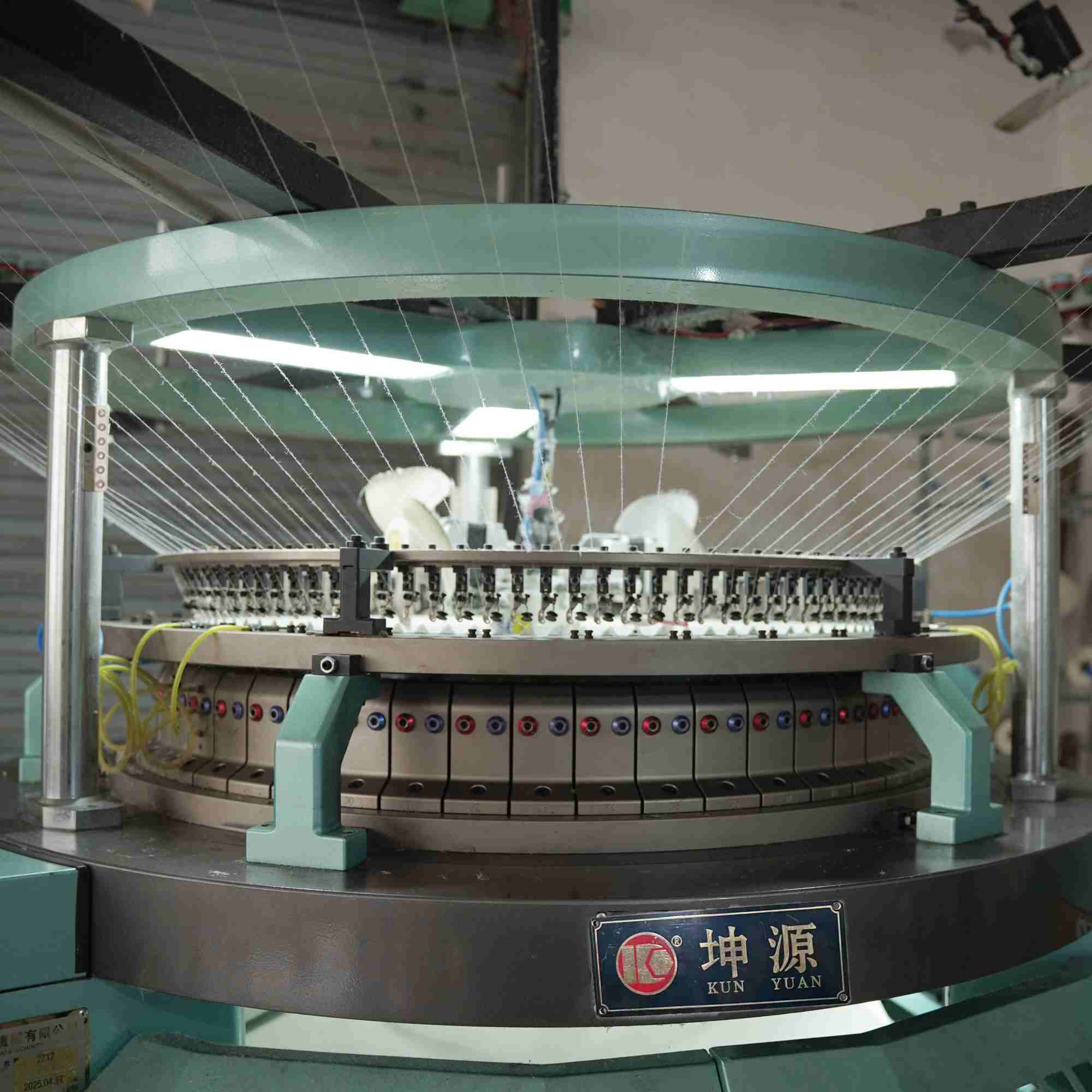
Compare Single Jersey Circular Knitting Machine options by yarn, gauge, feeder count and finishing route, with a practical trial checklist for fabric mills....
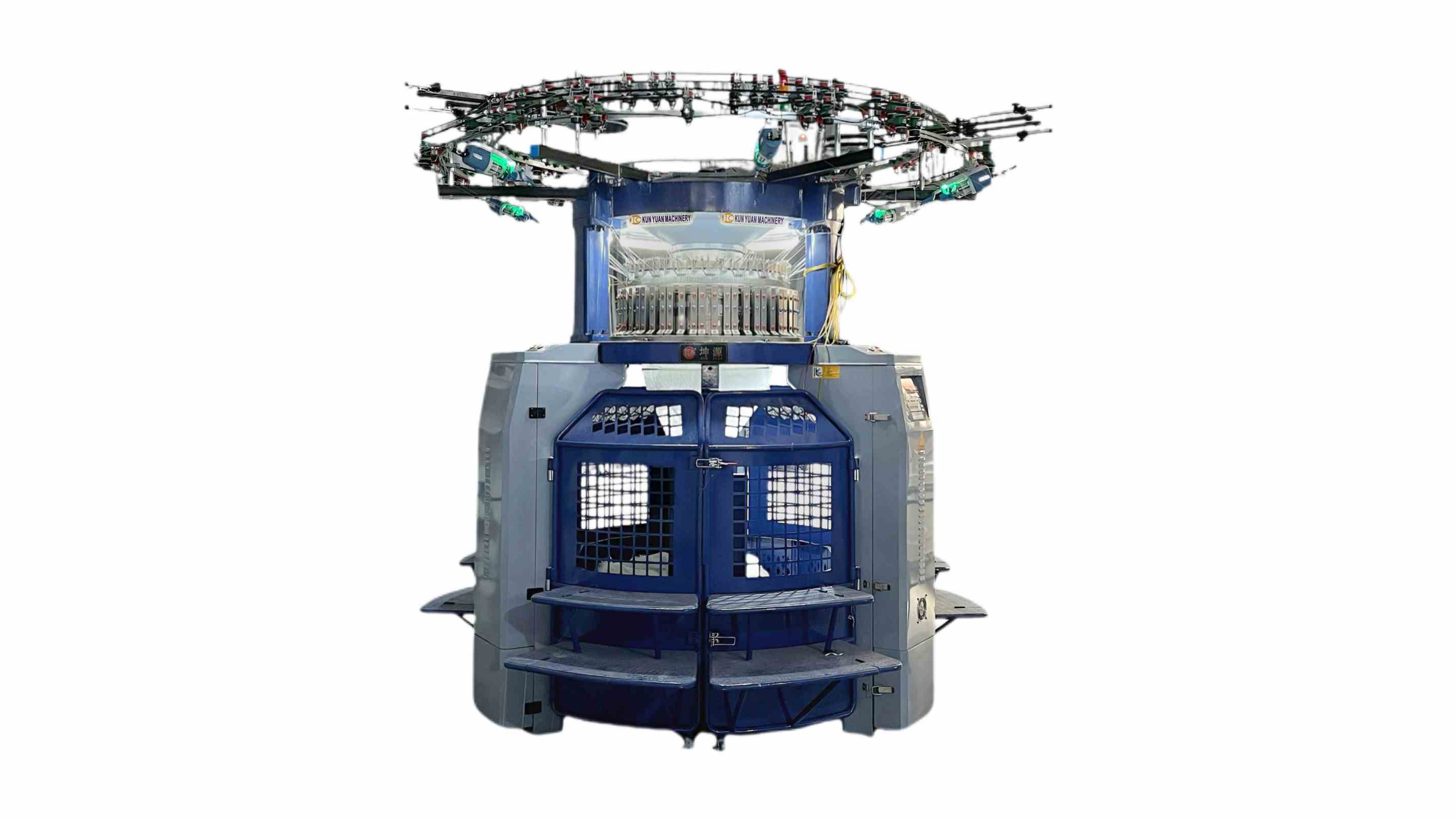
Compare Terry Jacquard Circular Knitting Machine TM/PM configurations, loop sinkers, cam options and greige-to-finished terry acceptance checks....

Assess a 38-Inch 24G 84-Feeder Double Jersey Circular Knitting Machine through cylinder/dial balance, roll-level defects and finished fabric measurements....
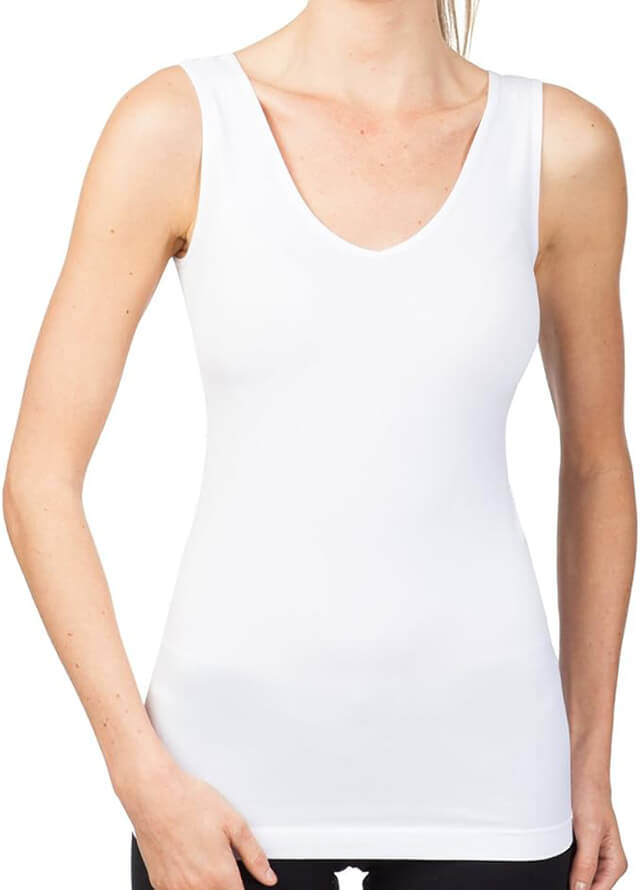
Plan body-size knitted garment panels from a finished size chart through cylinder mapping, relaxed measurement trials, graded-size approval and recipe control....
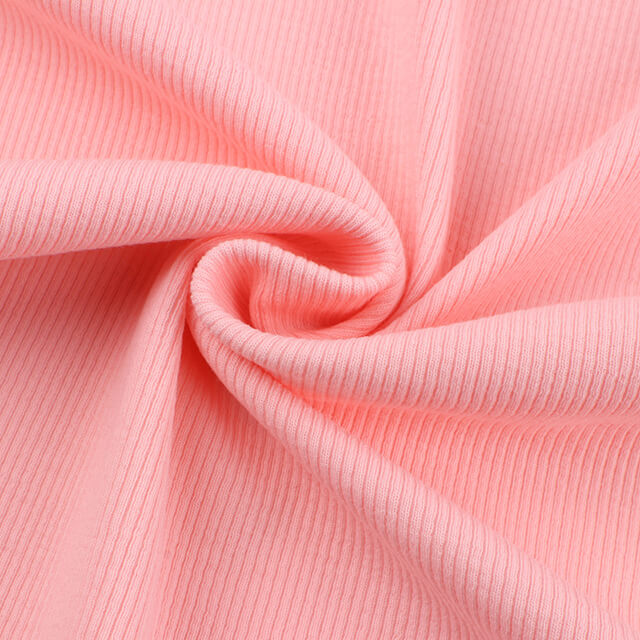
Engineer rib and elastic double-knit fabrics through cylinder-dial balance, yarn and elastane mapping, relaxed recovery tests, conversions and baseline restoration....

 Tel: +86-13859034518
 Email: info@kunyuanmachine.com
 MP/WhatsApp: +86-13859034518
 Manufacturer Address:Bacuo Village, Yonghe Town, Jinjiang City, Fujian Province




Archived feedback emphasized efficient operation, limited interruption and repeatable patterned pile appearance for high-pile jacquard production.2026-08-20