


Hot Keyword:
Author:KUNYUAN Machine ManufacturerTIME:2026-08-27
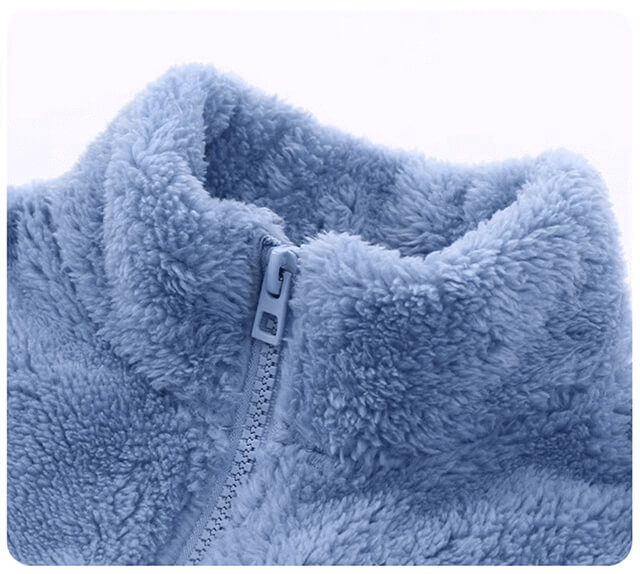
Plush and high-pile buyers may judge one photograph or small sample while overlooking the relationship between loop formation, holding stability, cutter condition, take-down and finishing. A solution must show where a defect begins and whether the accepted surface can be repeated after stops, package changes and normal maintenance.
Start with the finished article. Define pile height or visual target, density, direction, handle, ground stability, width and planned treatment. Names such as velvet, faux fur or plush describe commercial ideas but do not establish one common configuration.
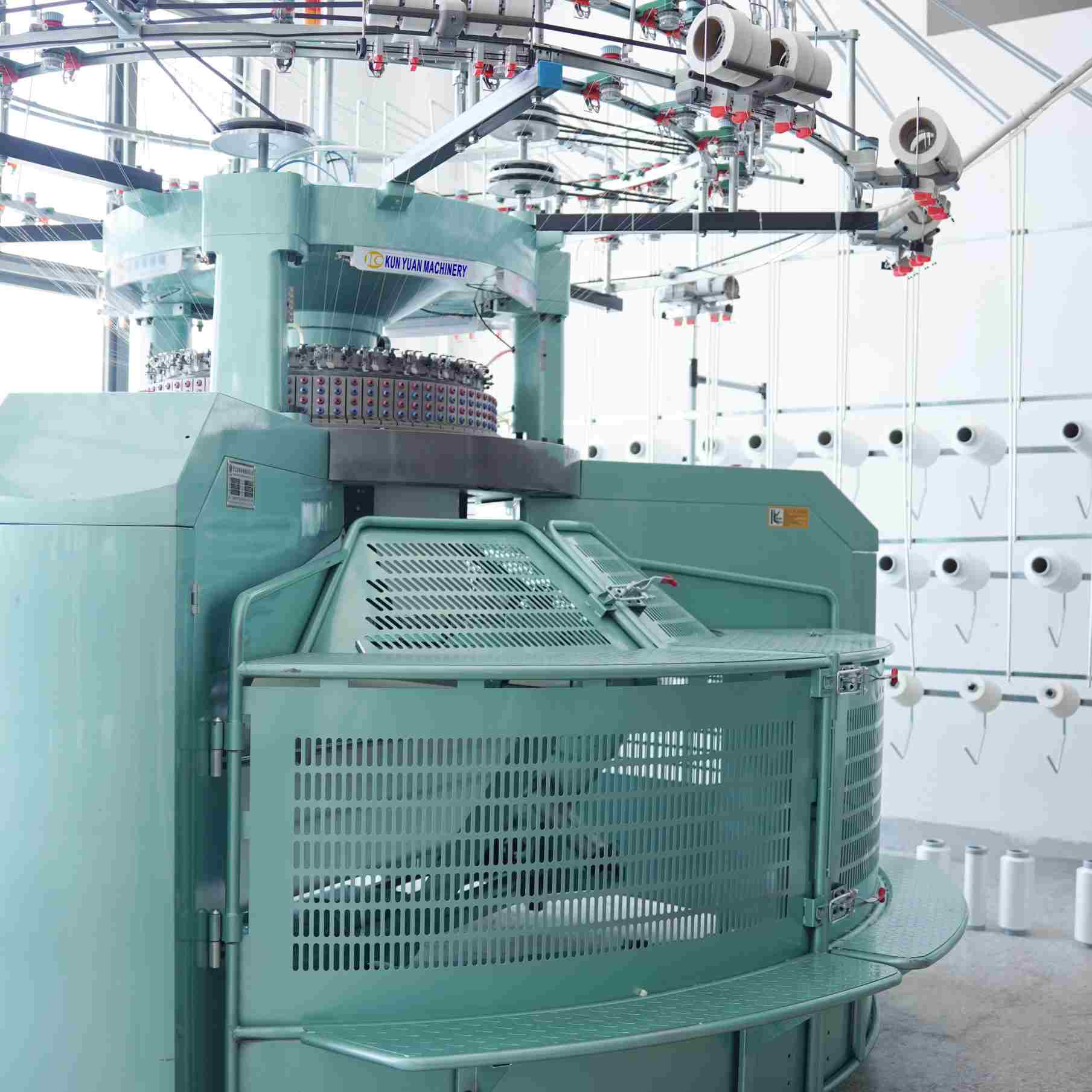
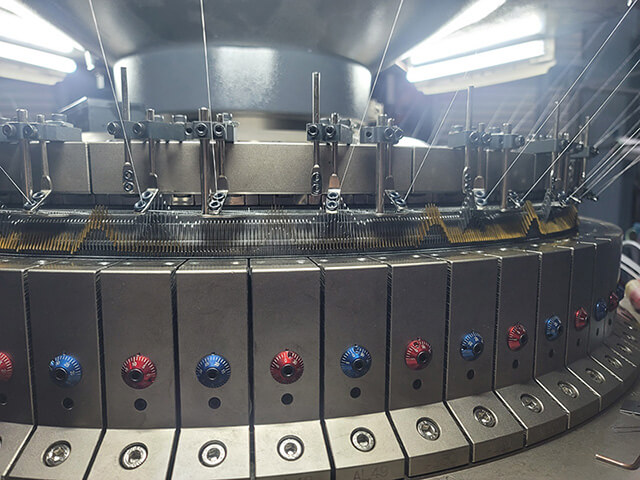
Record yarn composition, count, twist, supplier and lot. Inspect the uncut or pre-cut structure for loop height spread, missed loops and repeating bands. When an uncut stripe appears after cutting, first check whether complete loops reached that position. Changing blade pressure cannot correct an unstable incoming loop.
If loop formation is sound, inspect cutter alignment, wear, contamination and the related machine position. Retain fabric before and after an adjustment. This order keeps knitting, cutting and material causes separate.
| Surface fault | First evidence to inspect | Controlled response |
|---|---|---|
| Uncut line | Pre-cut loop formation and machine position | Verify loops, then inspect corresponding cutter zone |
| Over-cut or weak ground | Cut depth, blade condition and ground integrity | Stop, isolate and record adjustment with before/after sample |
| Directional streak | Yarn lot, pile orientation, take-down and finish | Compare roll positions under fixed lighting |
| Loose fibre variation | Material, cutting state and downstream treatment | Pair greige/pre-finish and finished specimens |
Mark start-up, an agreed stop/restart, yarn package changes and every cutter intervention. Inspect the fabric following each event for bands, height movement and surface recovery. Continue long enough to observe lint accumulation and the cleaning interval used during the trial.
Beginning, middle and end samples should be viewed in the same direction and light. An attractive centre piece is insufficient when transition sections would be rejected in production. State which material counts as saleable before calculating output or waste.
Cutting systems introduce wear parts, cleaning and guarded service work. The quotation should list routine consumables, critical spares, inspection tools, training and tasks that require supplier support. Operators must follow isolation and guarding procedures; no content page can replace the delivered manual.
Where several pile articles are planned, rank a primary surface and classify the others as routine adjustment, optional conversion or separate feasibility. Estimate capacity for each accepted article instead of applying one maximum-speed figure to the entire portfolio.
Provide the finished surface, yarn specifications, pile target, construction, width, handle and treatment. Label several planned articles separately and identify which one drives machine acceptance.
Keep a pre-cut or uncut reference from the same run and map defects by position. Verify loop formation before investigating cutter alignment or wear.
Record the reason, location, component condition, safe intervention, time and resulting sample identity. Retain marked material from both sides of the change.
If the target surface is created entirely by a different knitting or finishing process, or required yarn cannot form stable cuttable loops, another route should be evaluated. Confirm feasibility with actual material.
Kunyuan can review the buyer’s yarn, surface target and finishing sequence and define a trial that proves loop formation, cutting and maintenance as one production system.
Review the high-pile cutting machine
 Tel: +86-13859034518
 Email: info@kunyuanmachine.com
 MP/WhatsApp: +86-13859034518
 Manufacturer Address:Bacuo Village, Yonghe Town, Jinjiang City, Fujian Province