


Hot Keyword:
Author:KUNYUAN Machine ManufacturerTIME:2026-08-27
Double-jacquard buyers often arrive with artwork and a desired face appearance. The machine decision also depends on what happens on the reverse side, how cylinder and dial needles build the construction, and whether yarn floats, coverage, weight and handle remain acceptable. A successful solution treats artwork, two-bed structure and finishing as one controlled design.
First decide whether the fabric must be reversible, whether one face is primary, and which defects are unacceptable on each side. A visual mock-up cannot answer these structural questions. Supply a marked physical sample or construction diagram beside the editable artwork.
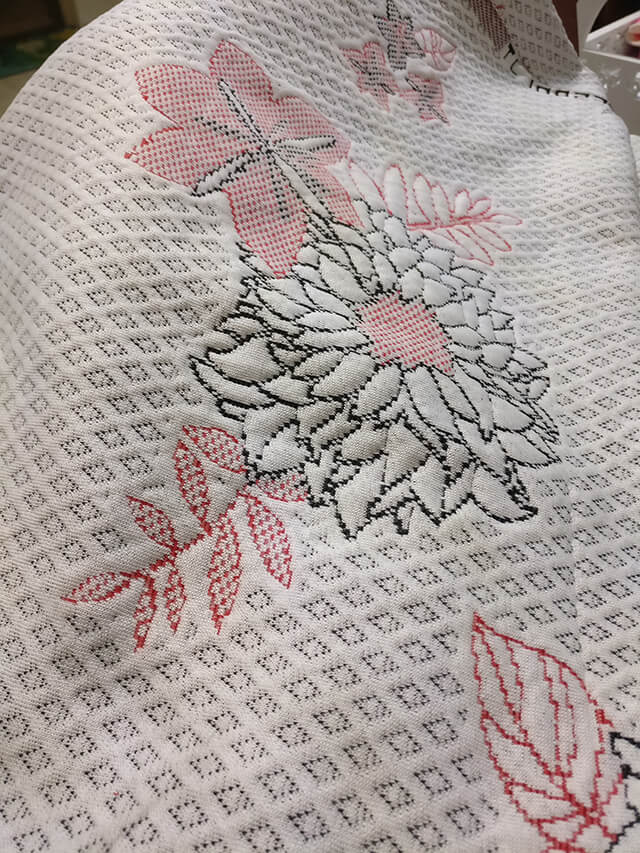
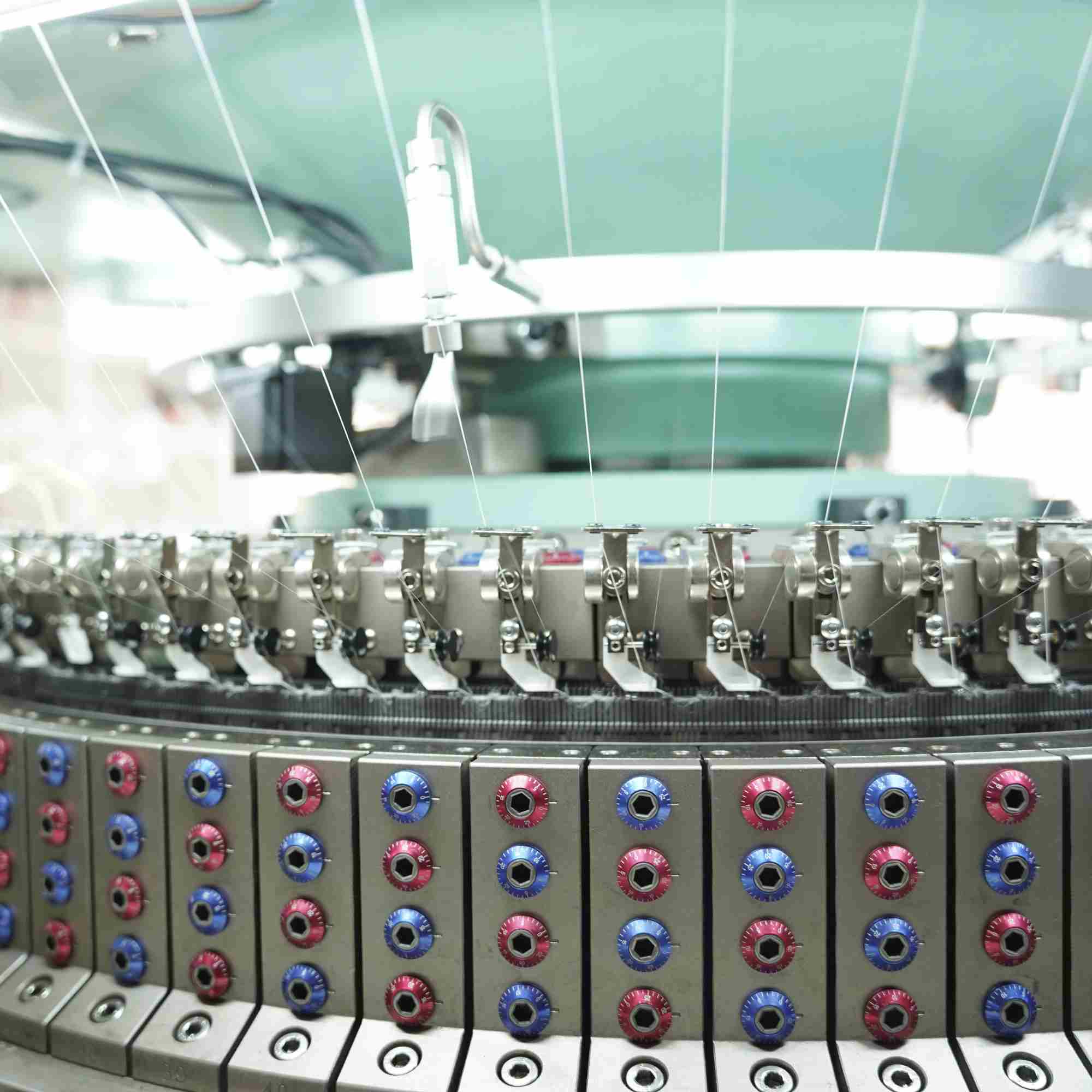
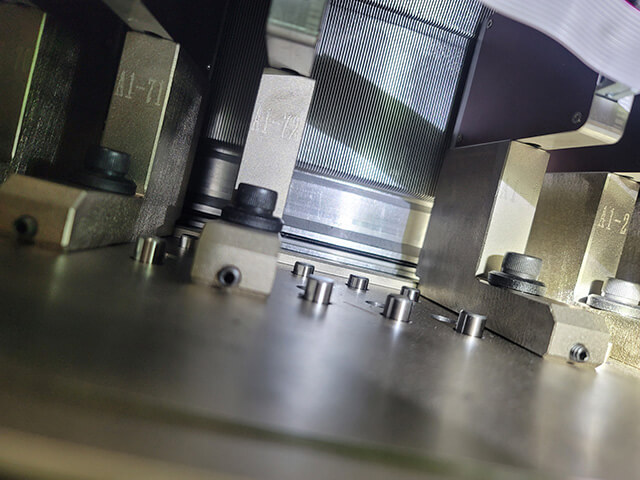
Identify repeat dimensions, face/back orientation and priority detail zones. Then map cylinder and dial needle selection, yarn colours or materials and feeder duties. Fine outlines, broad fields, transitions and repeat boundaries should all appear in the test design because they expose different limitations.
Do not approve a design solely because a central motif looks attractive. Inspect the repeat seam, the back structure behind high-contrast areas and regions where several yarn duties meet. Record the machine-ready file revision and preserve the selection chart used for the trial.
| Pattern-development layer | Question to close | Evidence |
|---|---|---|
| Face/back intent | Which side is primary, or what must be acceptable on both? | Marked target sample and construction diagram |
| Selection logic | Which cylinder/dial needles form each design zone? | Needle-selection chart tied to file revision |
| Yarn coverage | Which yarn, colour and feeder duty supports every zone? | Labelled yarn map and trial-lot record |
| Finished behavior | Does the motif, width, weight and handle survive treatment? | Paired greige and finished samples |
Select motif zones that matter commercially: a narrow line, curved boundary, colour change, large field and repeat closure. Knit long enough to compare early, middle and later positions and record stops or manual corrections. Mark missed selections, needle lines, bands, unwanted floats and blurred transitions by both design and machine location.
If the finished fabric changes, compare it with its greige parent before modifying the file. A correct greige selection with poor finished appearance may point to yarn, construction or treatment. Editing artwork to compensate can create another defect elsewhere.
A machine used for patterned fabrics must preserve style history. Load one controlled revision, produce an approved first-off sample, change to a second agreed design, then return to the baseline recipe. Compare the second baseline with the first on both faces and after the agreed conditioning.
The offer should state the control version, design-conversion responsibility, supported file workflow, included software or training, diameter, gauge, feeders, take-down and options. Pattern claims not shown with the proposed configuration remain open feasibility items.
Mark each face separately and define motif, colour, float, surface and handle limits for both. “Reversible” without a two-sided standard is not an acceptance criterion.
Use a repeat containing the buyer’s real risk features rather than a collage of unrelated effects. Provide editable artwork, intended scale, colour map and approved visual interpretation.
Keep the file revision, selection chart, yarn map, settings, first-off sample and transition record. A later operator should be able to restore the same result from those materials.
If the target is a simple single-knit print base, a pile construction, terry loop or another structure outside double-jacquard mechanics, compare the appropriate machine family instead of forcing the artwork into the wrong process.
Kunyuan can review the marked face/back sample, artwork and yarn plan and propose a configuration-specific trial. The purchase decision should follow the complete construction and reproducible design record, not only the first attractive motif.
Review the double-jacquard machine
 Tel: +86-13859034518
 Email: info@kunyuanmachine.com
 MP/WhatsApp: +86-13859034518
 Manufacturer Address:Bacuo Village, Yonghe Town, Jinjiang City, Fujian Province