

Hot Keyword:
1. Yarn Feeding. 2. Stitch Formation. 3. Pattern Programming. 4. Size and Shape Customization. 5. Seamless Construction. 6. Quality Control. 7. Speed and Efficiency. 8. Data Storage and Analysis. Conclusion....
Introduction. 1. Define Your Requirements. 2. Research Different Brands and Models. 3. Consider Machine Features. 4. Assess Production Capacity. 5. Examine Machine Durability. 6. Consider Cost and Return on Investment. 7. Seek Recommendations and Testimonials. 8. Request Machine Demonstration. Concl...
Early Manual Knitting Techniques. Invention of the First Automatic Knitting Machine. Integration of Electronic Controls. Introduction of Computerized Knitting Machines. Advancements in Material Handling and Yarn Control. Incorporation of Seamless Knitting Technology. Transition to Industry 4.0 and S...
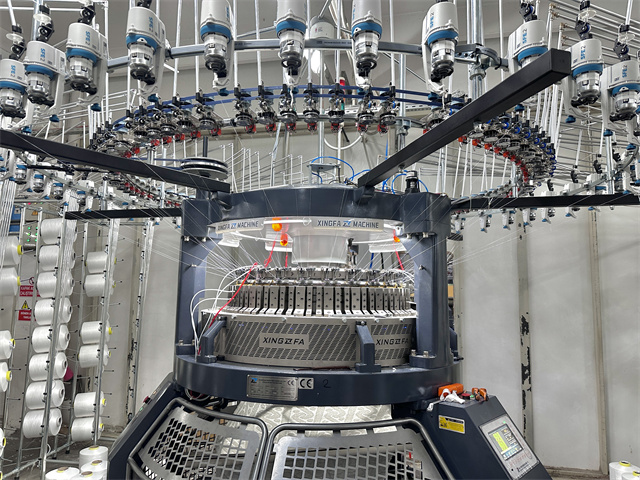
1. Fashion Industry. 2. Sports Apparel. 3. Uniform Manufacturing. 4. Children's Apparel. 5. Luxury Knitwear. 6. Eco-Friendly Production. 7. Small-Scale Production. 8. Custom Knitwear. Conclusion....
1. Textile Industry. 2. Fashion and Apparel. 3. Automotive Industry. 4. Sports and Outdoor Equipment. 5. Home Furnishings. 6. Medical Textiles. 7. Technical Textiles. 8. Research and De...
Early Knitting Techniques. Introduction of Mechanical Knitting Machines. Incorporation of Synthetic Fibers. Computerized Knitting Technology. Seamless Knitting Innovation. Integration o...

 Tel: +86-13859034518
 Email: info@kunyuanmachine.com
 MP/WhatsApp: +86-13859034518
 Manufacturer Address:Bacuo Village, Yonghe Town, Jinjiang City, Fujian Province