

Hot Keyword:
Author:KUNYUAN Machine Manufacturer TIME:2026-08-30
Automatic sweater production is a chain of coordinated functions, not one start command. Material delivery, loop formation, electronic selection, take-down, safety logic and file control must remain synchronized for the programmed article to be repeatable.
The category needs an architecture note before a function map. Santoni's official seamless portfolio describes electronic single- and double-knit circular machines for knitwear and bodywear, and individual models publish different selection and garment capabilities. Santoni also describes digital garment programming developments, while Groz-Beckert explains that circular loop formation depends on coordinated needles and system parts. These references establish a layered system. They do not provide one universal control sequence for every automatic sweater machine.
Build the working explanation from the delivered manuals and observed machine. Identify input materials and job files, the actuators or knitting elements that execute selection, the feedback and stop logic that protect the process, and the take-down or garment-handling output. Keep safety functions separate from production optimization. OSHA's general requirement for guarding around points of operation and rotating parts means an explanation must never encourage bypassing a guard, interlock or safe service procedure. The blueprint is complete when a trained operator can relate a screen event to a physical garment coordinate and recover the approved job through authorized steps.
The machine receives more than yarn. Its production inputs include a size or garment map, pattern or structure program, yarn-role schedule, package arrangement, approved material lots, setup values and machine configuration. The operator verifies that the file belongs to the exact controller and installed options. A filename alone is weak control; use the supplier's revision and backup method, plus an accepted sample or measurement record.
Material checks should cover identity, condition, package route and any elastomer, plating or color role. State finished garment targets and conditioning method because machine-side dimensions can change after relaxation or finishing. Load and threading work follows the delivered manual and guarded procedures. The purpose is not to publish a generic threading recipe, but to ensure every input can be traced when a zone, line, hole or size error appears later.
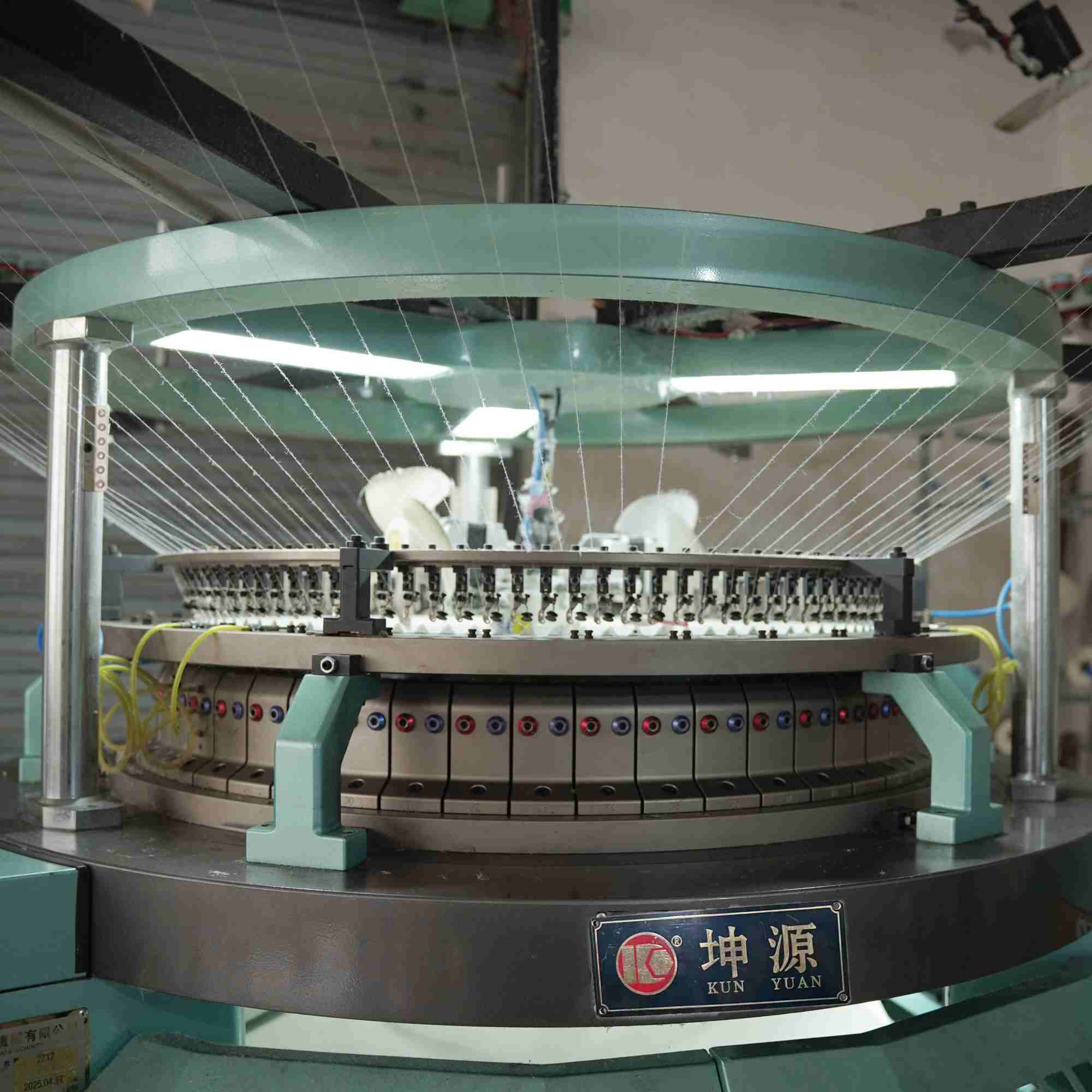
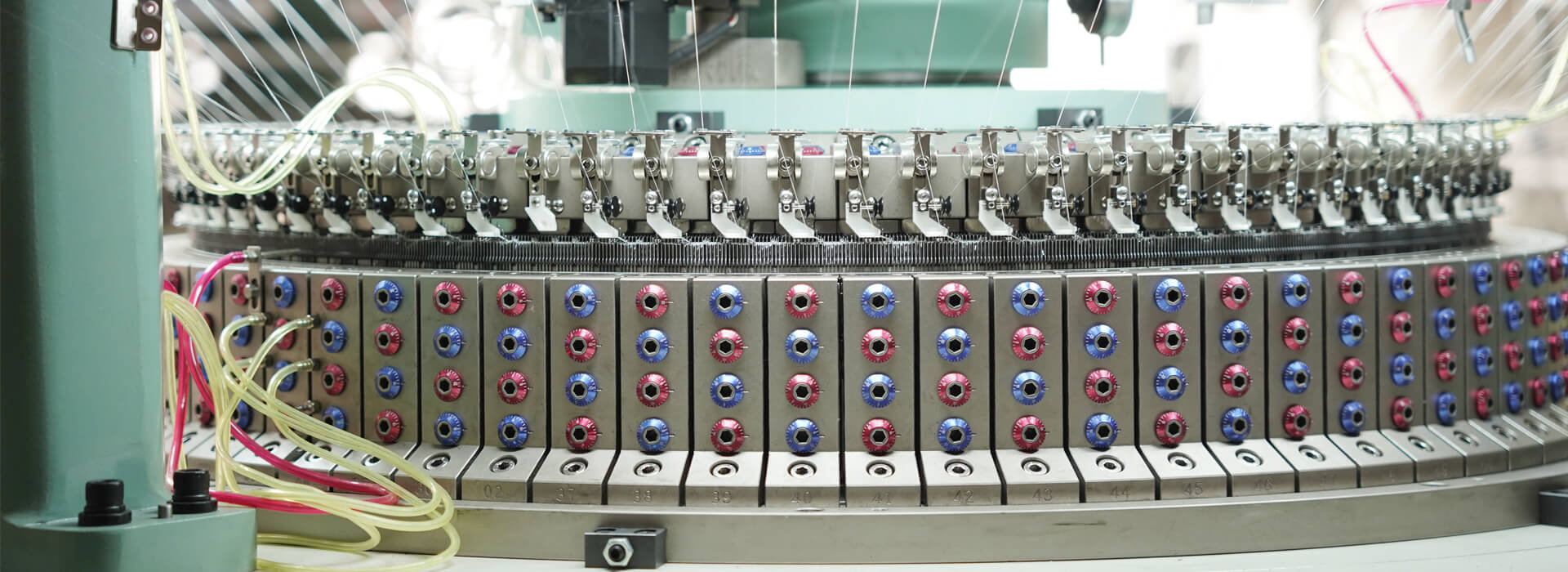
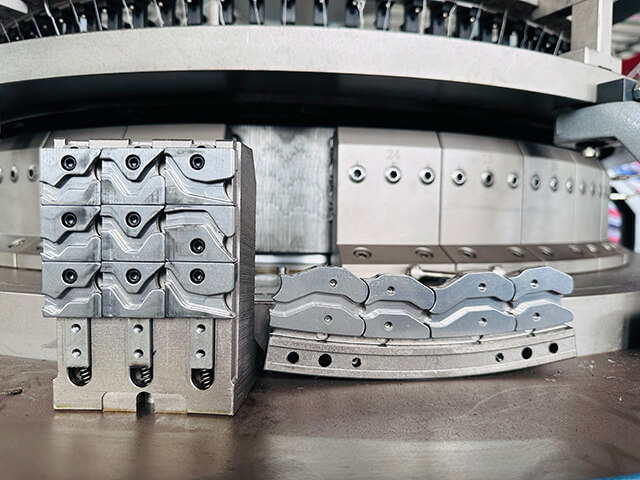
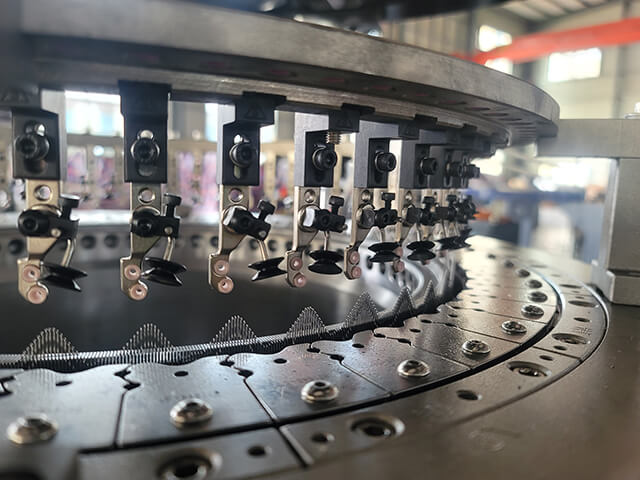
As the machine cycles, the control system associates program positions with available selection and knitting actions. Needles and related elements form loops under the delivered cam, yarn delivery and take-down arrangement. Single- and double-knit machines offer different paths, and model pages show different selection points or garment functions. Therefore, the blueprint labels what this build can command without extrapolating from another model.
Use a marked trial to observe transitions between plain areas, zones, colors, separation courses or other programmed events. Record the program coordinate and corresponding garment location. A correct pattern depends on stable material delivery and mechanical condition as well as electronic commands. If a fault appears, preserve the sample and event log before changing settings. This keeps programming, yarn and element causes available for controlled isolation.
Monitoring may include yarn and needle-related stops, lubrication status, guard or access state, drive condition and controller diagnostics, depending on the build. For each signal, record what is sensed, what the machine does, what the operator sees and which role may investigate. An alarm is evidence of a condition, not proof of its root cause. The fabric coordinate and physical inspection remain part of diagnosis.
Test only supplier-approved events and procedures. Verify emergency and guard-related functions during commissioning with qualified personnel; do not simulate faults by entering hazardous areas or defeating protection. Distinguish a production restart from maintenance isolation. After a safe stop, inspect the relevant material and machine layer, document any authorized correction, and mark the restart on the article. Protected control passes when response is predictable and does not depend on unsafe improvisation.
The output layer manages the forming article, take-down or draw-off behavior, any separation function and the handoff to post-knit work. Observe whether tension and handling preserve zone position, length and surface condition across startup and restart. Label the article with machine, file, size, yarn lots and event positions before it leaves knitting. Then record trimming, joining, dyeing, relaxation or other operations needed to reach the saleable state.
Measure the finished article with the approved method and reconcile accepted, held and rejected pieces. Back up the released program and machine-specific data through the authorized system. A receiving operator should restore the job and reproduce a boundary size after a representative changeover. That repeat shows how the automatic chain works as production capability: controlled inputs become loop actions, protected events and a recoverable garment result.
| Control layer | Machine function | Evidence output | Boundary condition |
|---|---|---|---|
| Inputs | Load material and controlled garment job | Verified setup package | No unknown file or yarn role |
| Loop actions | Execute available selection and knitting duties | Marked program-to-garment repeat | Only installed functions are claimed |
| Protection | Monitor, stop and support safe response | Signal, fabric mark and recovery record | No guard or interlock bypass |
| Outputs | Handle article and preserve recoverable job | Finished measurement and restored repeat | Post-knit work remains visible |

A named build can coordinate programmed selection, material handling, loop formation, monitoring and output functions, but the exact boundary varies by model and option set.
No. Yarn behavior, machine configuration, knitting-element condition, delivery, take-down and finishing all affect the result.
The mark connects controller history to physical loop and dimension evidence, which supports fault isolation and restart acceptance.
They must follow the manufacturer's safe operating and service procedures. Production evidence never justifies defeating required guarding or interlocks.
A trained receiving operator restores the released job after a representative changeover and reproduces an accepted finished boundary garment.
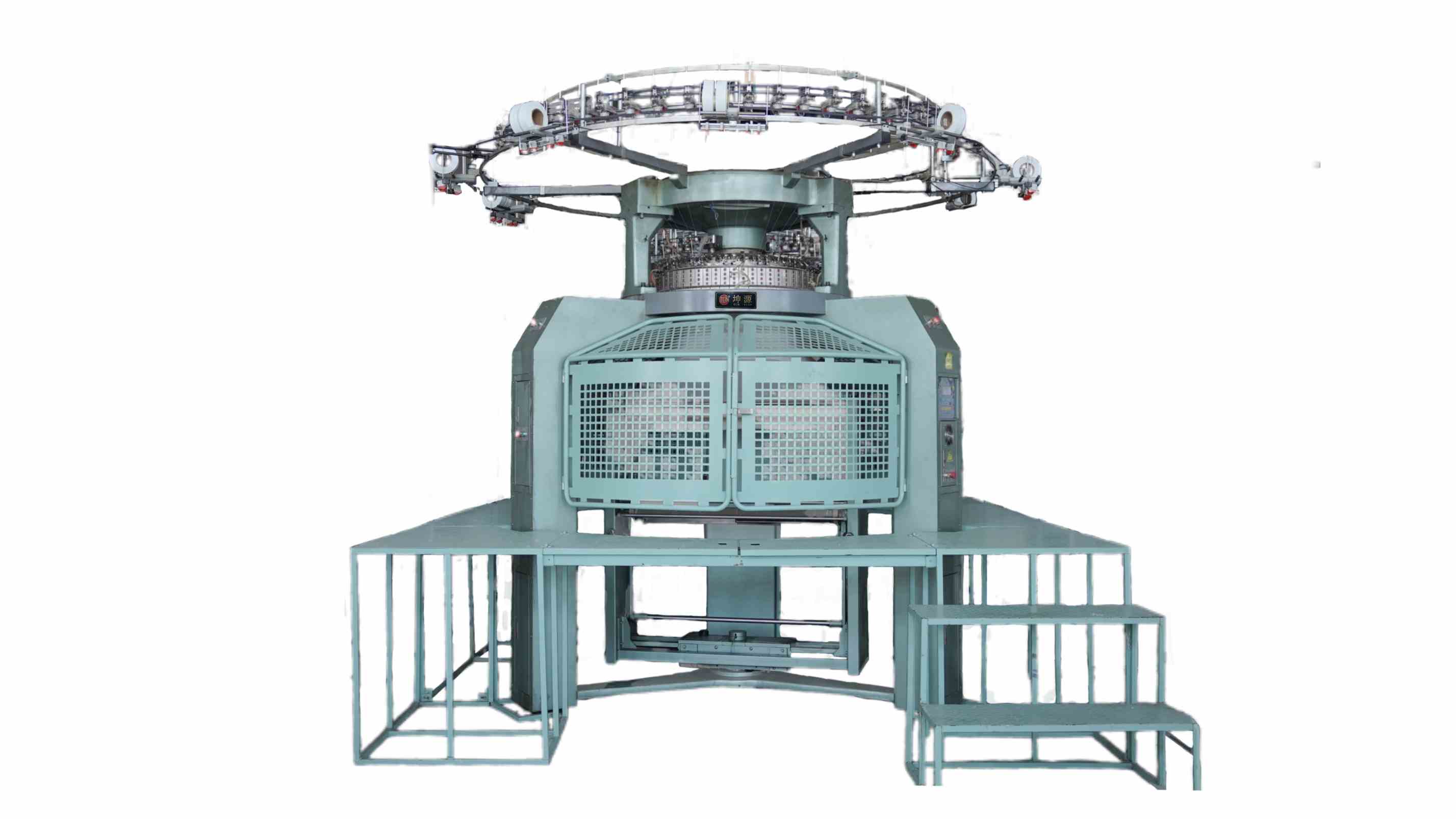
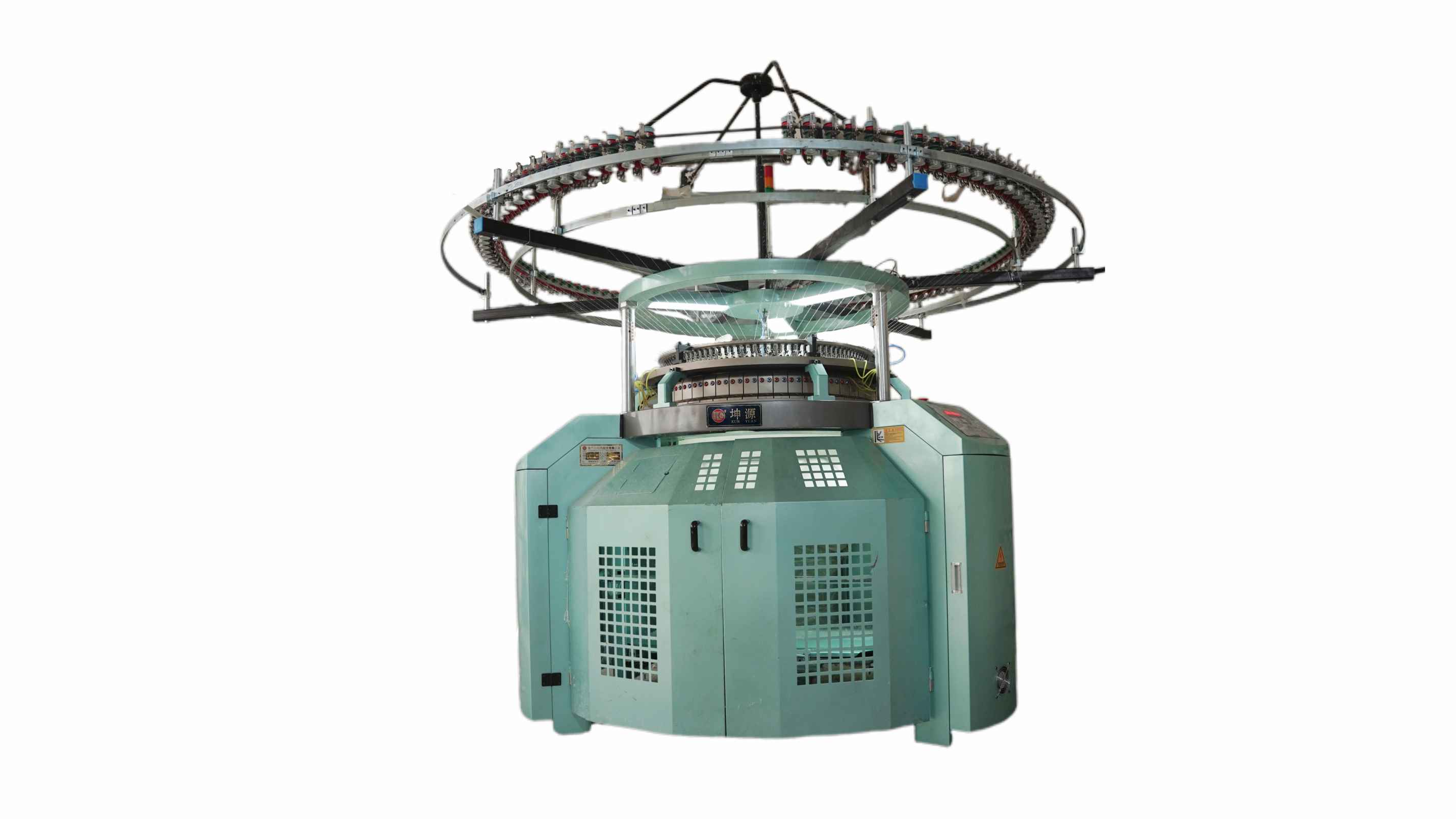
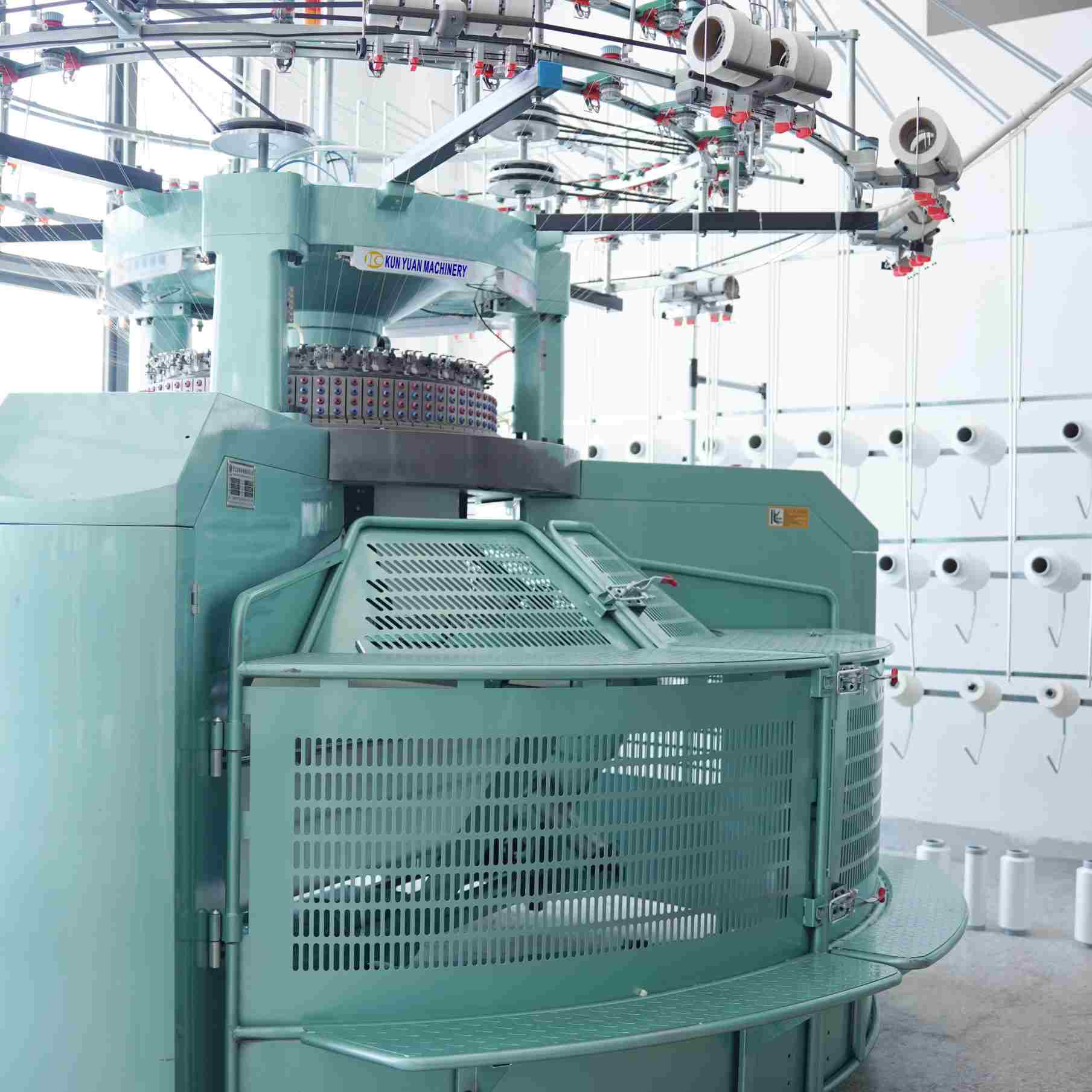
An automatic sweater knitting machine works through coordinated layers. Controlled inputs define the job, installed systems execute loop actions, monitoring protects normal response, and article handling carries the result toward finishing. Explaining those layers with build-specific evidence makes automation understandable without publishing unsafe service steps or pretending one model's functions apply to every machine.
Use the function-control blueprint when reviewing an Automatic Sweater Knitting Machine and ask for a marked demonstration of the delivered program, safeguards and garment recovery path.

 Tel: +86-13859034518
 Email: info@kunyuanmachine.com
 MP/WhatsApp: +86-13859034518
 Manufacturer Address:Bacuo Village, Yonghe Town, Jinjiang City, Fujian Province