Hot Keyword:
YOUR POSITION:HOME > Blog >

How to Choose an Automatic Sweater Knitting Machine: Sizing and Programs

Author:KUNYUAN Machine Manufacturer TIME:2026-08-30

MENU
Size-program commissioning gates

Commission the garment, program and receiving team as one sweater-production system

An automatic machine is not accepted because one demonstration garment leaves the cylinder or needle bed. The released result must fit the approved size map, retain its zones after finishing and be reproduced from a controlled program by the people who will run production.

Start by resolving what the project calls a sweater. Santoni's official seamless range covers electronic single- and double-knit circular machines for knitwear and other bodywear, while Pailung describes RediKnit flat machines for semi-whole garments and sweaters. Those are different production routes. The supplier must identify which architecture is offered, what shape comes directly from knitting and which cutting, linking, separation or finishing operations remain outside the machine. A broad automatic-sweater label cannot close that boundary.

Commissioning should follow the product route. Freeze the garment measurement table, yarn plan and program revision before the factory trial. Challenge a boundary size and a difficult zone, then repeat them after installation under site utilities. Guarding and operating access remain part of acceptance: OSHA's general machine-guarding rule requires protection from point-of-operation and rotating-part hazards, so an output test cannot justify bypassing an interlock or running with an open hazard. The final gate belongs to a receiving shift that can load the approved file, recover from a normal stop and produce a finished garment that passes the same measurement method.

Gate one: convert the size chart into a knitted and post-knit route

Define finished chest, body length, sleeve or armhole geometry, neckline, hem and every product-specific landmark for each approved size. Record the conditioning method and tolerance beside each dimension; measurements taken immediately off the machine are not interchangeable with relaxed, washed or finished results. Map functional or decorative zones to body coordinates so grading can be assessed rather than assumed.

The route drawing should show what the machine forms and what another operation completes. For a seamless circular route, list separation, openings, joining, trimming and dyeing that remain. For a flat or semi-whole route, identify panel linking, shaping limits and finishing ownership. Attach yarn identities, package roles and color sequence to the same revision. This gate creates a product definition that a supplier can test without substituting an easier garment.

Gate: Factory testing remains on hold until the offered architecture and the buyer's finished-sweater route describe the same deliverable.
Gate two: witness the saved program across a boundary size and a controlled event

At factory acceptance, identify the exact machine, controller and installed options before loading the job. Save the program under a controlled filename and checksum or supplier-approved revision record. Knit the commercial yarn set through warm-up, a stable interval and one planned stop and restart. Mark the garment or fabric at those events, because a clean sample without event history cannot show whether recovery was automatic, manual or dependent on undocumented technician work.

Select at least one size or style that stresses the intended range. Inspect zone placement, transitions, edges, visible faults and machine-side dimensions before the sample enters finishing. Record interventions rather than editing them out of the trial report. The supplier may correct a problem, but the new program and changed setting must receive a new revision and another witnessed run. This distinguishes a recoverable production recipe from a one-time demonstration.

Gate: The factory gate passes only when the boundary garment repeats after the planned event without an unrecorded workaround.

Gate three: re-establish safety, utilities and garment evidence at the mill

Site acceptance begins with installation evidence, not production pressure. Verify foundation, electrical supply, compressed air or extraction where specified, climate expectations, network boundary, yarn storage, material path, guarding and emergency functions against the delivered manuals. Use authorized procedures for inspection and service; never reach through a guard or defeat an interlock to preserve a trial. Record every deviation and its owner before running the accepted job.

Load the released factory file without silently rebuilding it. Use the same yarn lots where practical, or document the replacement and its effect. Run the boundary size through the agreed normal event, carry the marked article through the actual mill finishing route, and apply the same measurement table. Differences between FAT and SAT are evidence: utility stability, handling, operator action or finishing can change the result. Resolve those layers separately instead of hiding them in a new generic setting.

Gate: Site acceptance stays open if the approved program cannot reproduce the garment under protected, documented mill conditions.

Gate four: require the receiving shift to repeat, recover and account for output

Handover tests whether the capability belongs to the mill rather than the commissioning engineer. A nominated operator should retrieve the program, confirm yarn and size information, complete pre-start checks, knit a normal order segment, respond to a planned recoverable stop and label the resulting article. Maintenance staff should locate the approved manuals, backups, critical spare list and escalation route without relying on private notes.

Close the trial with a small production ledger: scheduled time, setup time, knitting time, held garments, finished rejects and accepted pieces by size. This is not a universal capacity formula; it is evidence from the delivered configuration and product. Archive the accepted sample, measurement report, program backup and change log together. Future style development may begin from that baseline, while any change to yarn, program, machine configuration or finishing route triggers a controlled review.

Gate: Production release requires a second controlled run and a complete handover package signed by the responsible mill roles.
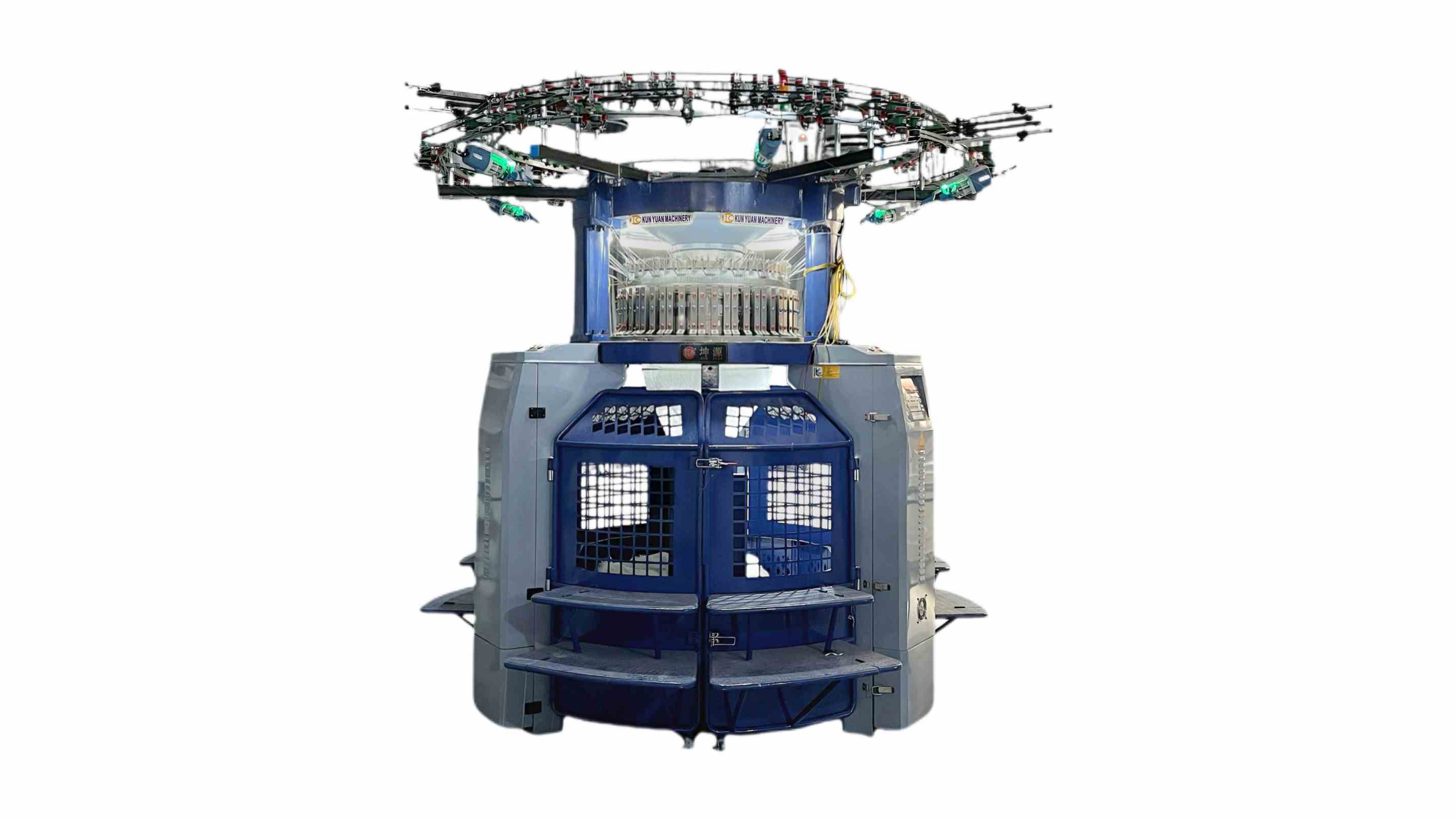
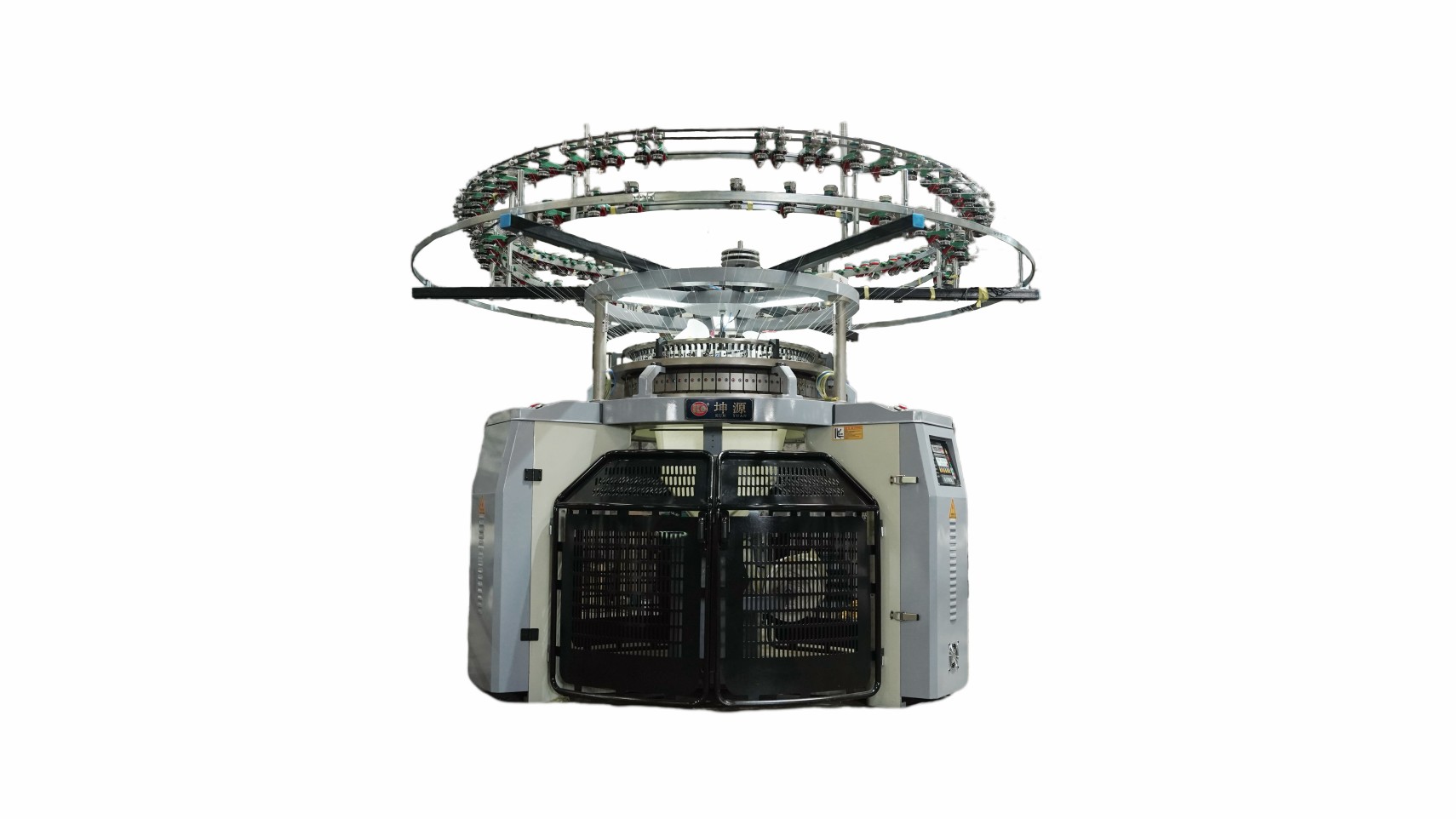
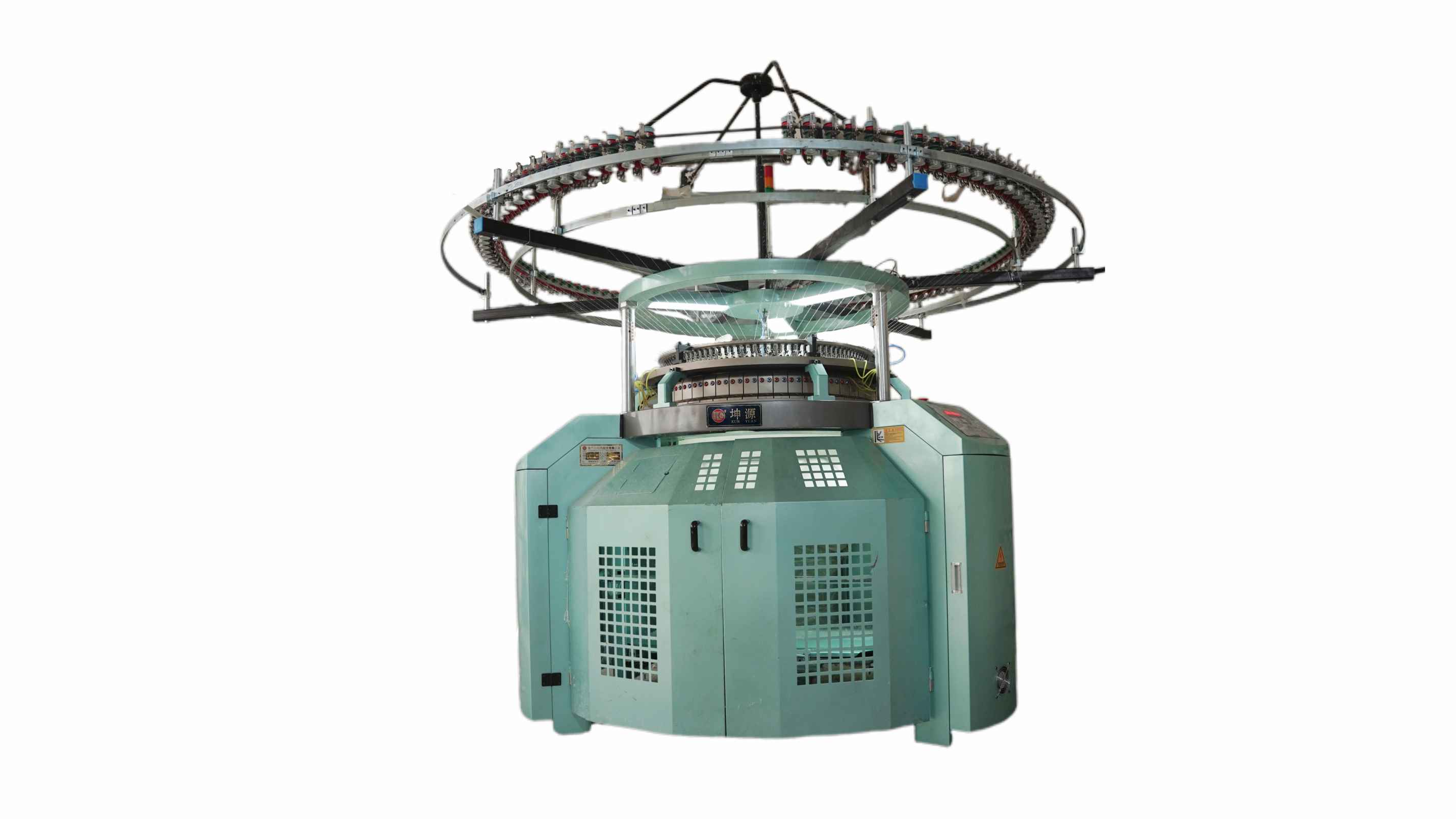
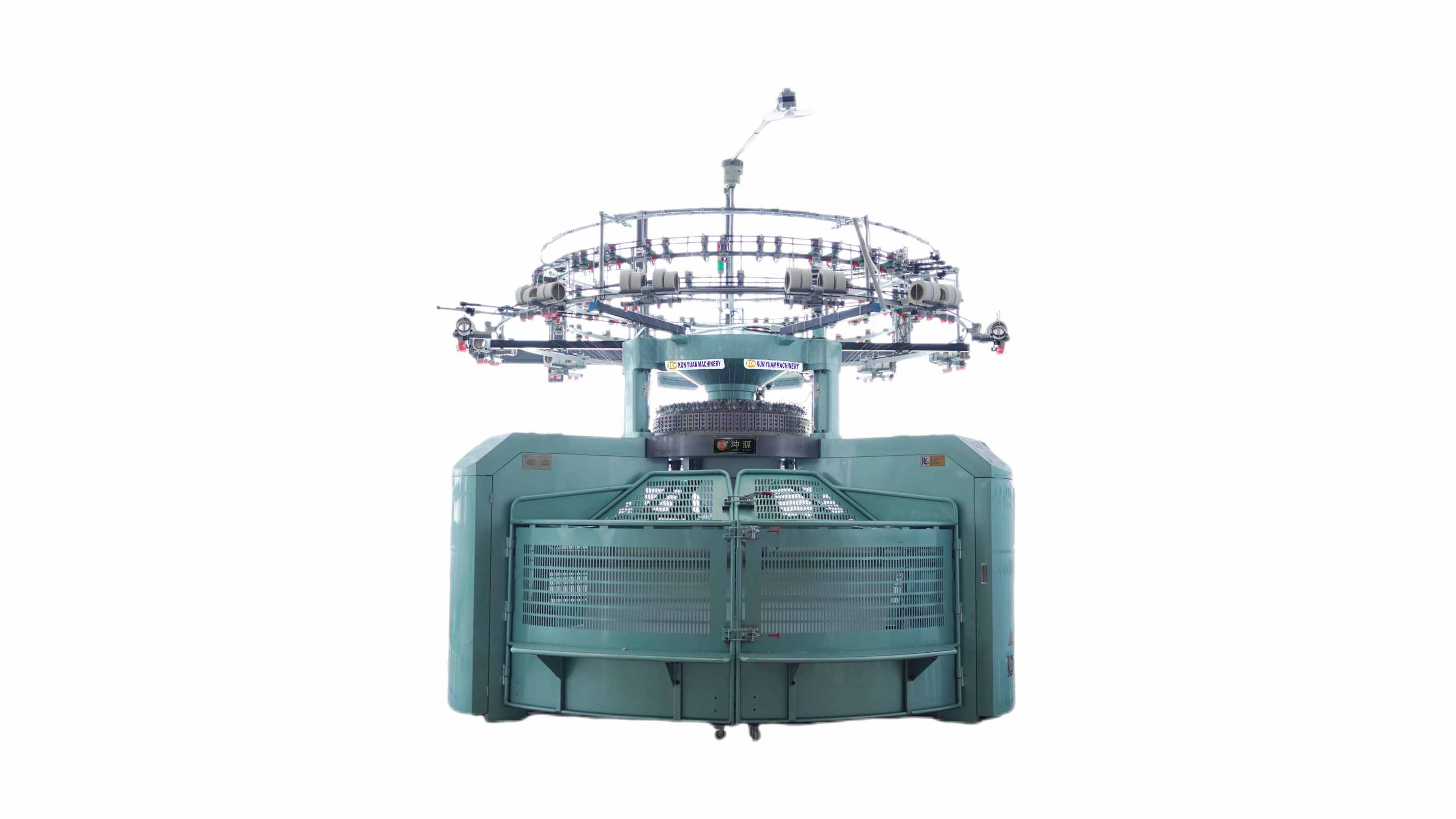
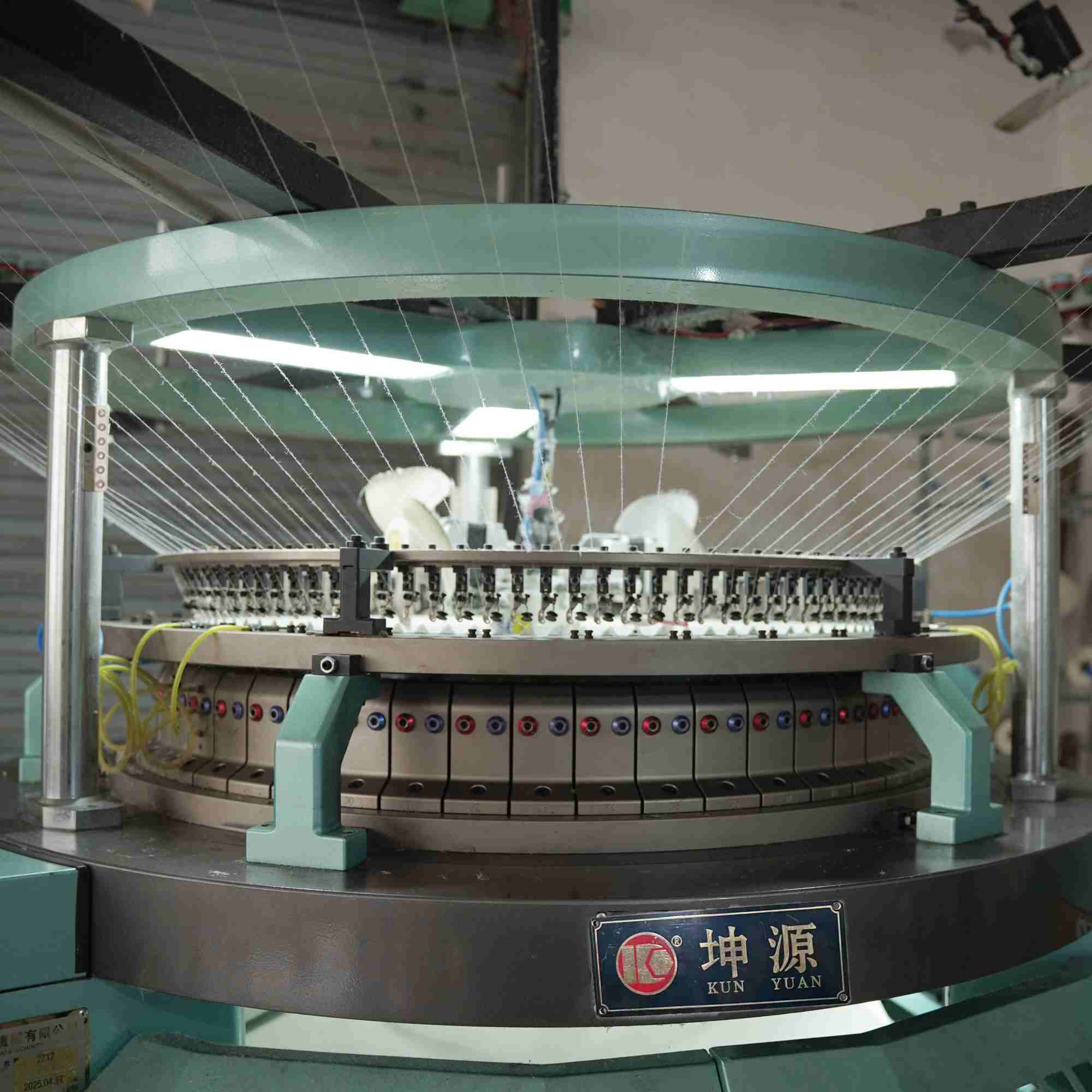
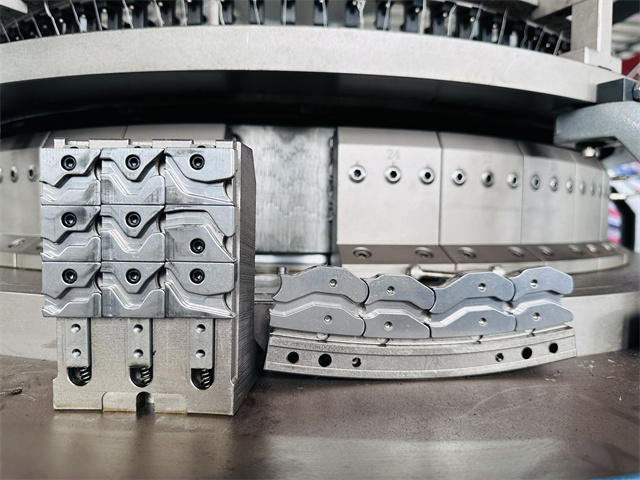
Automatic sweater knitting machine prepared for a controlled size-program trial
Identify the delivered architecture before treating the word automatic as a production boundary.
Knitted garment samples labelled by size, program revision and trial event
Marked garments preserve the link between program behavior and finished sizing evidence.
Receiving team reviewing sweater measurements and program handover records
Handover closes when mill roles can repeat the accepted job from controlled records.

Automatic sweater commissioning responsibility matrix

StageBuyer evidenceSupplier evidencePass or hold decision
Product freezeFinished size table, yarn plan and routeNamed architecture and included functionsHold if make-up work or size boundaries are unclear
Factory acceptanceCommercial yarn and difficult garmentMachine identity, saved program and event logPass only after a marked repeat run
Site acceptanceUtilities, finishing route and trained rolesInstallation, safety and transfer recordsHold when FAT evidence cannot be reproduced
HandoverAccepted pieces and signed measurement reportBackups, manuals, spares and escalation pathRelease after receiving-shift repetition

Automatic sweater sizing and program questions

Does automatic mean a finished sweater comes off every machine?

No. Circular seamless and flat or semi-whole garment routes leave different post-knit operations. The quotation and route drawing must identify the delivered boundary.

Why test a boundary size instead of the easiest size?

A boundary size can expose zone-placement, yarn-delivery, take-down or finishing limits that a middle size does not challenge.

What should be locked with the program file?

Keep machine and controller identity, installed options, yarn map, size table, event log, finished measurements and accepted sample under the same revision.

Can a program be changed during the trial?

Yes, but the change should be recorded, saved as a new revision and rerun. An invisible correction cannot support repeatable acceptance.

What proves handover is complete?

A trained receiving shift safely retrieves and repeats the job, handles a normal event, produces an accepted finished garment and can find the recovery documents.

Scale-up conclusion

An automatic sweater knitting machine should be chosen through staged proof. The size route defines the product, factory acceptance establishes a recoverable program, site acceptance tests the installed conditions, and the receiving shift demonstrates ownership. Keeping those gates separate prevents one attractive sample from concealing grading limits, unfinished operations or undocumented programming work.

Use the guarded size-program trial above when reviewing the Automatic Sweater Knitting Machine configuration and request build-specific evidence for every claimed garment function.

□ Gates complete
Need Help?
Please leave your contact information to get our latest catalog
Get In Touch Now >
Kunyuan Machinery Manufacturer

Tel: +86-13859034518

Email: info@kunyuanmachine.com

MP/WhatsApp: +86-13859034518

Manufacturer Address:Bacuo Village, Yonghe Town, Jinjiang City, Fujian Province

NEW KEYWORD

About Us

Products

Information