

Hot Keyword:
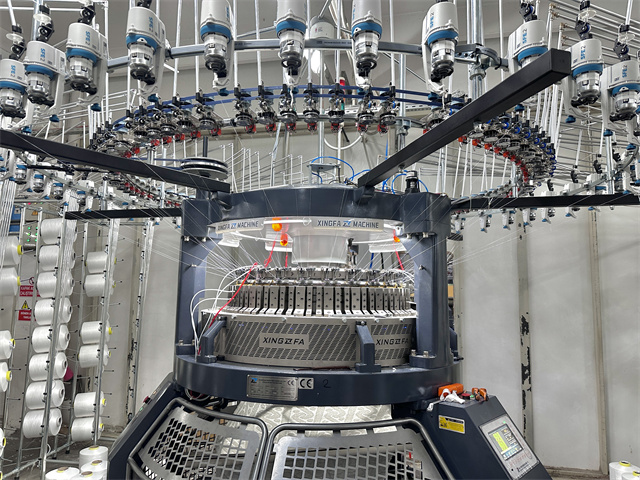
Introduction. 1. Unpacking the Machine. 2. Placement and Leveling. 3. Power Supply. 4. Installing Needles and Yarn Feeders. 5. Lubrication. 6. Testing and Calibration. 7. Safety Measures. Conclusion....
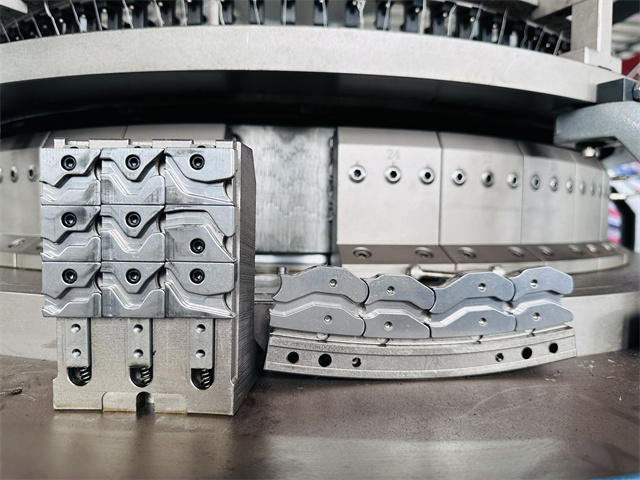
1. Production of Basic Knitted Fabrics. 2. Seamless Garment Production. 3. Elastic and Stretch Fabrics. 4. Textured and Patterned Fabrics. 5. Jacquard and Intarsia Knitting. 6. Sample and Prototyping. 7. Recycling and Upcycling Projects. 8. Knitting Education and Training. Conclusion:....
1. Consider the Size. 2. Check the Gauge. 3. Evaluate the Material. 4. Look for Versatility. 5. Consider the Price. 6. Read Reviews. 7. Test the Machine. 8. Seek Recommendations. Conclu...
Introduction. 1. Enhanced Design Flexibility. 2. Efficient Production Process. 3. Seamless Comfort and Fit. 4. Customization and Personalization. 5. Sustainable Production. 6. Innovatio...

 Tel: +86-13859034518
 Email: info@kunyuanmachine.com
 MP/WhatsApp: +86-13859034518
 Manufacturer Address:Bacuo Village, Yonghe Town, Jinjiang City, Fujian Province