Hot Keyword:
YOUR POSITION:HOME > Blog >

How to Choose a Circular Knitting Machine: Fabric, Diameter and Gauge

Author:KUNYUAN Machine Manufacturer TIME:2026-08-30

MENU
Machine-selection cost stack

Diameter and gauge belong inside a complete fabric and operating budget

A technically compatible machine can still be a poor purchase when the delivered configuration, changeovers, ramp-up losses and service requirements are omitted from the comparison.

Start with a portfolio of fabric briefs. Each brief should state structure, yarn material and count, elastomer or effect-yarn role, greige and finished weight and width, technical face, surface limit, dimensional method, finishing route and expected order mix. Only then should the team screen machine family, diameter, gauge, feeder arrangement, needle beds, tracks, selection, take-down, winding and installed options. Diameter and gauge are linked configuration variables, not independent quality scores.

Official selectors from Mayer and Cie and model tables from Fukuhara show distinct machine families with model-specific combinations. Taifan likewise organizes its range by single jersey, interlock, fleece, open-width, mini-size and jacquard categories. These sources help buyers build a shortlist, but they do not authorize combining the widest diameter, finest gauge, highest feed count or optional feature into one machine. The signed configuration and finished buyer-yarn trial define what is being purchased.

01

Cost band 1: match the fabric envelope to one deliverable configuration

Create two columns: required fabric evidence and offered machine hardware. For each fabric, identify the loop architecture and yarn duties, then record the exact model and suffix, diameter and gauge combination, active feeder basis, cylinder-only or cylinder-and-dial arrangement, cam or selection scope, yarn controls, take-down and fabric collection. Mark paid options and buyer-supplied items separately from standard delivery.

Request a configuration-specific quotation rather than accepting a family photograph or mixed brochure range. A larger diameter can support a different nominal fabric circumference, while gauge relates to needle density; neither alone establishes finished width, weight, yarn compatibility or saleable rate. Treat substitutions as controlled revisions. The purchase-price comparison is valid only after each supplier has priced the same fabric envelope and stated its exclusions.
02

Cost band 2: expose conversion parts, setup time and re-approval

List the structures and yarn ranges expected during a normal sales period, not every theoretical sample shown in a catalogue. For each change, identify cylinders, dials, cams, needles, sinkers, feeders, yarn devices, take-down parts, software or pattern work and any service task that may be required. Confirm which items are included, how they are stored and who is qualified to install or adjust them.

A convertible family does not provide simultaneous capacity. Record teardown, cleaning, setup, threading, sampling and quality-release time as well as the first-piece waste. If diameter or gauge changes require another machine or major assembly, show that as a separate route. Approve each commercial fabric with its own buyer-yarn sample after conversion instead of extending evidence from the easiest setup.

03

Cost band 3: include site readiness, trials and the path to accepted fabric

Budget unloading and positioning, site interfaces, electrical and other required services, commissioning labor, trial yarn, quality testing and downstream finishing. Exact ratings, clearances, lifting information and safety checks must come from controlled supplier documents and qualified local work. A machine that is powered and rotating has not yet demonstrated the fabric portfolio used to justify the investment.

Run a representative easy fabric and the hardest promised boundary fabric through warm-up, stable production, package change, planned stop and restart. Mark the roll, record interventions and process a traceable sample through the commercial finish. Calculate accepted output after rejected sections and downtime. Close ramp-up when the receiving operators can retrieve the setup and repeat the approved result without the supplier quietly correcting it.

04

Cost band 4: fund wear parts, recovery records and service boundaries

Ask for a recommended spare-parts package tied to the exact model, gauge and installed options. Record consumable and critical part identities, expected procurement path, documentation language, controller or pattern backup method and escalation contacts. Separate operator inspections, planned maintenance and qualified service tasks. Broad promises such as lifetime support do not replace named response boundaries or parts information.

Compare lifecycle cost using the planned fabric mix: accepted output, changeover loss, cleaning, needle or sinker consumption, training, service travel, downtime and rejected finished fabric. Avoid a universal payback period built from an easy construction at an unverified rate. The decision should state its assumptions and sensitivity so purchasing can see whether price, flexibility, quality yield or local service is carrying the recommendation.

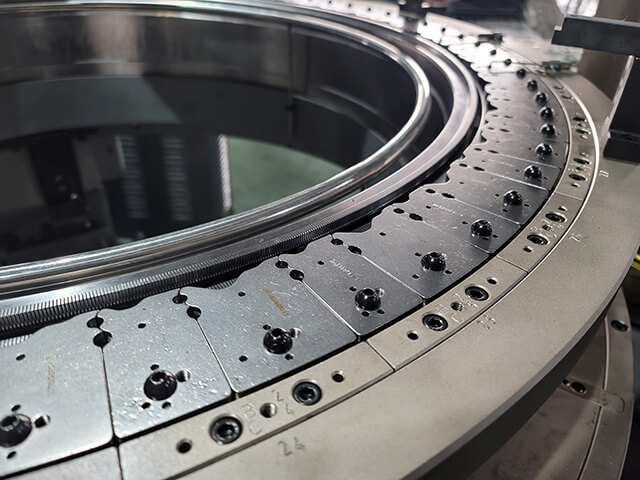
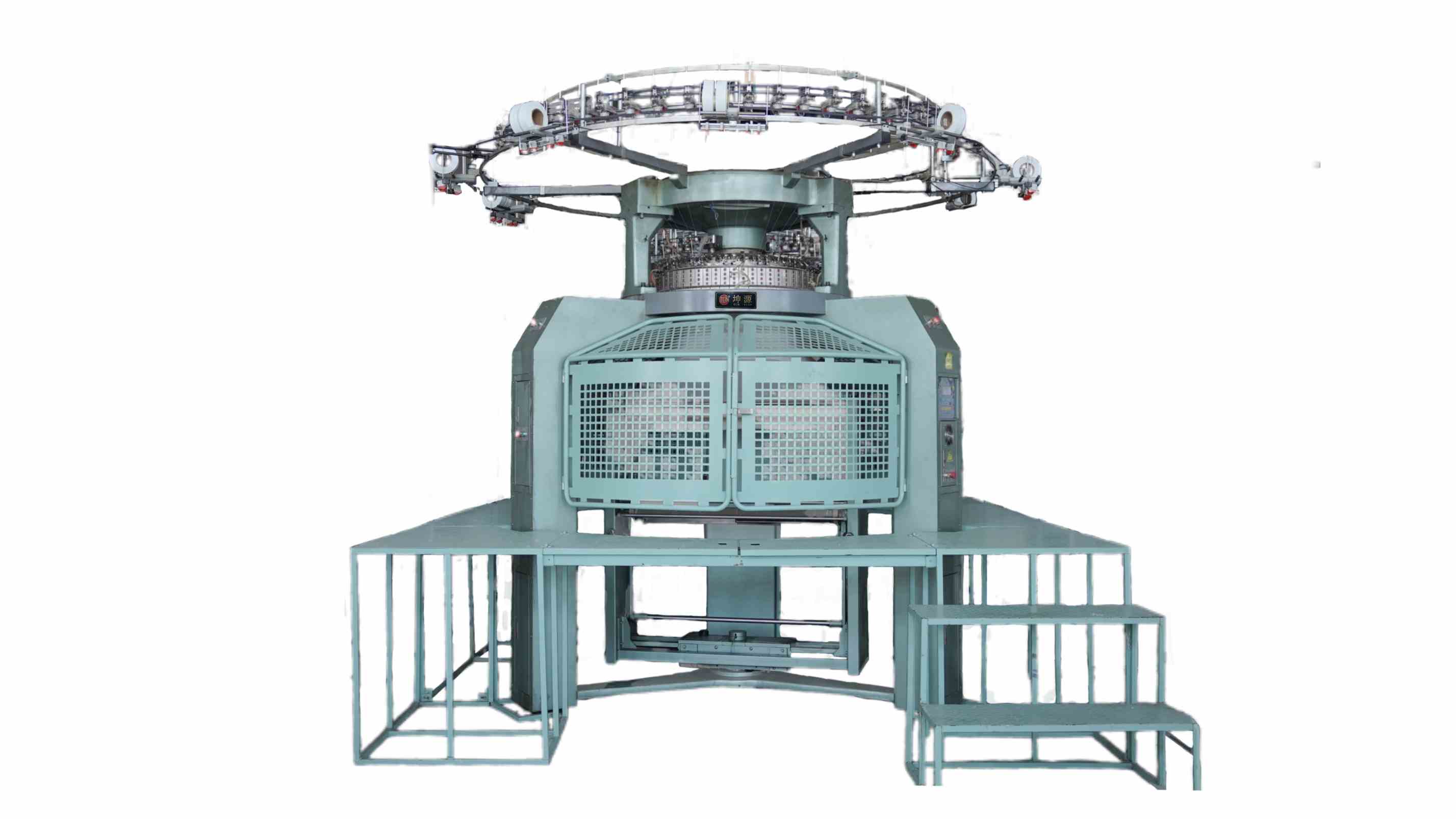
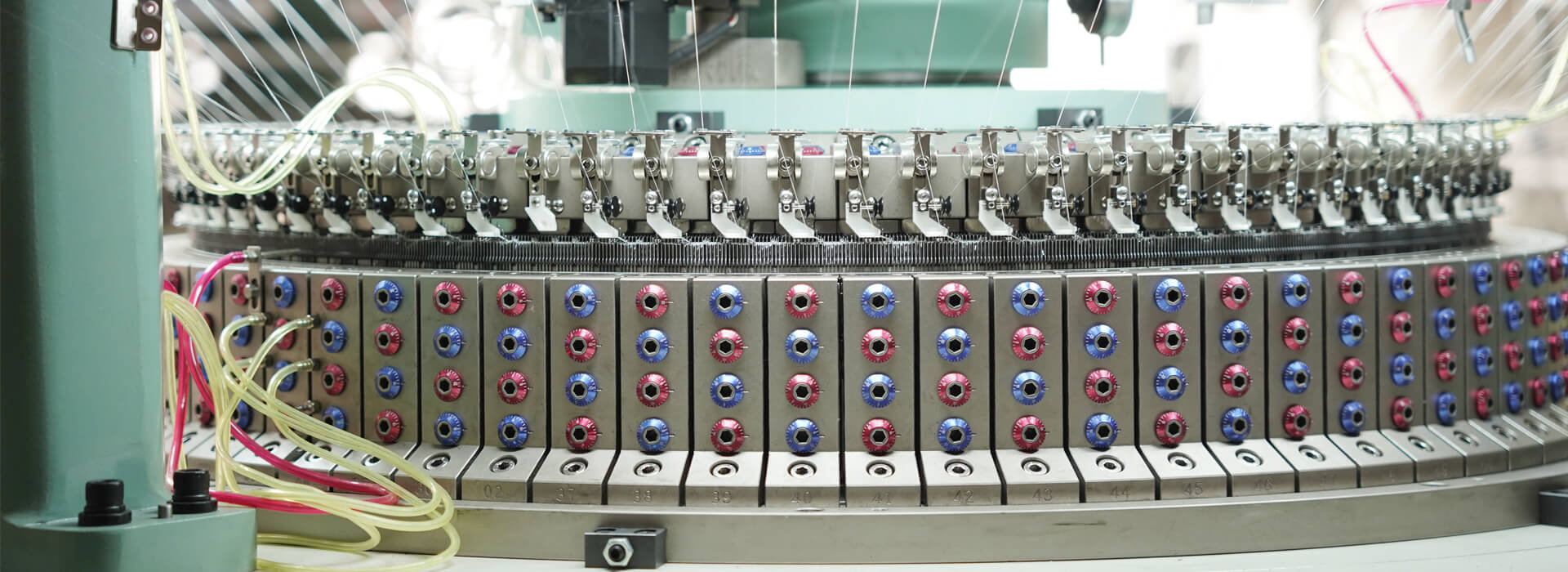
Industrial circular knitting machine configuration used for buyer selection
Freeze one deliverable configuration before comparing purchase price.
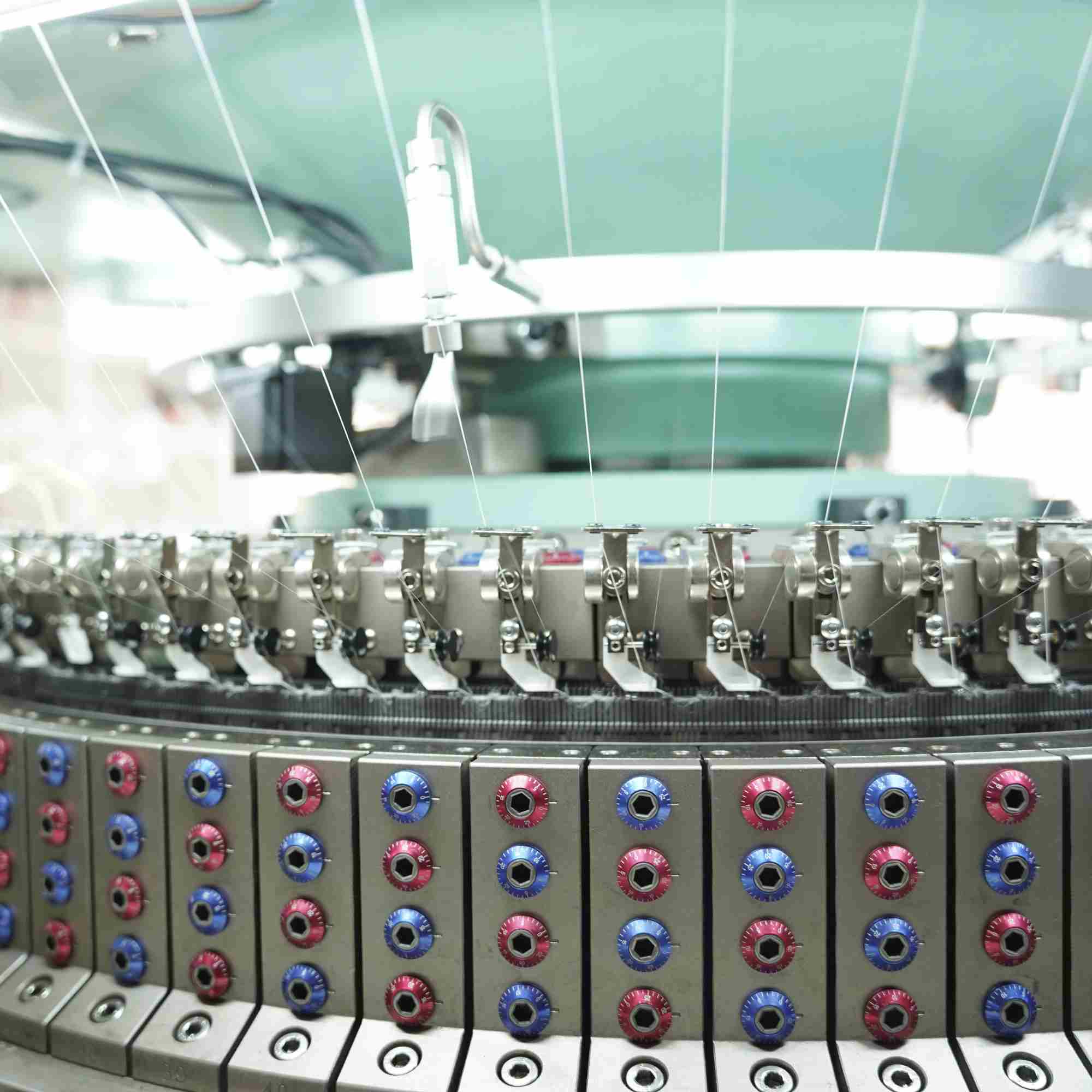
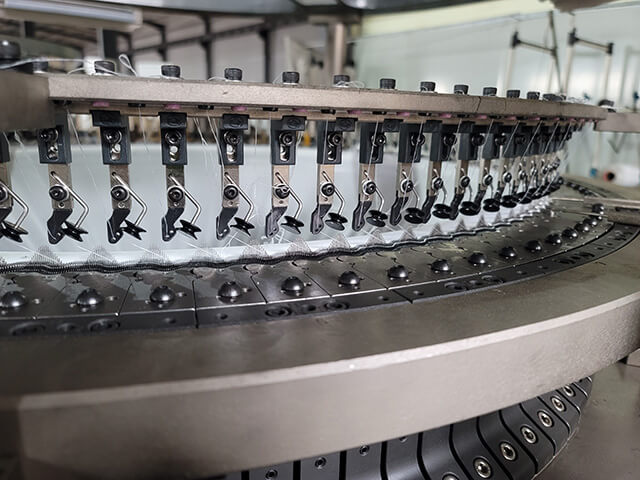
Circular knitting cylinder gauge and feeder configuration reference
Read diameter, gauge and installed systems as linked selection variables.
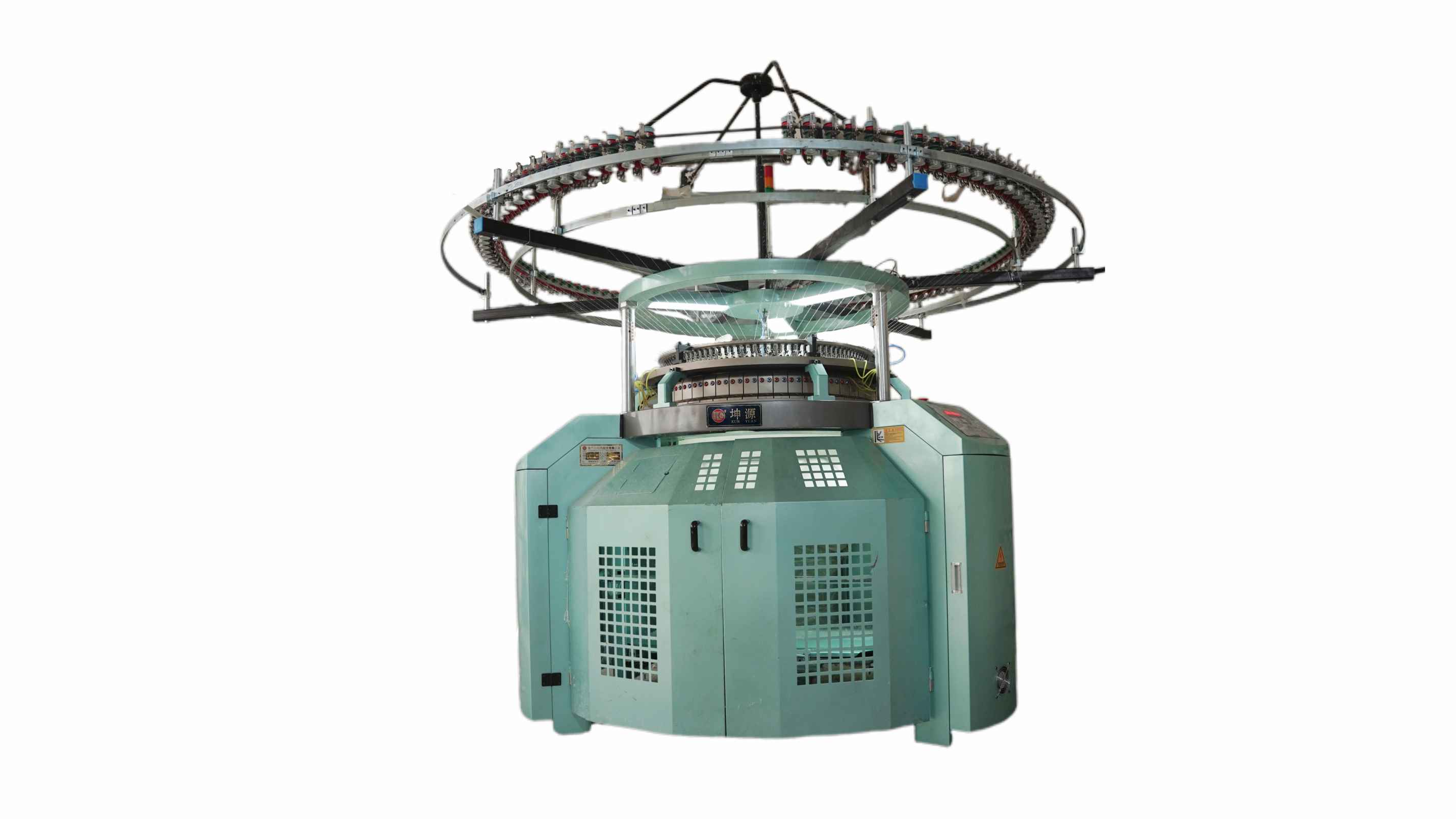
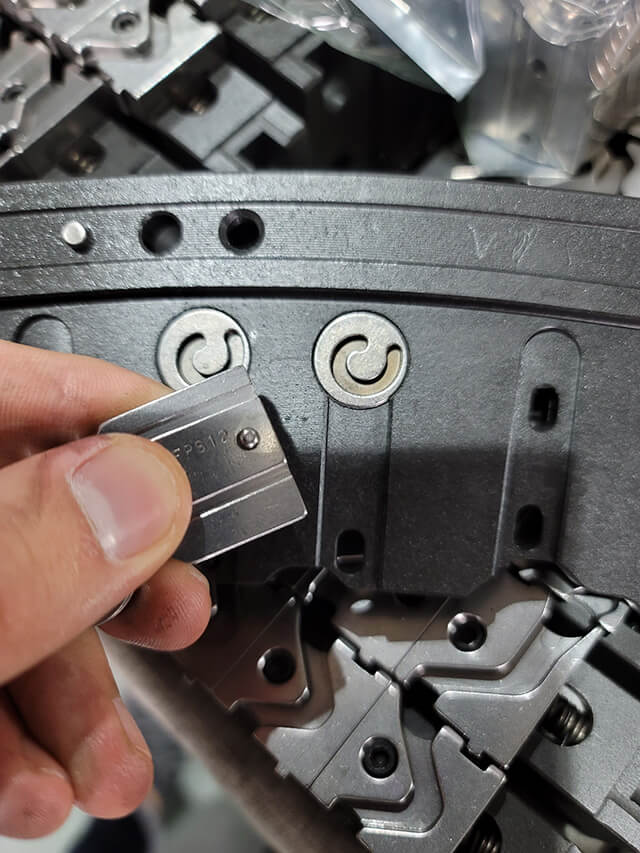
Finished fabric and lifecycle evidence used in a machine cost comparison
Base the budget on accepted output, changeovers and recoverable support.

Circular knitting machine selection cost ledger

Cost bandScope to recordEvidence basisBudget gate
Delivered machineExact diameter, gauge and installed systemsSigned configuration scheduleFabric envelope is covered
Product changeParts, labor, downtime and samplingObserved or supplier-approved routeEach change is costed
Ramp to outputSite, yarn, finish, training and lossFinished buyer-yarn acceptanceReceiving shift repeats
LifecycleSpares, service, maintenance and rejected fabricModel-specific support dossierOperating assumptions are funded

Circular knitting machine selection questions

Does a larger diameter mean a better machine?

No. Diameter must match the fabric form and offered configuration; quality and output still depend on structure, yarn, knitting systems and handling.

Does finer gauge guarantee lighter fabric?

No. Gauge affects needle density, while yarn, loop structure, stitch condition and finishing also influence fabric weight and character.

Can brochure range limits be combined into one specification?

Not unless the manufacturer confirms that exact model, diameter, gauge, feeder and option combination in the offer.

Why include finishing in the purchase trial?

Finished width, weight, surface and stability can differ from the greige condition that leaves the machine.

Which number should drive the cost comparison?

Use accepted finished output for the planned product mix together with changeover, downtime, spares and service assumptions.

Conclusion

Choosing a circular knitting machine is a configuration and operating-cost decision. The fabric brief determines which diameter, gauge and knitting systems deserve a trial; the cost stack then exposes conversion work, ramp-up loss and lifecycle support. A controlled quotation and finished buyer-yarn repeat provide stronger evidence than isolated catalogue values or purchase price.

Use this cost ledger while comparing the industrial circular knitting machine range and require each quoted diameter, gauge and option set to connect to a finished fabric brief, trial record and support plan.

Need Help?
Please leave your contact information to get our latest catalog
Get In Touch Now >
Kunyuan Machinery Manufacturer

Tel: +86-13859034518

Email: info@kunyuanmachine.com

MP/WhatsApp: +86-13859034518

Manufacturer Address:Bacuo Village, Yonghe Town, Jinjiang City, Fujian Province

NEW KEYWORD

About Us

Products

Information