

Hot Keyword:
Author:KUNYUAN Machine Manufacturer TIME:2026-08-30
A used circular knitting machine may still serve a defined fabric program, training cell or controlled development role. Its application is credible only after the actual build, wear state, retrofit scope and repeatable fabric result have been reconciled.
Legacy material associated old machines with basic fabrics, elastic articles, patterns, samples and training. Those are application directions, not evidence that one unidentified machine can perform them today. Start with the nameplate, model and suffix, diameter and gauge conventions, knitting system, feeds, take-down, controls, option hardware, manuals, maintenance history and available parts. Mark every absent record rather than replacing it with a family-level assumption.
Manufacturer pages show that upgrade kits, service and parts are specific to supported machine families and revisions. They do not establish a universal retrofit path for a second-hand unit. Physical inspection and energized testing must follow the owner, manufacturer and applicable safety procedures. A used-machine decision should end in one buyer-yarn fabric route that the delivered and recommissioned serial configuration can repeat.
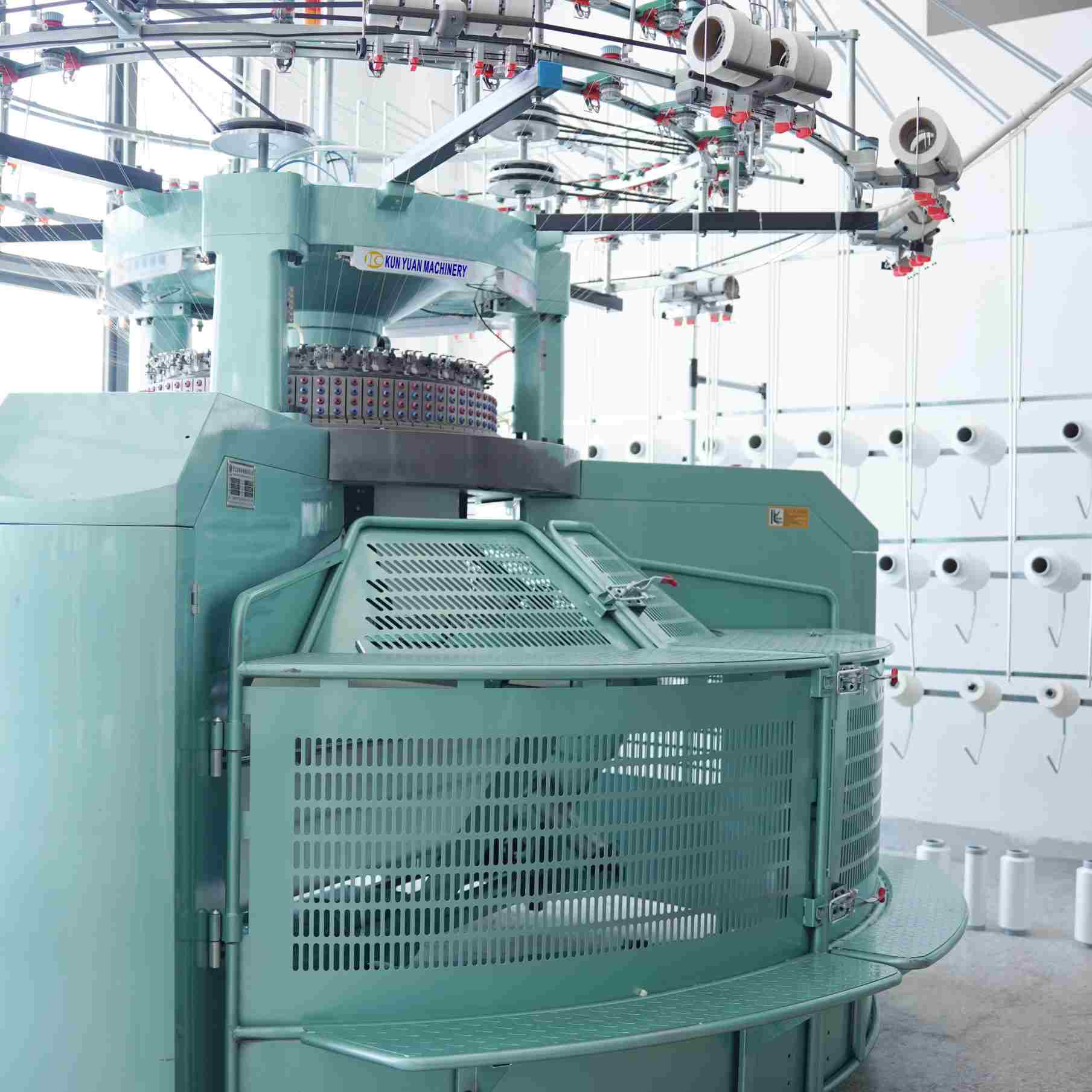
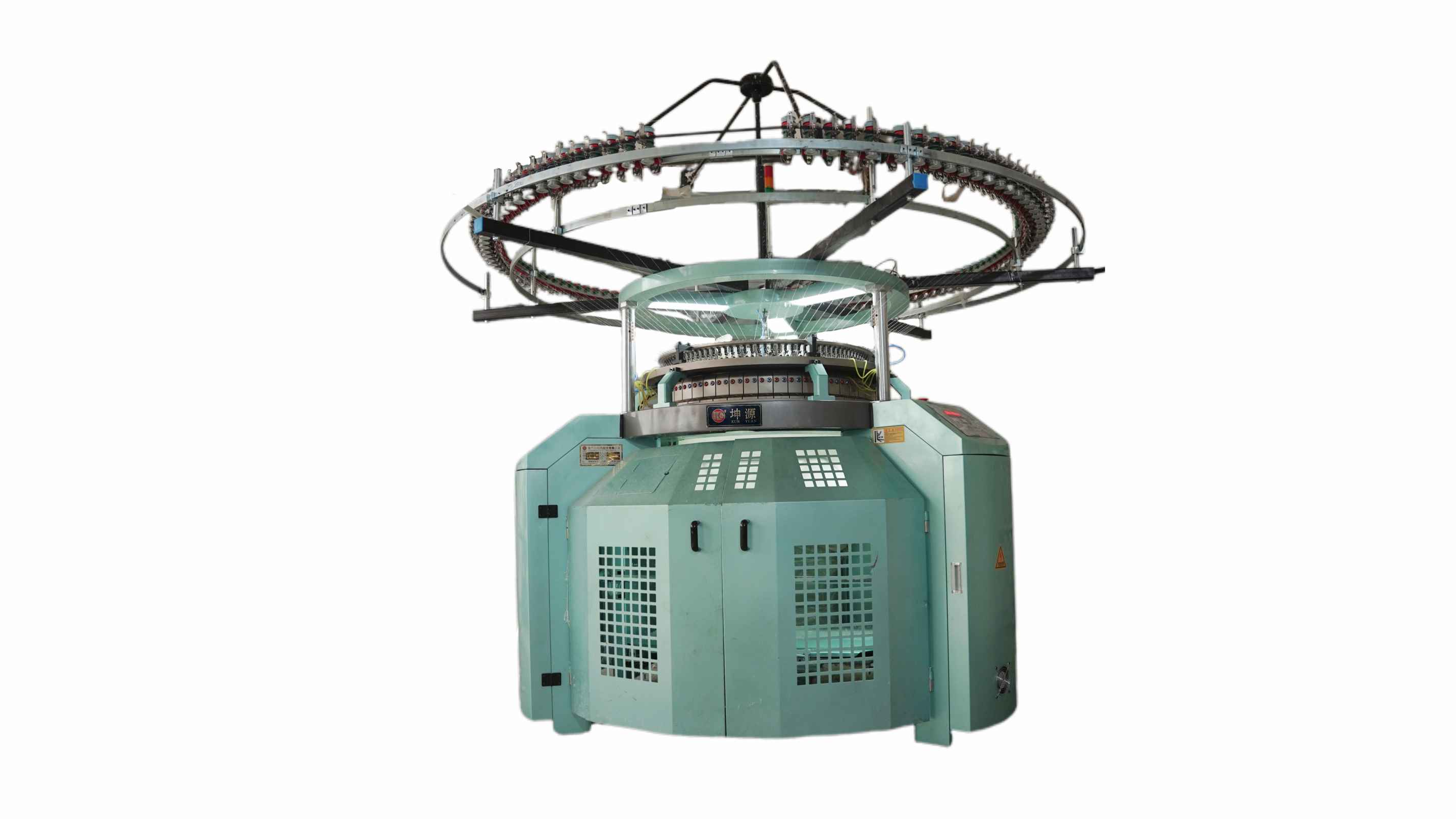
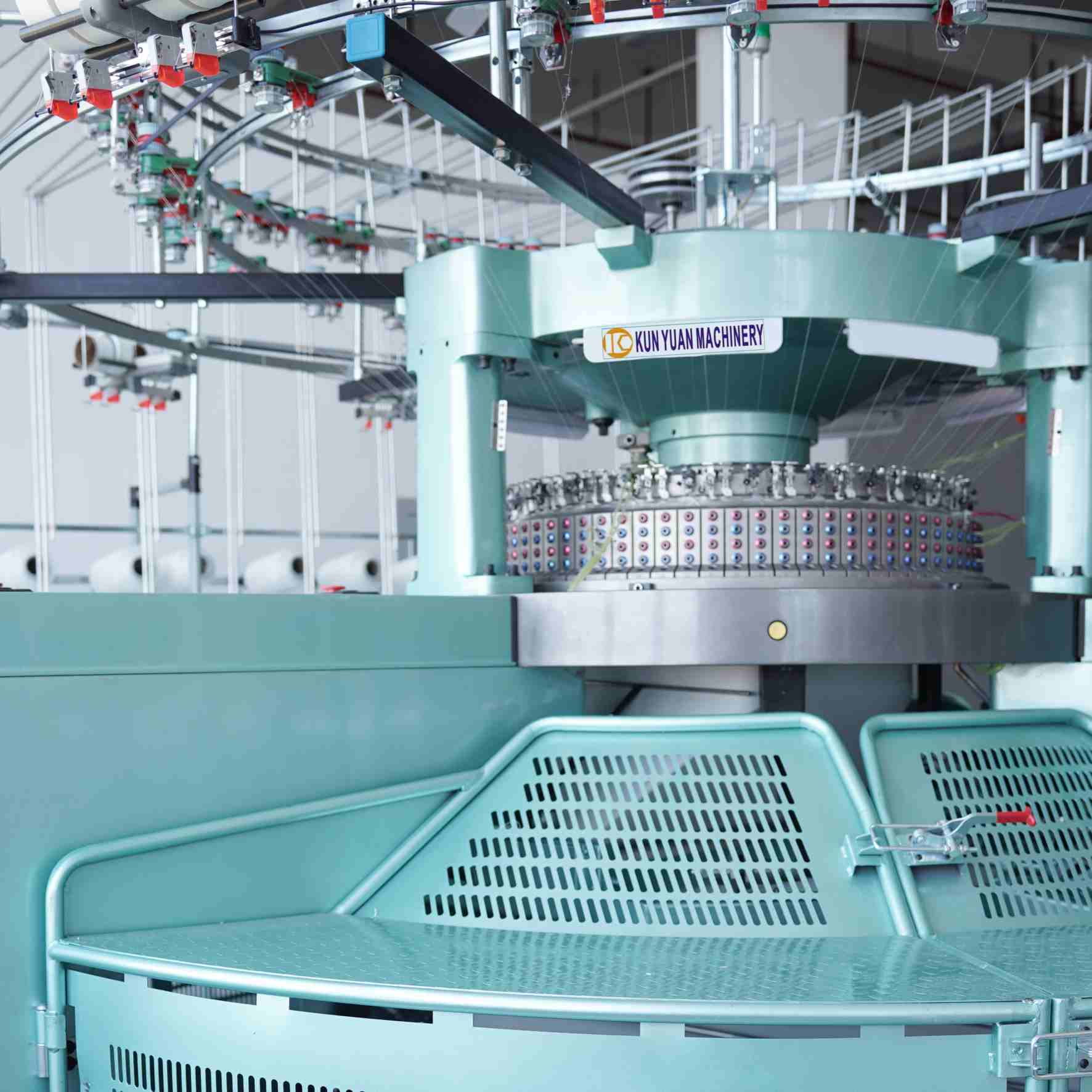
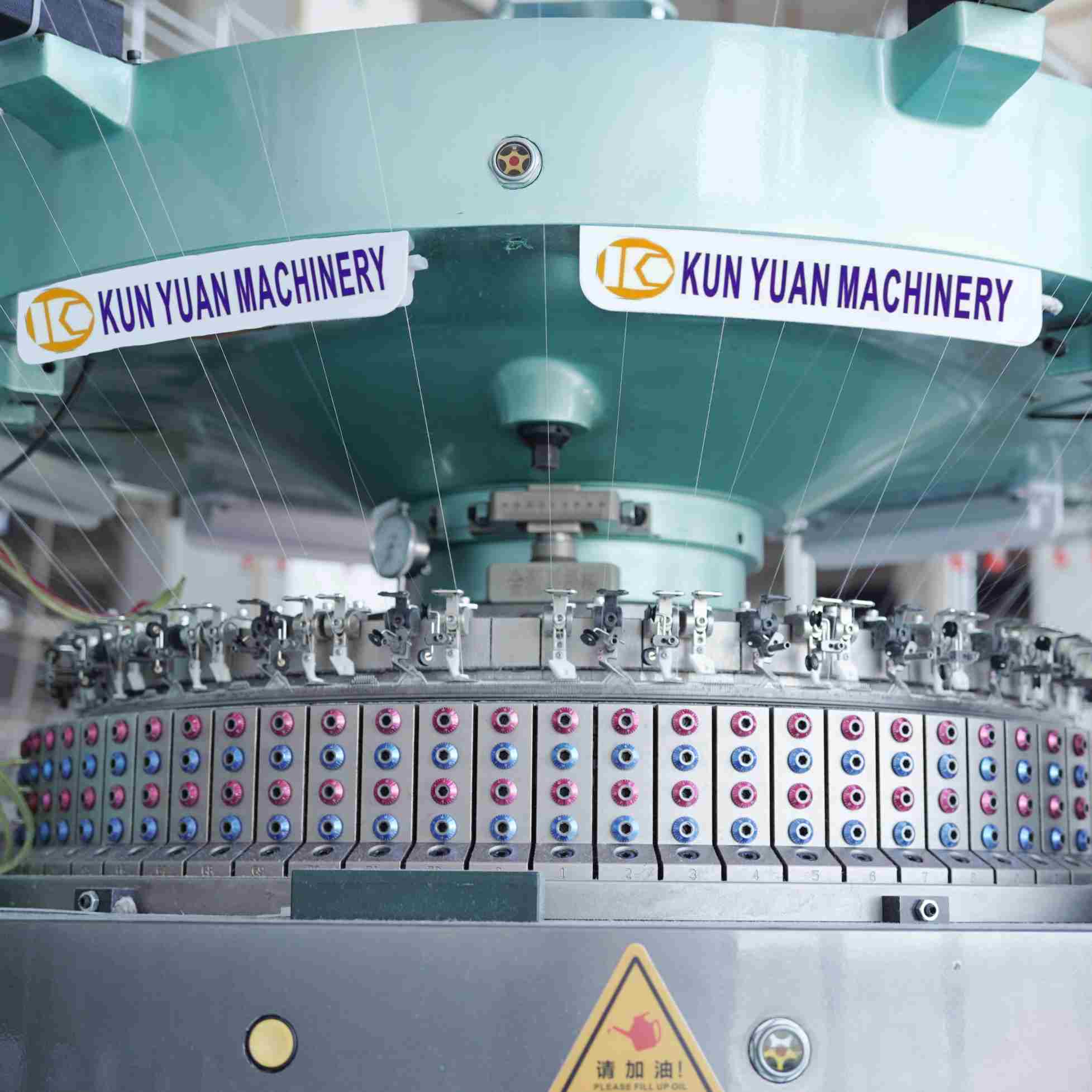
Photograph the full machine, nameplate and installed systems without treating fresh paint as condition evidence. Reconcile manufacturer, model, suffix, serial or build reference, year where documented, knitting head, cylinder and dial where fitted, feeders, yarn delivery, take-down, controls, detectors and auxiliary units. Compare the physical unit with manuals, parts lists, electrical drawings and prior invoices. List substitutions and missing covers, cables, sensors or components by position.
Classify every document and subsystem as verified, inconsistent, inaccessible or absent. A control cabinet from a later revision, an unmarked cylinder or a replacement feeder package may change compatibility even when the frame identity is clear. If the seller cannot demonstrate a relationship between the nameplate and the current build, carry that uncertainty into inspection cost and application limits instead of constructing a specification from photographs.
| Observed risk | Evidence required | Controlled response | Release condition |
|---|---|---|---|
| Identity mismatch | Plate, hardware and document register | Resolve or declare unsupported scope | One current build record |
| Wear or control symptom | Position, method and baseline fabric | Qualified single-layer inspection | Finding is attributable |
| Retrofit dependency | Compatibility, owner and acceptance plan | Separate recovery from expansion | Exact model support |
| Production uncertainty | Buyer-yarn marked run and finish | Repeat after site recommissioning | Accepted output recurs |
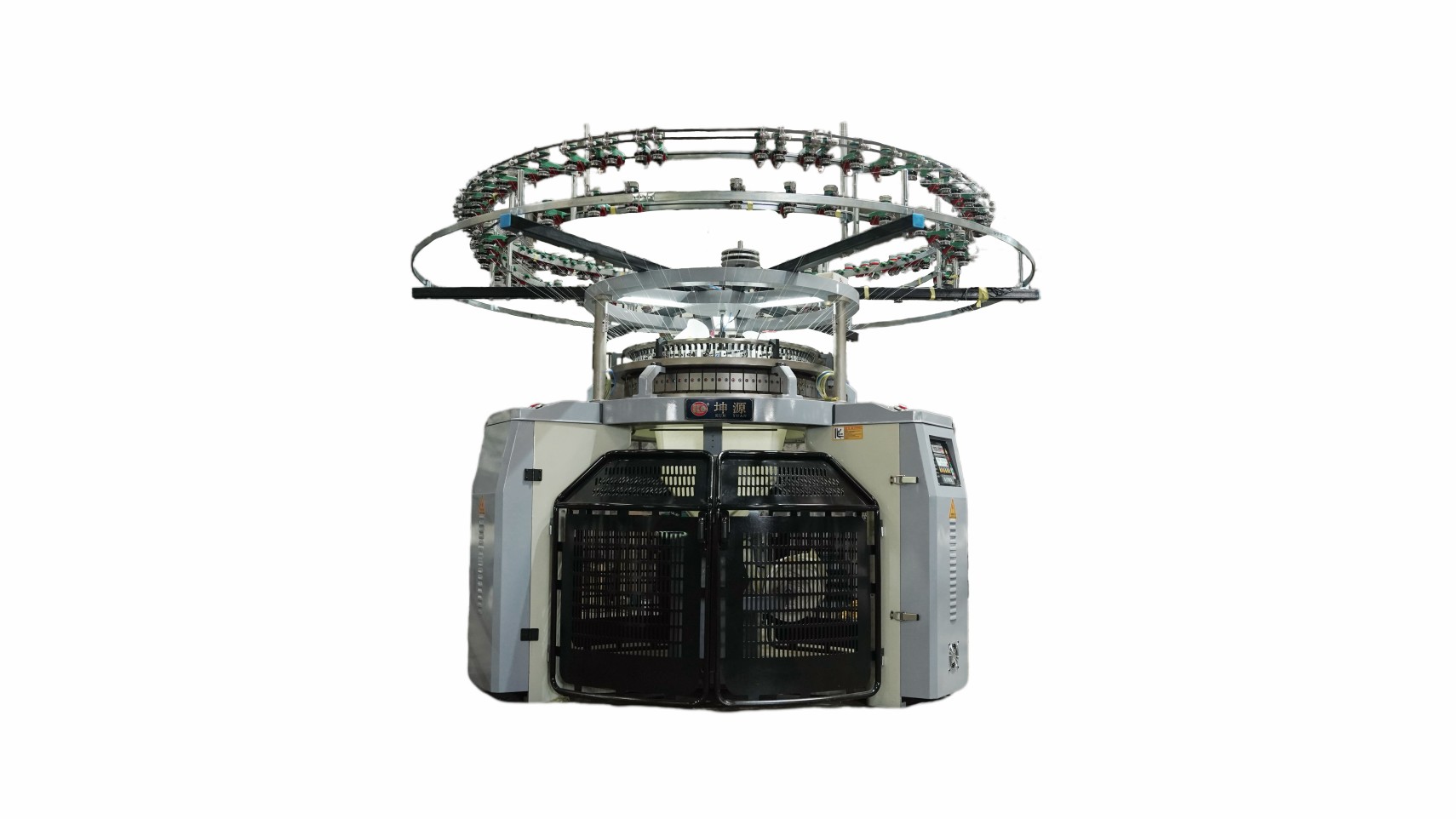
Plan the inspection around safe access and qualified roles. Record observable condition of the knitting elements and mating systems, yarn paths, lubrication evidence, drive and bearing indications, stop motions, wiring, guarding, take-down and winding. Use manufacturer-approved measurements and service methods for the exact build; this page does not supply clearances, runout limits or adjustment values. Preserve removed parts and note their original locations.
Tie each finding to an operating or fabric consequence that can be tested. A fixed vertical mark, recurrent stop, unstable roll, control alarm or unusual noise opens a different evidence path. Avoid replacing several systems before baseline fabric is captured unless safety or damage risk forbids running. When operation is unsafe or documentation is insufficient, the correct result is a held trial and a specialist inspection, not an optimistic production estimate.
Build two lists. Recovery scope contains work required to restore the documented original or accepted state, including confirmed parts, safe controls, guarding, lubrication route, electrical records and verified take-down. Expansion scope contains new monitoring, controls, yarn systems, conversion kits or fabric capabilities. For each item, require model compatibility, supplier, included software or license, installation owner, lead time, acceptance test and rollback or spare strategy.
An upgrade offered for one manufacturer and revision does not transfer to another used machine. Request written compatibility and identify interfaces that remain original. Cost dismantling marks, packing, transport, foundation or utilities, reassembly, alignment checks, commissioning, training and initial spares. If an obsolete control or unique mechanical part lacks a documented support route, show the resulting production limit instead of assuming a modern replacement will integrate.
Choose one commercial structure within the evidenced machine scope. Freeze yarn lots, package map, configuration, job records, intended operating window and downstream finish. Run enough material to cover warm-up, stable operation, a package event, planned stop and restart. Mark all interventions on the roll. Inspect both faces and the full width or circumference for repeating geometry, then reconcile running time, stops, gross fabric and held sections.
Send identified pieces through the required relaxation, dyeing or other finish and measure the actual application criteria. After delivery and recommissioning, repeat the same route with mill operators. Keep the pre-sale, post-retrofit and site samples together. The machine enters production only when the delivered unit reproduces accepted finished fabric without undocumented seller intervention and the remaining limits are explicit.
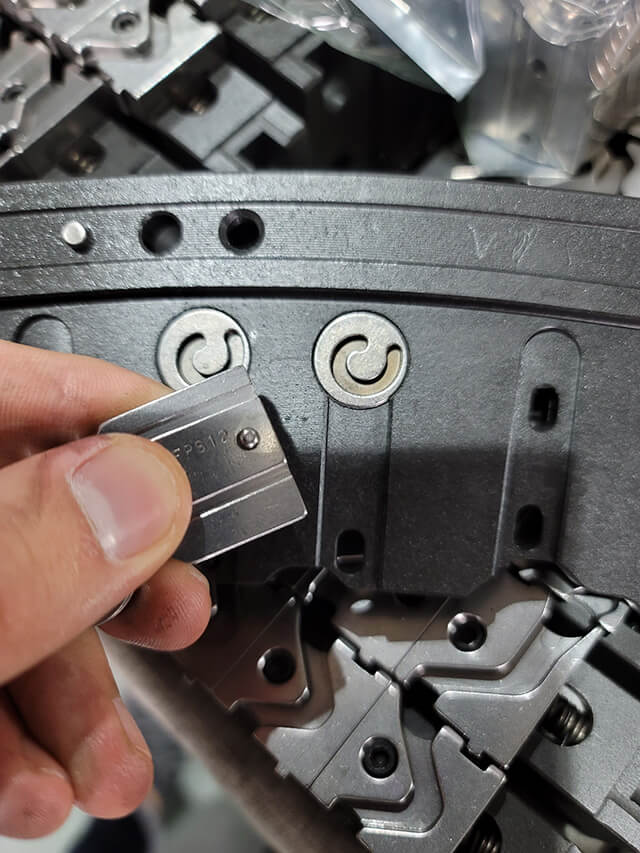
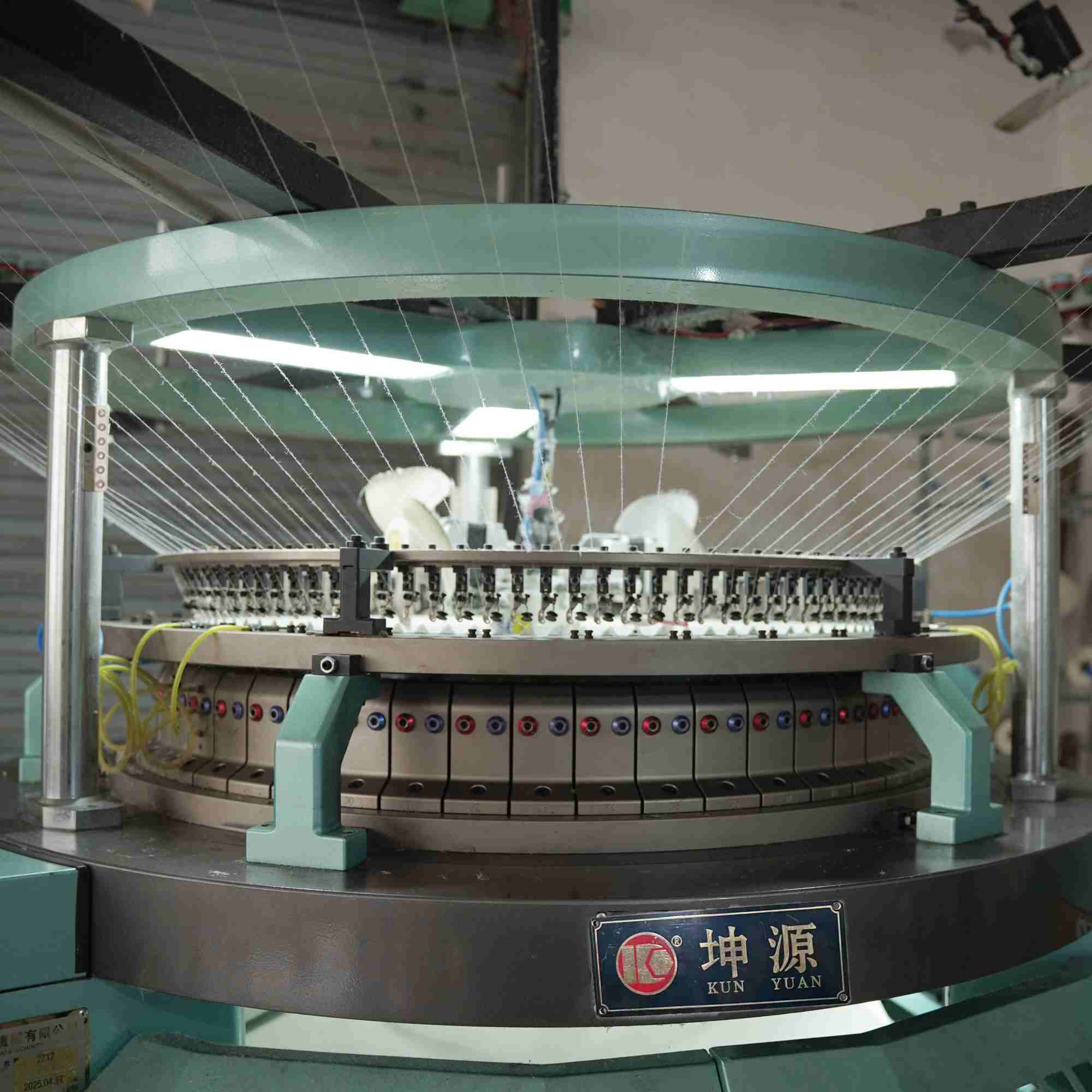
No. They can record visible identity and condition, but documents, qualified inspection and a traceable fabric trial are still required.
No. Separate work needed to restore a supported state from optional changes intended to expand production.
Only when its manufacturer or qualified supplier confirms the exact model, revision, interfaces and acceptance route.
Cover warm-up, stable running, normal yarn events, stop and restart, complete fabric inspection and the intended finish.
Hold it when identity, safe access, critical parts, control support or site repeatability cannot be demonstrated.
A used circular knitting machine is a recoverable production system only when evidence survives four boundaries. Identity defines what is present, inspection reveals what is serviceable, retrofit records show what is supportable, and the site trial proves what is saleable. Keeping those layers separate prevents visible refurbishment or borrowed specifications from becoming an unsupported application claim.
Use this recovery map when reviewing a second-hand circular knitting machine range and require serial-level inspection, documented retrofit ownership and a site-repeated finished sample.

 Tel: +86-13859034518
 Email: info@kunyuanmachine.com
 MP/WhatsApp: +86-13859034518
 Manufacturer Address:Bacuo Village, Yonghe Town, Jinjiang City, Fujian Province