

Hot Keyword:
Author:KUNYUAN Machine Manufacturer TIME:2026-08-30
Purchase price is visible, but delivered cost also reflects the exact build, freight boundary, installation, utilities, trials, training, spares and the time needed to produce accepted fabric. A useful comparison keeps those lines separate and labels every estimate.
Define the production case before collecting prices. For each target fabric, state structure, yarns, finished width and weight, quality rule, finishing route, annual or shift demand and expected share of the mix. Then request one deliverable configuration for that case. Manufacturer selectors show that diameter, gauge, feeds and machine systems vary by model; combining the best specification from several variants creates a price for a machine that was never offered.
Use a common currency, tax treatment, delivery point and time basis for every option. Separate supplier-confirmed amounts from buyer estimates and unknowns. The ledger is not a universal return-on-investment promise: it is a transparent way to see which cost difference comes from scope, site work, production loss or support, and which line still requires evidence.
Place the exact model, diameter, gauge, active feed basis, needle-bed arrangement, yarn-delivery systems, take-down, controls, options and exclusions on one configuration sheet. Add freight term, packaging, insurance responsibility, duties or taxes where applicable, unloading, foundations, utilities, guarding, commissioning, training and initial spares as separate lines.
The comparison should show who supplies and pays for each line, not hide missing work inside contingency. If an option is needed for one boundary fabric, attach it to that fabric and its price. An unpriced or trial-dependent feature remains an open item. This produces a delivered-scope total without pretending that every future operating expense is already known.
| Ledger block | Primary unit | Evidence basis | Comparison use |
|---|---|---|---|
| Installed scope | Currency at common delivery point | Signed configuration and responsibility schedule | Normalize quotation boundary |
| Accepted output | kg or m per scheduled hour | Timed trial and fabric disposition | Build operating denominator |
| Changeover | Hours and material per event | Observed route and planned frequency | Adjust mixed-product capacity |
| Recovery exposure | Scenario amount and duration | Spares and support commitments | Show unresolved lifecycle risk |
Choose the changes that actually occur in the product plan: yarn or colour, fabric structure, diameter or gauge setup, pattern file, take-down form or planned maintenance. Time from the last accepted roll under the old setup to the first accepted roll under the new one. Record labour, conversion parts, cleaning, threading, trial fabric and any technician support.
Convert the observed burden into the planned change frequency without double-counting normal downtime. A lower purchase price can lose its advantage when the required mix creates long conversions or repeated start-up waste; a more expensive option is not automatically better either. The ledger makes the sensitivity visible so planners can test realistic schedules.
List critical wear parts, delivered references, initial quantities, lead-time evidence, software or controller backups, remote-support conditions, technician location, warranty exclusions and escalation contacts. Use supplier commitments where documented. Do not assign a universal component life or guaranteed response time when the evidence does not support one.
Build low, expected and stress scenarios for unresolved lines such as customs delay, site modification, spare replenishment or a long service event. State the assumption beside the result and avoid presenting the stress case as a forecast. The final comparison should show both calculated delivered cost and the remaining exposure that procurement must close before order release.

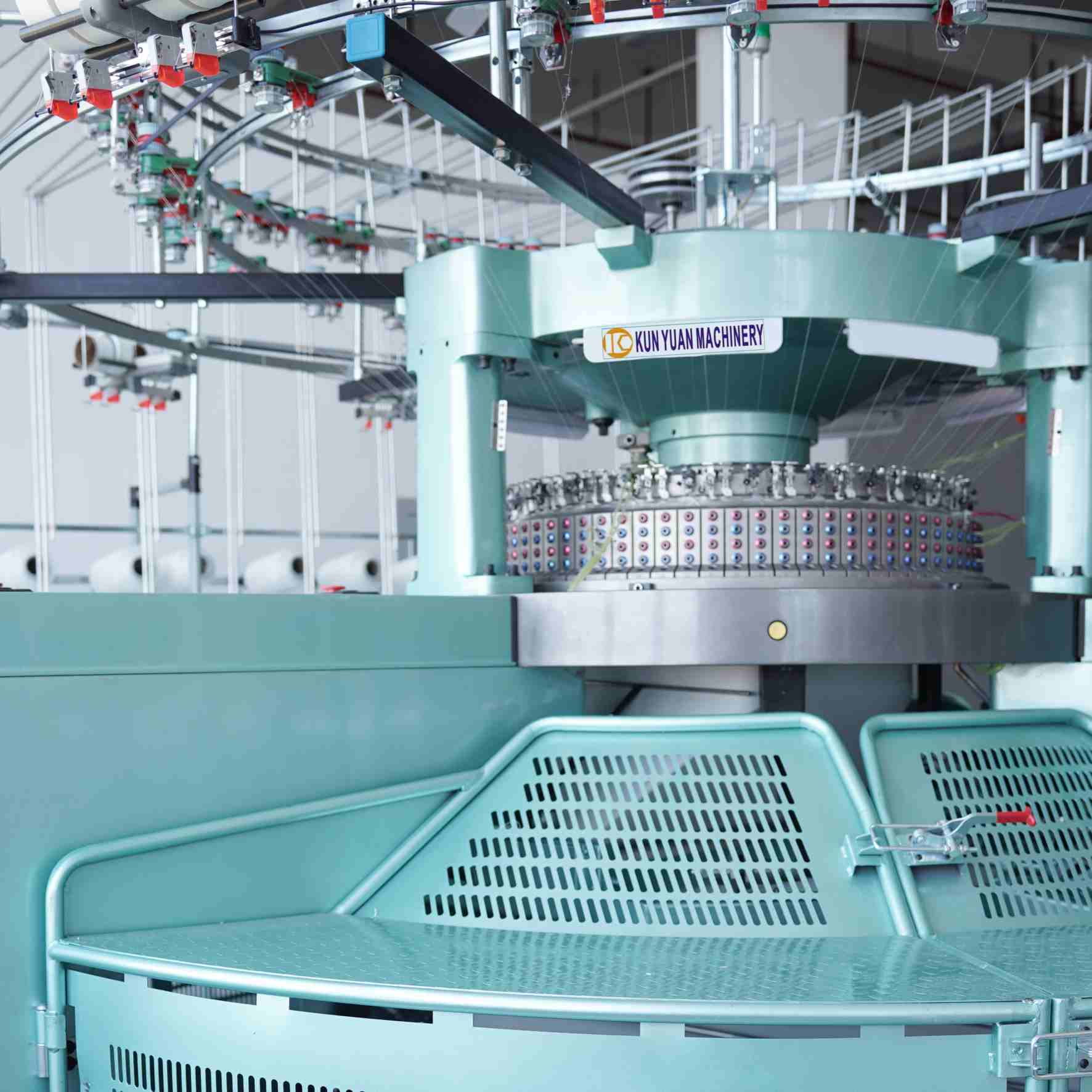
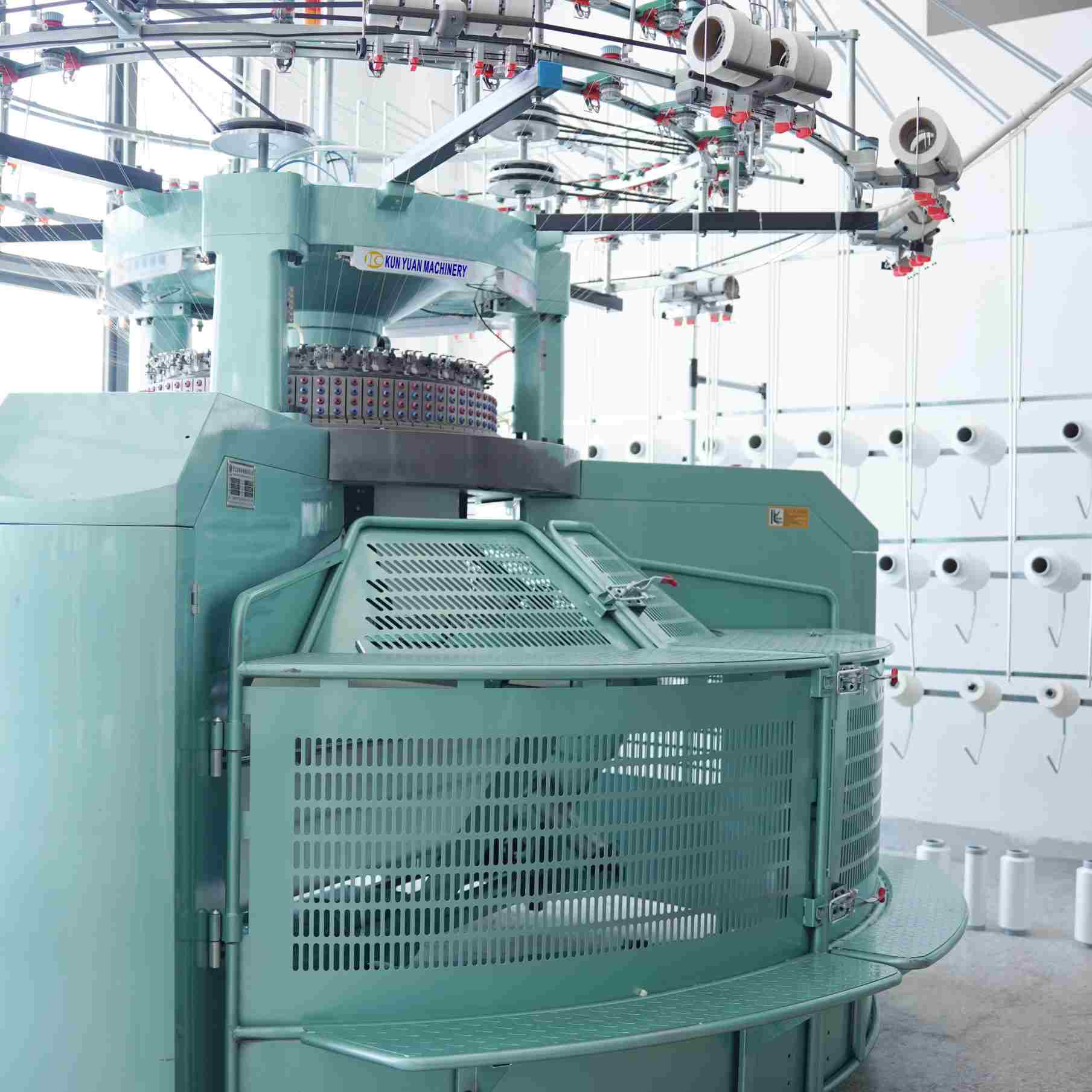
Their feeds, beds, controls, yarn systems, take-down, options, included services and commercial boundaries may differ. Compare one exact delivered build.
Include costs that belong to the buyer's chosen delivery basis, but label tax, duty and logistics assumptions rather than treating them as universal.
Not necessarily. Cost depends on stable running time, accepted yield, product mix, changeovers and support as well as observed speed.
Keep them as open lines or defined scenarios with a source and owner. Do not hide uncertainty in a single unexplained contingency percentage.
Accepted fabric per scheduled time under the same article and inspection method creates a useful operating basis, alongside the normalized delivered scope.
Industrial circular knitting machine price becomes decision-grade when the buyer can reconcile the installed scope and trace operating assumptions to accepted fabric, real changeovers and documented recovery support. The ledger does not predict every future cost; it prevents a low headline price or isolated speed figure from silently deciding the project.
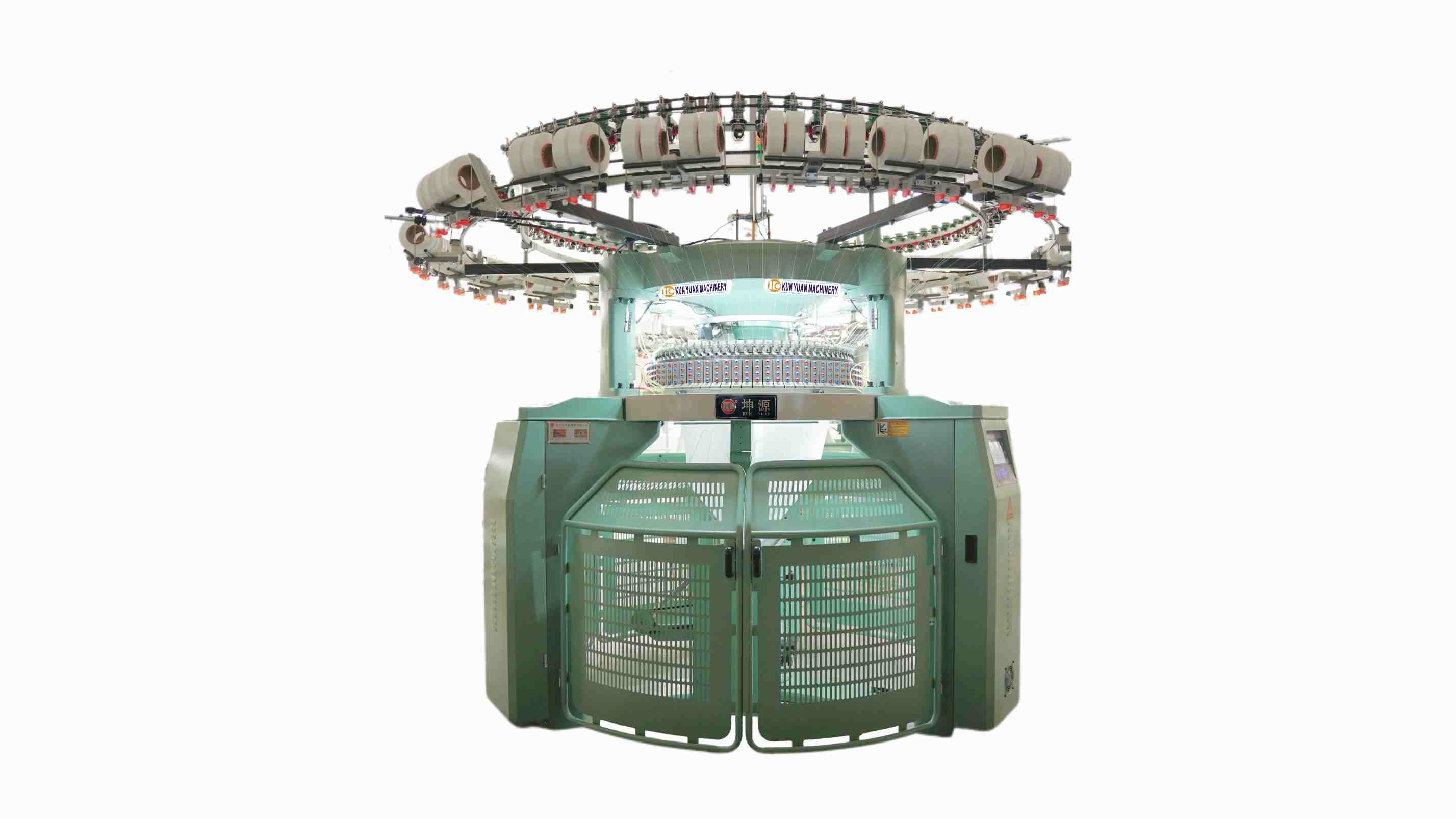
Build the same delivered-cost ledger while comparing the industrial circular knitting machine range and keep every quoted configuration, trial denominator and support assumption visible on its own line.

 Tel: +86-13859034518
 Email: info@kunyuanmachine.com
 MP/WhatsApp: +86-13859034518
 Manufacturer Address:Bacuo Village, Yonghe Town, Jinjiang City, Fujian Province