A needle number without its bed and reference point is an incomplete repair record
Double-jersey line investigations become difficult when one shift records a needle number and the next assumes a different bed or counting direction. A consistent cylinder-dial position log turns the fabric mark into a location that another technician can find again.
CottonWorks illustrates a double-knit needle line attributed to a bent needle. Groz-Beckert describes double-jersey needles in both cylinder and dial. These are reasons to preserve location evidence; they are not proof that every vertical stripe needs needle replacement or timing adjustment. Yarn presentation, contamination and other mechanisms still need assessment where the observations point to them.
Use the following service ledger as a suggested mill record. Establish its coordinate convention with the machine supplier or responsible technician before inspecting protected areas. The article deliberately gives no alignment clearance, timing value or universal numbering system. The intended result is a reproducible link among fabric, machine position, intervention and subsequent appearance, including cases where the first suspected cause was wrong.
Entry 1 - establish the bed, origin and direction convention
Record the machine identity, knitted structure and the cylinder and dial references used by that installation. Name the counting origin and direction for each bed, and distinguish a needle position from a feeder, track or controller selection address. A bare number copied from another machine is insufficient even where diameters and gauges appear identical.
Add a simple reference photograph or approved drawing to the service record outside this article. Describe how a trained technician locates the origin with the machine safely stopped. If a cylinder, dial or relevant reference component changes, version the coordinate key. Historical entries must retain their original key so the maintenance team can distinguish a recurring physical location from an accidental reuse of the same number.
Entry 2 - preserve orientation from the roll to the suspected position
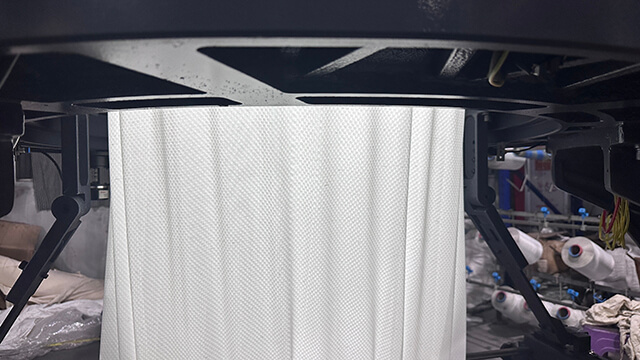
Mark roll identity, production time, fabric face, knitting direction and the visible line before removing a sample. Inspect both sides in a consistent relaxed state, recording whether the line follows a stable wale location, appears across several adjacent wales or changes around a stop. Capture the surrounding fabric so a cropped photograph does not erase the defect's spatial context.
A technician should establish the relationship between the marked fabric and the machine under the approved procedure, noting any uncertainty introduced by take-down, spreading or handling. Record suspected cylinder and dial positions separately rather than assigning the same number to both beds. If the line cannot yet be mapped, retain an unassigned observation entry; an honest unresolved location is more useful than a precise but invented coordinate.
Entry 3 - describe what was found before describing what was changed
For each inspected location, log the needle or element designation and the observed condition. Distinguish a confirmed bent component, contamination or visible wear from an unconfirmed suspicion. Where replacement is justified, identify the removed and replacement parts and keep the removed item associated with its location according to the mill's service practice.
Record the responsible technician, intervention time and the first post-service roll marker. Avoid an entry such as needles changed that omits bed and position. If several locations need urgent repair, list them individually and acknowledge that the trial will evaluate the combined intervention. The log must also record inspected positions where no defect was found, preventing the next shift from repeating the same assumption without new evidence.
Entry 4 - compare the same location after service and at the next occurrence
Knit an identified verification interval and compare the mapped area with the retained pre-service piece under matching inspection conditions. Check both faces and, when relevant to the order, the finished sample. Log whether the original line disappeared, moved, widened or remained unchanged; each outcome updates the diagnosis differently. Do not close a repair solely because the machine restarted successfully.
When the complaint recurs, compare bed, location, time in service, yarn and recent interventions. Repeated damage at one coordinate should prompt a qualified investigation of the associated system rather than indefinite identical replacements. A different location or a different appearance may be a new issue. Close each record with its verification evidence and material disposition, retaining unresolved hypotheses for the next planned review.
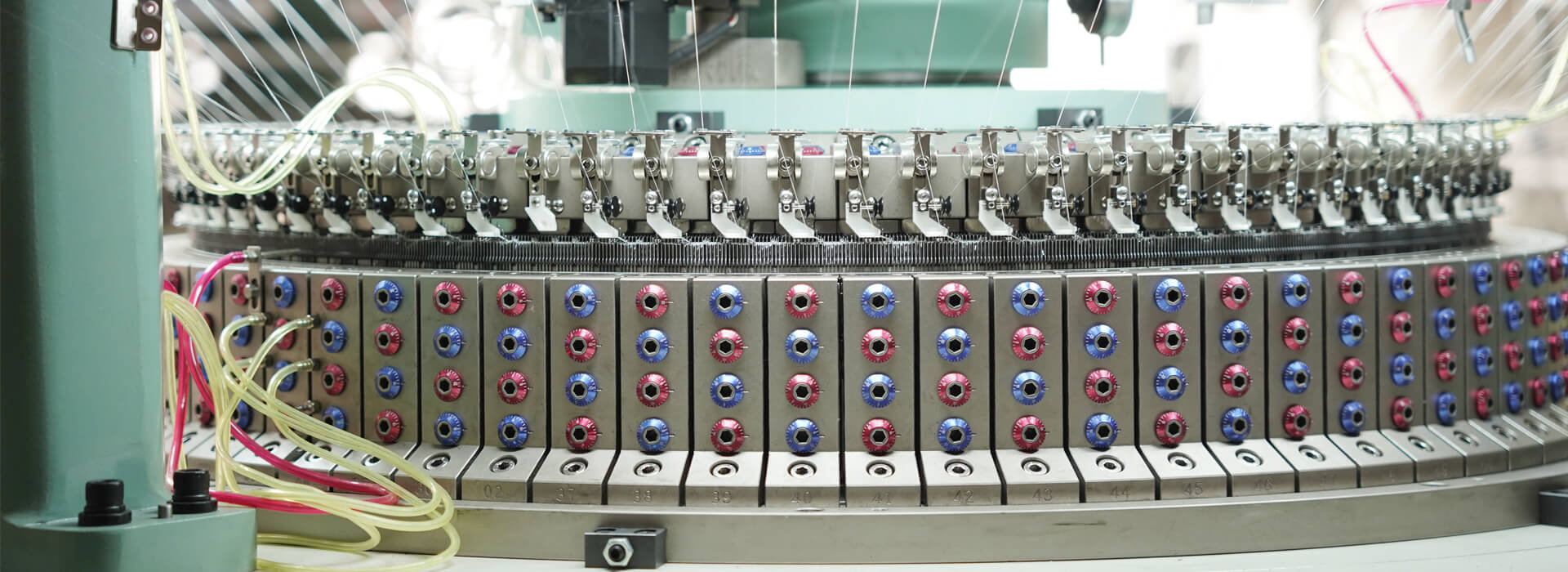
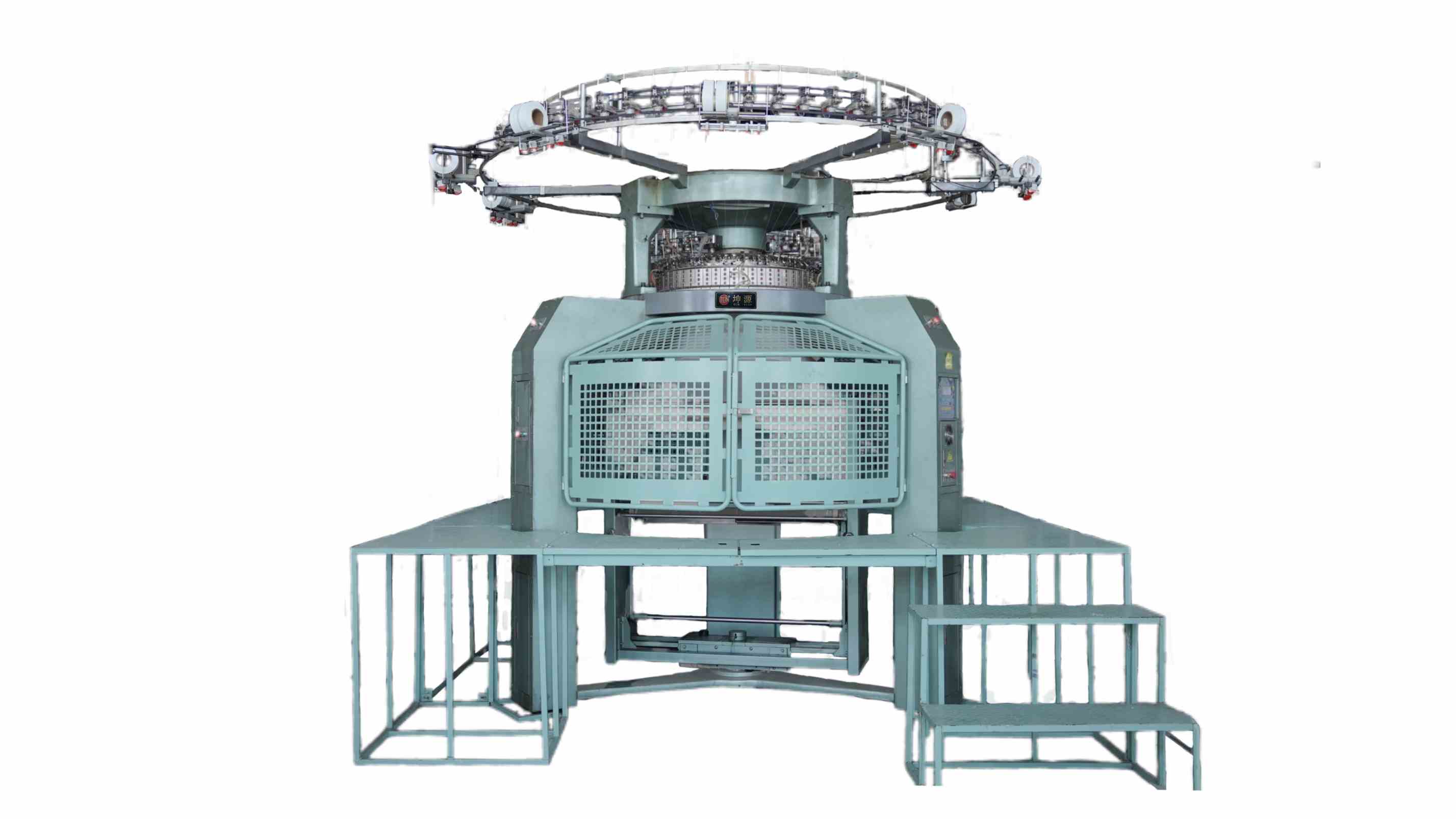
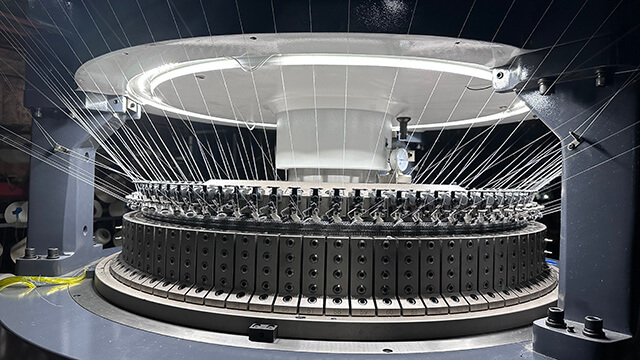
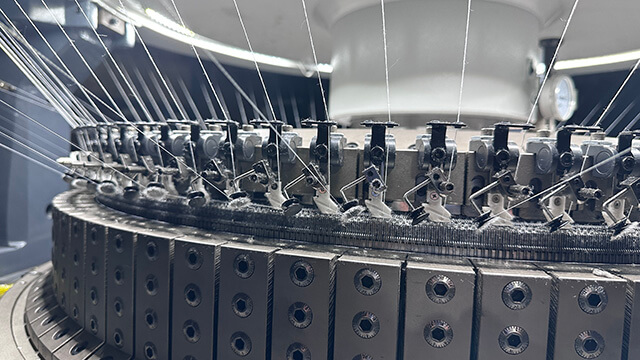
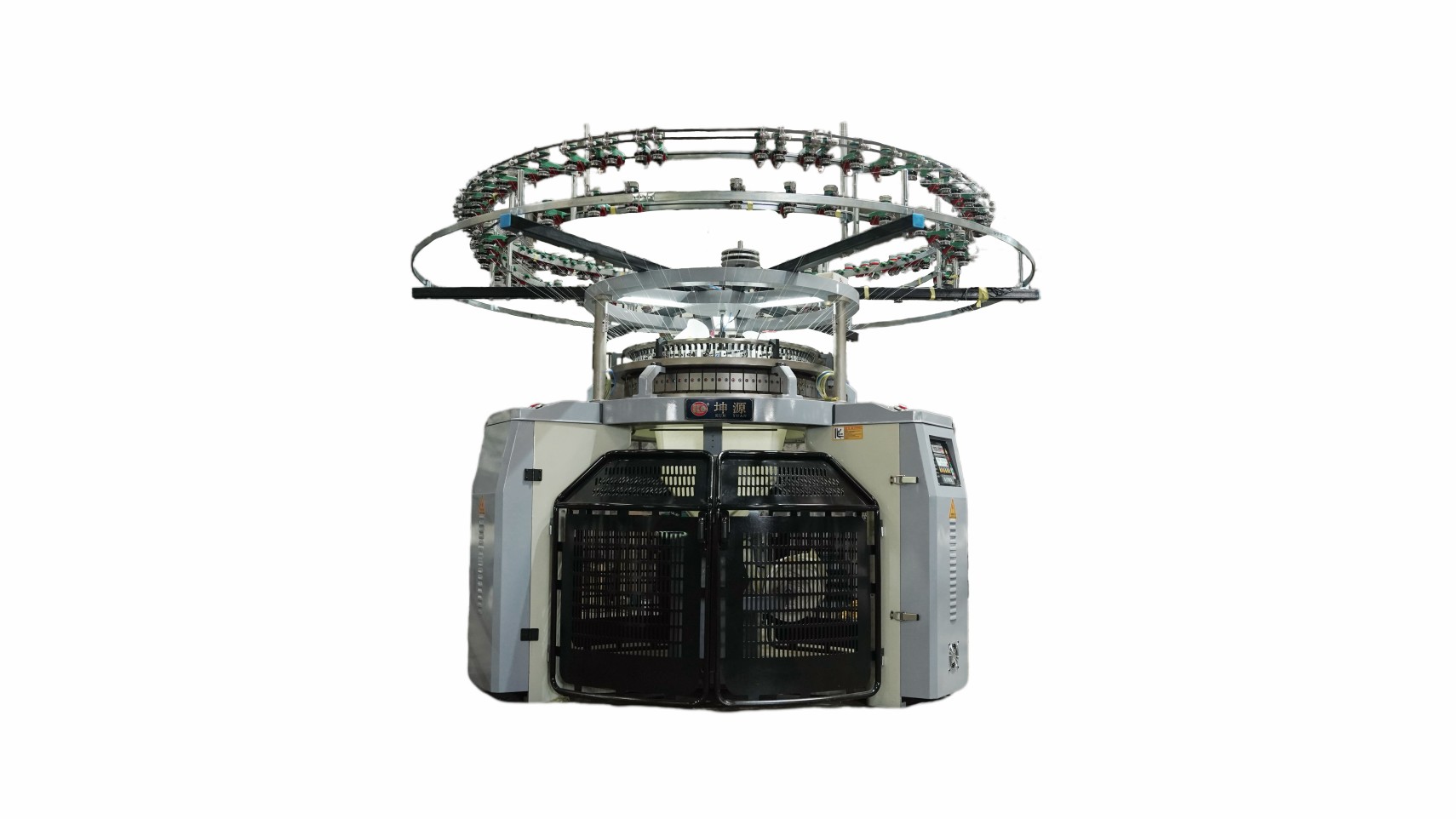
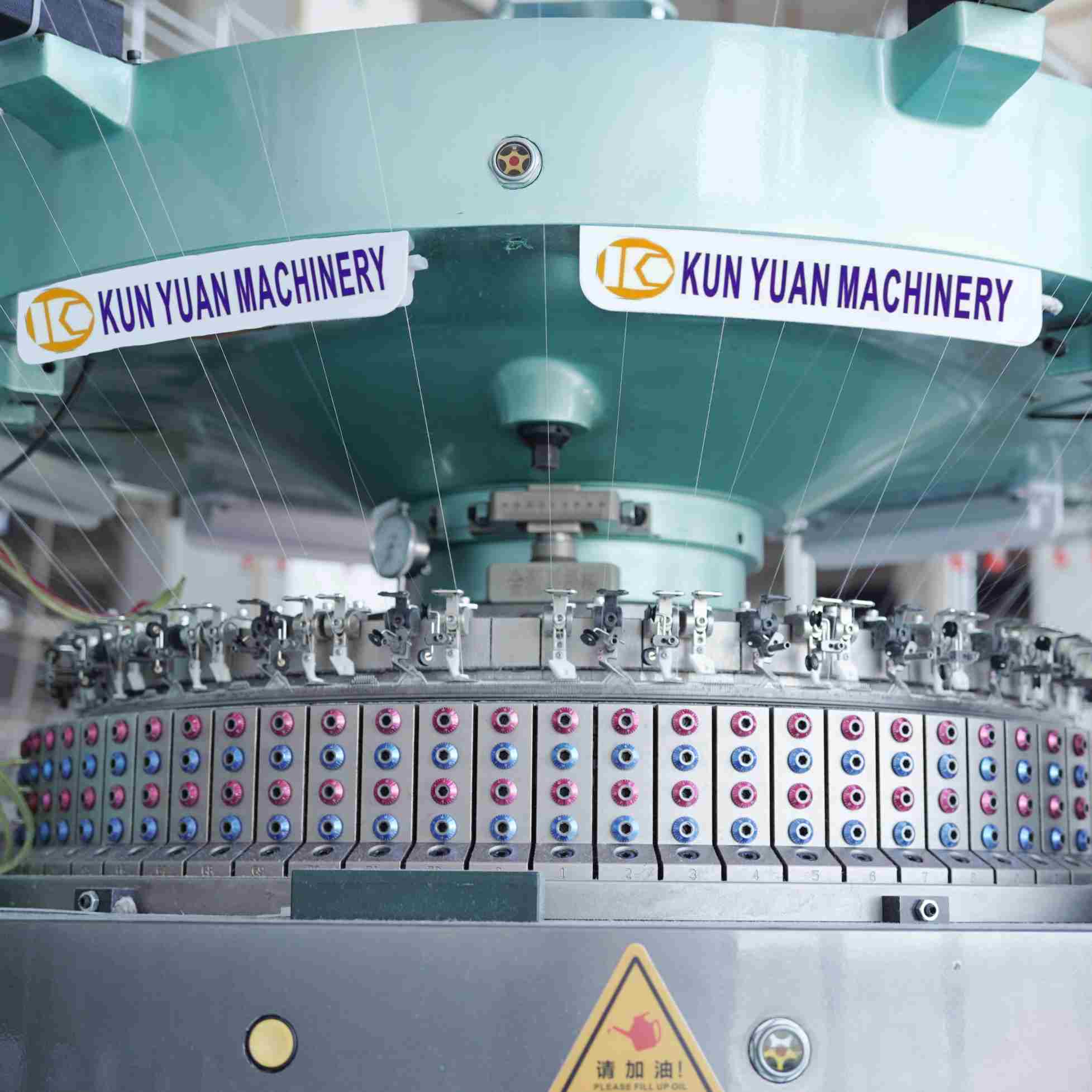
Use the installed machine's own cylinder and dial references.Catalogue imagery is not a map of the damaged needle position.Attach actual oriented fabric evidence to each service entry.
Recommended cylinder-dial line service log
Record field
Required distinction
Evidence
Closeout question
Position
Cylinder or dial; origin and direction
Coordinate-key revision
Can another technician find it?
Fabric
Face, roll and oriented line
Marked pre-service sample
Is the machine relationship supported?
Service
Observed defect versus suspected cause
Part and intervention entry
What physically changed?
Verification
Disappeared, moved or persisted
Matching post-service sample
Is a recurring cause still open?
Needle-line service-log questions
Can a visible wale number be copied directly as a needle number?
Only after the installed structure and orientation establish that relationship. Preserve uncertainty where handling or the two-bed construction prevents a direct mapping.
Must both beds be replaced to remove a line?
No such general rule follows from the sources. Inspect the mapped evidence and replace only components justified by the qualified service assessment.
What makes an entry reusable by the next shift?
Machine identity, coordinate-key revision, bed, position, observed condition, intervention and an oriented sample reference should remain connected.
Why retain a record when no damaged needle is found?
It documents a tested hypothesis and prevents repeated unsupported replacements. The unresolved fabric observation remains available for another diagnostic branch.
What does recurrence at the same position mean?
It is a reason to investigate the associated mechanism and conditions. It does not, by itself, prove a particular timing, cam or yarn fault.
Conclusion
The value of a two-bed log appears at the second repair. A technician can compare a location and outcome instead of reconstructing an earlier shift's memory. Keep the coordinate key stable, make uncertainty visible and preserve the original fabric orientation; that record makes repeated needle-line work cumulative rather than a series of disconnected replacements.





 Tel: +86-13859034518
 Email: info@kunyuanmachine.com
 MP/WhatsApp: +86-13859034518
 Manufacturer Address:Bacuo Village, Yonghe Town, Jinjiang City, Fujian Province