A loop change and a finish change need separate comparison paths
When a terry sample wets slowly, increasing the loops may be an expensive response to the wrong variable. Compare structure and finishing independently, and first define whether the product needs rapid wetting, water-holding capacity, moisture movement or drying performance.
The public scope of AATCC TM79 covers water absorbency of textile yarns, fabrics and garments, including knitted constructions. CottonWorks provides a useful counterexample to a common assumption: its proprietary TransDRY approach promotes moisture movement while reducing overall absorbent capacity. Faster drying and greater absorption therefore cannot be treated as interchangeable claims. No proprietary treatment is implied for the fabric in this trial.
The proposed matrix is a development recommendation for separating two potential influences. It does not reproduce a paid test method or establish a universal pass value. Agree with the buyer and laboratory on the relevant endpoint, authorized procedure, conditioning and required result. The same terry construction may need different evidence for a wiping application and a garment worn next to skin.
Step 1 - translate the end use into a measurable water response
Write the use case in concrete terms: initial contact with water, removal of water from a surface, retention during use or drying before reuse. Identify the test face and whether the product is evaluated as supplied, after prescribed laundering or both. Name the required method rather than recording only a general absorbency rating.
Ask the laboratory what its chosen result actually measures and which units and specimen conditions it reports. A wetting observation should not be presented as total capacity; a capacity value should not be relabelled as wicking speed. If several behaviours matter, maintain separate result fields and acceptance decisions. This prevents the team from improving one endpoint while unknowingly making another endpoint less suitable for the buyer's application.
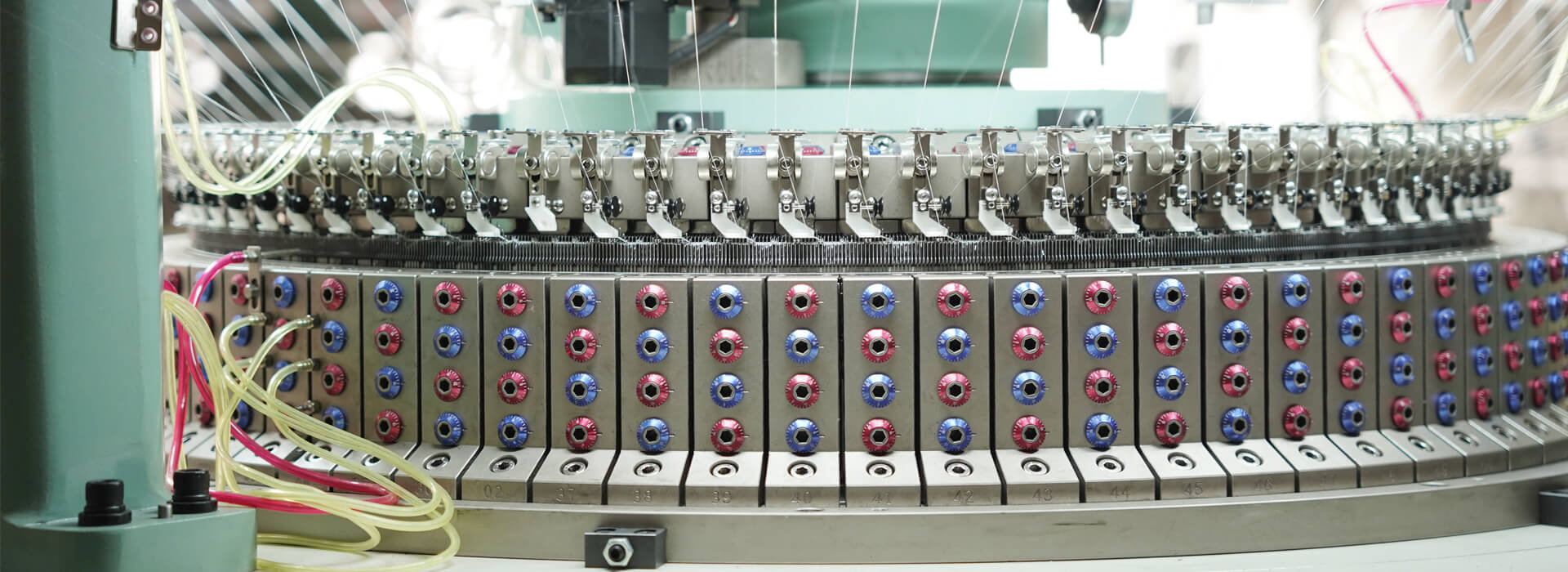
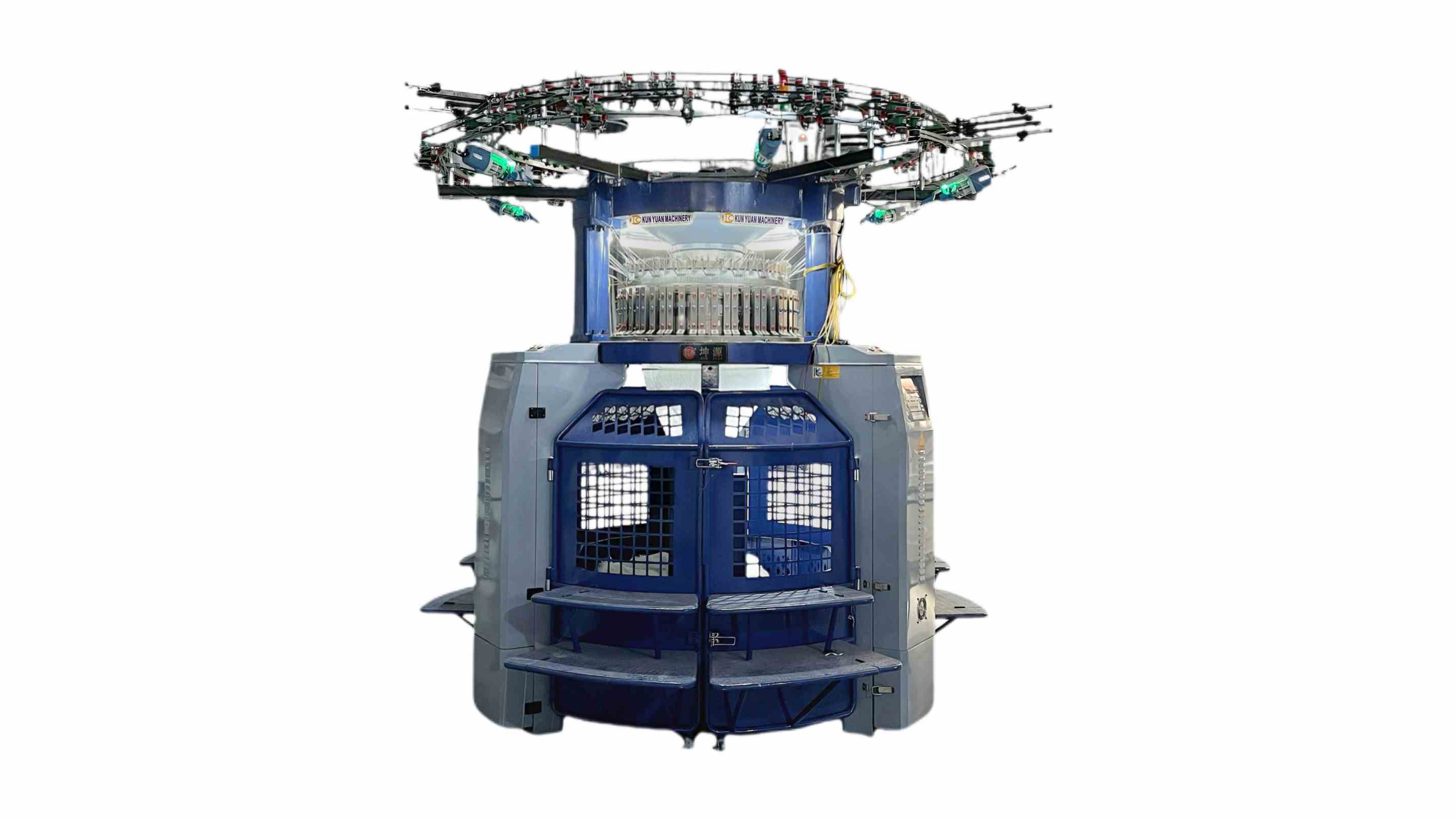
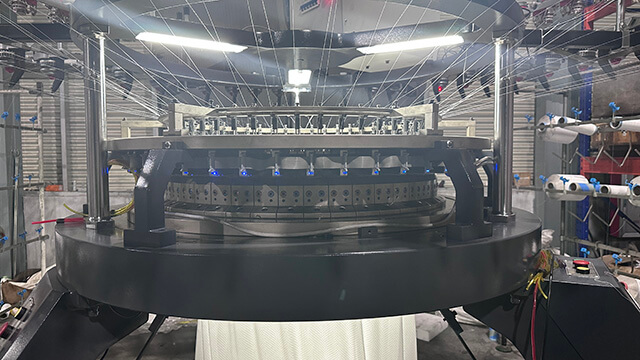
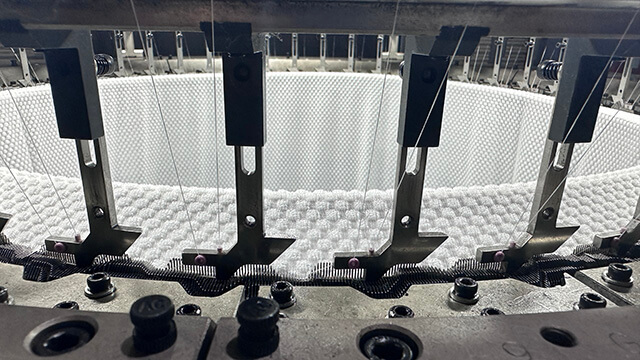
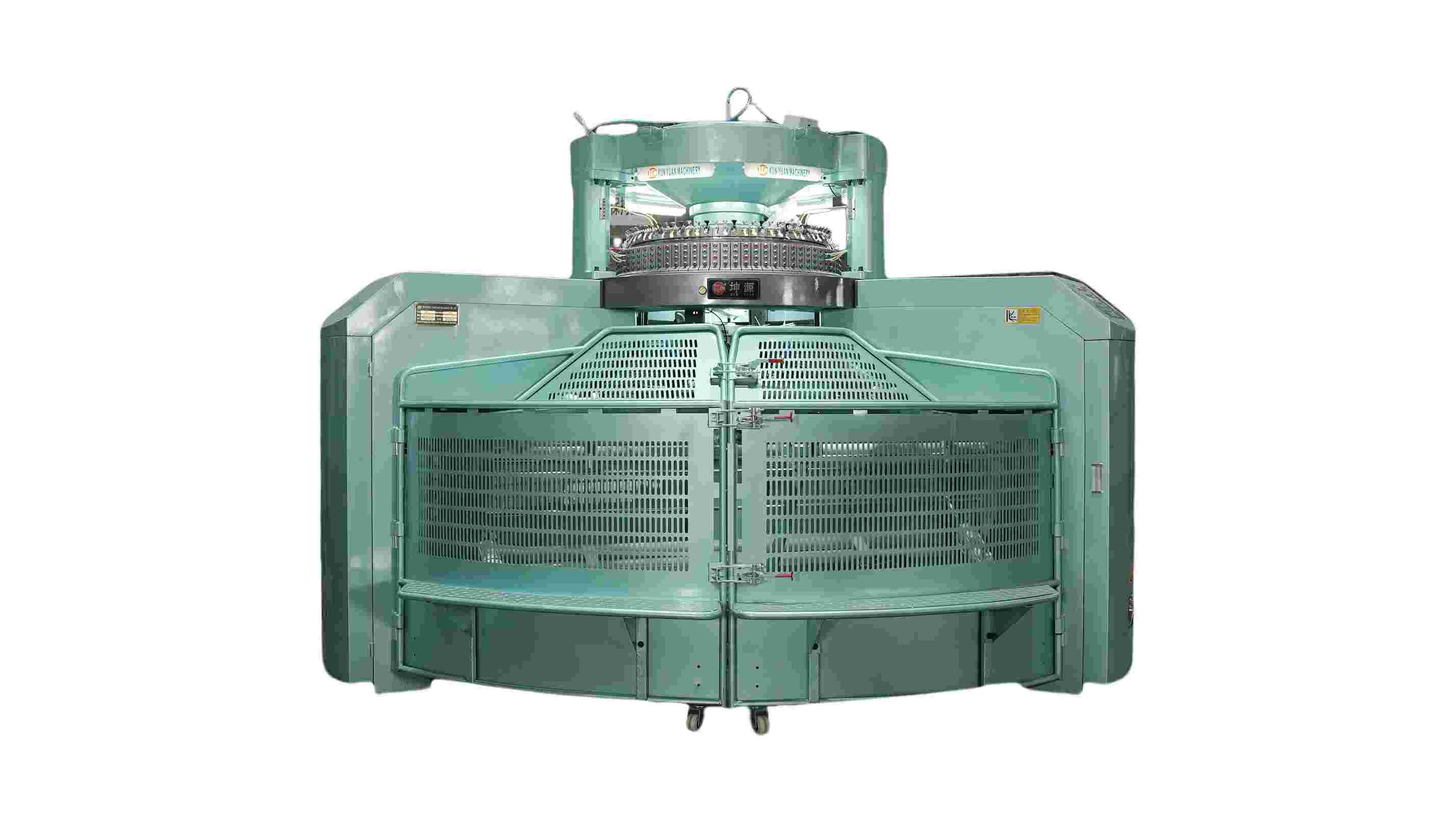
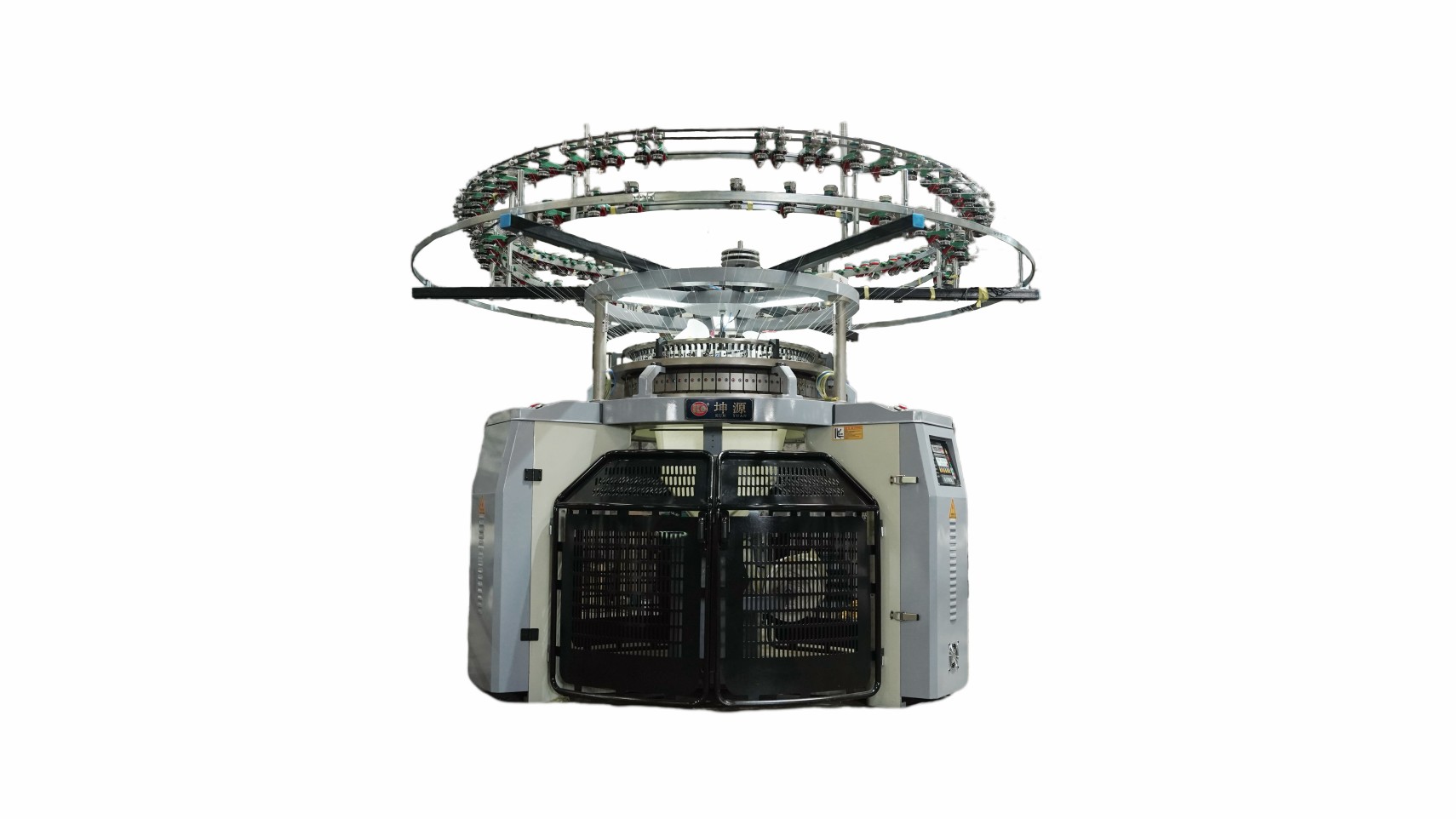
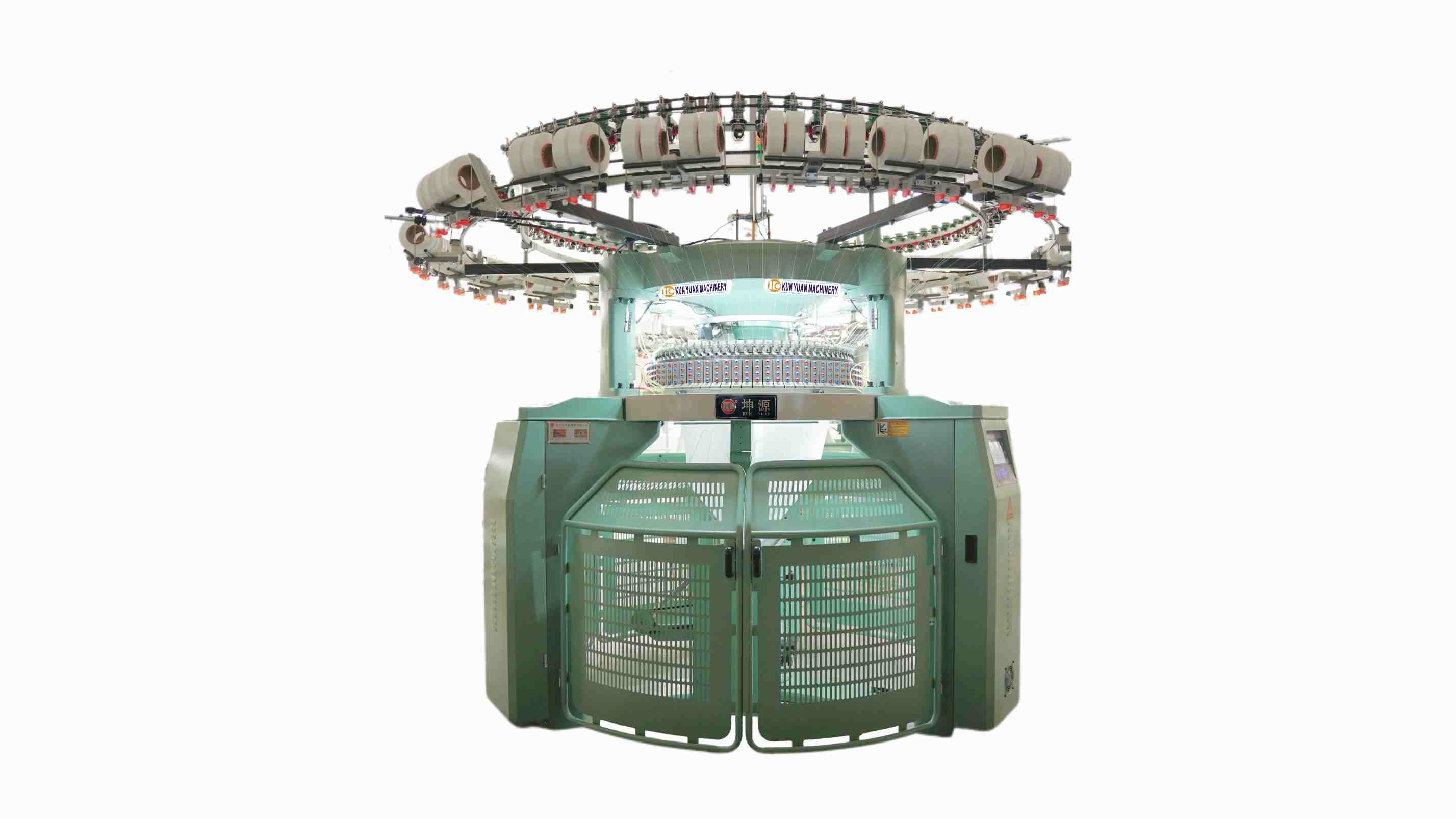
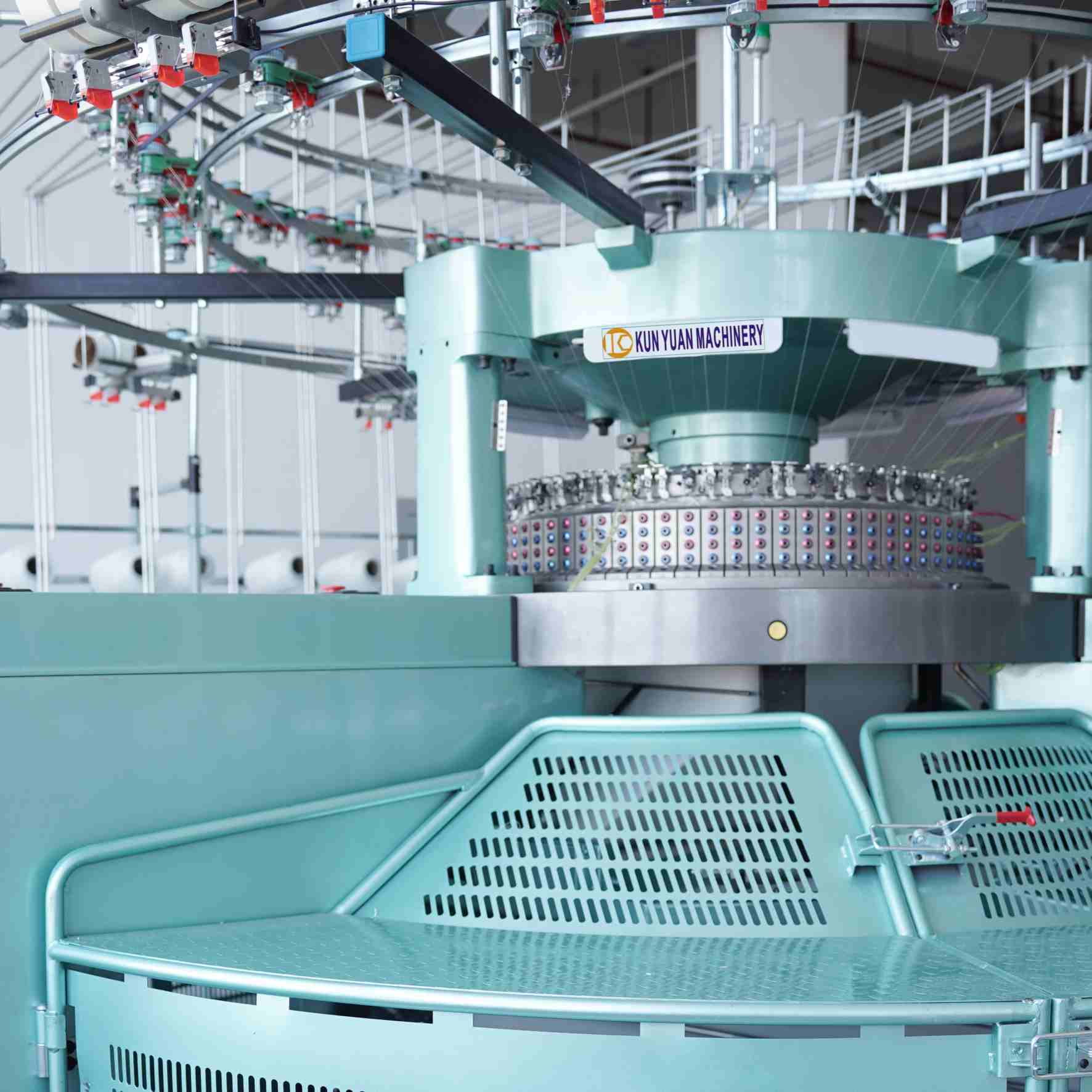
A machine image identifies the knitting route, not an absorbency result.
Step 2 - cross two structures with two controlled finishing routes
Select an existing loop construction and one deliberate structural alternative that the installed machine can safely produce. Record ground and pile yarn identities, loop-related setup references, greige weight and sample locations. Keep material variables comparable wherever practical; if yarn changes too, declare that the trial no longer isolates structure alone.
Split each construction between the reference finish and the proposed finish. This gives a compact four-cell comparison rather than two unrelated showcase samples. Ask the finisher to document preparation, chemistry identity where available, process sequence and drying conditions. Allocate enough representative pieces for repeat testing and care checks under the selected method. Label every piece with its structure and finish combination so laboratory results cannot become detached from the route that produced it.
Record the actual trial structure before splitting finishing samples.
Step 3 - interpret comparisons without forcing a single-cause answer
Compare the two finishes within each structure, then compare the two structures within the same finish. If a finish-associated change appears in both constructions, that is evidence to investigate the finishing route. If the structure comparison differs by finish, the interaction itself matters and should not be collapsed into one universal loop recommendation.
Review repeated results and specimen variation with the laboratory before ranking small differences. Keep the original units and the actual fabric state in the report. For capacity results, declare whether the basis is area, specimen or dry mass; unequal weights can otherwise distort the commercial comparison. Treat an unexplained outlier as a reason to inspect its identity and condition, not as a convenient point to discard from the preferred candidate.
Water-response claims need laboratory evidence for the finished fabric.
Step 4 - release the useful combination after care and loop checks
Reassess shortlisted samples after the agreed care route, recording detergent, drying and conditioning according to the laboratory procedure. Inspect loop appearance, dimensions and any other contracted performance beside the water-response results. An apparent absorbency improvement does not automatically excuse distorted loops, unacceptable handle or poor dimensional behaviour.
Repeat the selected structure and finish with an identified production sample. The release should name the combination and its tested state, not declare that the machine generally makes highly absorbent fabric. Preserve the unsuccessful comparisons as development evidence: they show whether a future problem should first reopen knitting or finishing. Where results remain inconclusive, retain the established approved route and design the next trial around the unresolved variable.
Recommended structure-by-finish trial matrix
Cell
Knitting construction
Finish
Comparison purpose
A
Current loop structure
Reference route
Existing product baseline
B
Current loop structure
Candidate route
Finish effect within current structure
C
Alternative loop structure
Reference route
Structure effect under reference finish
D
Alternative loop structure
Candidate route
Check whether the effects interact
Terry absorbency interpretation questions
Do taller loops guarantee faster wetting?
The trial cannot assume that result. Hold yarn and finishing evidence in view, then measure the relevant response on the actual construction.
Is TM79 a complete proof of moisture management?
Its public scope concerns water absorbency. Confirm the exact result with the laboratory and use additional agreed methods when transport or drying is part of the claim.
Why test each structure with both finishes?
Crossing the routes makes it possible to compare a finish within a construction and a construction within a finish. Two independently optimized samples cannot separate those influences.
Should specimens be weighed on a common basis?
Yes, the comparison must state its measurement basis and conditioning. Capacity per area and capacity per dry mass answer different practical questions.
Can a successful sample prove every terry order will pass?
It supports the identified yarn, structure, finish and care condition. A materially different combination needs evidence appropriate to its own specification.
05
Conclusion
The four-cell trial replaces an argument about loop height with an interpretable comparison. It reveals which combinations deserve repetition and which water-response claims the results can support. Keeping knitting and finishing identities attached to each specimen allows the mill to improve the product without crediting the wrong stage for the change.
For a terry jacquard circular knitting machine, define the two loop constructions with the supplier and reserve finishing comparisons as a separate, traceable part of development.





 Tel: +86-13859034518
 Email: info@kunyuanmachine.com
 MP/WhatsApp: +86-13859034518
 Manufacturer Address:Bacuo Village, Yonghe Town, Jinjiang City, Fujian Province