

Hot Keyword:
Author:KUNYUAN Machine Manufacturer TIME:2026-08-30
A new machine purchase is not validated by unused condition or a long feature list. The buyer needs a coherent configuration, a trial tied to commercial fabric, a complete delivery boundary and a support plan that can be costed before the order is released.
Issue the same controlled request to every supplier. Describe the fabric families, yarn ranges, finished dimensions and quality limits, planned shifts, changeover pattern, utility conditions, downstream route and accepted-output target. Attach demanding fabric references and identify which one will be used for witnessed acceptance. A broad request for an industrial circular knitting machine invites quotations that cannot be compared.
Official product finders from established builders organize machines by structure, application and model-specific data; their service pages separately describe training, parts and regional support. Those distinctions should survive into the RFQ. Published data informs the shortlist, while the signed offer, configuration drawing and buyer-yarn trial define the sale object. Any option, external unit or mill-supplied service stays visible instead of being absorbed into a headline machine price.
List each commercial fabric separately. Include construction, technical face, yarn material and count, finished width and weight, dimensional test, appearance limits, finishing route and scheduled demand. Add the most difficult repeat, elastomer use, surface or changeover condition expected in production. Mark substitutions that require approval. Suppliers can then state which requirements are standard, optional, trial-dependent or outside their offer.
Provide the mill context without prescribing an unverified machine solution. Record available power and air where applicable, floor and access constraints, take-down or roll-handling needs, data boundaries, staffing and downstream bottlenecks. State how output will be counted: gross greige fabric, inspected fabric or accepted finished quantity per scheduled period. The RFQ should expose uncertainty as an open item rather than reward an unsupported assumption.
Require the exact model and revision, knitting architecture, diameter, gauge, feed basis, yarn controls, take-down, controller, monitoring package and included conversions on one configuration schedule. Separate machine-standard equipment, paid options, third-party units and buyer-supplied items. Product-family ranges cannot be assembled into a fictional high-specification machine. If values depend on diameter, gauge or structure, keep those conditions beside the value.
Add layout, utility requirements, guarding and authorized operating or maintenance documentation to the technical file. Identify software licenses, backup media, network interfaces and remote-support permissions. The supplier should mark shipment-unit differences from the trial machine and explain how they will be verified. A final build list protects both parties when a control, feeder, spare or accessory appears in discussion but not in delivered scope.
Agree the buyer yarn, warm-up, stable observation interval, ordinary event script, sampling positions and measurement methods before FAT. Mark starts, stops, package changes and adjustments on the roll. Record running time, gross material, held zones and accepted result. Inspect both faces and the full width or circumference; then process an identified section through the intended relaxation or finish. A panel display and clean photograph are supporting evidence, not final disposition.
At the mill, reconcile the installed serial configuration, utilities, guarding, yarn route, take-down and approved job package before repeating first piece. Site checks should use trained mill roles and preserve differences from the factory condition. Close corrective actions by owner and deadline. Final acceptance belongs to the delivered machine when it produces the agreed result without hidden supplier intervention.
Request installation roles, training modules, competence checks, operating and maintenance documents, program backups, escalation path and support response boundary. Build a machine-specific critical-spares proposal with identifiers, lead times, storage needs and review date. Separate consumables, wear parts, electronic assemblies and optional conversion packages. The useful question is not whether service exists, but who can restore the approved fabric and what evidence or parts they need.
Model the first operating year with planned maintenance windows, expected style changes, learning loss, spare inventory, utilities and downstream acceptance. Include time to return from a representative changeover and the disposition of setup fabric. Ask receiving operators to reproduce the approved job from the handover file. This closes the sale as an owned production route rather than an equipment delivery with unresolved dependencies.

| Purchase gate | Buyer input | Supplier return | Retained proof |
|---|---|---|---|
| Requirement | Fabric families, site and output basis | Scope response and open items | Controlled RFQ revision |
| Configuration | Boundary applications | Exact build and option schedule | Signed configuration drawing |
| Acceptance | Buyer yarn and test methods | FAT, finish and site evidence | Marked samples and records |
| Ownership | Staffing and changeover plan | Training, parts and support boundary | Receiving-shift repeat |
Condition does not prove fabric fit, configuration completeness, operator readiness, spare availability or downstream yield.
Keep every value with its exact model, diameter, gauge, structure and option conditions; do not combine separate variants.
Use representative yarn and events, reconcile time and material, inspect marked fabric, and test an identified section after the intended finish.
It is insufficient when the trial machine differs materially from the shipment unit or the sample lacks machine, yarn and process traceability.
Include training, controlled documents, backups, critical parts, response boundaries and evidence that mill staff can recover the approved job.
A defensible new-machine purchase is a closed dossier. One production requirement file leads to one coherent build, a marked commercial-fabric acceptance chain and a costed ownership package. This approach makes supplier differences visible before deposit and leaves the receiving mill with a repeatable route rather than a list of brochure features.
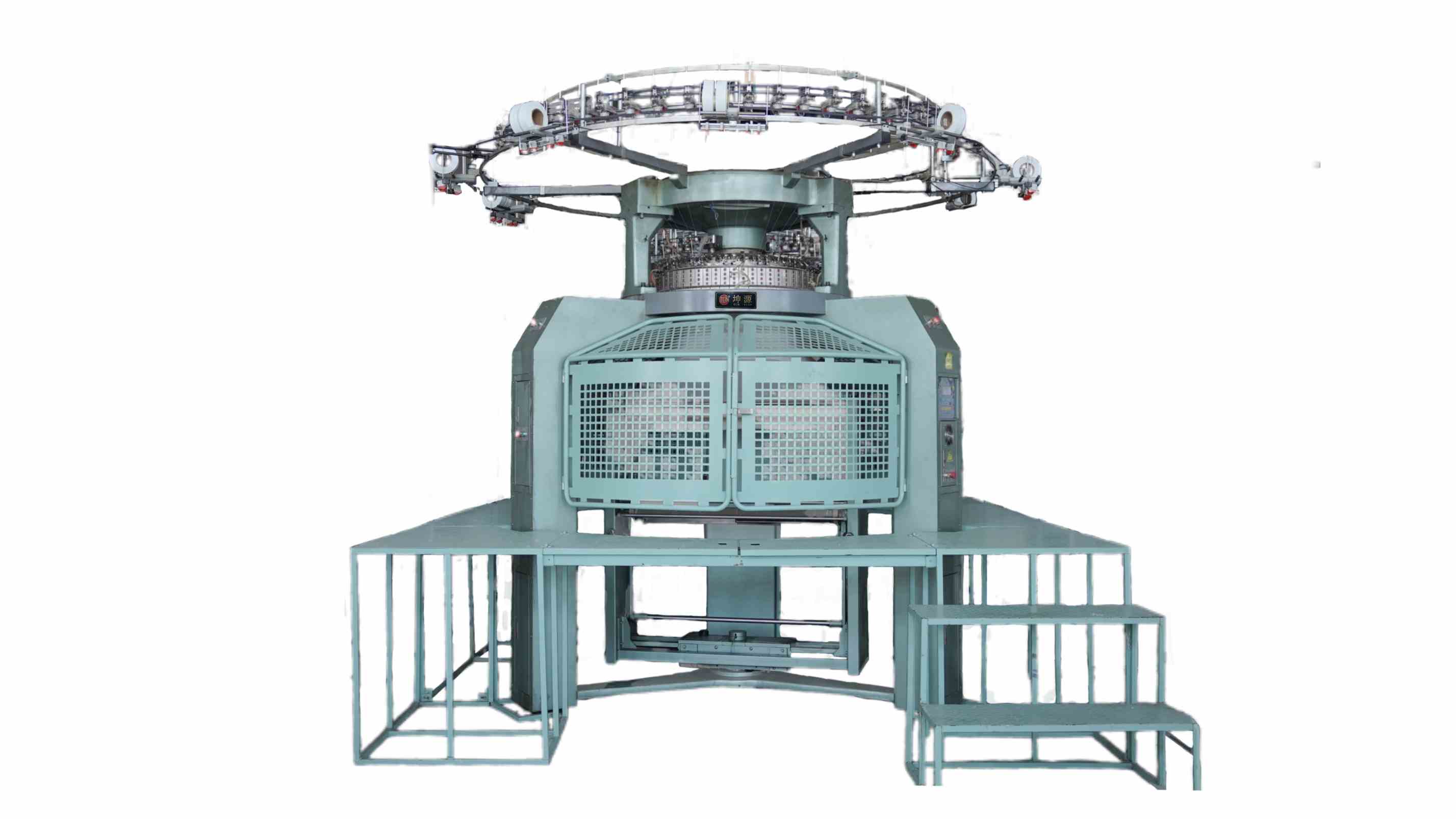
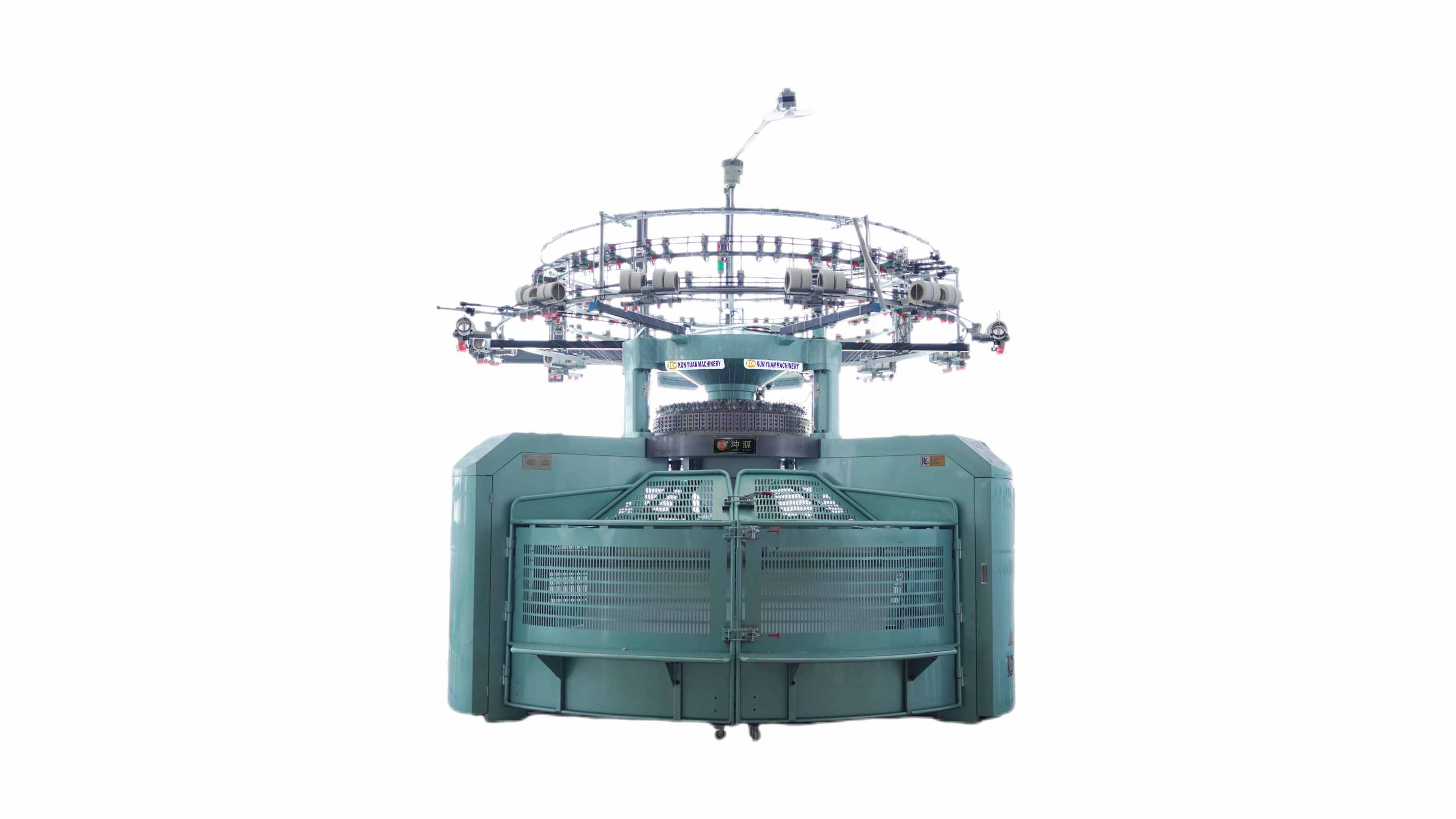
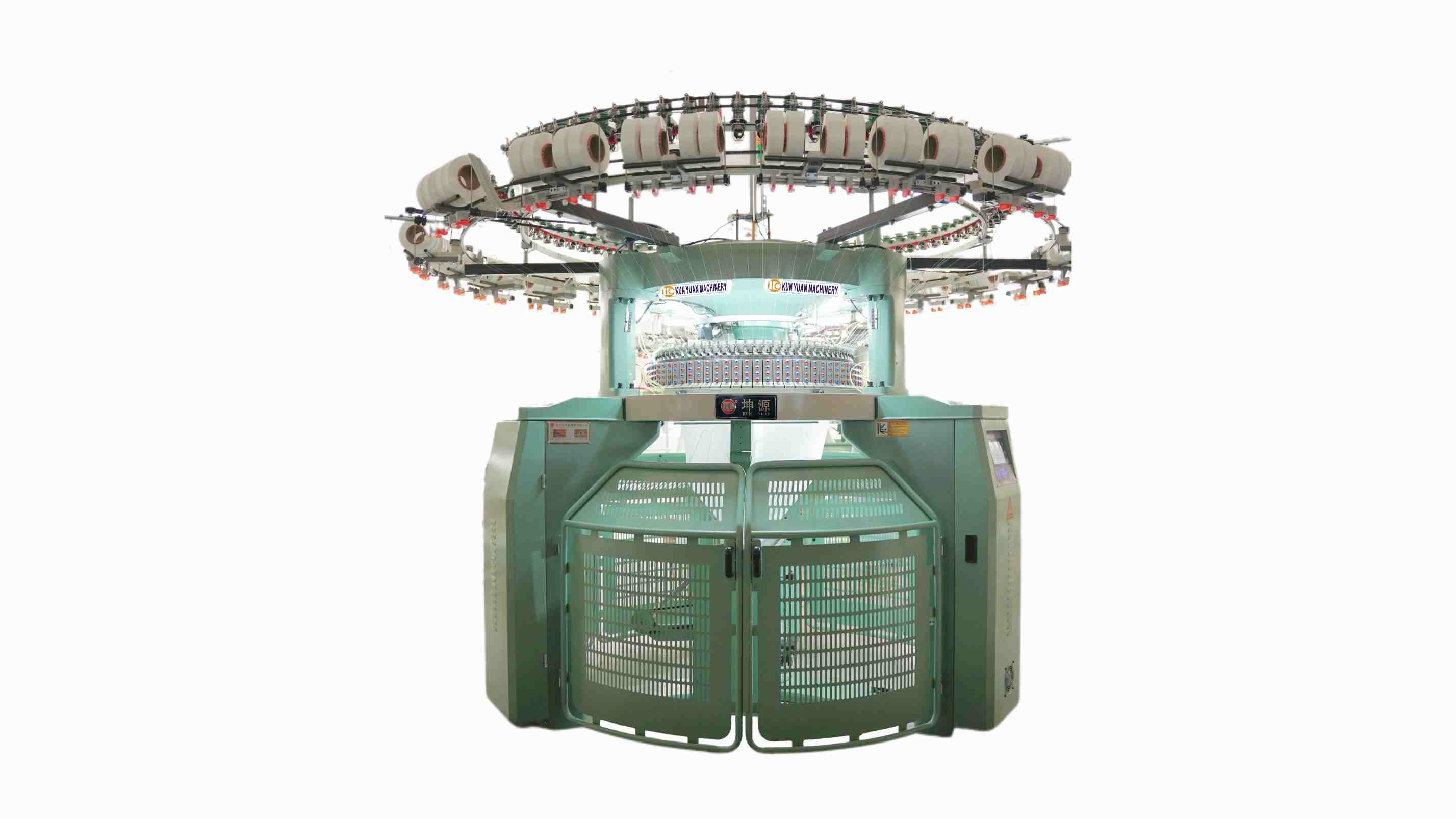
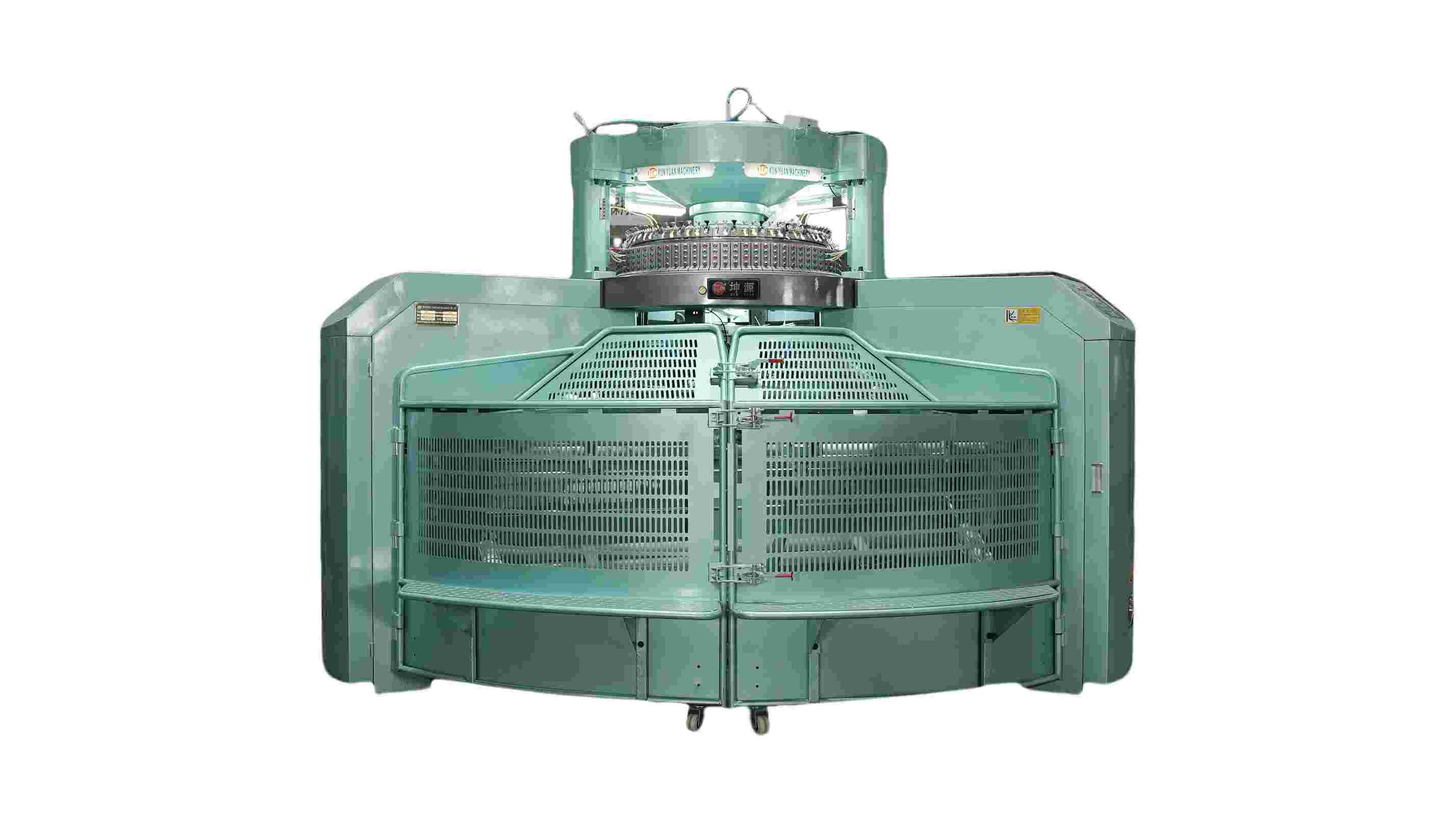
Use this RFQ dossier when requesting the industrial circular knitting machine range and require every quoted capability to carry configuration, acceptance and ownership evidence.

 Tel: +86-13859034518
 Email: info@kunyuanmachine.com
 MP/WhatsApp: +86-13859034518
 Manufacturer Address:Bacuo Village, Yonghe Town, Jinjiang City, Fujian Province