

Hot Keyword:
Author:KUNYUAN Machine Manufacturer TIME:2026-10-13
A machine can draw less power during a slow run and still use more electricity for each kilogram the buyer accepts. Energy comparisons therefore need a shared measurement boundary, a production interval and a quality decision tied to the same material.
DOE's Energy Intensity Baselining and Tracking Guidance explains energy performance indicators, measurement boundaries and energy-consumption baselines. Groz-Beckert's litespeed leaflet provides a knitting example in which needle geometry affects power consumption. Neither source supplies a guaranteed energy result for a particular Kunyuan build. Treat claimed improvements as hypotheses to examine on the installed route.
A practical editorial indicator is measured electrical energy divided by accepted fabric mass for the same defined production window. State whether acceptance means greige inspection or the finished commercial condition. Retain gross output, rejects and time records alongside the ratio: otherwise a change in quality accounting may look like an engineering saving. This ledger is a recommended comparison framework, not a certification procedure or a replacement for competent electrical metering.
kWh per accepted kg = measured electrical energy attributed to the interval / accepted fabric mass attributed to that interval. With zero accepted mass, report the failed run and its energy; the ratio is undefined.
Have qualified personnel identify the metered circuit and document the meter, reading units, configuration and verification status. List the main drive and any feeders, fans, lighting or auxiliaries actually included. A motor nameplate rating is not a measured consumption record. Record shared compressed-air or ventilation services separately if their electrical supply is outside the machine meter.
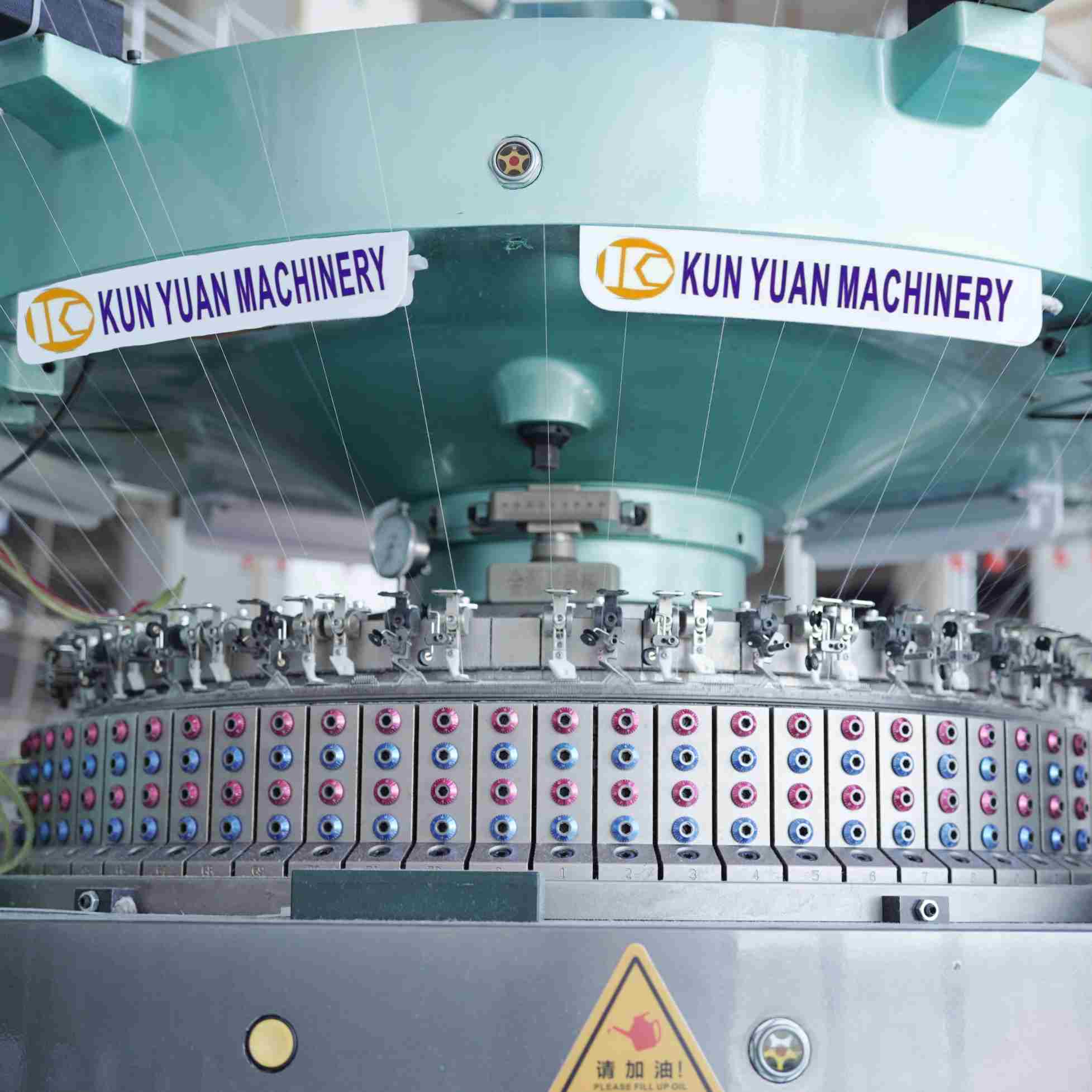
Use one boundary for both candidate and reference runs. If a shared service must be allocated, state the allocation basis and retain a separate total so estimates cannot be mistaken for direct measurements. Do not compare a machine-only reading with a whole-room bill. Photographs of equipment are useful for identity, but circuit membership and meter installation require the appropriate site records and qualified electrical work.
| Entry | Record | Calculation role | Reason to hold |
|---|---|---|---|
| Meter interval | Opening/closing kWh and times | Energy difference | Boundary or units uncertain |
| Fabric disposition | Gross, trial, rejected and accepted kg | Accepted-mass denominator | Quality decision outstanding |
| Operating events | Run, idle and stop periods | Explain consumption | States removed inconsistently |
| Matched repeat | Same product and acceptance basis | Evidence of improvement | Different route or unresolved uncertainty |
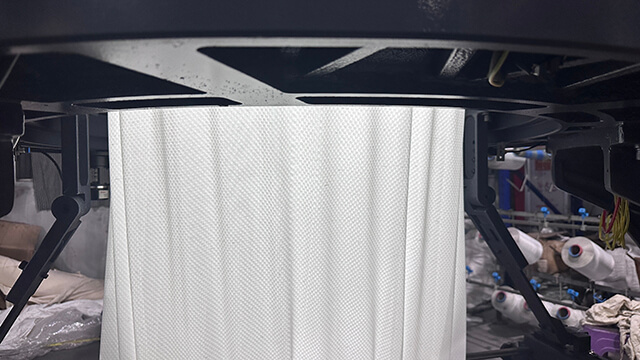
Weigh material using the mill's controlled method and record gross fabric, excluded trial sections, rejected material and accepted mass. Specify conditioning and whether tube cores, packaging or other tare have been removed. When the chosen endpoint is finished fabric, preserve the link from knitted rolls to finishing lots and the final accepted quantity. Do not mix conditioned finished weight with unconditioned greige weight in the comparison.
Calculate kWh per accepted kilogram only when the accepted mass is positive and its disposition is complete. If all output is rejected, report the energy consumed and the failed production outcome; do not enter zero energy intensity. Rework creates additional resource use. Show its boundary and attributed energy explicitly or flag the account as incomplete until the rework route is known.
Compare like fabric structures, yarn specifications, gauge, operating state and acceptance criteria before ranking results. Record the changed variable, such as a compatible knitting-element change, without assuming the manufacturer example applies to every machine. Keep production speed, downtime, quality yield and environmental observations available to explain a changed ratio. A different product may legitimately need a different baseline.
Repeat a promising comparison under comparable conditions and inspect the spread between runs. Where product mix or operating conditions differ, group equivalent work or use a justified normalization approach with suitable expertise. Avoid reporting a saving smaller than the uncertainty the measurement and mass records can resolve. The purchasing decision should distinguish measured improvement, inconclusive evidence and a quality penalty, rather than forcing every trial into a success percentage.
It cannot establish actual consumption. The indicator needs measured energy over an identified production interval and the corresponding accepted mass.
Include it when the declared comparison is an order or shift account. A separate stable-running test can exclude it if both trials use that same boundary.
Report its energy, gross output and rejection outcome. Division by zero accepted kilograms is undefined, so it must not be presented as a favourable numeric result.
A leaflet cannot establish the mill's measured saving. Confirm compatibility and compare measured runs. The leaflet motivates the investigation; the mill's evidence establishes its own result.
Not by itself. A carbon statement also needs a declared scope, appropriate energy factors and a substantiated calculation method covering the claim being made.
Keep the ratio auditable in both directions: from a meter reading to the rolls it supplied, and from accepted kilograms back to their measured production interval. A result that survives that reconciliation can guide an energy decision. A result with mismatched boundaries should remain an open account, however attractive its headline appears.
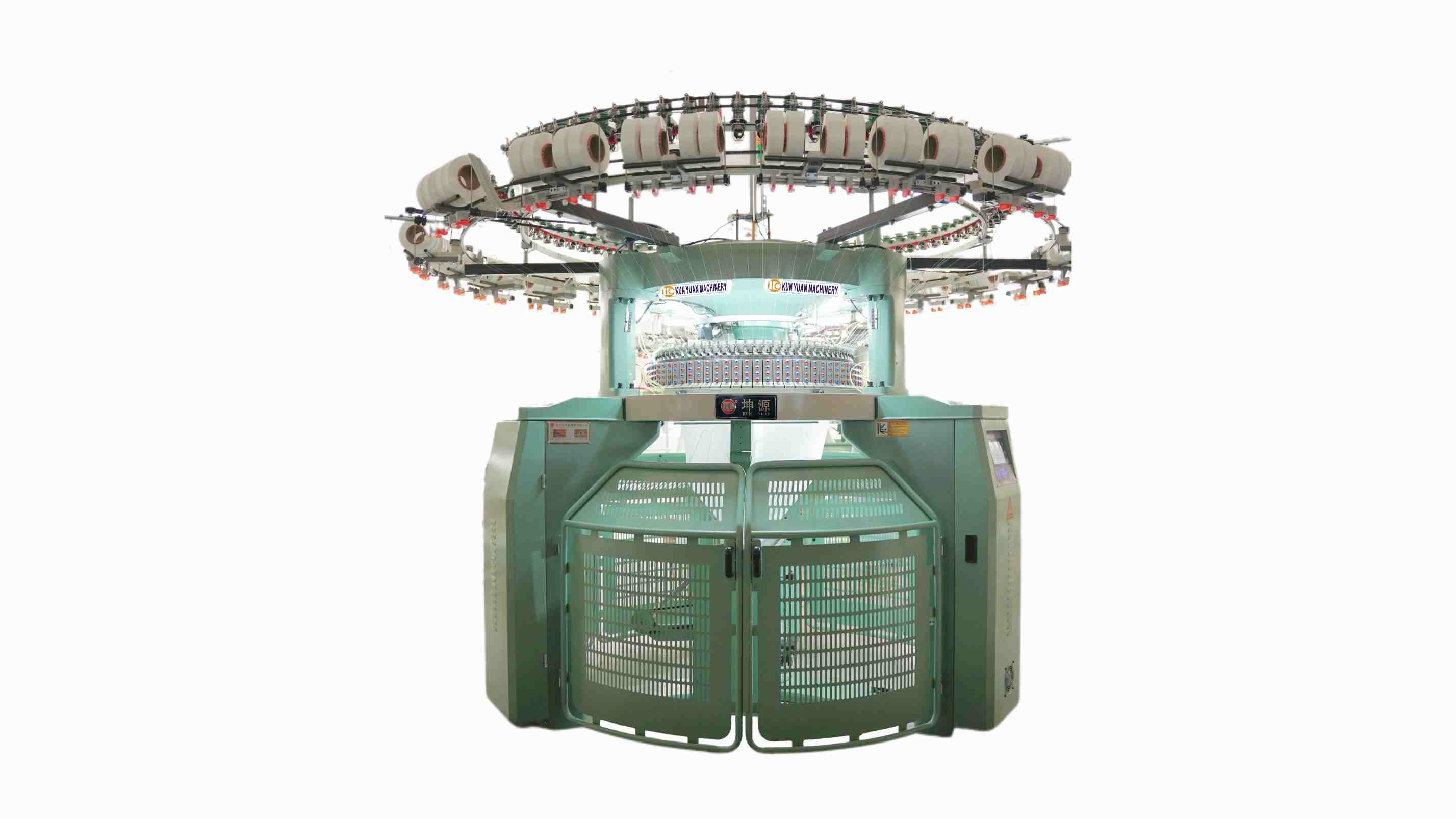
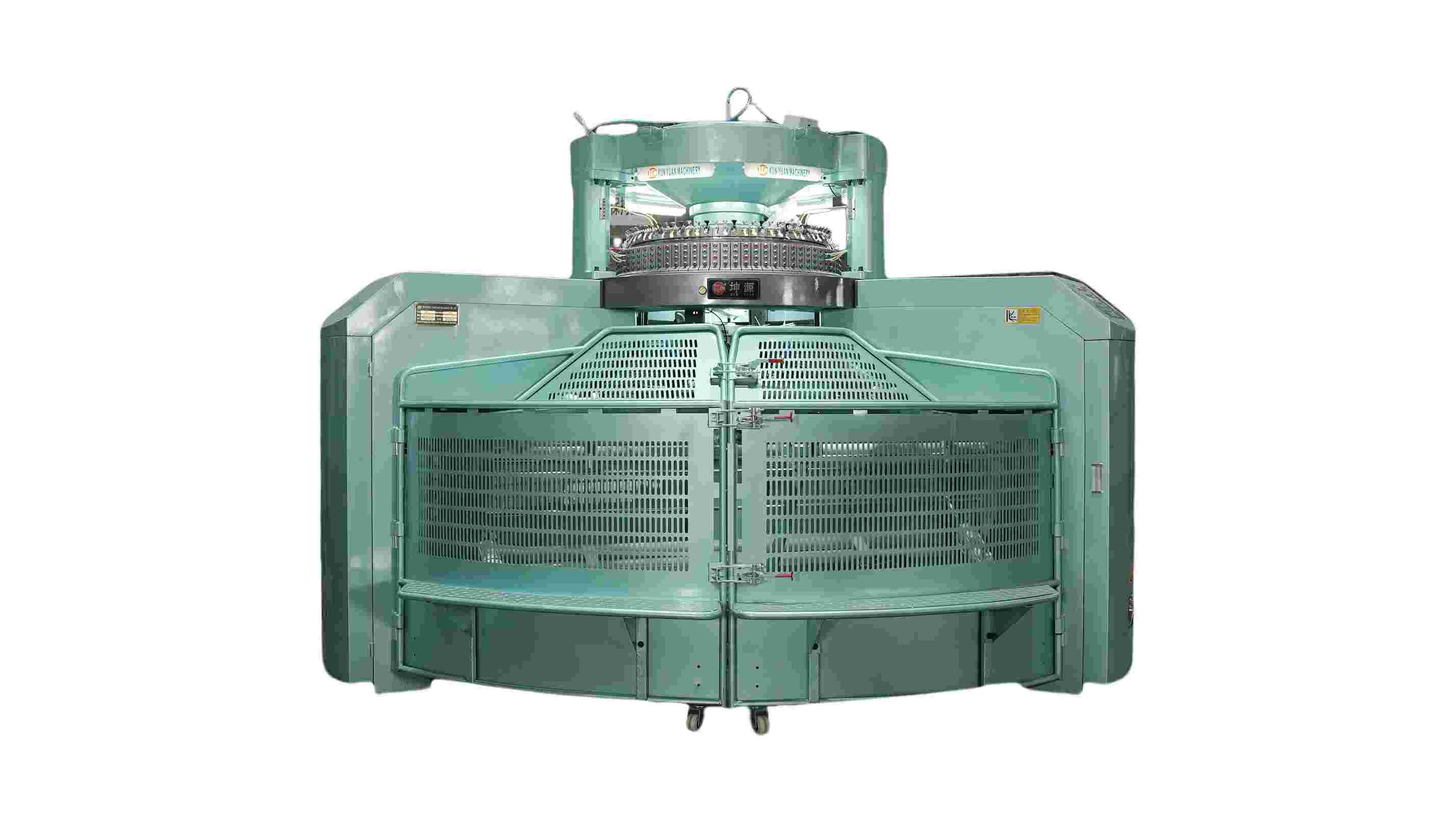
For a proposed trial across the circular knitting machine configurations, request the installed electrical scope and a metering arrangement that can be compared with the mill baseline.

 Tel: +86-13859034518
 Email: info@kunyuanmachine.com
 MP/WhatsApp: +86-13859034518
 Manufacturer Address:Bacuo Village, Yonghe Town, Jinjiang City, Fujian Province