Approve the raised back only after checking what happened to the face
The softest swatch in a brushing trial is not automatically the best fleece. A raised back must coexist with the intended face appearance, fabric integrity and dimensions after the production finish and care route.
Mayer & Cie's MBF 3.2 description distinguishes ground, binding and fleece yarn roles, with a particular yarn-collection mechanism belonging to that model. CottonWorks describes napping as raising surface fibres and explains that roller actions influence the resulting surface. This establishes two separate design layers: the knitted architecture and the subsequent mechanical finish.
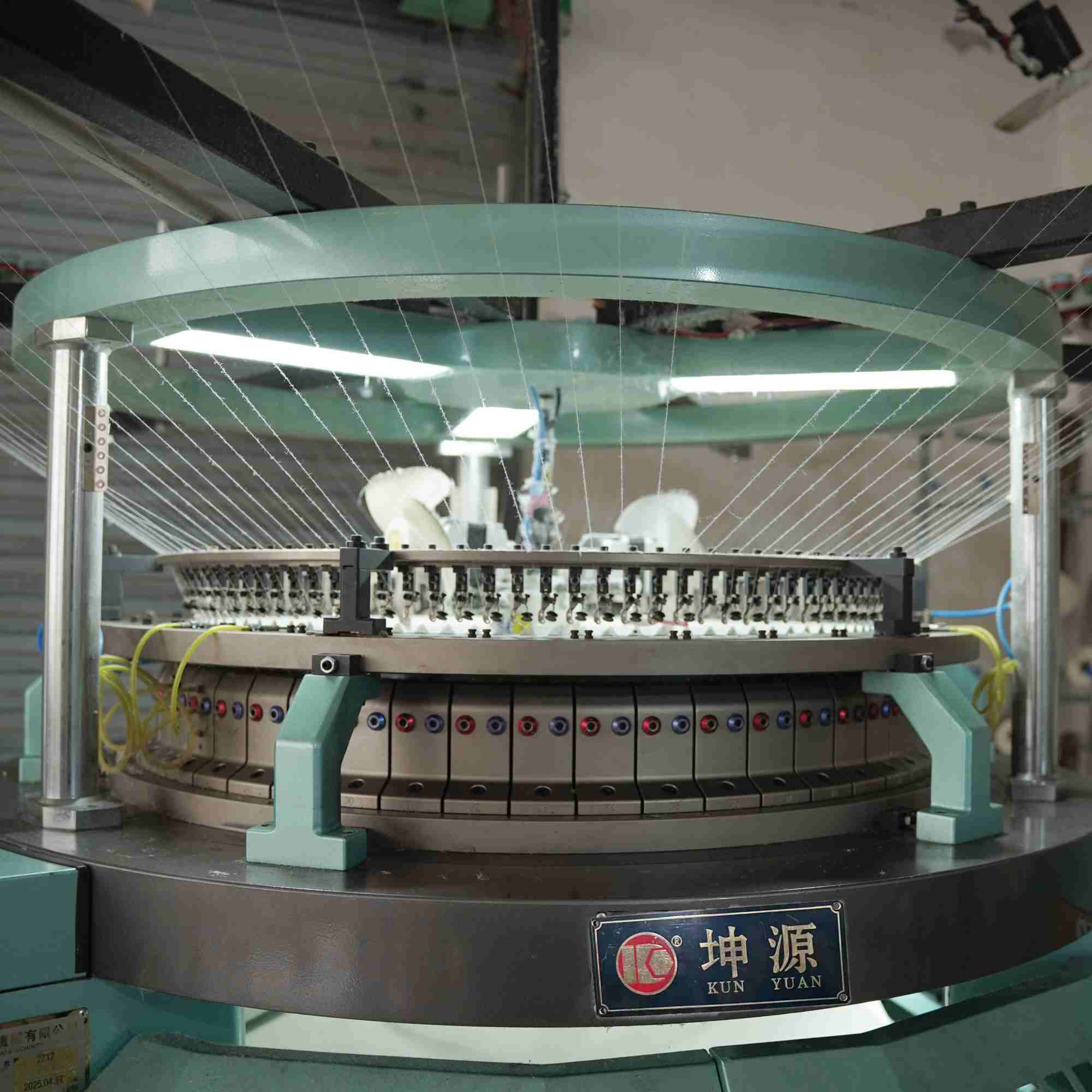
Ask the finisher to define what brushing means in the proposed route, including whether it involves raising, cleaning, shearing or a combination. The comparison below is an editorial trial design, not a finishing recipe. Confirm the exact Kunyuan construction with its supplier rather than transferring the MBF mechanism. Keep commercial limits tied to the buyer's reference and agreed tests; neither machine family nor soft hand alone proves durability.
The knitting platform supplies the construction for a separate finishing trial.
Architecture layer - connect each yarn to the surface being judged
Document ground, tie or binding, and fleece yarn identities separately. Include their lots, material descriptions and the accepted knitting route. Use a labelled face-and-back construction reference to establish which surface the finisher will treat. A bulk yarn description that merges all three roles makes it difficult to understand why the face changed while the back improved.
Retain unraised material from the same greige lot and record its appearance, weight and dimensions under the chosen conditioning method. Check for existing bars, lines, holes and face distortion before finishing. A flaw already present in the control should not later be assigned to brushing merely because it becomes more noticeable. If the unraised construction fails the agreed entry criteria, correct that route before comparing finishing severity.
Process layer - compare finishes from one traceable starting fabric
Divide representative material into an unraised reference and clearly coded finishing candidates. Distribute positions along and across the roll so a local knitting difference is not confused with a finishing change. Record the preparation, treated side, route sequence and finisher's controlled process references for each candidate. The finisher determines suitable settings within the actual equipment and fibre limits.
Change a defined aspect of the raising route while keeping other relevant steps comparable. CottonWorks explains that different roller actions and wire arrangements influence the raised surface; that is a reason to retain the process identity, not to prescribe a universal speed or number of passes. Where shearing, softening or compaction differs too, label the result as a complete route comparison rather than attributing everything to brushing.
Performance layer - assess face, back and structure as separate outcomes
Review face clarity, stitch definition, colour appearance and visible disturbance alongside the back's loft, uniformity and tactile reference. Inspect the full usable width rather than selecting the best central patch. Photograph each face with consistent illumination and orientation, and retain coded physical pieces for a comparison that is not biased by knowing which route was more expensive.
Use the agreed laboratory methods for strength, surface durability or other properties relevant to the product. Record loose-fibre observations and material loss where the trial requires them, without inventing a universal allowable shedding value. Measure dimensions after the same conditioning stage. A candidate that gains back softness while failing face integrity or required dimensions belongs in the reject or revise branch, even if its hand is initially attractive.
Release layer - test the chosen balance through care and repetition
Send the shortlisted route through the agreed laundering or other care treatment and reassess the properties that matter to the intended garment. Keep the care procedure, drying and conditioning consistent across samples. A surface that looks even immediately after raising may need a different decision after the buyer's specified care evaluation; record the result rather than assuming permanence.
Repeat the selected knitting-and-finishing combination with the documented materials and route references. Preserve an unraised and finished pair from the accepted repeat so future production can distinguish a knitting drift from a finishing drift. The release sheet should state which tradeoff was chosen and why, such as a less raised back that better maintains the contracted face. This explicit balance is more useful than simply marking the softest specimen approved.
Confirm yarn roles on the offered configuration.
Recommended fleece finish comparison board
Candidate
Face evidence
Back evidence
Decision basis
Unraised control
Original stitch and defect record
Starting fleece architecture
Entry quality established
Current production finish
Accepted reference condition
Current loft and uniformity
Benchmark under matched care
Trial raising route
Change in clarity and integrity
Change in raised surface
All required properties considered
Selected repeat
Reproduced contracted face
Reproduced intended hand
Traceable route and care results
Application release boundary
The trial approves a specific ground, binding and fleece yarn construction together with its finishing route. Keep unraised and raised controls connected. A model-specific yarn-collection mechanism, a softer hand or a taller raised surface does not prove that another machine or fabric will repeat the accepted face, dimensions and care response.
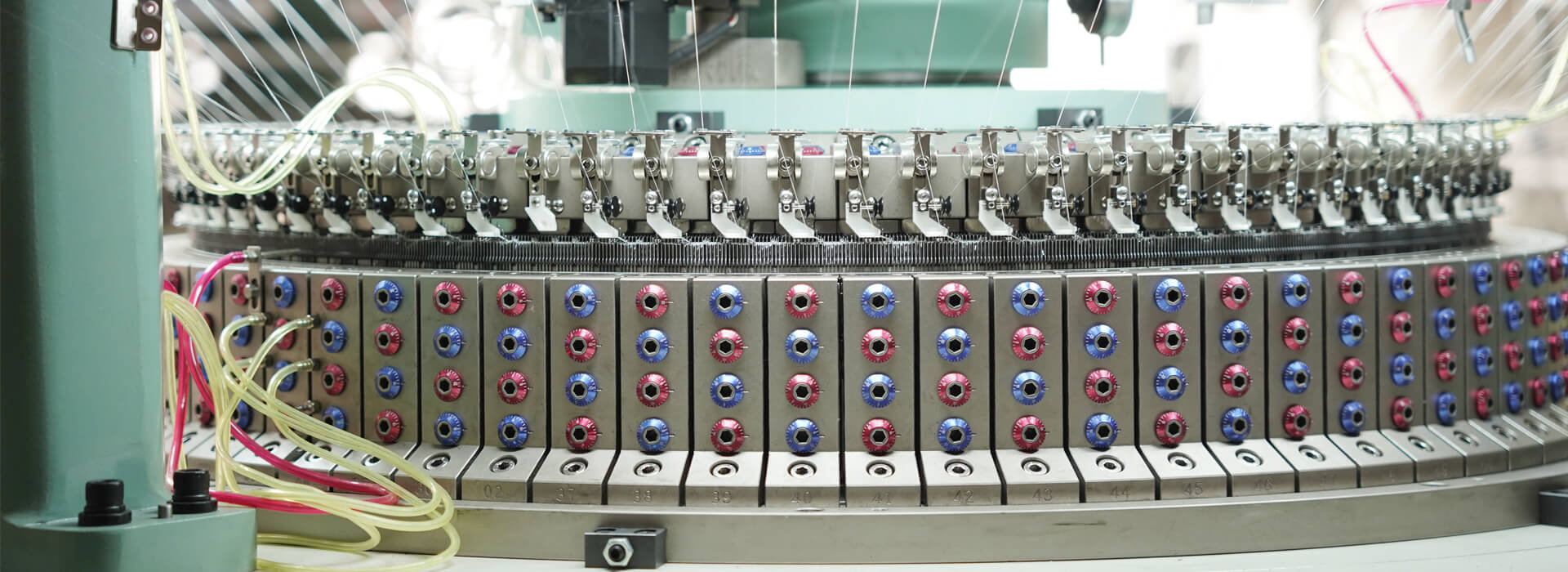
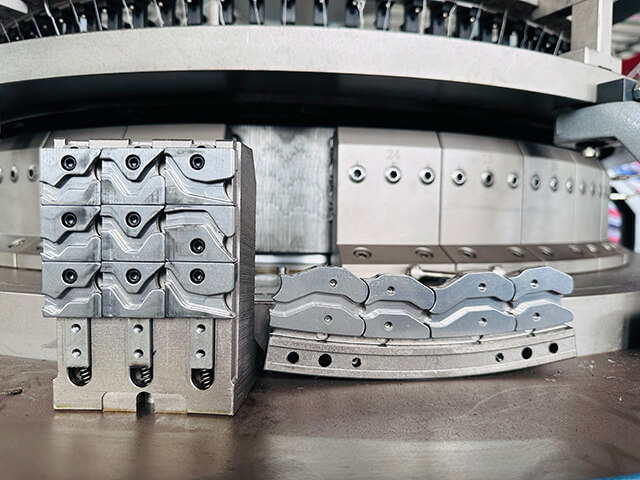
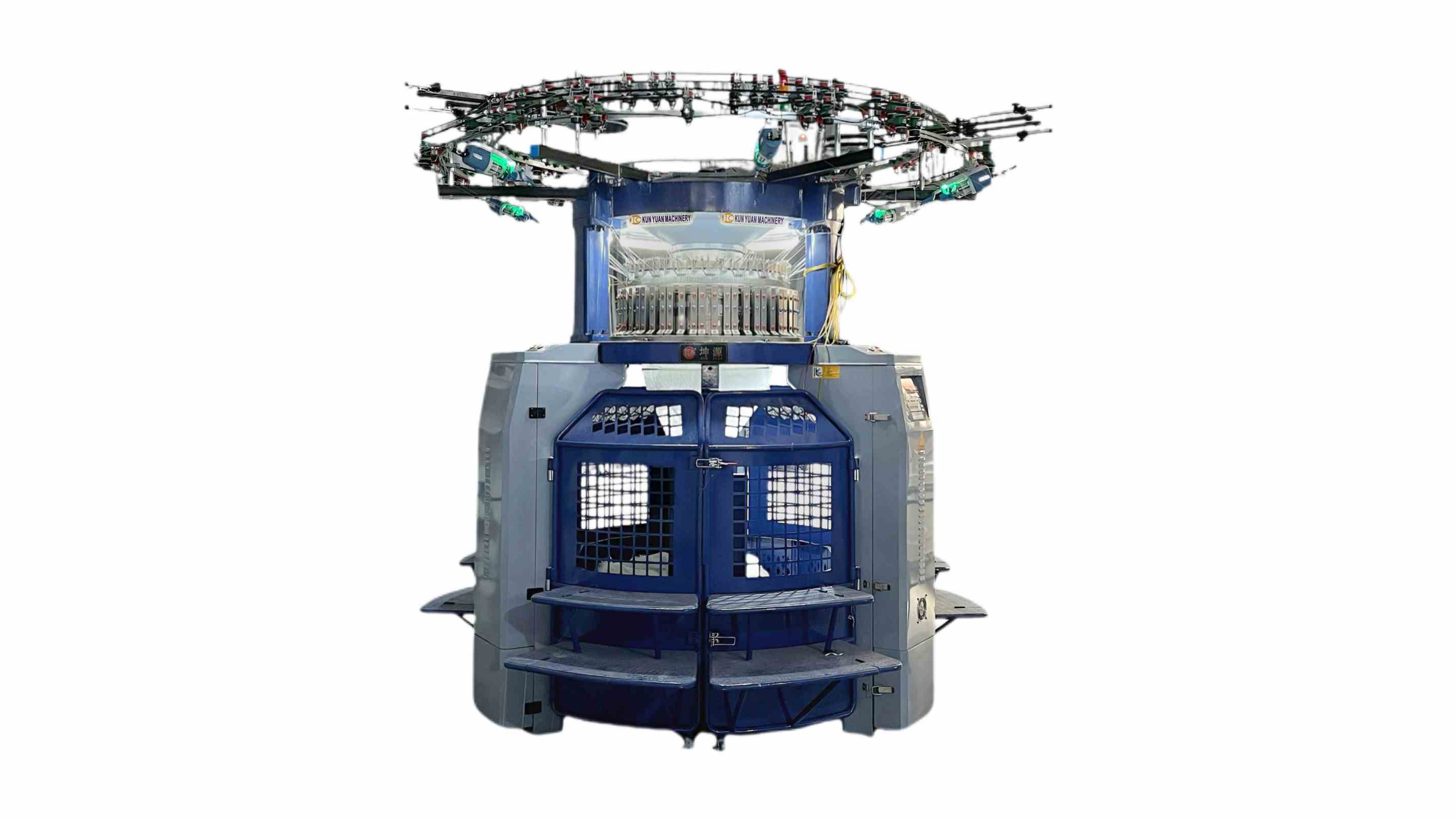
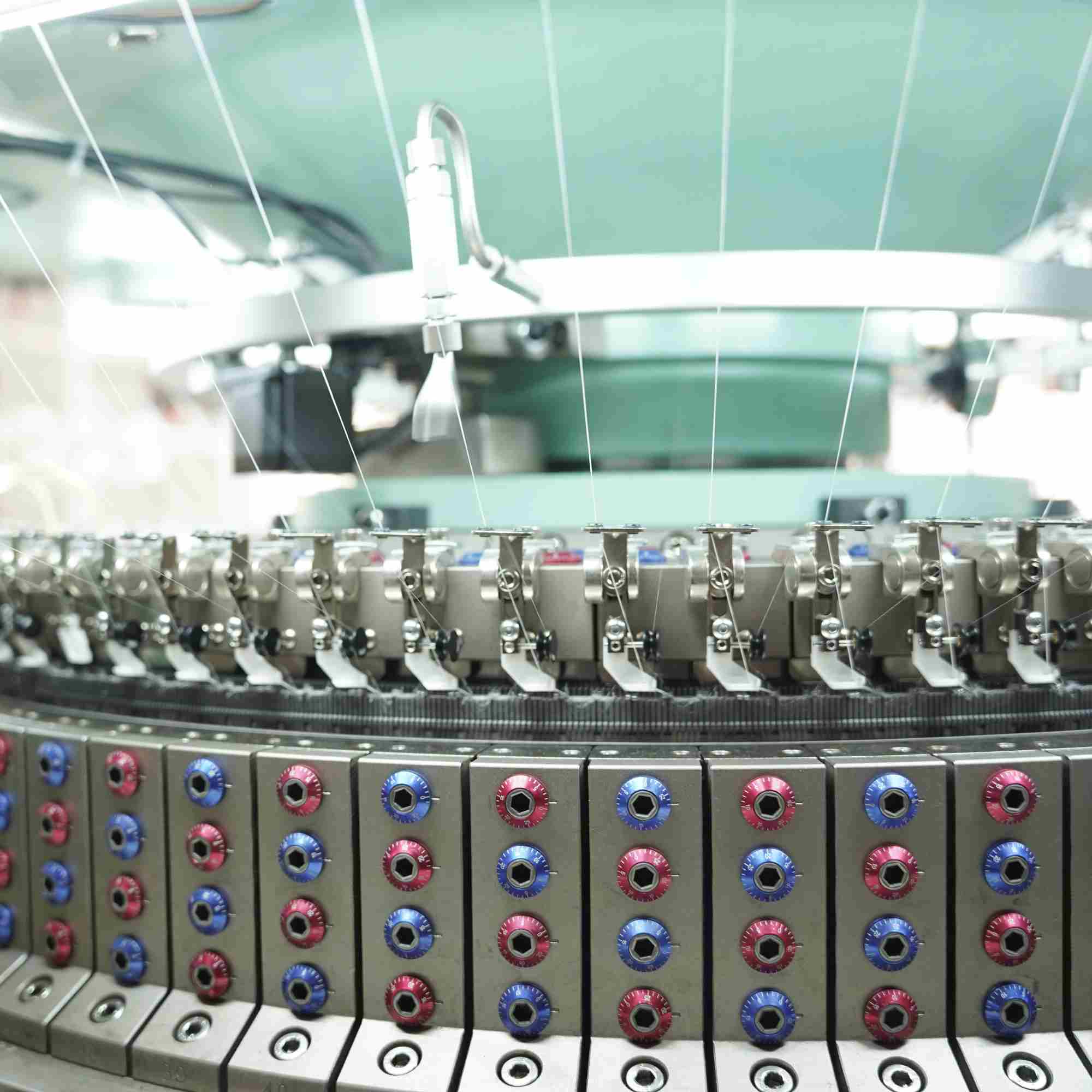
These product images do not represent measured brushing outcomes.
Three-thread fleece brushing decisions
Does brushing happen inside the knitting machine?
The raising operation discussed here is a finishing stage applied to knitted fabric. Confirm the complete production route instead of treating it as a knitting-head function.
Why keep an unraised control?
It establishes the starting structure and defects. Without it, a pre-existing face problem can be misassigned to the finisher or concealed by the raised surface.
Can the fleece yarn alone determine the result?
It is one part of the construction. The documented ground and binding roles, preparation and finishing route must also be considered in the trial.
Is maximum loft the release objective?
Only if the product brief says so and other requirements still pass. Many orders need a balance of back feel, face appearance, dimensions and durability.
What should travel from sampling to bulk production?
The yarn-role record, greige reference, finishing route identity, accepted face/back samples and agreed care results should remain associated with the chosen candidate.
Conclusion
Treat the two fabric surfaces as a linked approval. An attractive raised back cannot compensate for an unacceptable face, and a clean face alone does not establish the requested fleece feel. Preserving the unraised control and the reason for the chosen balance gives the knitting room and finisher a shared reference when bulk fabric drifts.








 Tel: +86-13859034518
 Email: info@kunyuanmachine.com
 MP/WhatsApp: +86-13859034518
 Manufacturer Address:Bacuo Village, Yonghe Town, Jinjiang City, Fujian Province