A correct motif can still leave a vulnerable yarn path
Pattern accuracy and snag resistance answer different questions. A jacquard design may reproduce every colour correctly while leaving long exposed yarn spans that need evaluation in the intended garment or furnishing, especially where the reverse contacts fasteners or rough surfaces.
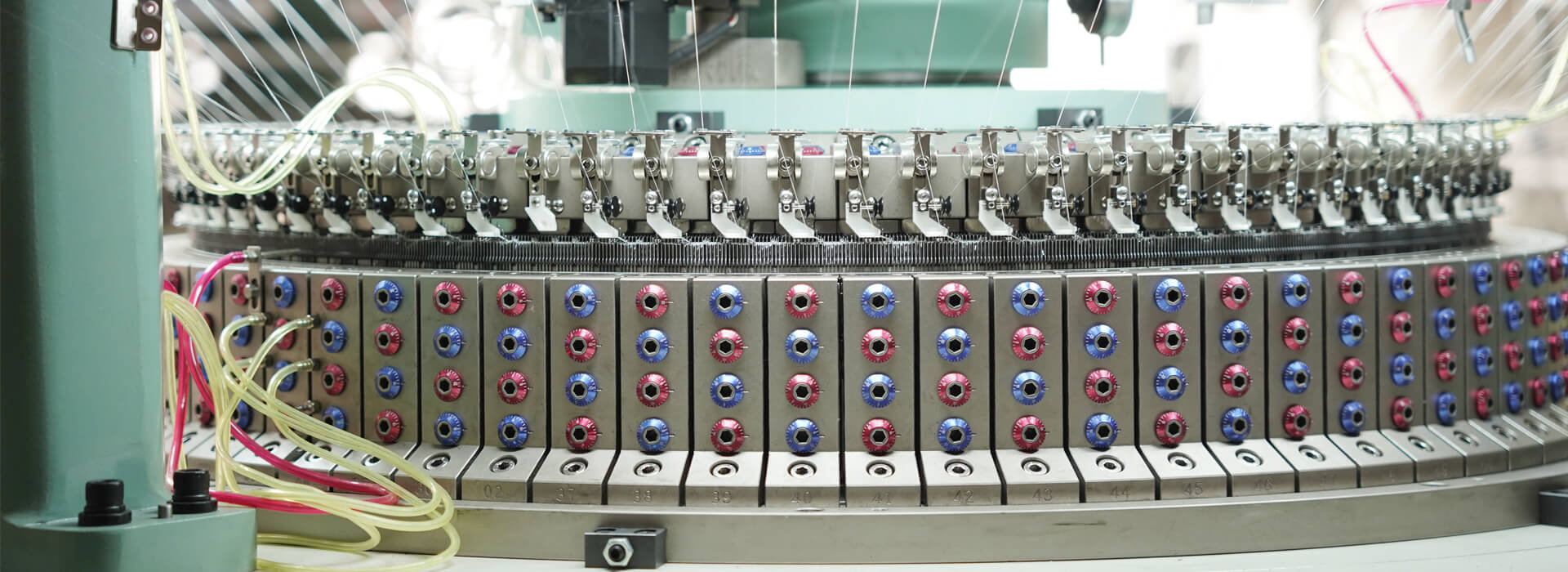
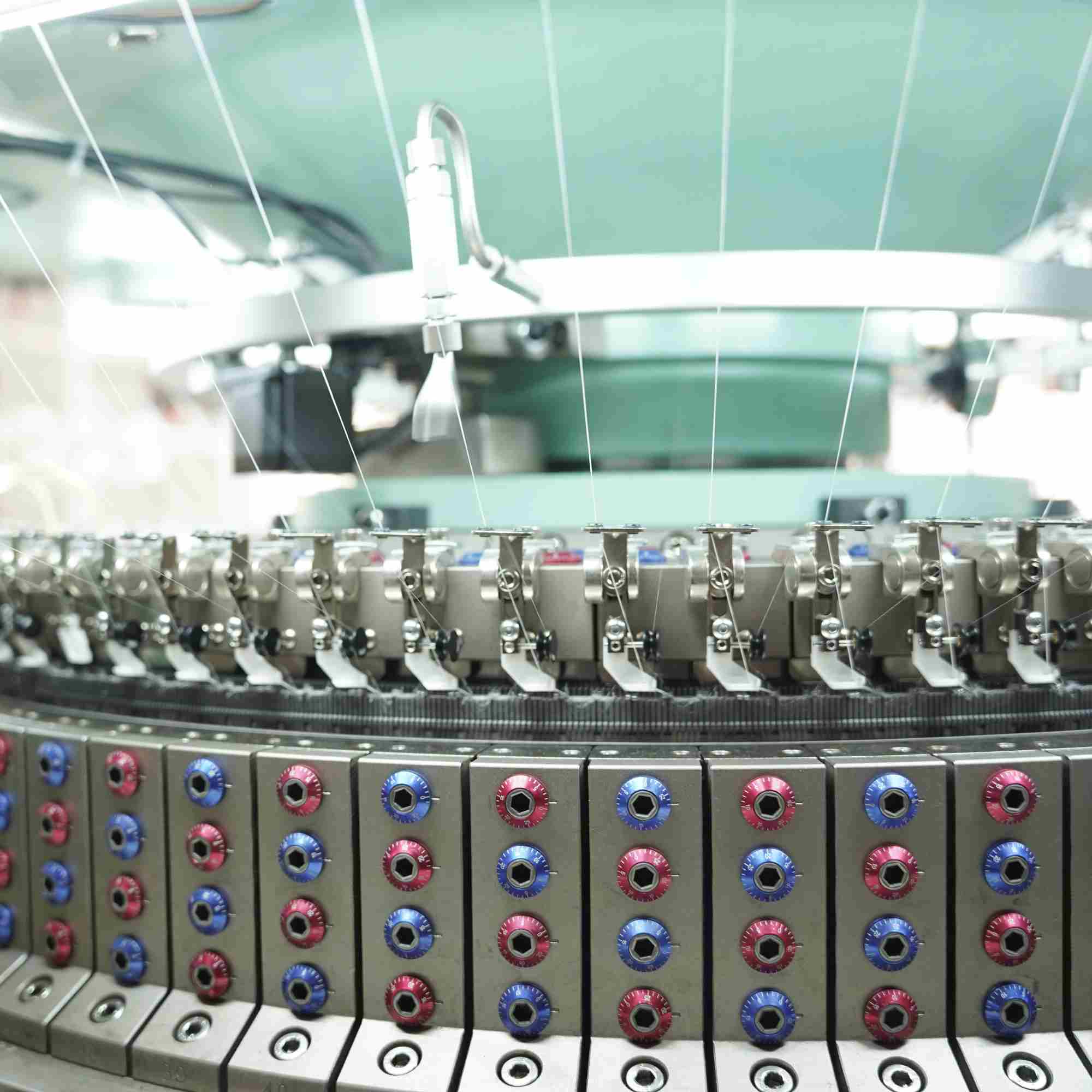
Groz-Beckert describes selection and coupling elements used to position needles for jacquard knitting. That mechanism supports pattern execution, not automatic approval of every resulting fabric. ASTM D3939/D3939M-26 describes a snagging comparison method, identifies unsuitable constructions and cautions that poor between-laboratory precision limits its use for commercial shipment acceptance. Method selection and the buyer's acceptance basis therefore need explicit agreement.
Use the field study below to connect the motif to its use conditions. It is an editorial development worksheet, not a universal maximum float rule or a claim of snag-proof fabric. Keep the design file, actual yarn paths and finished samples together. The goal is to compare a documented pattern revision against the original without concealing changes to appearance, stretch or handle.
Field 1 - identify which surface meets which object during use
Mark the product's exposed face and reverse and describe plausible contacts during dressing, wear, laundering and handling. Include the actual garment construction: lining, seams and openings can change whether a floating yarn is accessible. A reverse-side span hidden in one product may be exposed in another, so a machine-level claim cannot replace the intended use description.
Locate the longest visible spans, motif boundaries and other suspicious areas on the finished sample. Record their position within the repeat and photograph the fabric in the product's relevant relaxed or extended state. Avoid turning an improvised hook pull into a formal snag rating. The contact map identifies locations and questions for controlled assessment; it does not supply a laboratory method or justify a universal pass threshold.
Field 2 - distinguish an intended float from a selection defect
Compare the knitted repeat with the approved design and machine program. Confirm that the observed spans belong to the intended structure rather than a missed selection, wrong yarn assignment or unintended program revision. Retain the exact file identity and sample code for this comparison. A repair to an execution fault and a redesign of a correct motif require different closeout evidence.
Have the responsible technician or designer inspect the actual loop and float arrangement, including reverse-side anchoring. If the intended design is confirmed, consider a controlled revision that reduces exposed spans or changes their anchoring where the machine supports it. The supplier must confirm feasibility. Added binding points or other structural changes may alter the visible motif and fabric behaviour, so document the complete tradeoff before calling the revision an improvement.
Field 3 - agree a suitable comparison with the buyer and laboratory
Ask the laboratory to select a method appropriate to the construction and use case, including specimen preparation, tested surface and evaluation condition. The public ASTM mace-method scope excludes some open, very heavy or stiff constructions. Its warning about commercial shipment acceptance must not be lost when a test name is copied into a purchasing document. Resolve the method and acceptance agreement before testing.
Compare the original and revised motifs with controlled yarn, finishing and specimen conditions. Record visible distortion, pulled protrusions and colour contrast as well as the result required by the method. Keep replicated observations and disagreement visible. A count alone may not describe the appearance consequence that matters to the buyer, while an isolated attractive specimen cannot establish repeatable superiority.
Field 4 - confirm the motif still works after finishing and care
Inspect the accepted candidate after the intended finish and specified care treatment. ASTM's public guidance notes that care can affect snagging behaviour, so preserve the tested condition with the result. Check the face artwork, reverse comfort where relevant, dimensions and other contracted fabric properties alongside the snag comparison. Do not conceal a visible motif change inside a technical correction.
Release a named design revision for a named application, with its sample references and agreed restrictions. Repeat the chosen pattern on an identified production run to confirm that the intended yarn paths are reproduced. Retain the original candidate and the reason for rejection or redesign. Future colourways and yarn substitutions can then be reviewed against a meaningful record rather than inheriting a generic declaration that computerized jacquard is resistant to snagging.
Pattern capability is distinct from finished-fabric snag performance.Use a traceable program and actual face/reverse samples for the trial.Catalogue details do not represent a completed snag test.
Recommended long-float approval field sheet
Field
Original motif
Revised motif
Approval question
Yarn-path map
Exposed spans and repeat locations
Changed anchoring or spans
Is execution correct in both?
Use contacts
Accessible face/reverse regions
Same product construction
Does the comparison reflect use?
Snag evidence
Agreed test and visible damage
Matched method and condition
Is the change repeatable?
Design tradeoff
Artwork, handle and dimensions
Same commercial checks
Does reduced risk preserve the brief?
Jacquard float and snag approval questions
Is there a safe float length for every jacquard fabric?
No universal limit is established here. Yarn, construction, finishing, accessibility and end use all belong in the evaluation of the specific design.
Does electronic selection prevent long floats?
It executes the supported pattern instructions. Verify whether a span is intended by the design or results from an execution error before deciding what to change.
Can a reverse-side float be ignored?
Only an application assessment can establish its relevance. Contact during dressing, care or handling may expose a reverse that is hidden in a static display sample.
Can an ASTM mace result alone settle a shipment dispute?
The public standard warns against relying on it for commercial shipment acceptance because between-laboratory precision is poor. Agree the appropriate acceptance process with the buyer and laboratory.
What changes when extra anchoring is introduced?
Inspect artwork, handle, dimensions and other required properties as well as snag behaviour. A technically feasible revision still needs design approval and a comparable trial.
Conclusion
Approve the relationship between the motif and its application, not merely the controller's ability to knit the file. A contact map, a verified yarn path and a properly bounded comparison give the designer a defensible reason to retain or revise long floats. The resulting approval remains specific enough to be useful when yarn, colourway or garment construction later changes.
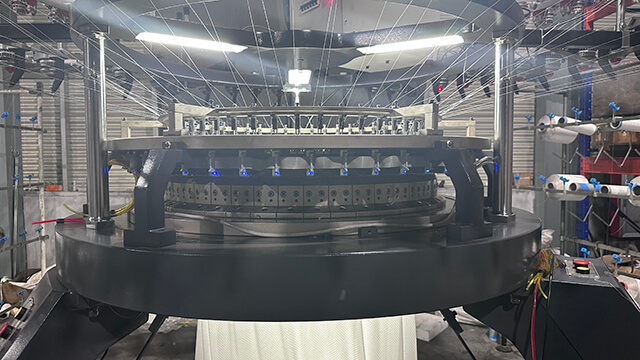
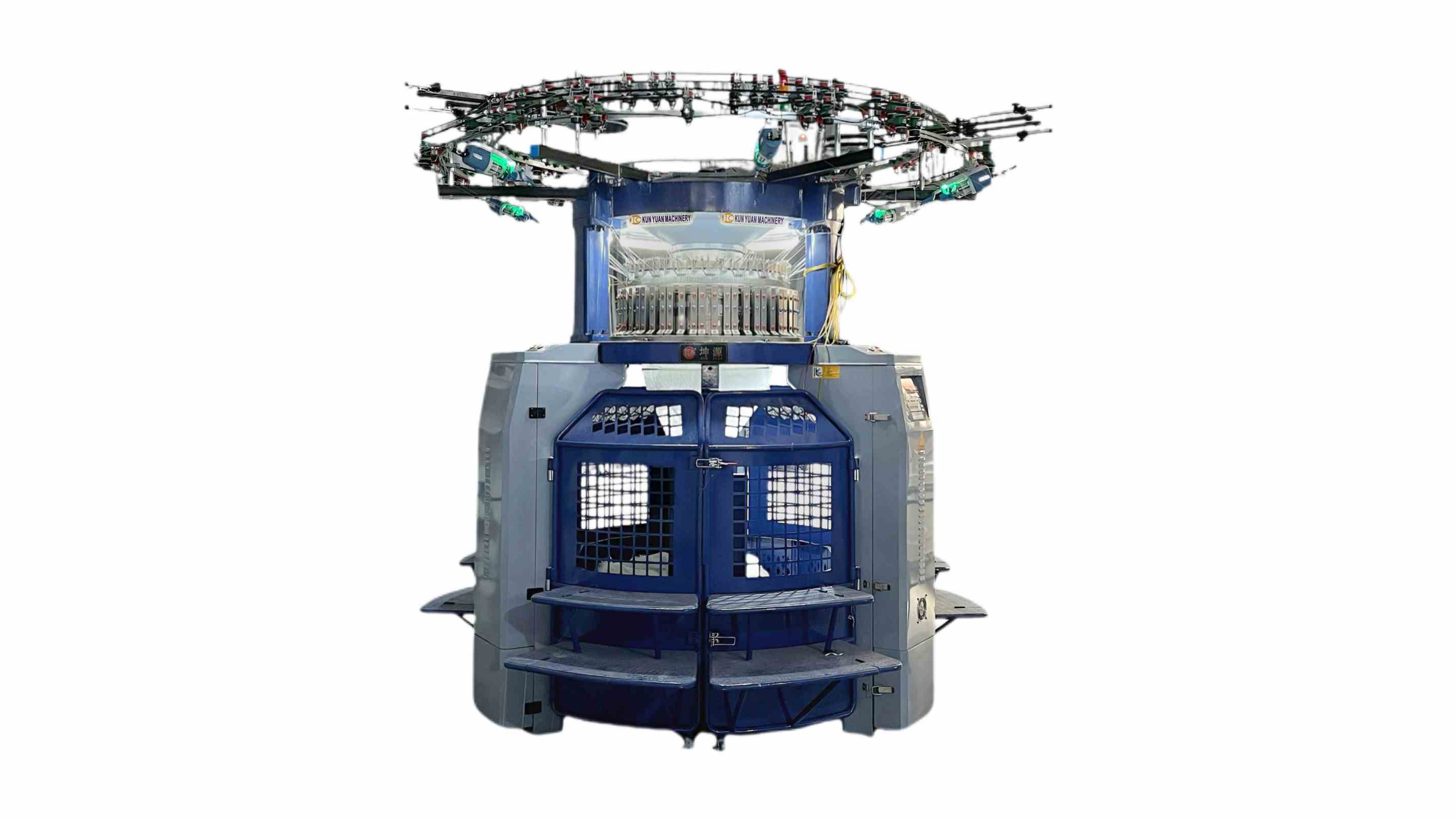
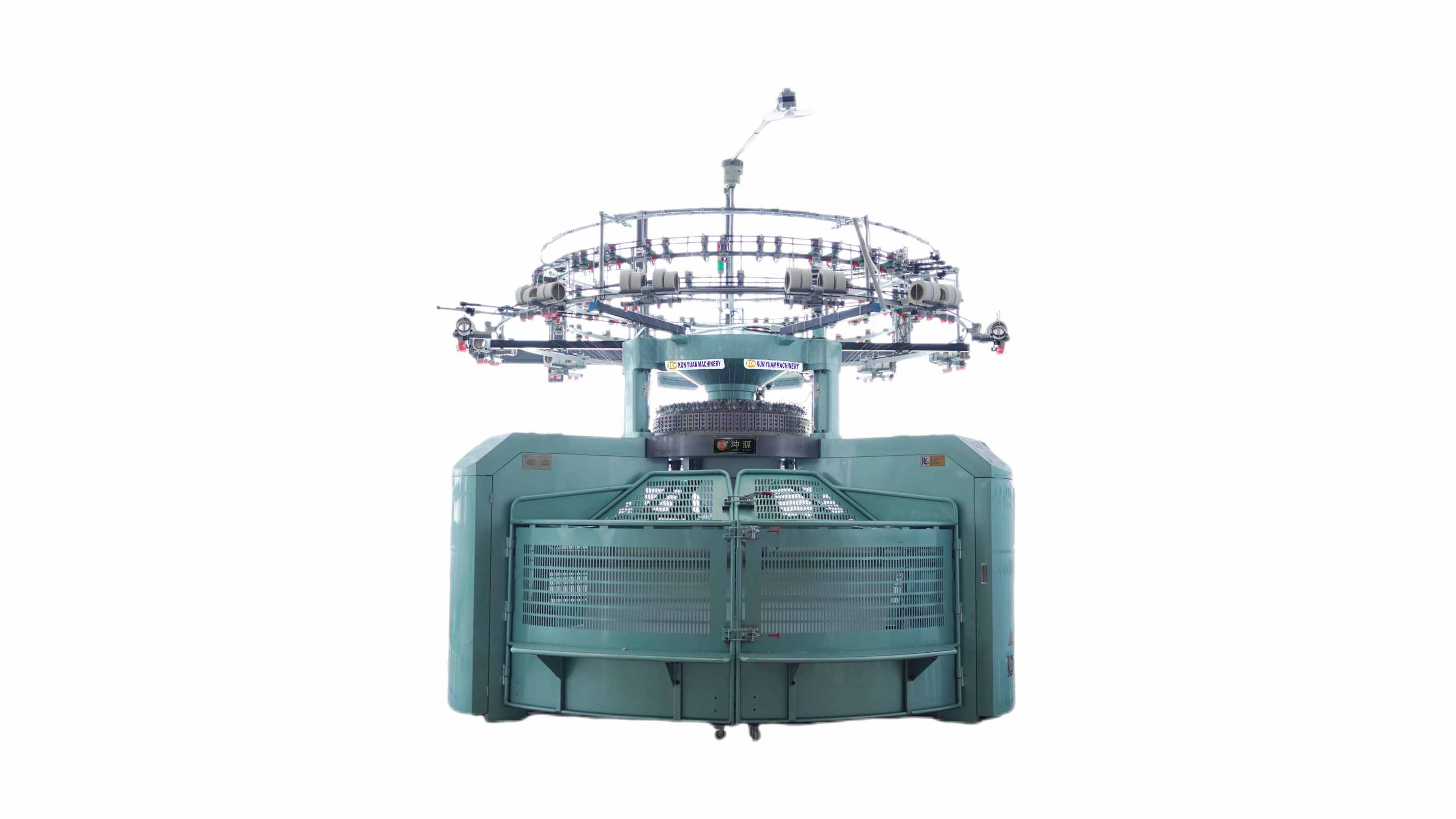
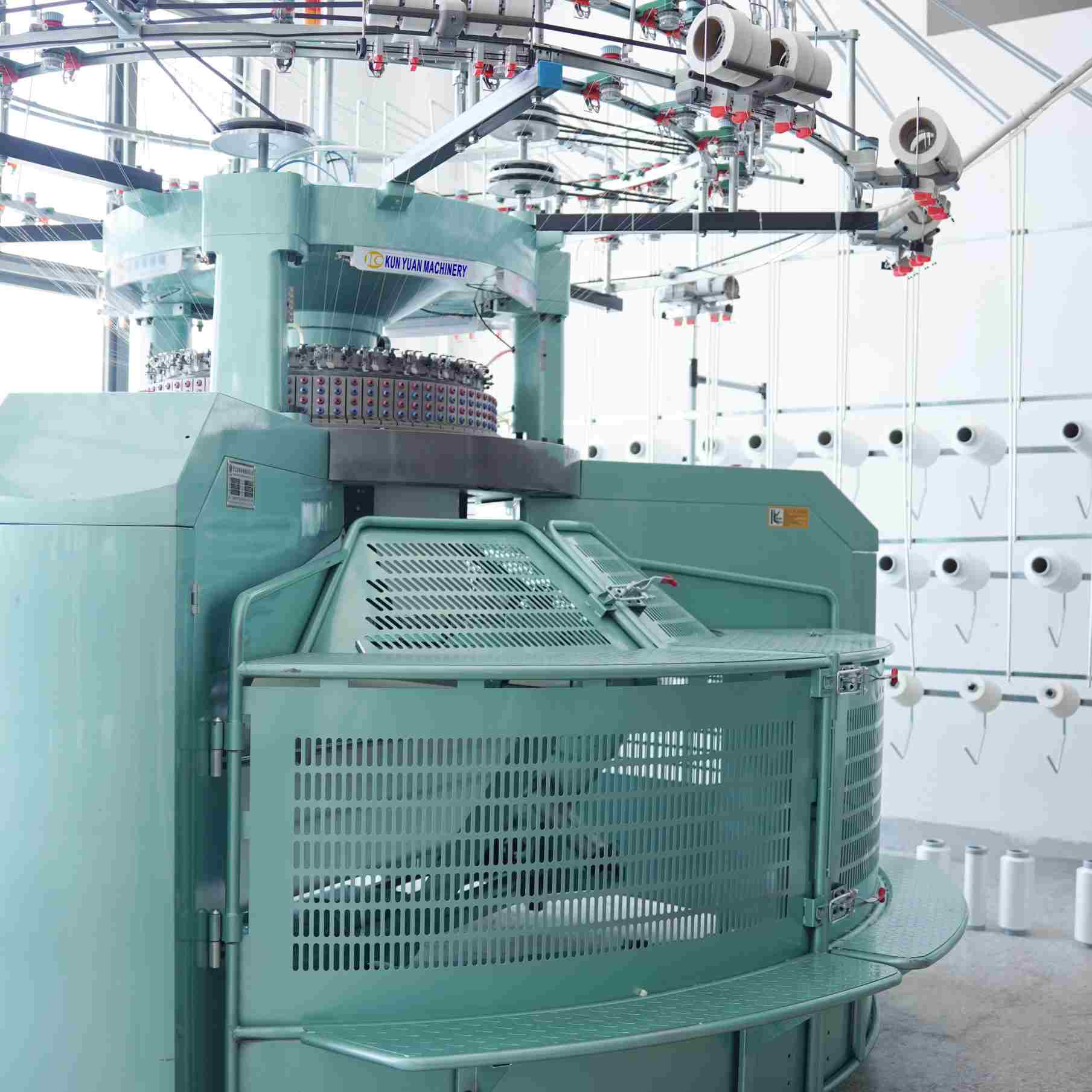
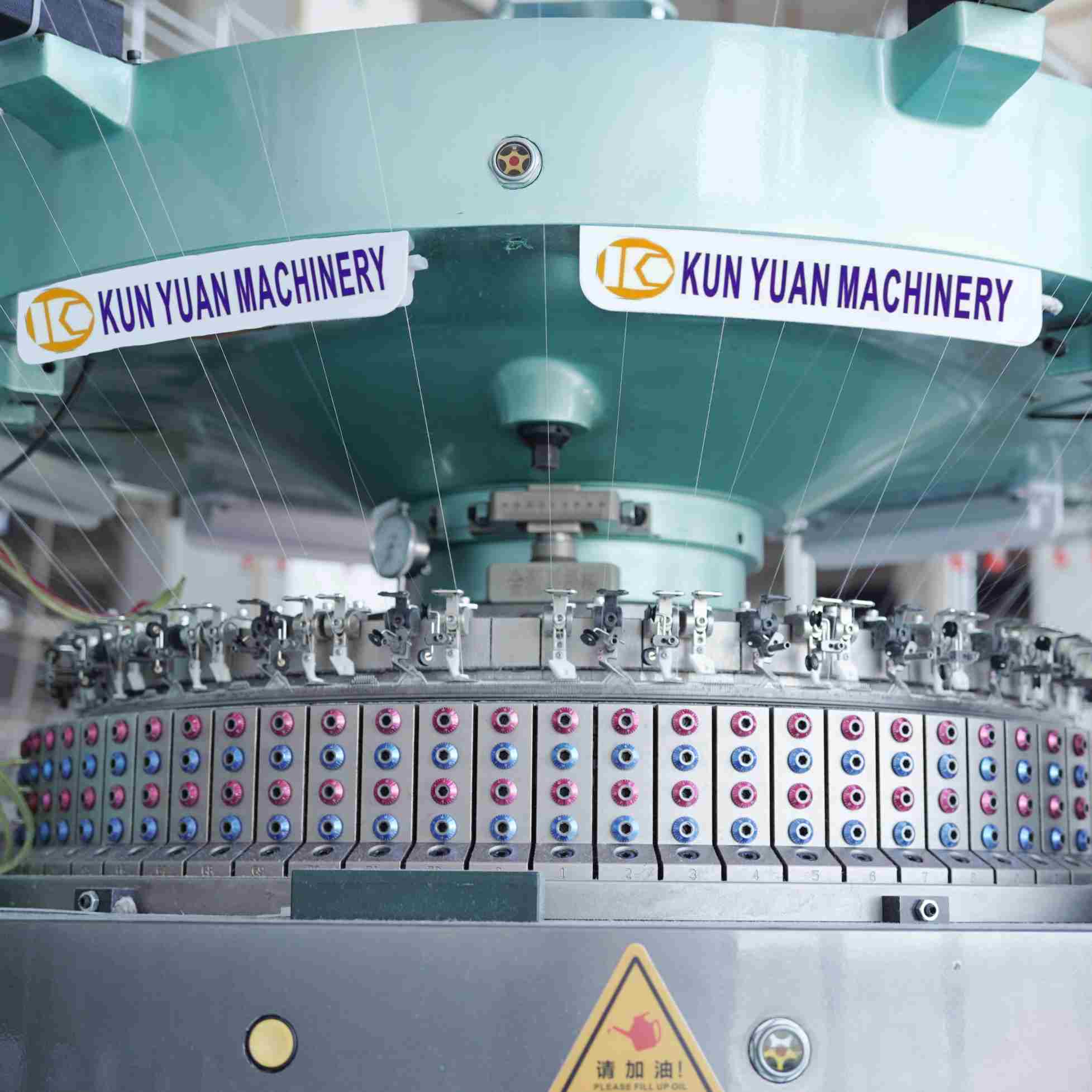
Bring the original and revised motif maps to a computerized jacquard circular knitting machine trial, and keep application testing separate from proof that the machine executes the pattern.





 Tel: +86-13859034518
 Email: info@kunyuanmachine.com
 MP/WhatsApp: +86-13859034518
 Manufacturer Address:Bacuo Village, Yonghe Town, Jinjiang City, Fujian Province