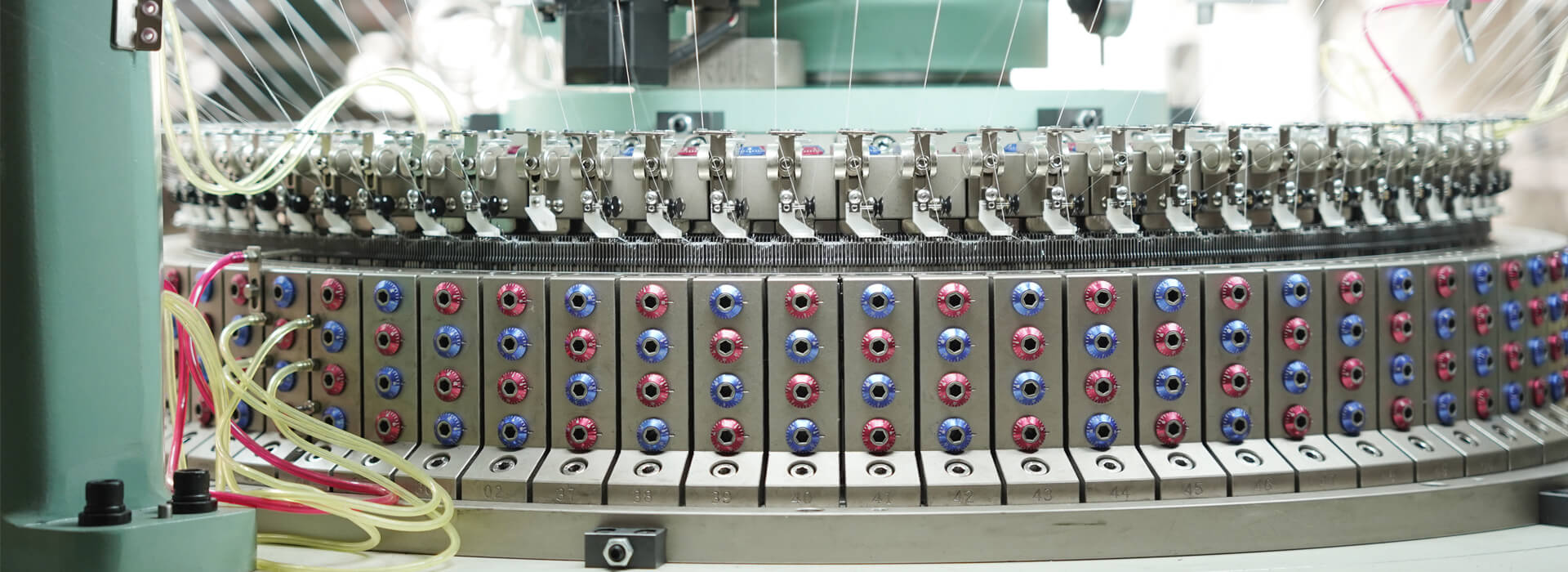
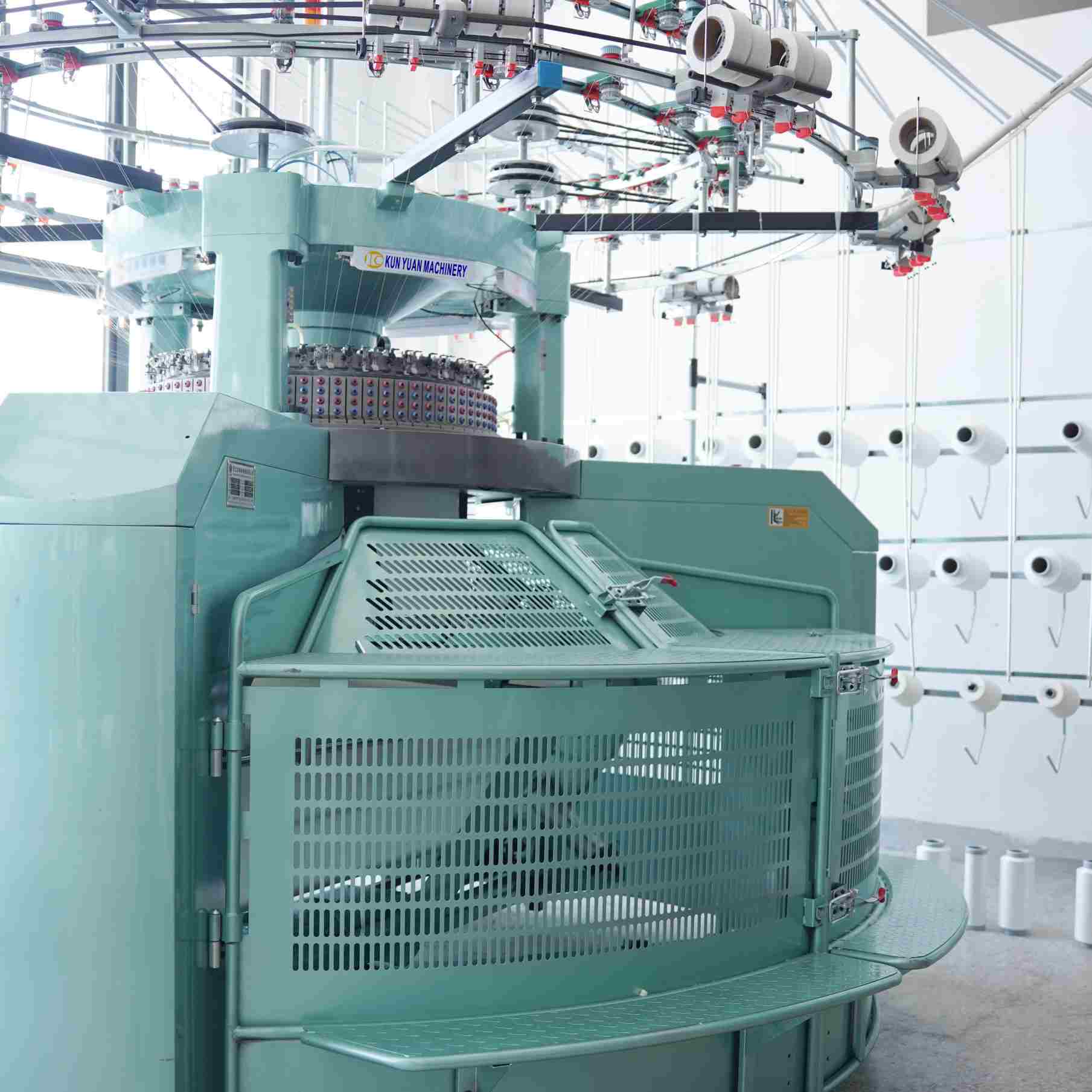
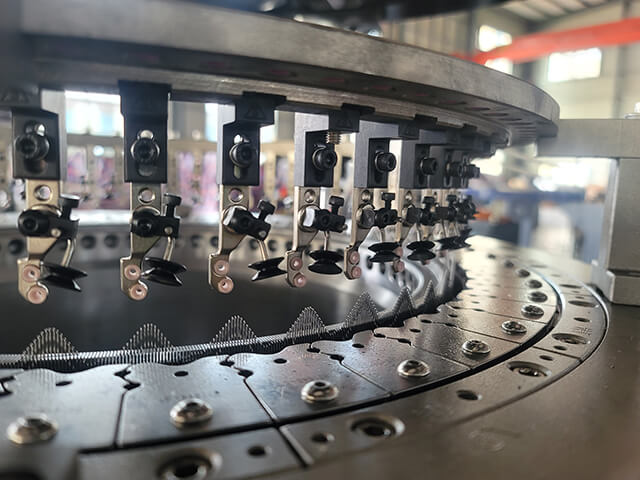
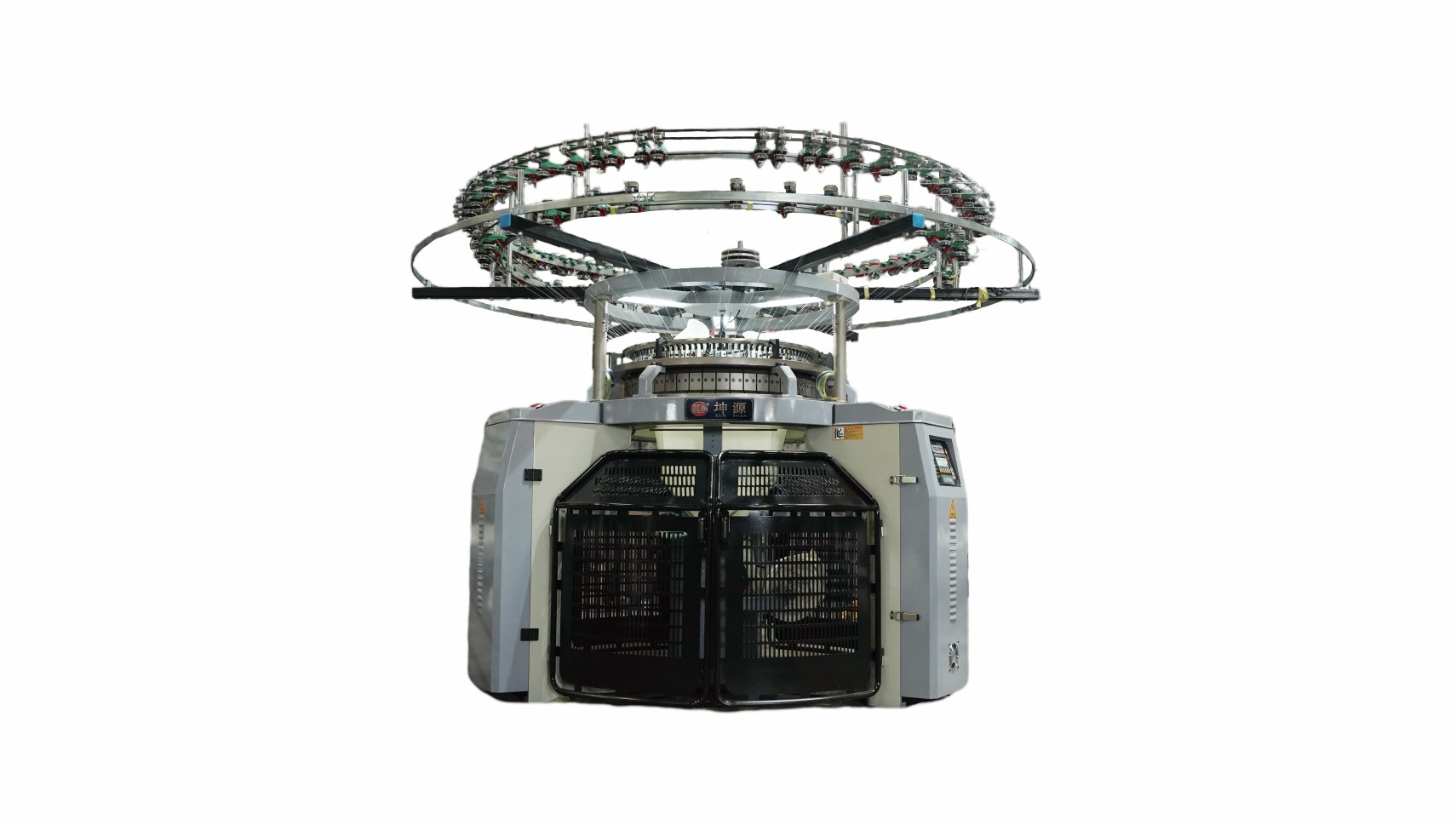
Machine context; the pairing audit requires identified physical components.BodyJoinSleeve
Pre-assembly pairing audit
Approve a sleeve and body as a pair before releasing their assembly lot
A body panel and a sleeve may pass their separate inspections yet form an unacceptable garment together. Pairing needs its own decision because stretch direction, shade presentation and the join can expose differences hidden in isolated pieces.
This recommended buyer audit applies when the garment route includes separately produced pieces. It does not imply that every seamless platform makes a finished sleeve or removes all sewing. Start with the approved garment drawing and list which components are knitted, cut, joined or bought in.
Name the exact body and sleeve sample codes, sizes, yarn and dye lots, program revisions and finishing batches. The output is a pairing release for those components and that assembly route. A generic size label or the same colour name cannot establish that independently produced lots belong together.
Zone 01 - give the intended pairing a recoverable identity
Create one pairing number that links the left and right sleeves to the corresponding body candidate. Retain the nominal size, measured joining edges, orientation marks and the assembly drawing revision. Identify yarn suppliers, lots, colour references and process batches independently for each component. Do not fill the sleeve fields by copying the body's record merely because the order was placed together.
Inspect the pieces in the same declared conditioning state before allocating them to an assembly trial. Record any stretching, steaming or pressing used to make edges appear compatible. Those interventions may form part of an approved process, but hidden correction prevents a fair comparison. If a sleeve is supplied by another operation, agree how its records will remain attached through receipt and cutting. The pairing number should survive repacking so an accepted sample can be reconstructed later.
Zone 02 - compare mechanical response in the directions that meet
Mark course and wale directions and the joining edge on each piece. Ask the laboratory to choose an appropriate method for the fabric and intended use, then retain its direction, loading or extension basis, timing and individual results. ASTM D2594/D2594M describes low-power fabric stretch and growth and has stated limitations; a scope summary is not a complete procedure or automatic shipment-acceptance rule.
Compare the two component records with the garment's movement and join requirements. Matching one maximum extension value is insufficient if the pieces recover differently or their response is measured in different directions. Include an assembled movement trial under the buyer's defined protocol, documenting seam position and distortion. Leave comfort thresholds and acceptable residual growth to the approved product brief. A body-size machine name alone cannot establish that the sleeve will move appropriately with the body.
Zone 03 - evaluate shade with the pieces in their assembled relationship
Present the body and sleeve beside the approved colour standard with the intended technical face and garment orientation visible. Agree the viewing arrangement and illumination with the responsible colour laboratory. AATCC EP9's public scope supports controlled visual comparison against a standard; it does not supply a universal pass tolerance for this garment. Record the selected evaluation procedure and the buyer's decision rule.
Inspect adjacency at the join as well as broad areas of each piece. Record whether a difference changes with direction or the agreed stretched presentation. Keep instrumental readings, where specified, linked to their measurement conditions rather than treating a number as a replacement for the defined visual review. Ordinary phone photographs can document specimen identity but cannot independently prove shade acceptance. If a pairing fails, quarantine the pairing group while assessing whether another documented allocation is permissible.
Zone 04 - challenge the join through care before releasing the lot
Assemble a traceable trial using the production seam or joining route and record any handling correction needed. Measure the garment landmarks specified by the buyer before and after the intended care process. Inspect join distortion, sleeve rotation, local puckering, opening response and shade adjacency using the same evaluation basis. Distinguish a joining-process fault from a component pairing that was already inconsistent.
Release only the component combination demonstrated by that trial. State whether the approval includes other sizes, colours or finishing batches; leave untested combinations pending instead of extrapolating automatically. Preserve an unassembled comparison set and the joined reference garment when practical. When replacement sleeves enter the order, check their pairing identity against the release record. This prevents a passing development garment from becoming an untraceable promise about whichever components happen to reach the sewing line.
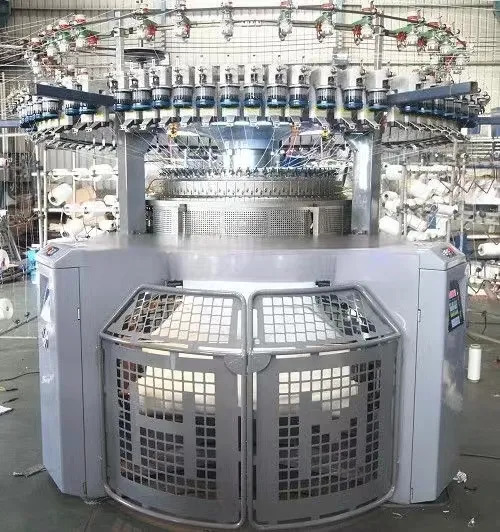
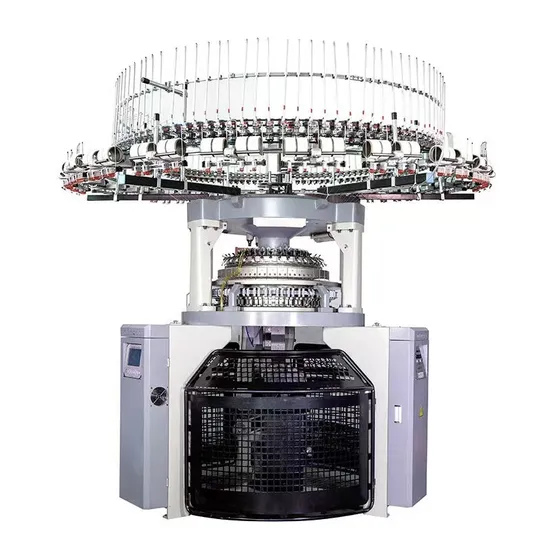
Catalogue imagery does not establish sleeve-to-body compatibility.Retain separate shade and movement evidence from the actual assembly trial.
Recommended sleeve/body pairing release
Evidence
Body record
Sleeve record
Pair decision
Identity
Program, yarn and finish lot
Program, yarn and finish lot
Traceable allocation
Movement
Direction and method results
Same evaluation basis
Compatible joined response
Shade
Standard and orientation
Adjacent comparison
Approved colour grouping
Care
Landmarks and appearance
Join and sleeve position
Release defined combination
Sleeve-to-body matching questions
Does the same yarn colour code prove a match?
No. Retain lot and process identity, then evaluate the actual pieces beside the approved colour standard under controlled conditions.
Can equal relaxed dimensions prove stretch compatibility?
Dimensions are only one input. Directional response, recovery and the assembled movement trial address different parts of compatibility.
Is ASTM D2594 a universal shipment pass test?
No. Its public scope and limitations require method selection and an agreed decision basis; obtain the full applicable procedure from the laboratory.
Should sleeves be stretched to fit before inspection?
Record any production handling explicitly. An undisclosed correction can conceal a mismatch and make the sample impossible to reproduce.
May one accepted pairing release every size?
Only combinations supported by the agreed sampling and approval scope are released. New sizes or substituted component lots may need further evidence.
Conclusion
Sleeve-to-body matching is a relationship between identified components. Mechanical response, shade adjacency and the joined care result each answer a different question. Keep those decisions together under one pairing number so assembly receives the combination that was actually approved.






 Tel: +86-13859034518
 Email: info@kunyuanmachine.com
 MP/WhatsApp: +86-13859034518
 Manufacturer Address:Bacuo Village, Yonghe Town, Jinjiang City, Fujian Province