

Hot Keyword:
Author:KUNYUAN Machine Manufacturer TIME:2026-08-29
Unitex publishes single-knit, double-knit and computerized series with model-specific features. A buyer should turn those choices into one controlled RFQ rather than request a generally versatile machine.
Start with separate fabric briefs and a numbered configuration schedule. For each target, record structure, yarn, gauge, finished weight and width, surface and dimensional limits, finishing route and expected order mix. Ask Unitex or the supplying party to identify the exact series, model, diameter, feeders, gauge, beds, tracks, selection, yarn controls, take-down and included conversion parts.
The official Unitex product page describes UBX single-knit interchangeability, UDX double-knit families and computerized striper systems. Those published features are useful references, but the signed offer, delivered parts and buyer-yarn trial determine the contract scope. Give every attachment and sample the same RFQ revision number. Otherwise a technically correct trial can be separated from a later commercial offer that quietly lists different options or responsibilities.
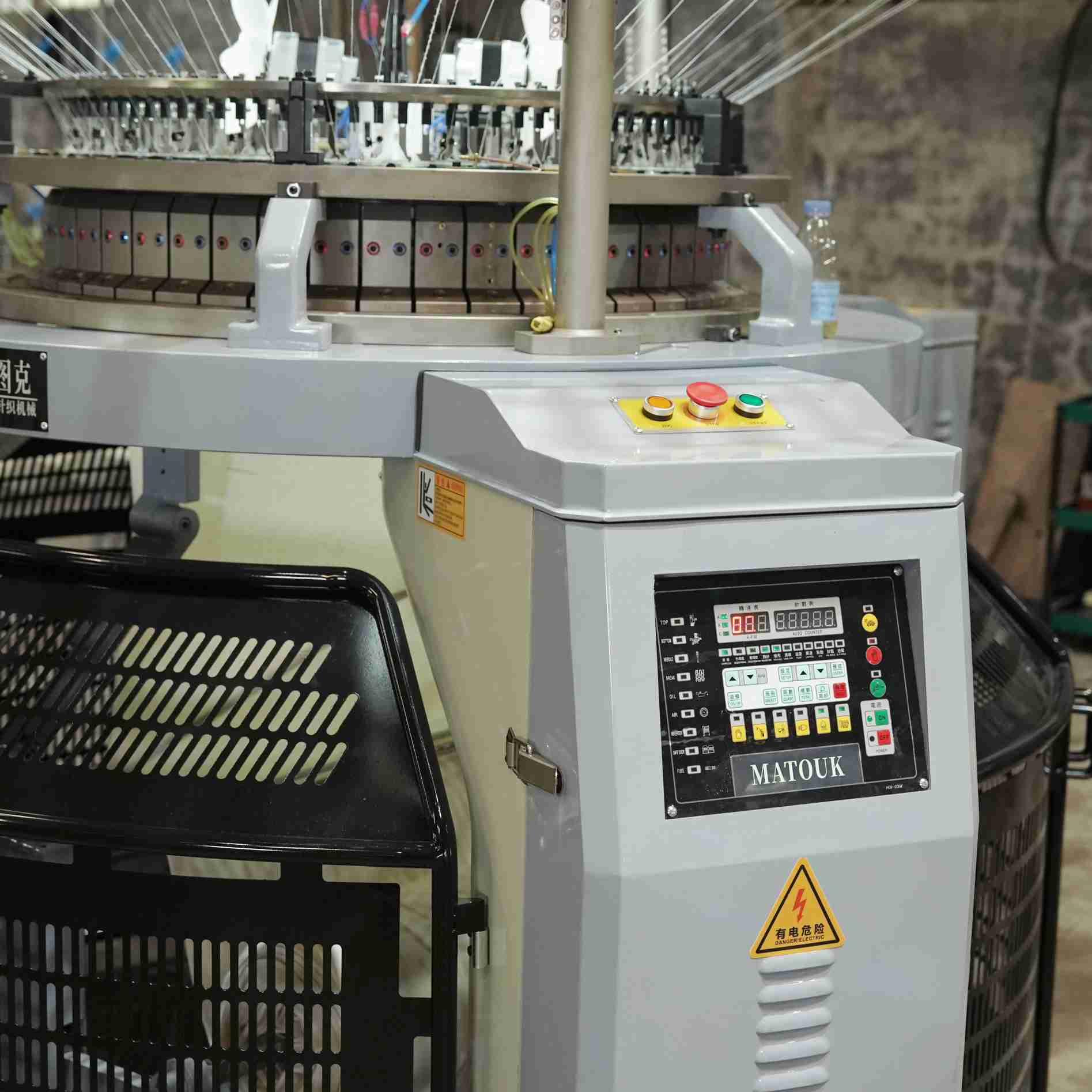
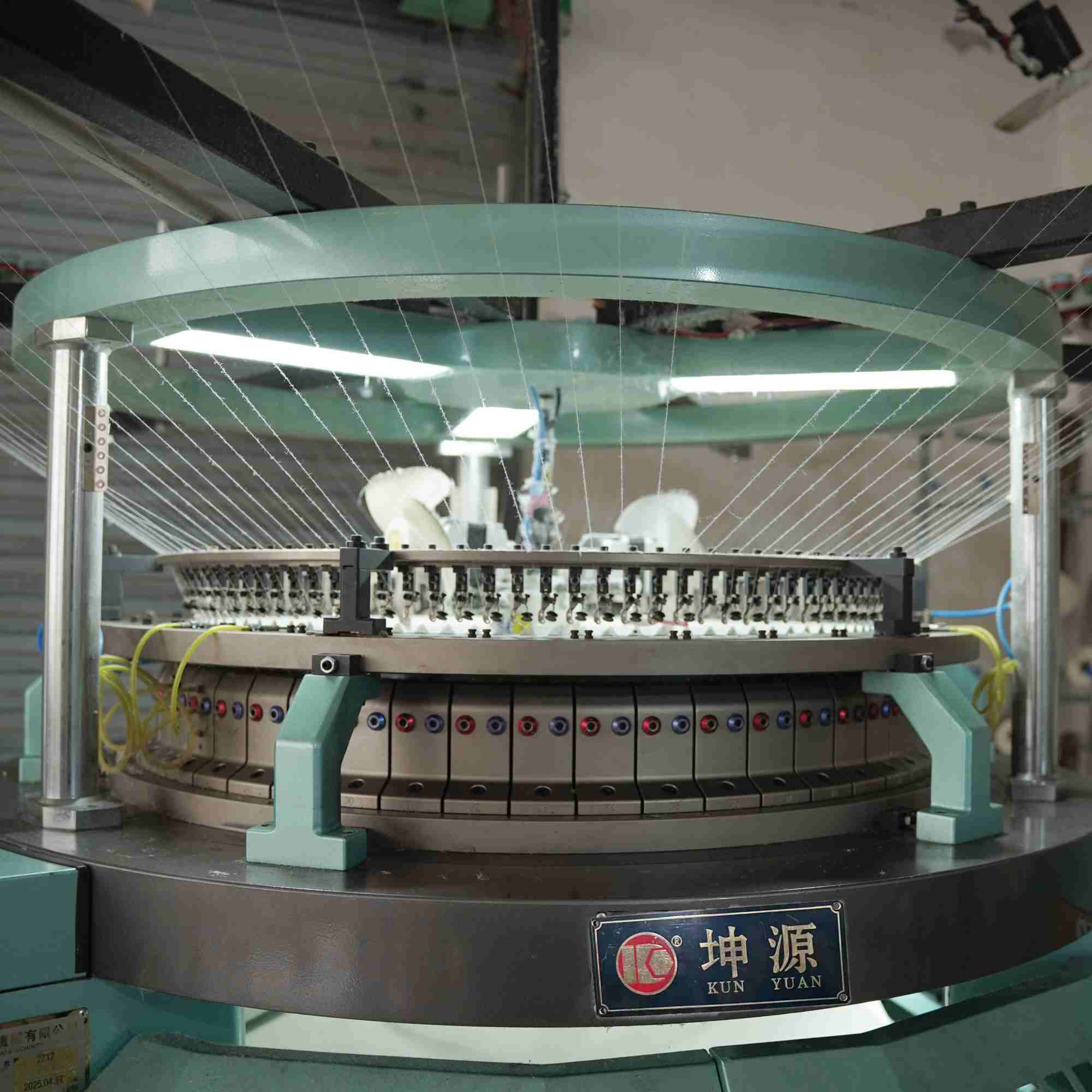
Require the full model, diameter, gauge, feeder count, knitting system, take-down, collection, controls and serial or production identification. List standard equipment, paid options and buyer-supplied items in separate columns.
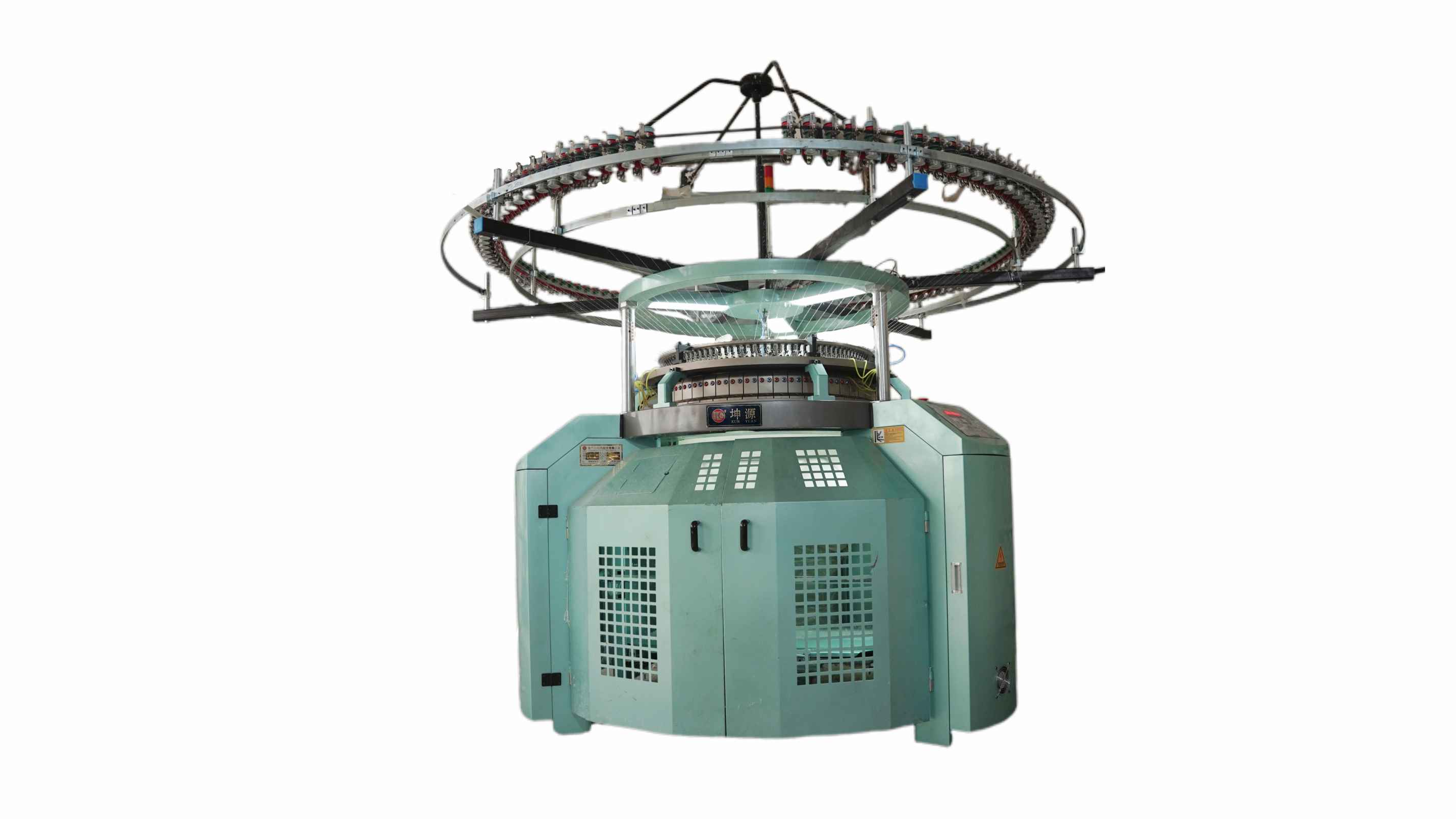
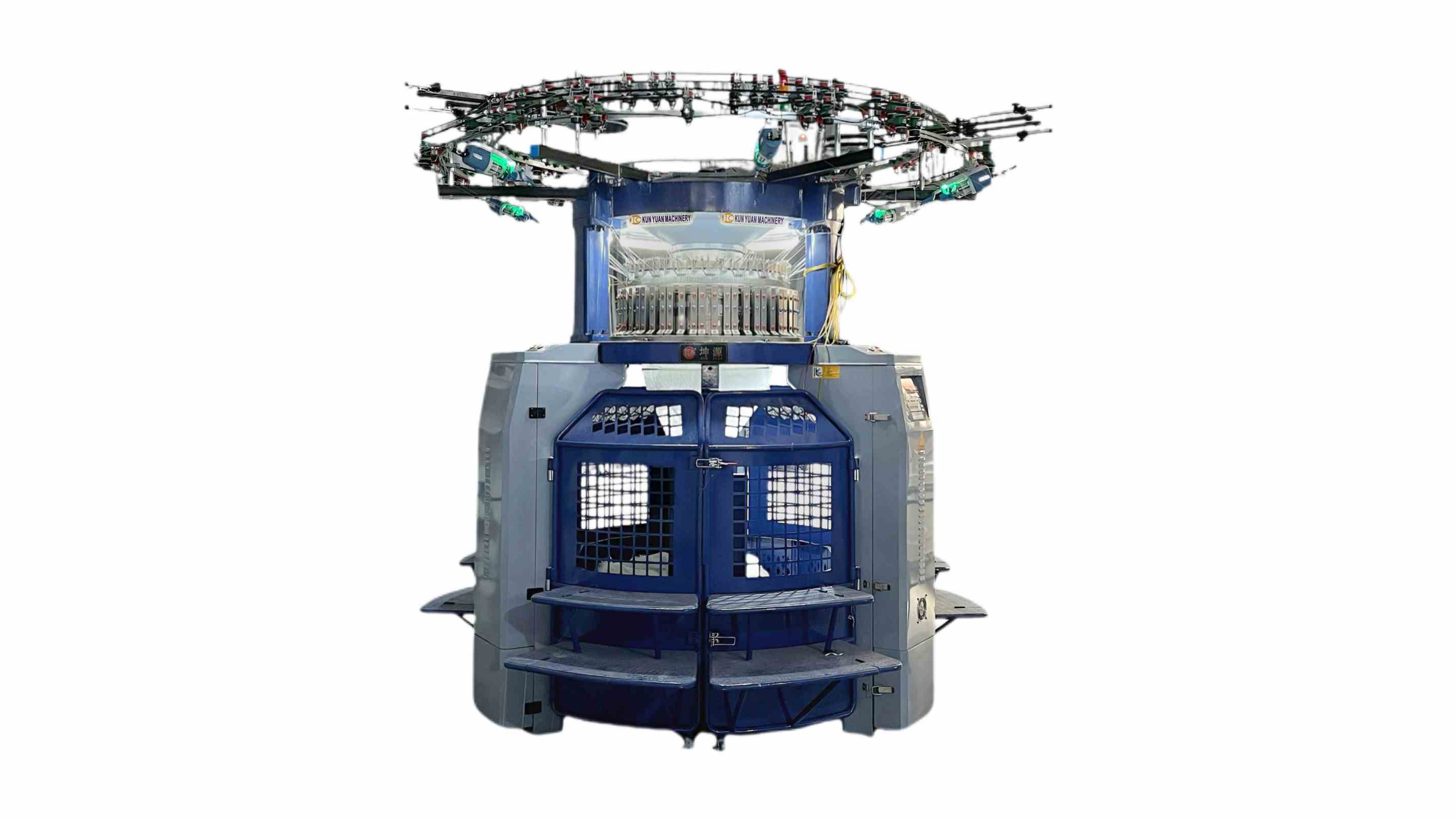
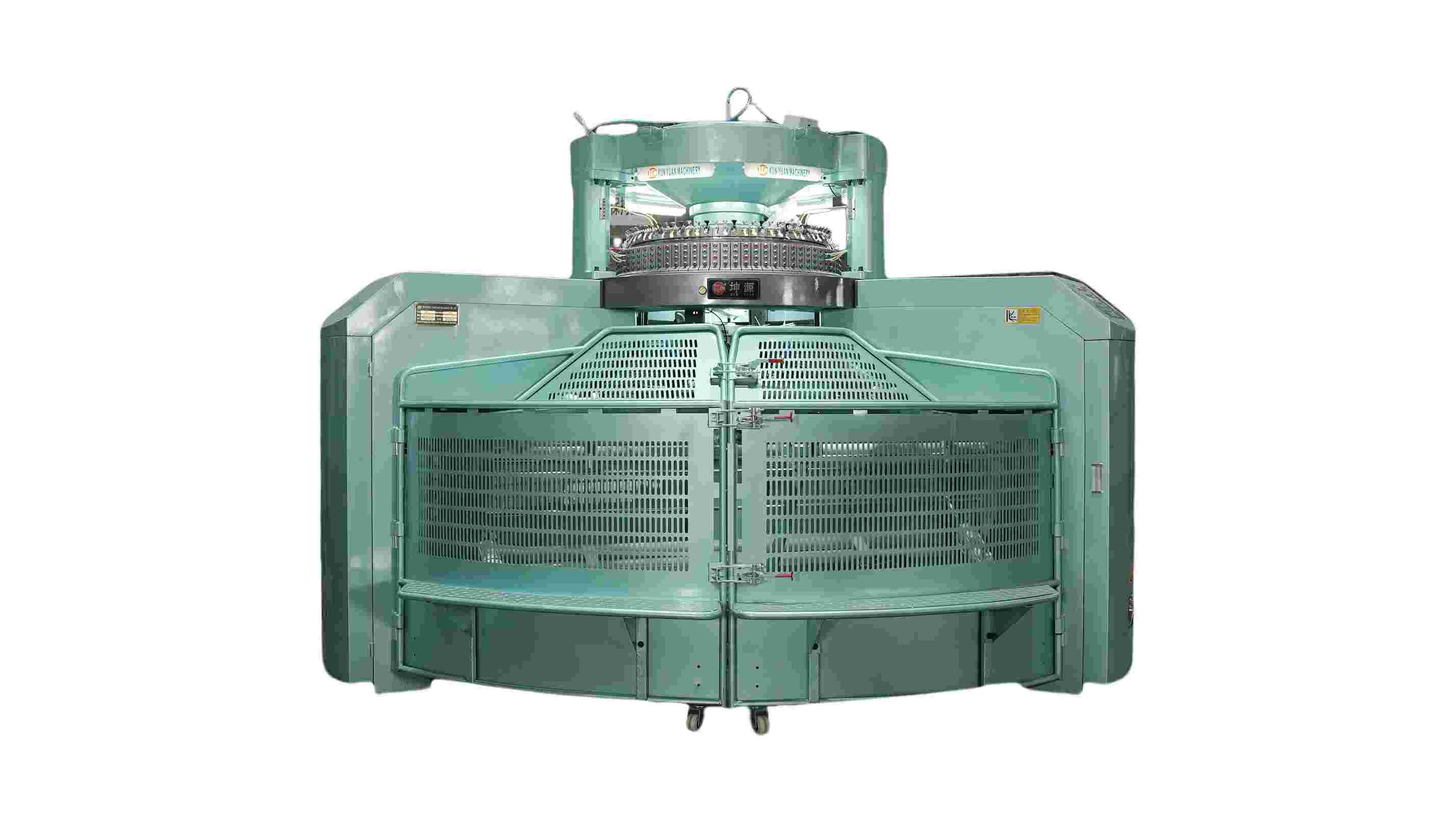
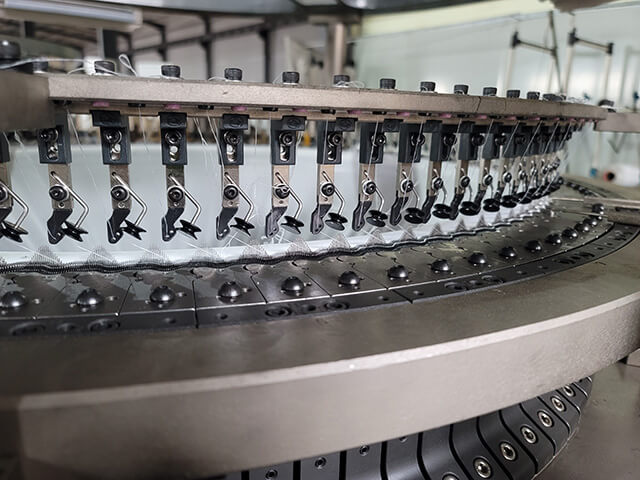
Reference photographs should show the offered arrangement but cannot replace the signed configuration. Record any proposed substitution as a new revision subject to technical review.
For interchangeable or convertible systems, list every cylinder, cam, sinker, needle, feeder, tool, control change and service task needed for each target fabric. Confirm storage and identification of removed parts.
A conversion claim is not simultaneous production capacity. Add expected change time, qualified personnel, restart waste and the trial required after conversion.
Define warm-up, observation period, speed record, package changes, planned stop, restart, samples and allowed intervention. Mark roll position and inspect weight, width, both faces and defects.
Carry representative fabric through its intended finishing route. The factory test proves the offered build before shipment; the site test confirms installation, utilities and receiving-team repetition.
Name operator and maintenance training tasks, documentation language, service contacts, response boundary, critical wear parts and lead times. Include controller or pattern backups where applicable.
Close open items by owner and date before final acceptance. A broad support promise is not actionable when the mill lacks part numbers, escalation information or a recoverable setup.
| Dossier item | Supplier entry | Buyer evidence | Release rule |
|---|---|---|---|
| Series/build | Exact installed scope | Fabric-to-feature map | No unnamed substitution |
| Conversion | Parts and procedure | Downtime and trial plan | Each route costed |
| Acceptance | FAT/SAT setup | Marked finished samples | Limits pass |
| Support | Training, spares, backups | Local owner and storage | Handover repeats |
No. Include model, diameter, gauge, feeders, installed features, handling and control scope.
No. List parts, labour, downtime, setup and re-approval for each conversion.
FAT checks the build before shipment; SAT checks installation and local repetition under the agreed product.
Only when the signed configuration states that it is installed and the acceptance method verifies it.
All configuration, trial, support and open-item fields need an owner, evidence reference and release state.
A Unitex RFQ should read like a controlled machine-and-fabric dossier. Exact series identity, conversion scope, finished trials and support records make published versatility measurable and protect both buyer and supplier from an ambiguous order.
Use the same RFQ schedule when comparing the industrial circular knitting machine range so machine identity, conversion effort and finished acceptance remain visible across suppliers.

 Tel: +86-13859034518
 Email: info@kunyuanmachine.com
 MP/WhatsApp: +86-13859034518
 Manufacturer Address:Bacuo Village, Yonghe Town, Jinjiang City, Fujian Province