Stable circular fabric comes from a connected material path, not one isolated machine setting
Yarn preparation, delivery, needle action and fabric withdrawal affect consecutive loops, so process control should follow the material from package to finished inspection.
Define the fabric before tracing the machine. Record the structure, technical face, yarn systems and lots, target greige and finished measurements, fabric form, finishing route and defect standard. Then draw the actual path from each package through its delivery devices to the knitting point and onward through take-down and winding. This flow gives operators a shared location for observations and prevents a downstream symptom from being assigned automatically to the nearest visible component.
Manufacturer portfolios separate single-jersey, double-jersey, fleece, jacquard and other machine families because loop-forming arrangements and handling requirements differ. Mayer and Cie provides a machine selector organized by those families, while Kunyuan and Groz-Beckert publish equipment or knitting-system references for circular applications. Use such material to identify questions. The exact model manual, offered build and marked buyer-yarn run remain the authority for settings, service work and acceptance.
Stage 1: establish yarn identity and predictable delivery
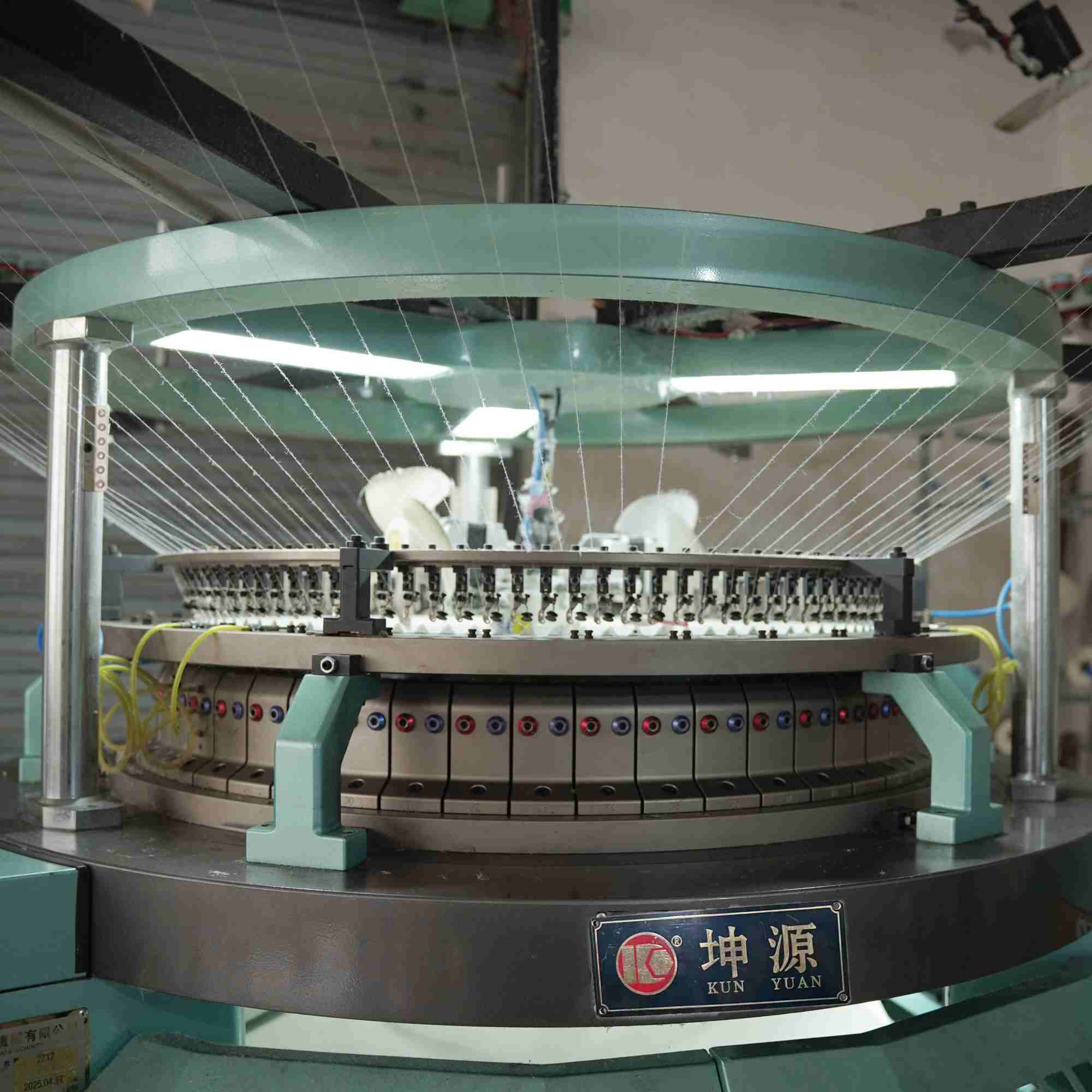
Assign each yarn a role in the structure and label its packages before threading. Record material, count, lot and package build together with the route through guides, storage or positive-delivery devices where installed. Photograph the accepted path while following the machine's approved stop and access procedure. Do not reduce the record to a generic tension number because permissible values and measurement methods depend on the machine, yarn and device.
Observe normal package depletion, a package change and a restart. Mark breaks, slubs, contamination, unstable withdrawal or detector events on the roll. When one yarn is plated or used as an effect component, keep its evidence separate from the ground yarn. A delivery fault can appear several courses after its initiating event, so time and roll-position records are more useful than an unlabelled swatch.
Label yarn roles and trace every delivery path before the run.
Stage 2: verify that the installed knitting system forms the intended structure
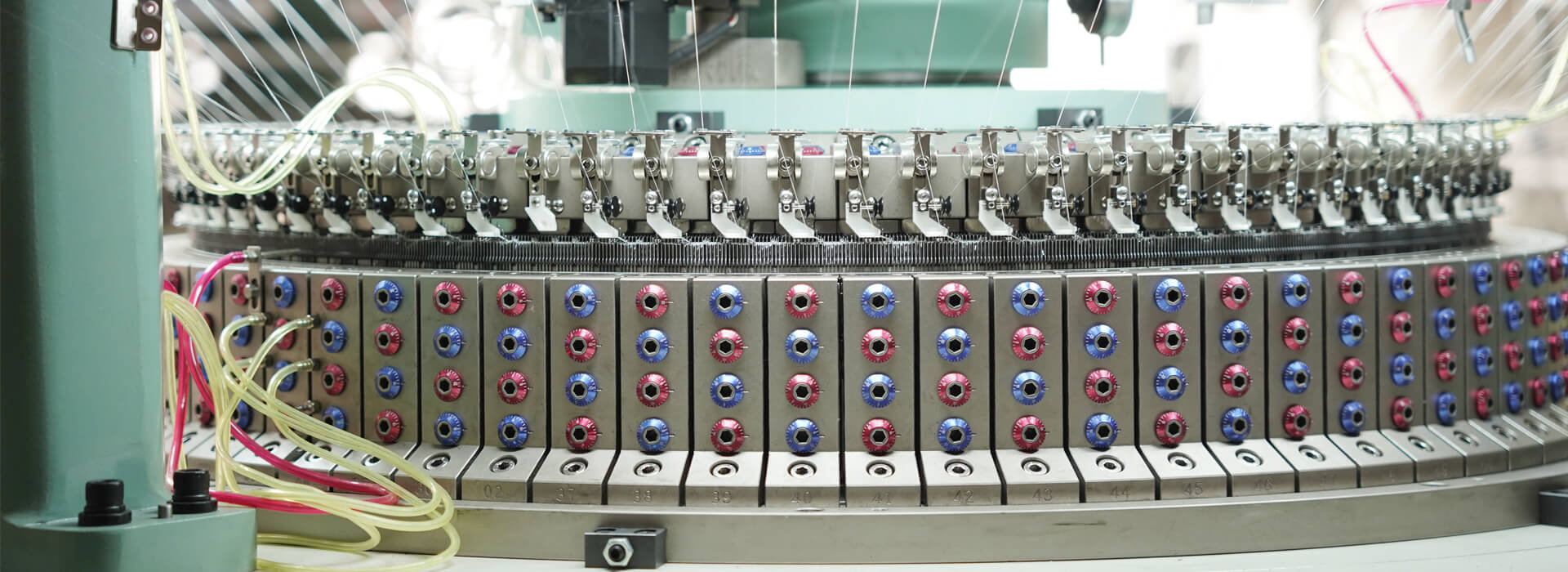
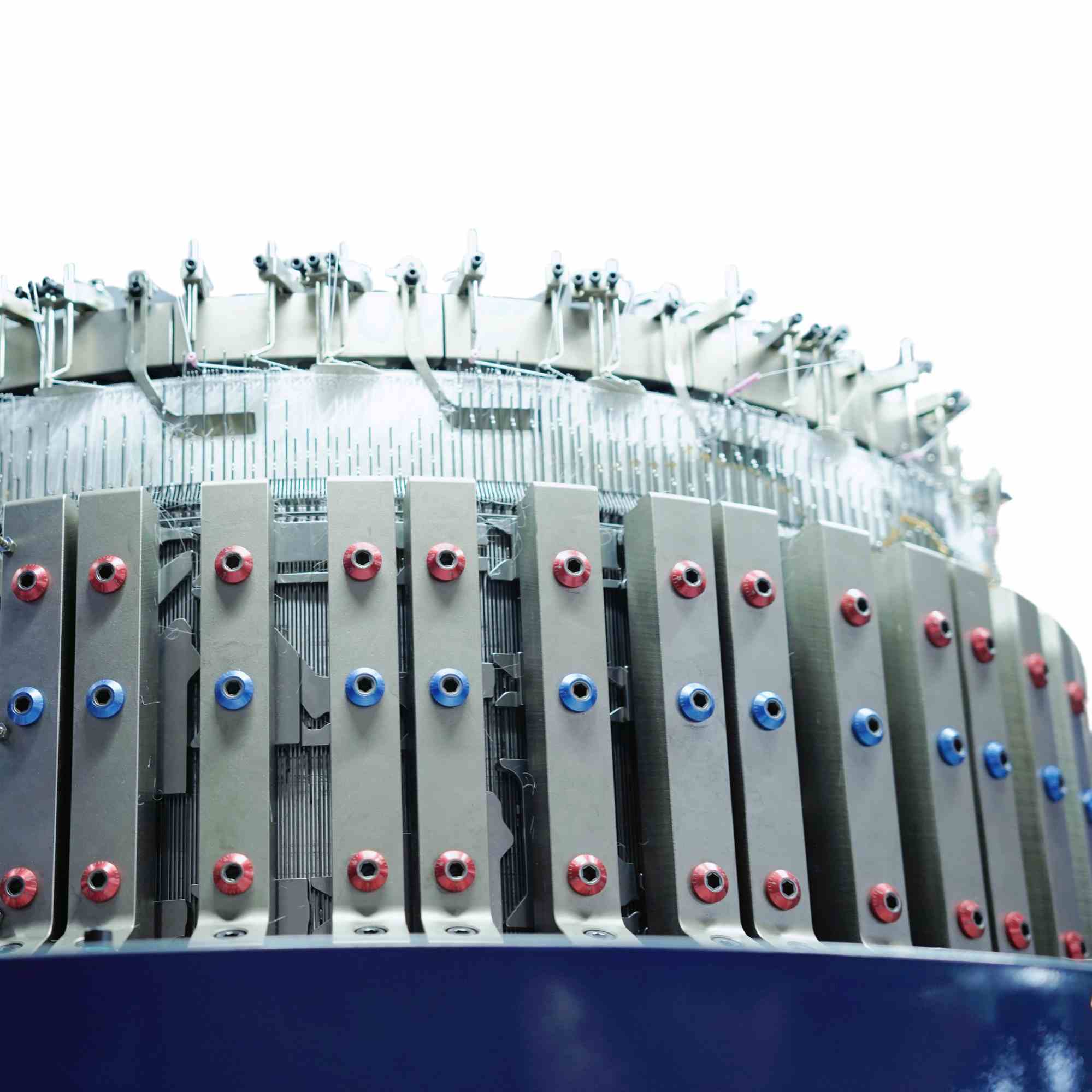
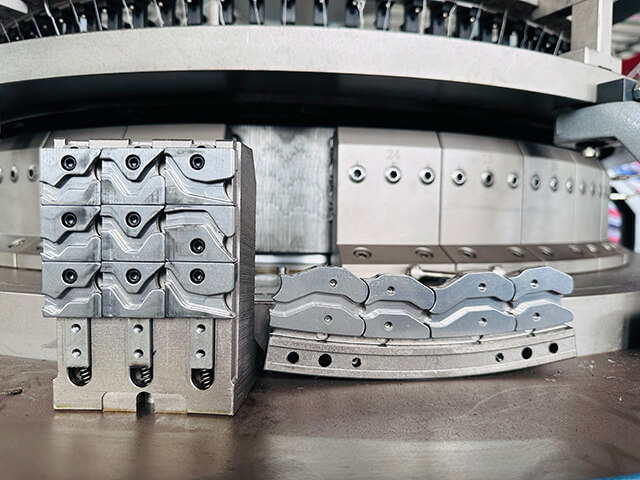
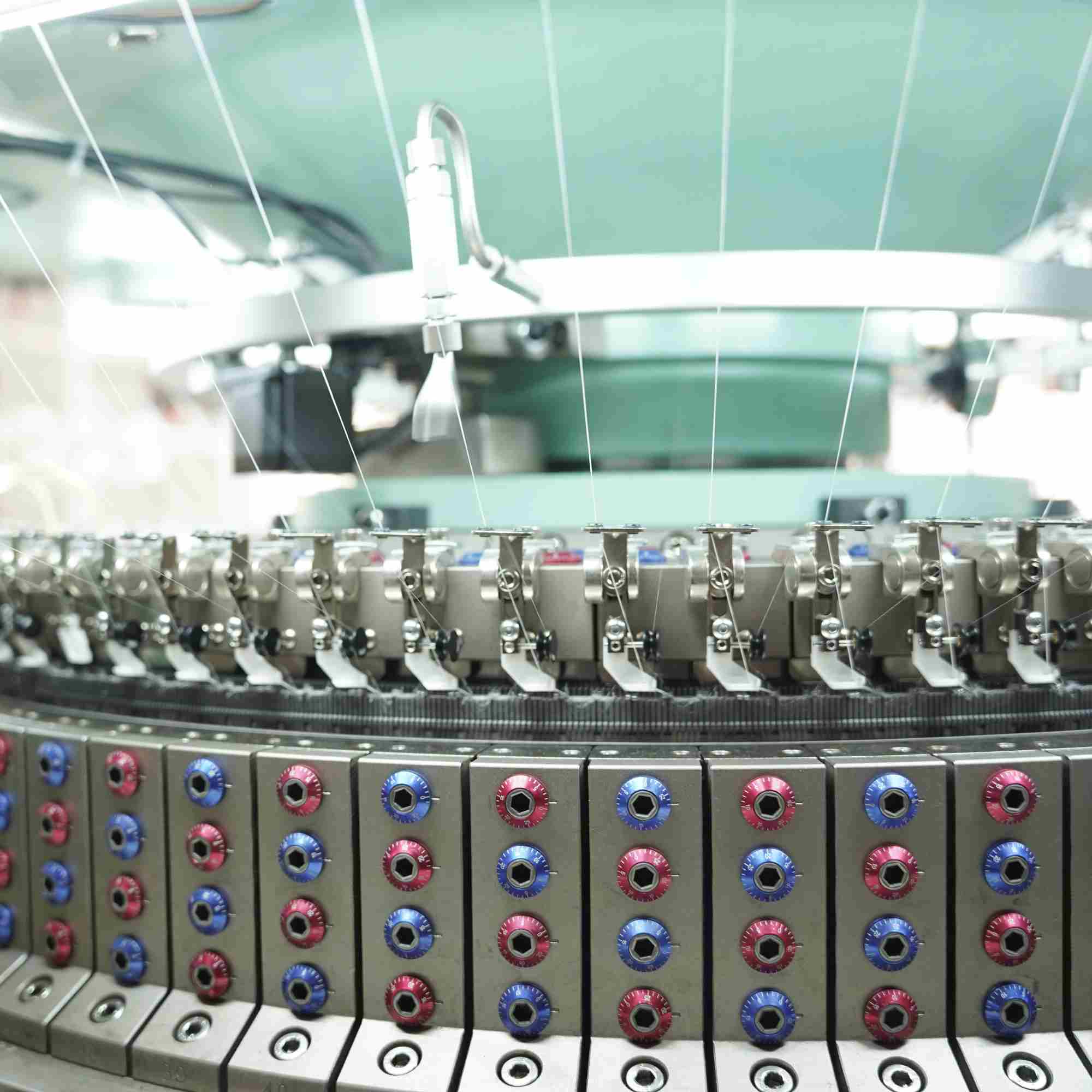
Link each yarn feed to the needle and cam actions required by the target structure. Identify whether the offered machine uses a cylinder-only arrangement or coordinated cylinder and dial systems, and record any selection or special mechanism that the fabric actually needs. Electronic instructions cannot create a knit, tuck, miss or transfer action that the installed mechanical build does not support.
Inspect the technical face and reverse around the full circumference. Mark repeating lines, dropped or malformed loops, local density changes and any event associated with a feed or machine position. Measurements and adjustments belong to the exact manufacturer procedure and qualified role. The article's purpose is to define evidence, not to supply universal clearances or timing values for an unknown model.
Confirm loop architecture on the installed knitting system and both fabric faces.
Stage 3: coordinate take-down and winding with the newly formed fabric
New loops must be withdrawn consistently enough for following courses to form under the approved condition. Record the take-down and collection arrangement, whether the output remains tubular or is handled open width, and the winding condition used for the trial. Inspect the whole usable width and several roll positions rather than relying on a small center sample. Crease, edge behavior, roll pressure and circumferential bands may only become visible over distance.
Pair any adjustment with a marked roll location and keep the prior accepted state available. A change in withdrawal can alter width, density, surface and restart appearance at once. If the next process needs a specific roll form or tension condition, include it in acceptance instead of treating collection as packaging after the important knitting work is finished.
Map withdrawal and downstream results to known roll positions.
Stage 4: connect greige observations to saleable finished fabric
Cut labelled samples from known roll positions and carry them through the intended relaxation, dyeing, heat treatment, raising, shearing or other relevant route. Record which process was used. Recheck width, weight, appearance, dimensional response and any structure-specific property named by the customer. A setting that improves greige appearance but moves the finished fabric outside tolerance is not an accepted correction.
Close the process with a repeat after a normal stop, cleaning task or job reload. The receiving operator should retrieve the controlled yarn map and setup, identify the inspection points and reproduce the approved result without undocumented intervention. Store the finished sample with its greige control, machine identity, program or recipe revision, yarn lots and date.
Circular knitting process control points
Process stage
Input to freeze
Evidence to retain
Release question
Yarn delivery
Role, lot, path and device
Event log and marked courses
Did each yarn arrive predictably?
Loop formation
Structure and installed actions
Both-face circumference sample
Did the machine form the intended loops?
Take-down
Withdrawal and collection state
Full-width roll and restart map
Was fabric removed consistently?
Finishing
Named downstream route
Greige and finished measurements
Did saleable fabric meet the brief?
Circular knitting process questions
Is circular knitting a warp-knitting process?
No. Industrial circular knitting forms weft-knit loops around a cylinder; warp-knitting equipment uses a different yarn and machine architecture.
Does gauge alone determine fabric weight?
No. Yarn, loop structure, stitch condition, finishing and other variables also contribute, so a physical trial is required.
Why inspect both sides of the fabric?
The technical reverse can reveal floats, missed actions or yarn-placement problems hidden by the face.
Can take-down be checked only at the finished roll?
No. Record the machine-side withdrawal state and link changes to marked fabric so later roll or width defects remain traceable.
What is the final release evidence?
Use paired greige and finished samples tied to machine identity, yarn lots, process revision and a repeatable operating record.
05
Conclusion
Circular knitting is a continuous evidence chain. Prepared yarn must reach the correct feed, the installed knitting system must form the intended loops, take-down must remove fabric consistently, and finishing must confirm the commercial result. A marked flow record makes defects easier to locate and prevents one display value from standing in for process capability.
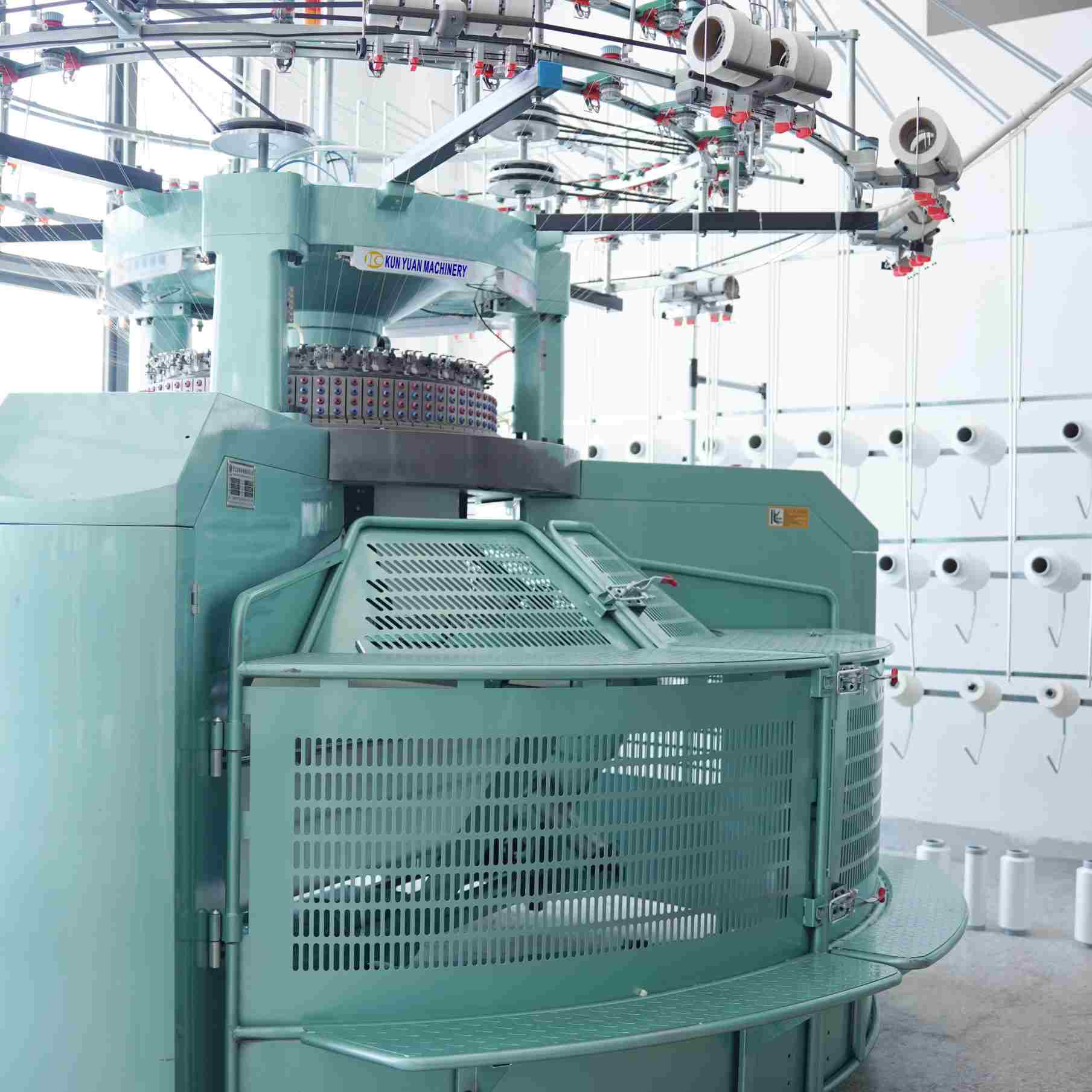
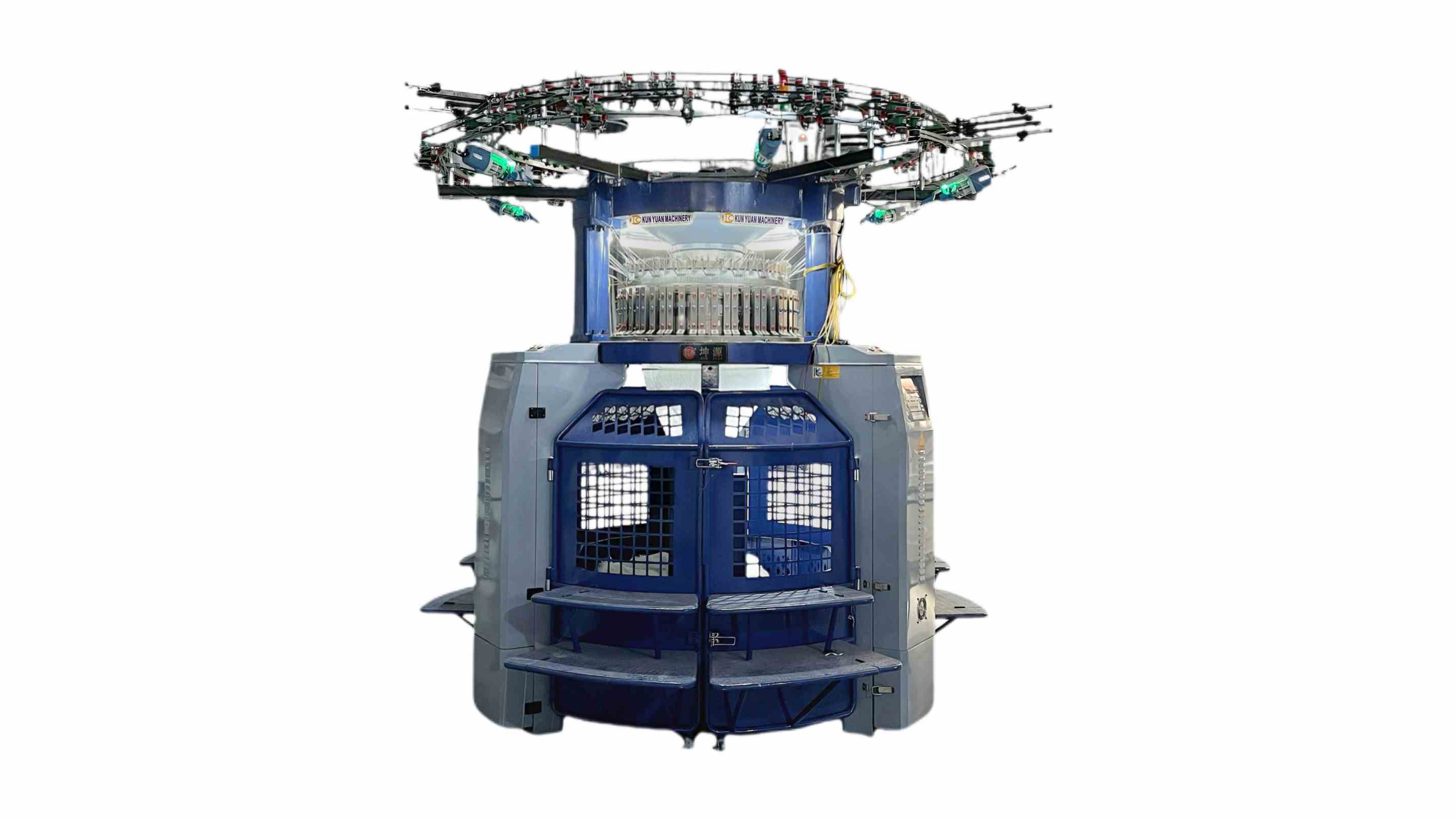
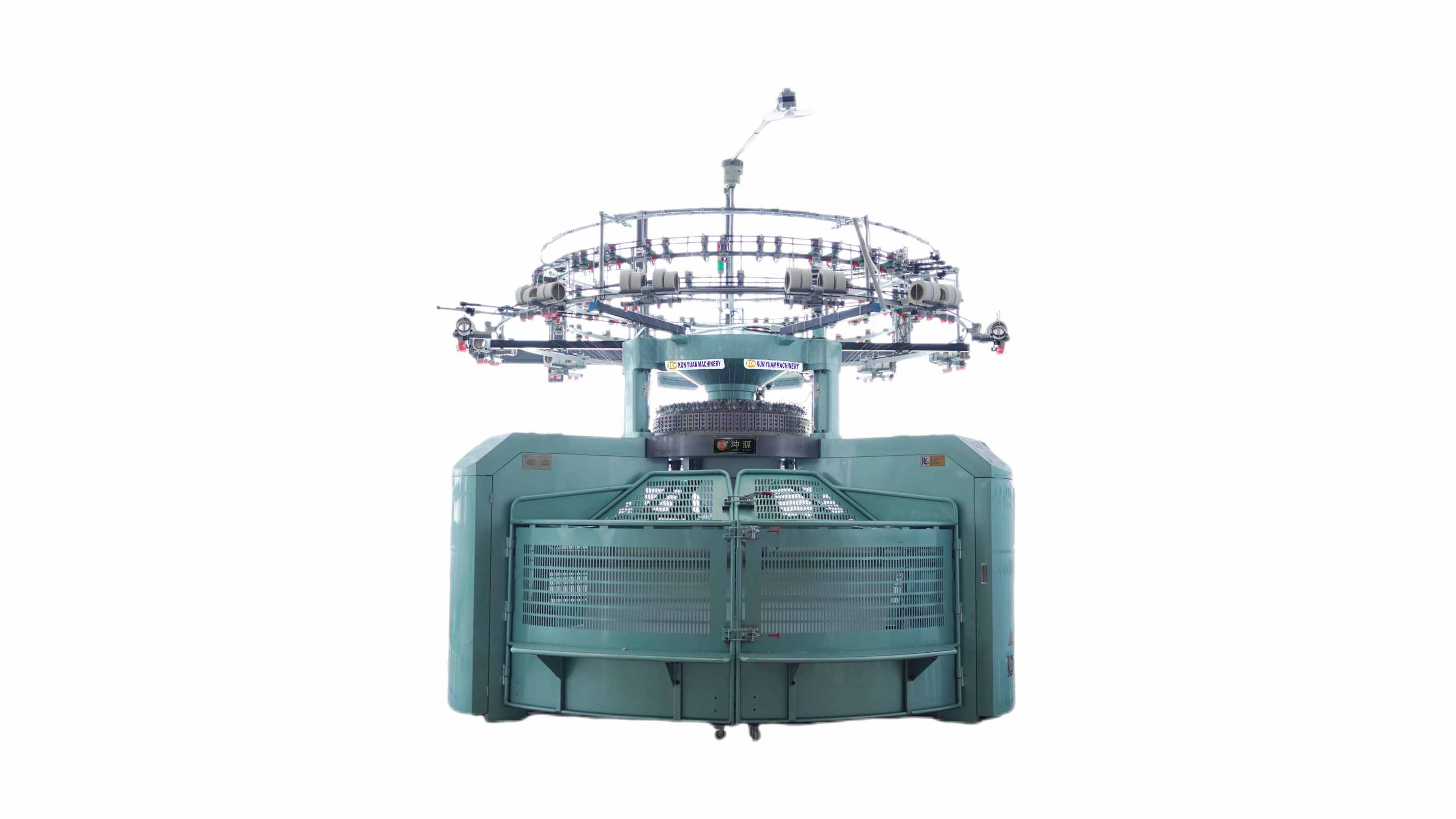
Use this process flow while evaluating the industrial circular knitting machine range and ask for one buyer-yarn run that preserves evidence from package identification through finished-fabric release.




 Tel: +86-13859034518
 Email: info@kunyuanmachine.com
 MP/WhatsApp: +86-13859034518
 Manufacturer Address:Bacuo Village, Yonghe Town, Jinjiang City, Fujian Province