

Hot Keyword:
Author:KUNYUAN Machine Manufacturer TIME:2026-08-30
Jacquard expands pattern control, but the word does not identify one needle bed, selection system, repeat boundary or fabric result. A useful request for quotation begins with a difficult commercial design and ends with a signed sample from the offered build.
Start by converting the intended application into observable fabric requirements. State whether the article is outerwear, sportswear, home textile or another defined product; identify the technical face, reverse-side appearance, repeat dimensions, color or yarn roles, target width and weight, stretch direction, surface limit and finishing route. Attach an artwork revision and mark the portions that are mandatory. Without that brief, a supplier can answer the word jacquard while imagining a different structure.
Official machine selectors from Mayer and Cie. and Terrot separate electronic and mini-jacquard routes by machine architecture and published model ranges. Pailung's own patterned-fabric material shows another manufacturer-specific route. These sources establish that pattern capability belongs to named systems, not to a universal jacquard label. They do not prove that a requested repeat, yarn combination or output is available on every diameter and gauge. The quotation and buyer-yarn trial must close those details for one deliverable configuration.
Give the supplier a production-scale design rather than a cropped visual reference. Mark the horizontal and course directions, repeat origin, smallest isolated detail, longest float concern, dense and open areas, color changes and any transition that must align around the tube. Define which effects come from structure, which come from yarn color and which will be added by printing, brushing, heat setting or another downstream process. This prevents a clean rendering from being mistaken for a knittable instruction.
Add material data for every functional yarn: fiber, count, filament or staple form, elasticity, finish, color and approved substitution boundary. State the finished tests that matter to the application, such as usable width, weight, dimensional response, stretch and recovery, face clarity, reverse appearance or snag limit. The procurement file should label untested effects as open. A supplier may propose a modified motif or yarn route, but the changed version receives a new revision and cannot silently replace the buyer's original acceptance target.
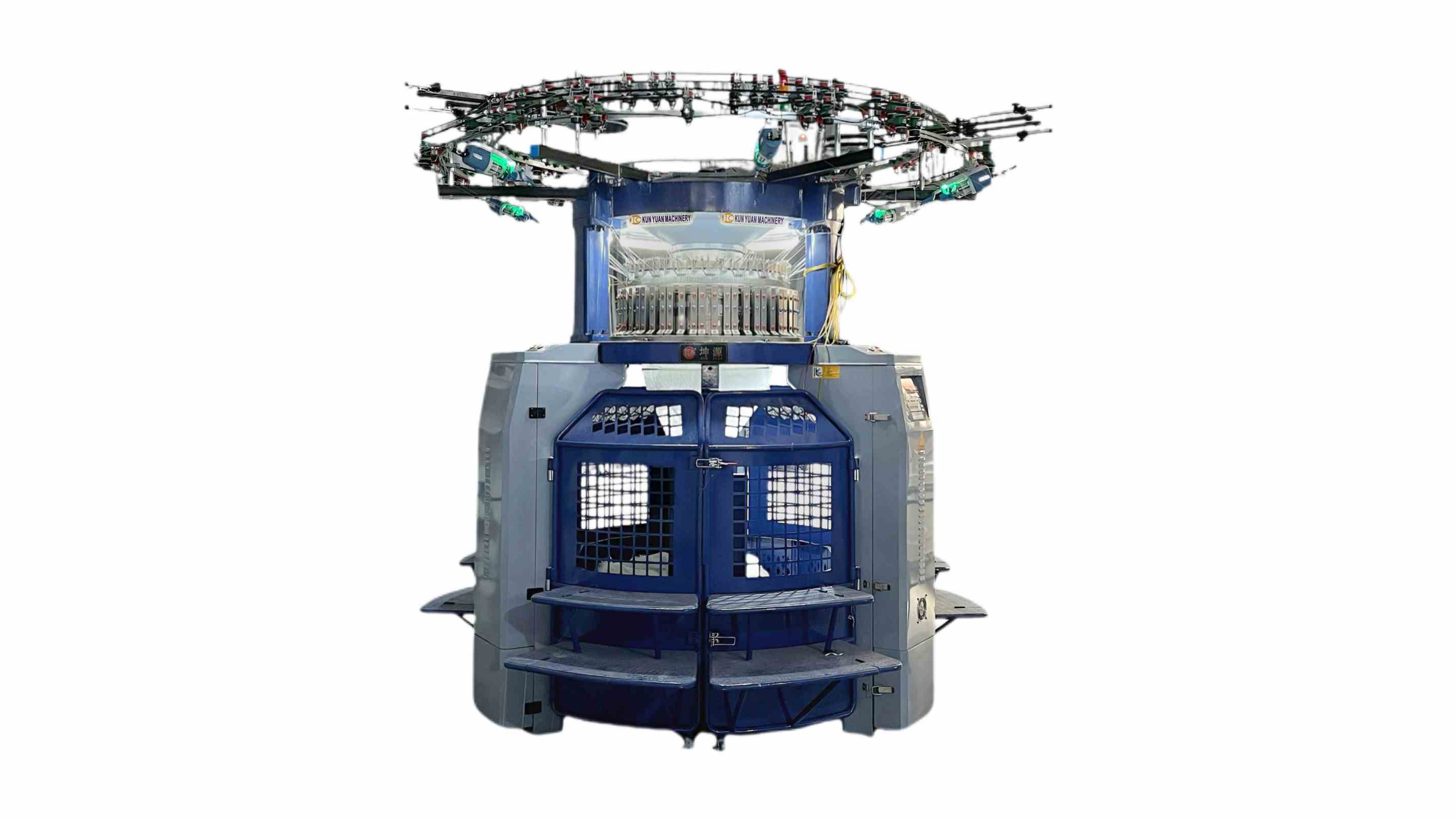
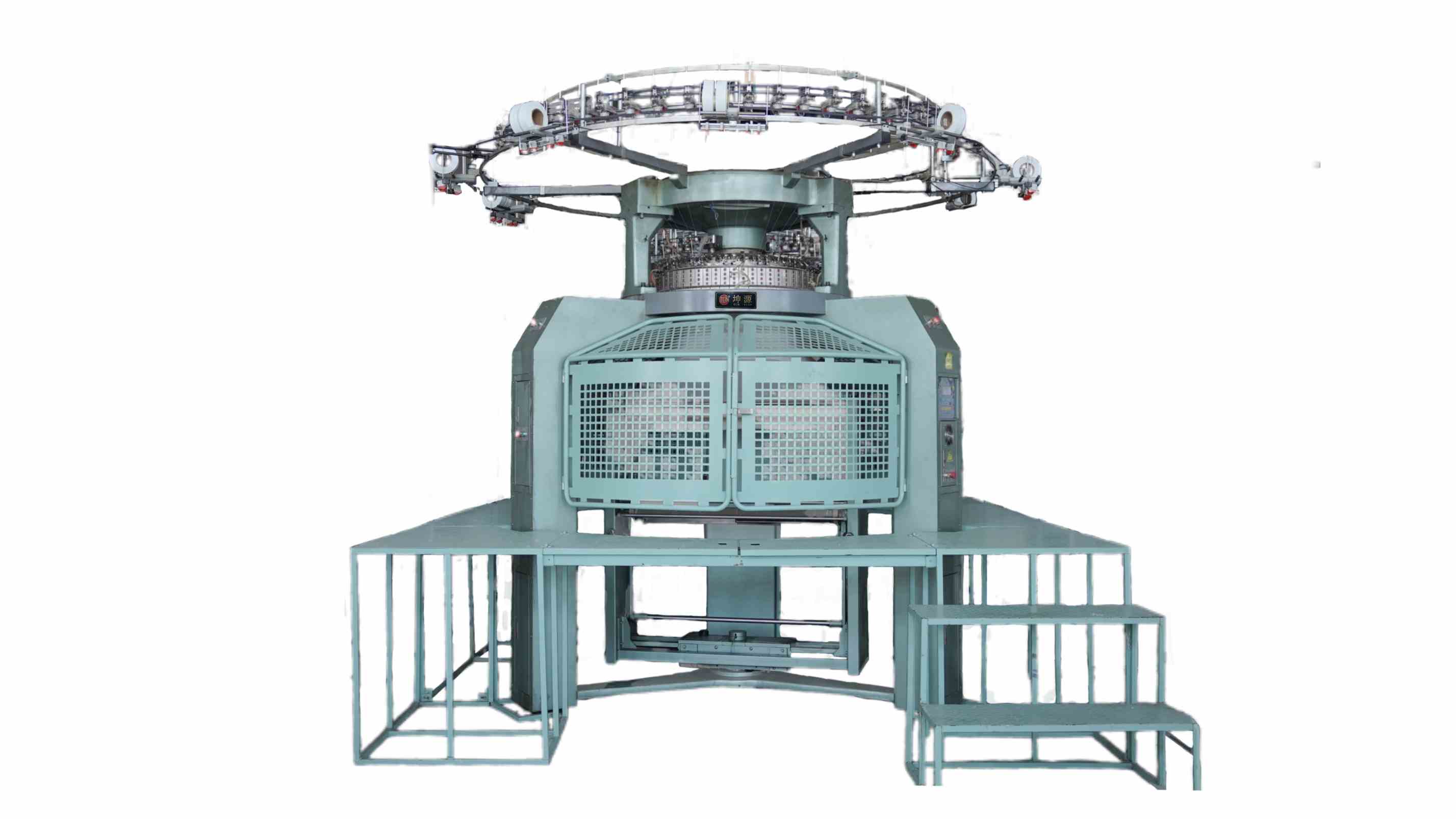
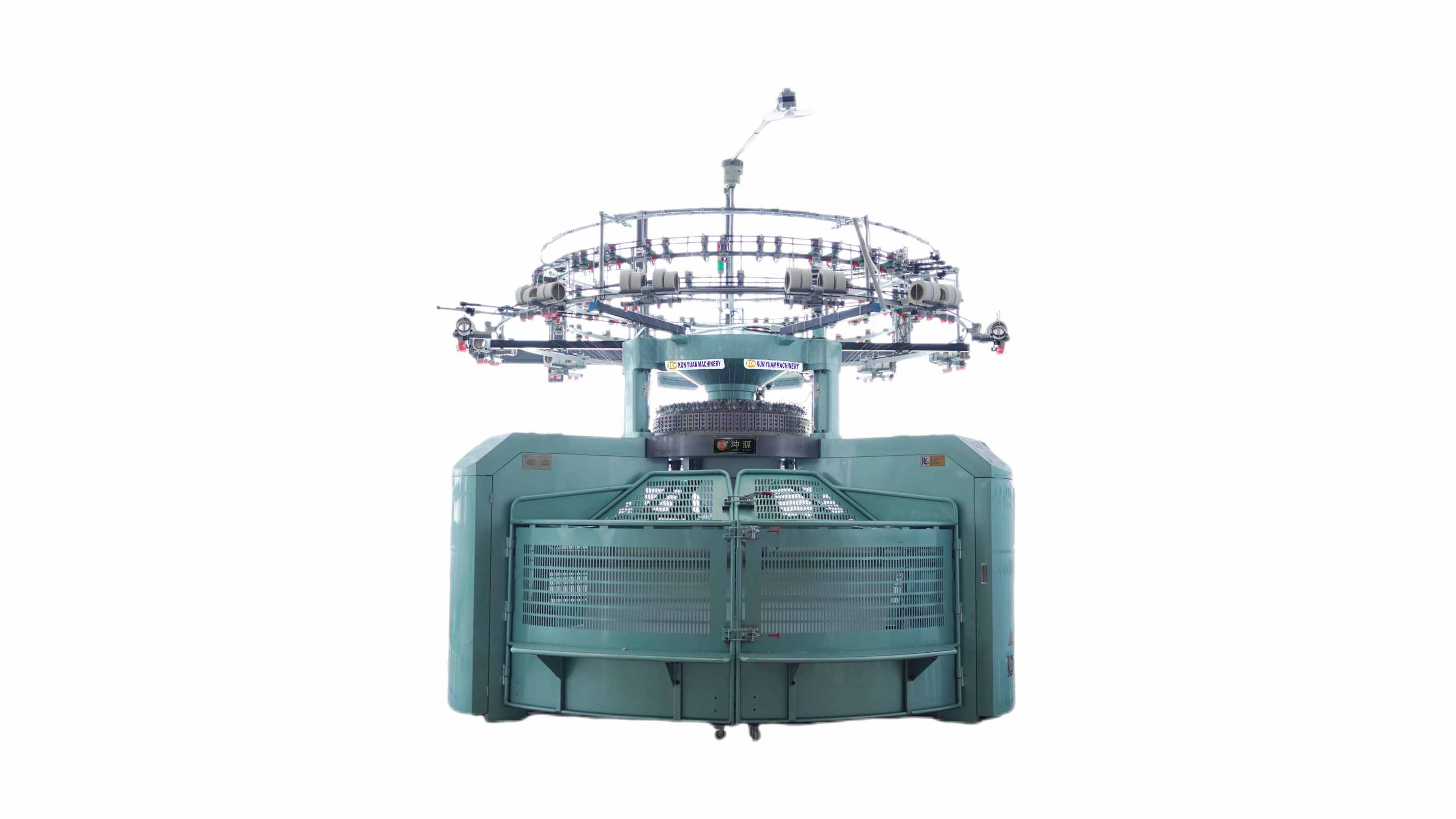
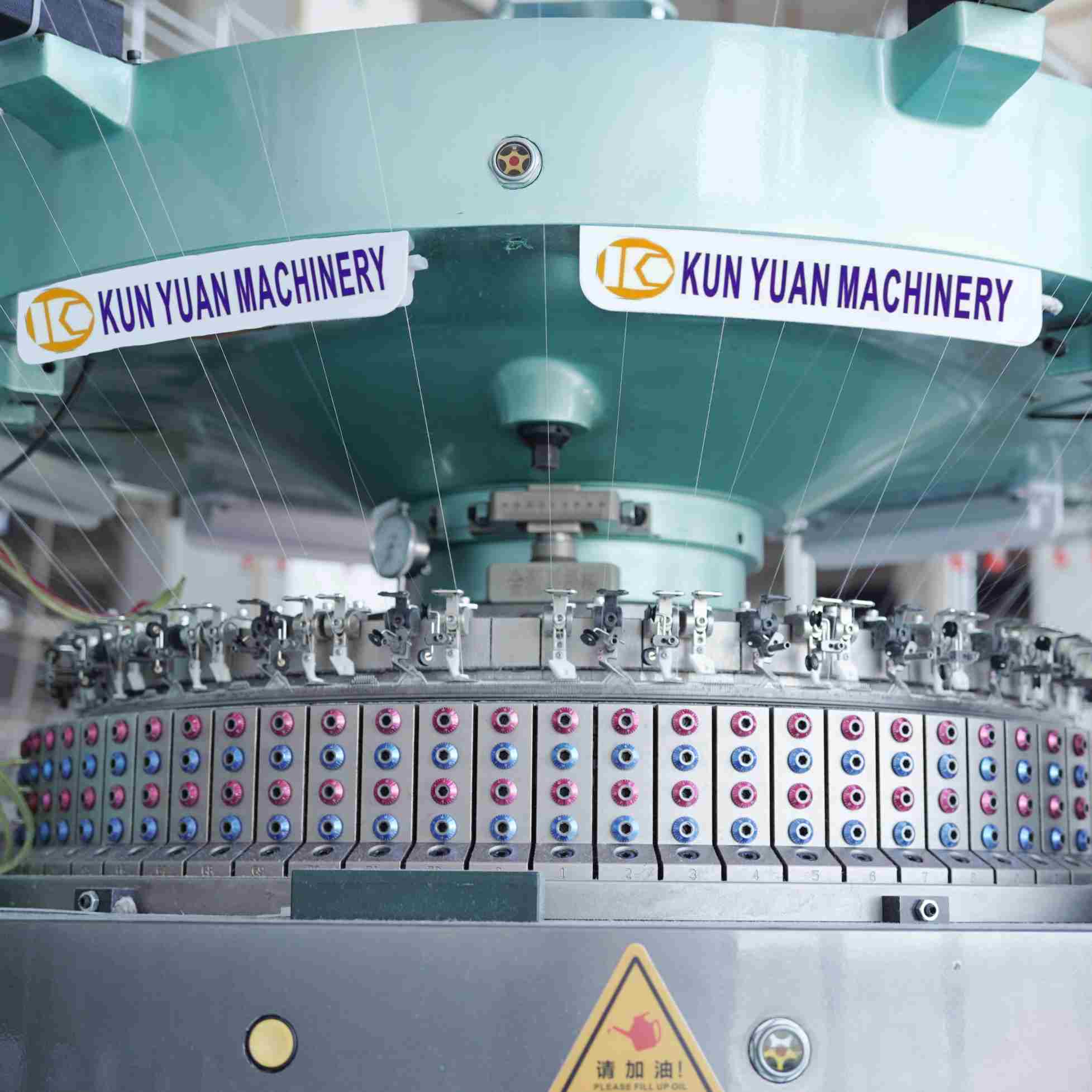
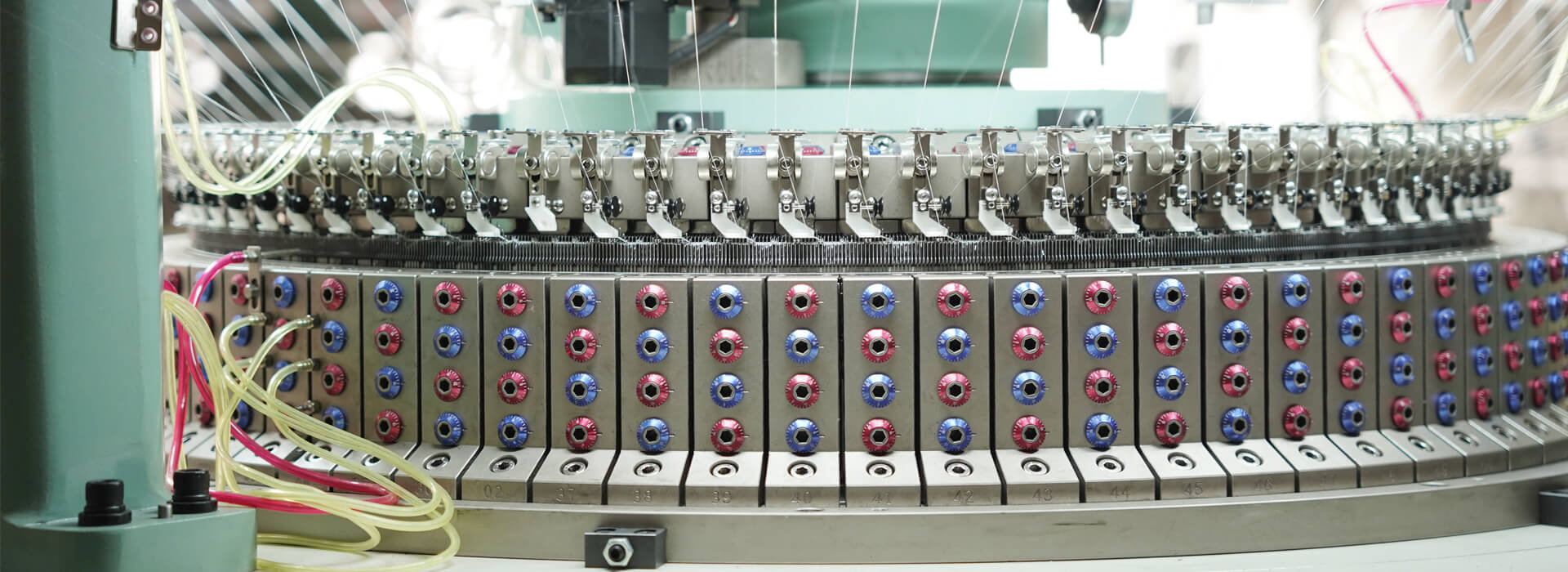
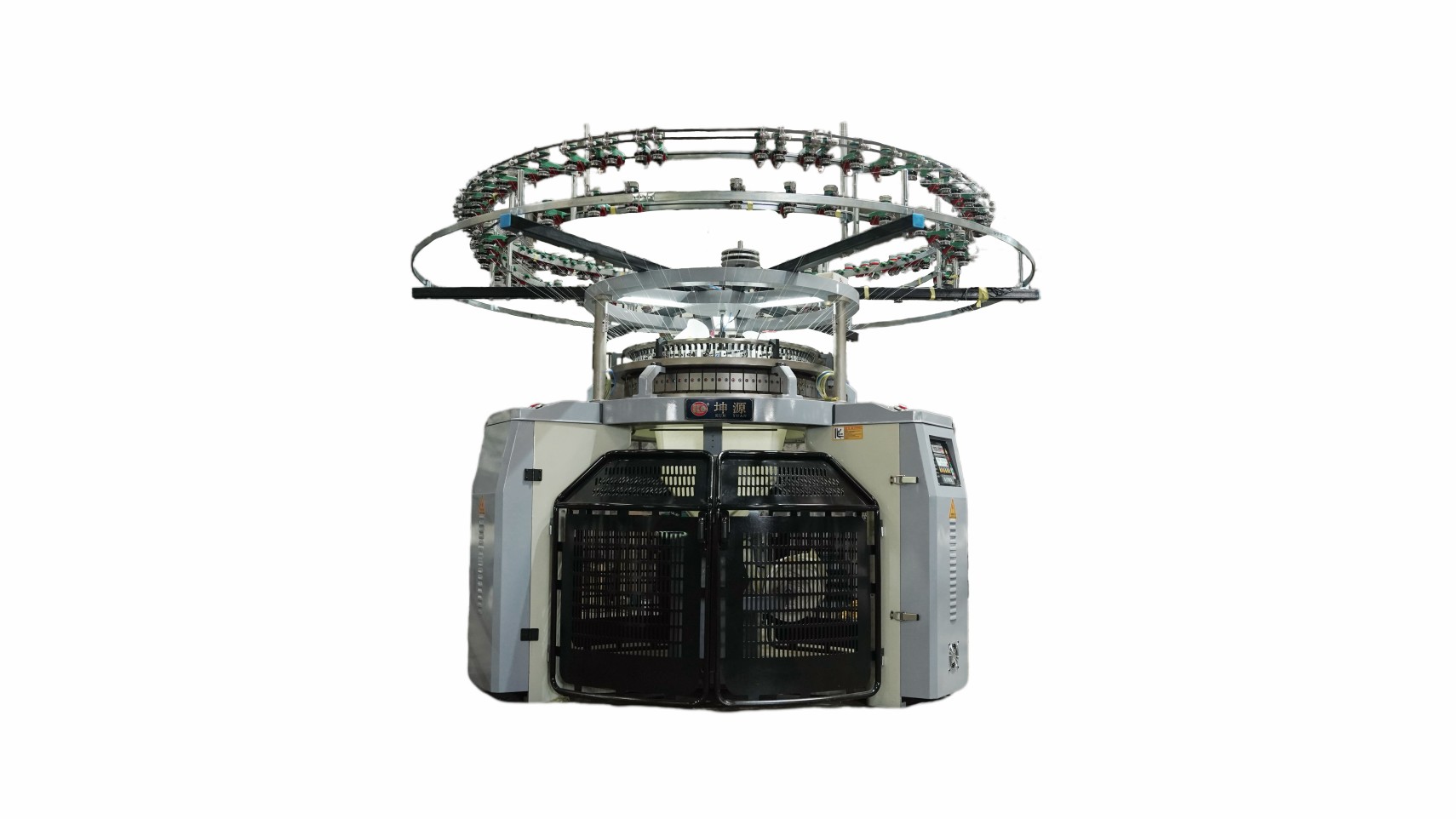
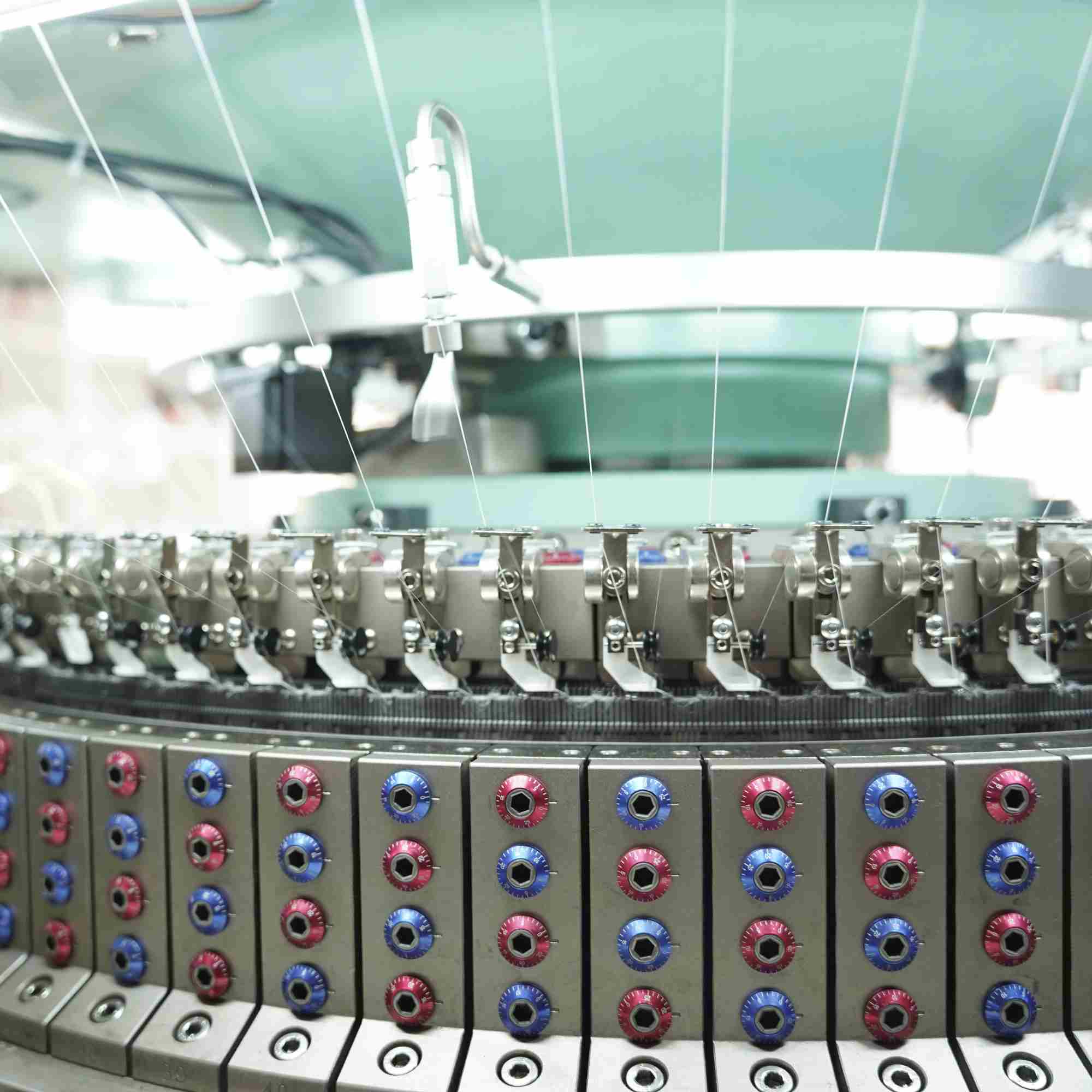
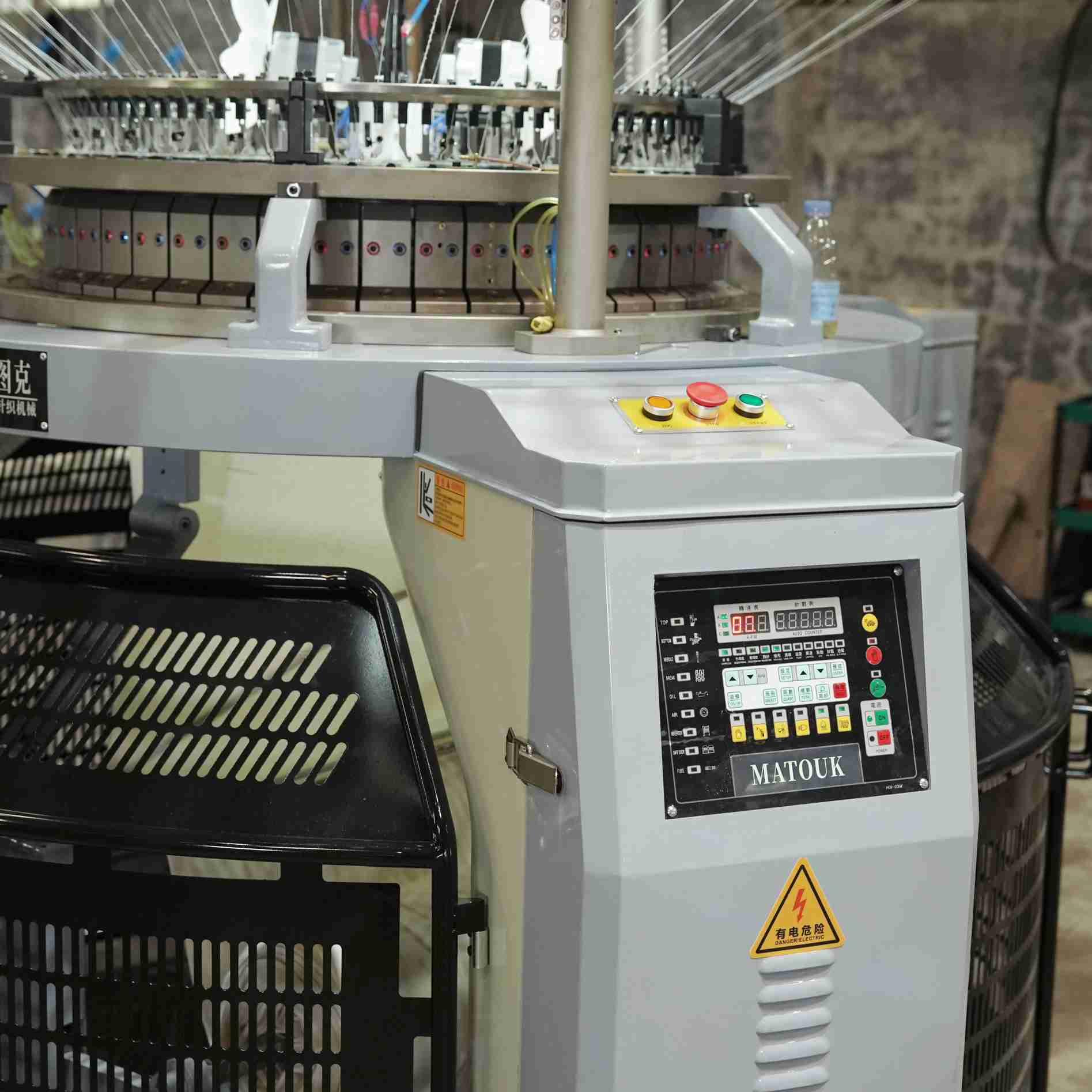
Ask the supplier to explain how the offered machine forms the requested structure. The answer should name the single- or double-knit architecture, relevant selection or cam arrangement, yarn presentation method, take-down form, controller and pattern-transfer workflow. Mini-jacquard, electronic needle selection and structural color effects can produce different pattern boundaries even when catalogue photographs look similar. Record the actual repeat constraints and the machine actions used for the buyer's motif.
Keep model data conditional. Diameter, gauge, feeder count and speed belong to a specific published or quoted build, while optional striper, elastomer, open-width, monitoring or special take-down systems may change both scope and price. Request a configuration drawing and option schedule with standard, included, excluded and buyer-supplied columns. If the trial machine is not the exact shipment unit, describe every relevant difference and state how the final build will be reconciled before release.
Prepare labelled packages and preserve the pattern file checksum or controlled revision used for the trial. After warm-up, knit enough length to include several full repeats and normal variation rather than presenting the first attractive panel. Mark the roll at startup, speed changes, yarn events, stops and operator corrections. On the technical face, inspect registration, edge definition, unintended lines, color contamination and local distortion. On the reverse, inspect floats, trapped yarn, loose areas and any carry that affects use or finishing.
Change only one approved factor at a time when isolating a defect. A misplaced motif may begin in the design file, selection event, yarn path, knitting element or take-down condition; replacing several inputs together destroys the diagnosis. Retain rejected pieces beside the corrected sample and note the action that changed the result. The signed trial record should distinguish demonstrated motifs from patterns that remain dependent on another yarn, option, diameter, gauge or software review.
Send an identified piece through the agreed relaxation, dyeing or finishing route. Compare repeat dimensions, shade separation, surface, width, weight and application tests with the greige marks still traceable. The finishing result may expose float behavior, distortion or contrast that was not visible at the machine. Acceptance should name the inspection lighting, measurement condition, sample position and disposition authority rather than relying on a photograph or verbal approval.
The handover package includes the approved pattern files, naming convention, machine and controller backups, yarn map, setup sheet, sample labels, allowable adjustment boundaries and recovery procedure. Train the receiving roles to reload the job, verify version identity and escalate selection or control faults without bypassing guards. Tie final commercial release to named documents and the closed corrective-action list. This turns pattern scope into a maintained production capability instead of a one-day demonstration.
| RFQ decision | Buyer definition | Supplier evidence | Release condition |
|---|---|---|---|
| Pattern boundary | Full repeat, critical motif and reverse limit | Knittable file review and stated constraints | One controlled artwork revision |
| Machine architecture | Structure, yarn roles and finished target | Exact model, beds, selection and options | Configuration line is internally consistent |
| Fabric trial | Buyer yarn and inspection method | Marked run, settings and face/reverse samples | Critical repeat passes after restart |
| Production handover | File ownership and approval authority | Backups, training and finished sample | Receiving shift reproduces the job |
No. Repeat geometry, selection architecture, yarn behavior, structure and finishing still set boundaries that must be checked on the exact machine.
Floats, carried yarn and structural transitions can affect comfort, snagging, bonding or finishing even when the technical face looks correct.
It can show an application direction, but it does not prove the buyer's motif, yarn lots, finished limits or offered machine configuration.
Keep the controlled file, preview, yarn map, machine identity, relevant settings, marked greige piece, finished sample and acceptance record.
Name the required hardware or software, price and delivery boundary, then state the separate test that will prove it on the final build.
Jacquard machine selection is an evidence problem, not an adjective contest. A complete dossier joins one artwork revision to one installed architecture, buyer yarn, a marked trial and a finished application result. When those records travel with the pattern files and handover package, the mill can judge both creative range and repeatable production risk.
Use this pattern dossier when evaluating the jacquard circular knitting machine range and require the quoted selection system, buyer-yarn repeat and finished sample to carry the same project reference.

 Tel: +86-13859034518
 Email: info@kunyuanmachine.com
 MP/WhatsApp: +86-13859034518
 Manufacturer Address:Bacuo Village, Yonghe Town, Jinjiang City, Fujian Province