Hot Keyword:
YOUR POSITION:HOME > Blog >

How to Select an Auto Striper Circular Knitting Machine: Yarn and Color Plan

Author:KUNYUAN Machine Manufacturer TIME:2026-08-30

MENU
Striper production stage gates

Commission the color repeat, yarn routes and recovery procedure before releasing striped fabric production

An auto striper is useful when the delivered machine can place the required yarn sequence cleanly, manage transitions and reproduce the approved repeat after ordinary stops and style changes.

Official portfolios demonstrate that striper scope varies. Mayer and Cie. identifies specific mechanical striper machines and publishes build-specific features for the S4-3.2 R II. Fukuhara lists electronic jacquard machines with different three-, four- and six-color striper arrangements, while Pailung maps striper and jacquard applications to named single- and double-knit models. These are manufacturer examples, not a common definition of color count, feeder arrangement, gauge or pattern capacity.

Commission from a buyer color file. Define stripe sequence, repeat length, technical face, reverse-side floats or tails, yarn roles, transitions, finished shade and fabric limits. The supplier must map that brief to one model and installed striper system. Witness the pattern on buyer yarn, preserve each stop and change on the roll, then repeat the job at the mill after finishing and a representative changeover. Any uncertain color, yarn or model fact remains an open quotation item rather than an inferred feature.

Stage gate 1: turn artwork into a yarn-by-yarn executable repeat

Issue a controlled color plan with stripe order, course or length convention, repeat origin, mandatory color relationships and allowed transition zone. Identify the technical face and reverse-side acceptance, including floats, tails, grin-through, contamination and join limits. Add finished width, weight, stretch, shade method and downstream processing. A visual artwork without an executable coordinate system is not a test file.

List each yarn by material, count convention, lot, shade code, package and structural role. Include elastomer, plating or ground yarn separately from visible stripe colors. Mark difficult transitions and the longest repeat. The supplier should confirm whether the exact repeat fits the proposed striper and knitting arrangement before the factory schedule is fixed.

Gate: Configuration work does not begin until the supplier can translate the buyer's repeat without guessing a color or yarn duty.
Stage gate 2: bind the repeat to one striper, feeder and knitting configuration

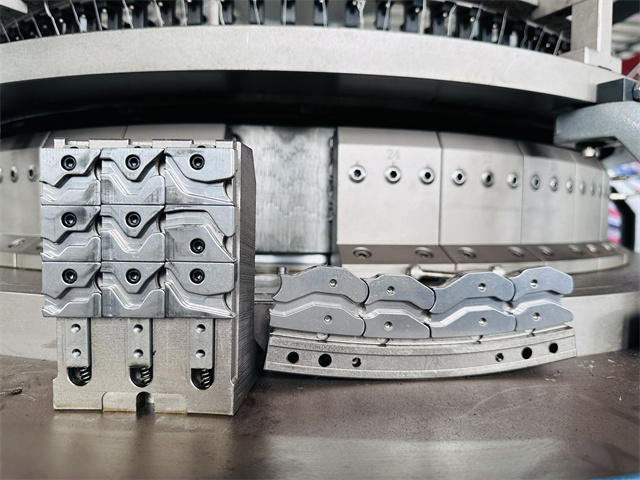
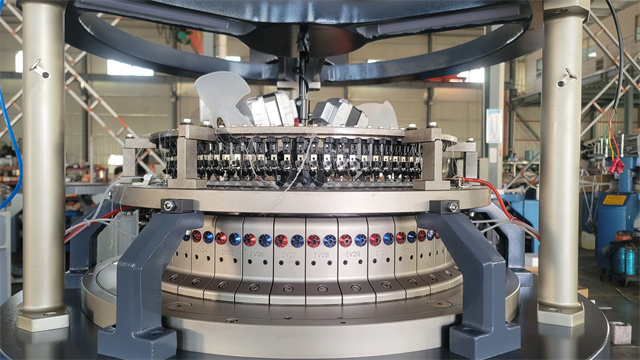
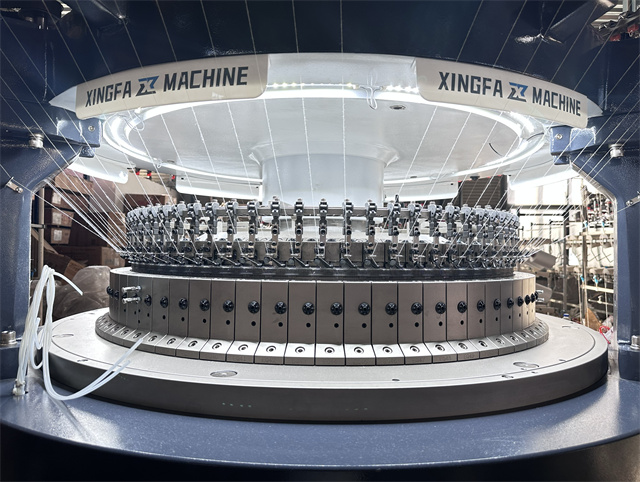
Record manufacturer, exact model, diameter, gauge, knitting systems, feeder arrangement, striper type, supported yarn paths, controller or formula editor, take-down and included options. Use the maker's terminology. A published four- or six-color machine cannot lend its capability to another quotation, and mechanical and electronic routes should not be blended.

Review access, cleaning, yarn presentation, waste collection, program backup, pattern transfer and safe service boundaries. Identify standard items, optional kits and buyer-supplied equipment. If the machine needs a conversion for a planned non-stripe fabric, document parts, labor and requalification. Approve a drawing and option schedule under one revision before buyer yarn is shipped.

Gate: Factory acceptance is withheld if color capacity or software is assembled from a family range rather than the offered build.

Stage gate 3: challenge transitions, stop recovery and a representative style change

Load the approved yarn lots and pattern revision. Mark warm-up, the first complete repeat, stable production, a planned normal stop and restart, and every intervention. Inspect stripe order and dimensions, transition cleanliness, face and back appearance, yarn delivery, holes, lines and color contamination. Retain a full repeat that includes the most difficult boundary rather than a short clean swatch.

Perform one agreed style or color change. Measure unloading, cleaning, yarn routing, program selection, trial fabric and time to first accepted repeat. Then restore the original job from its saved record. Changes may be made during FAT, but each change receives a new revision and another marked proof. Carry matched samples through the intended finish before closing shade and dimensional acceptance.

Gate: FAT passes only when the difficult repeat and restored original job both reproduce without hidden technician-only actions.

Stage gate 4: repeat the color plan under site conditions and receiving-shift ownership

At the mill, verify installation, power and other specified utilities, material staging, guarding, network boundary and file transfer before production. Load the approved job without silently recreating it. Use the agreed yarn or record substitutions, mark a stop and restart, and route the sample through the site's actual dyeing, washing, compacting or inspection process. Compare the result with the signed FAT reference.

A receiving operator should execute the color change, retrieve the original repeat and label the accepted roll. Maintenance should locate striper-specific wear parts, cleaning instructions, backups and escalation contacts. Reconcile scheduled time, setup, yarn waste, held fabric and accepted finished quantity. Site release belongs to the trained team and controlled file, not to the presence of a supplier specialist.

Gate: Production remains held until another shift restores the approved stripe job and the finished fabric matches the release reference.
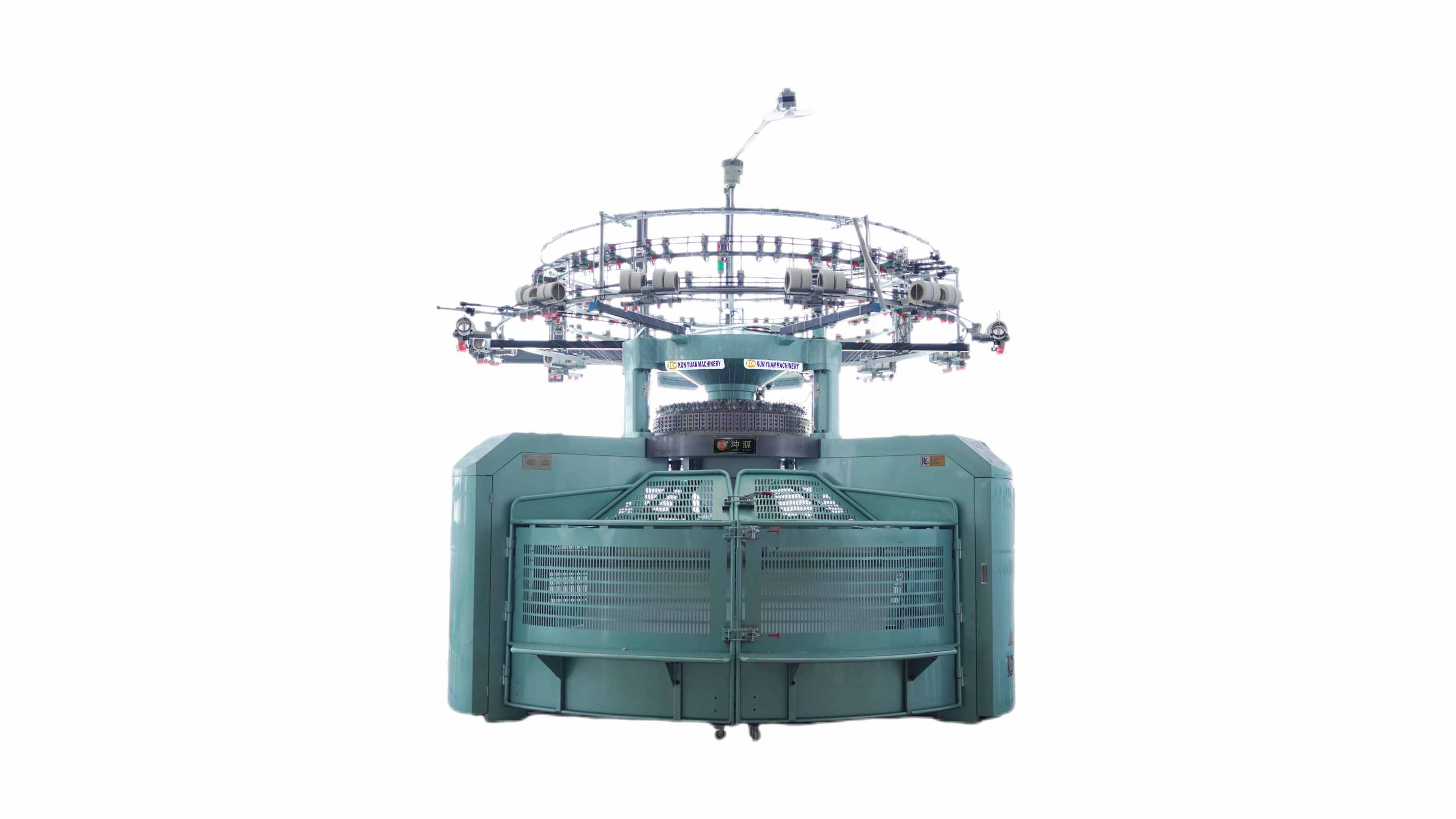
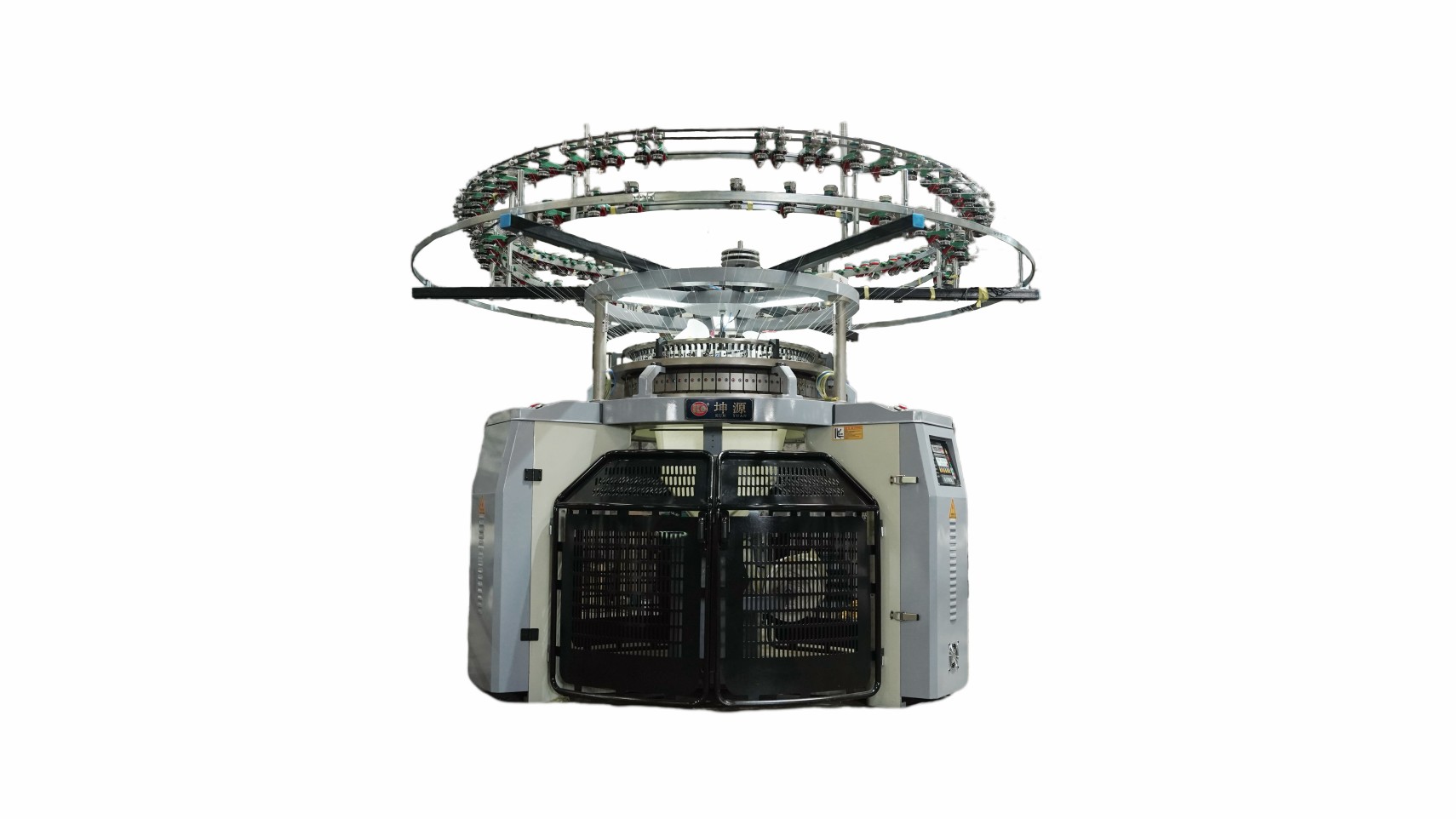
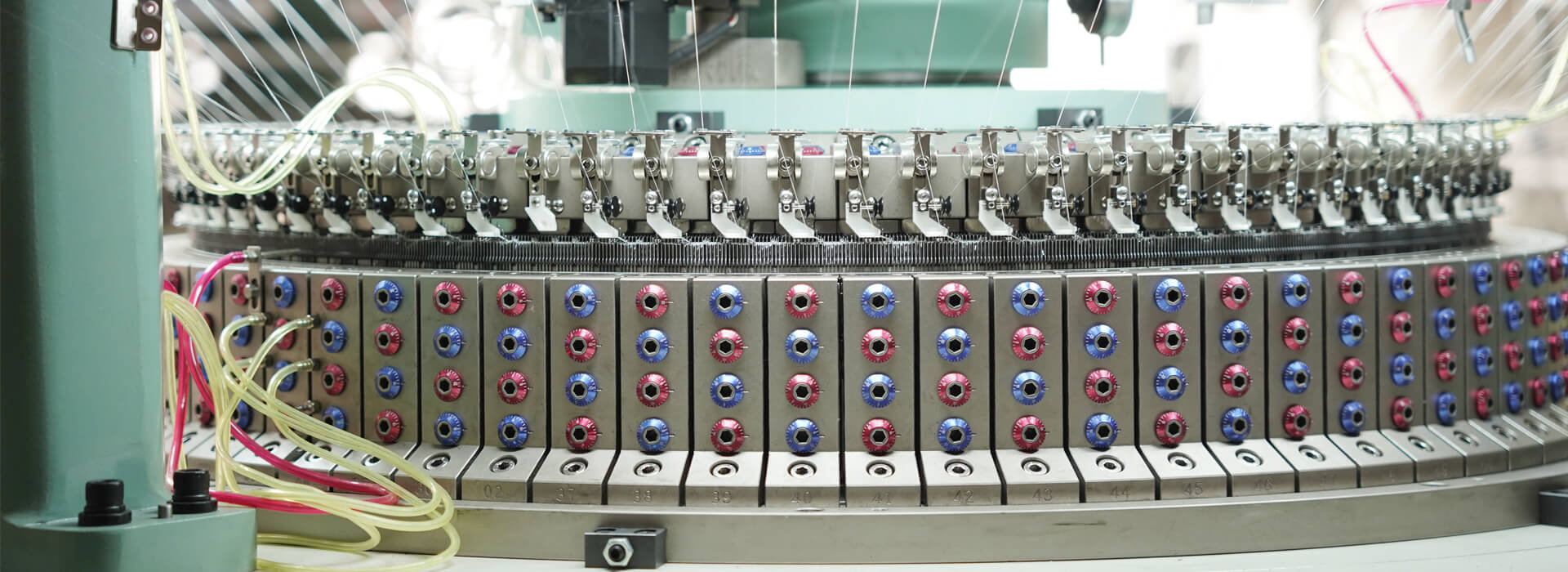
Auto striper circular knitting machine yarn and color feeder plan
The color brief gives every package and transition a controlled coordinate.
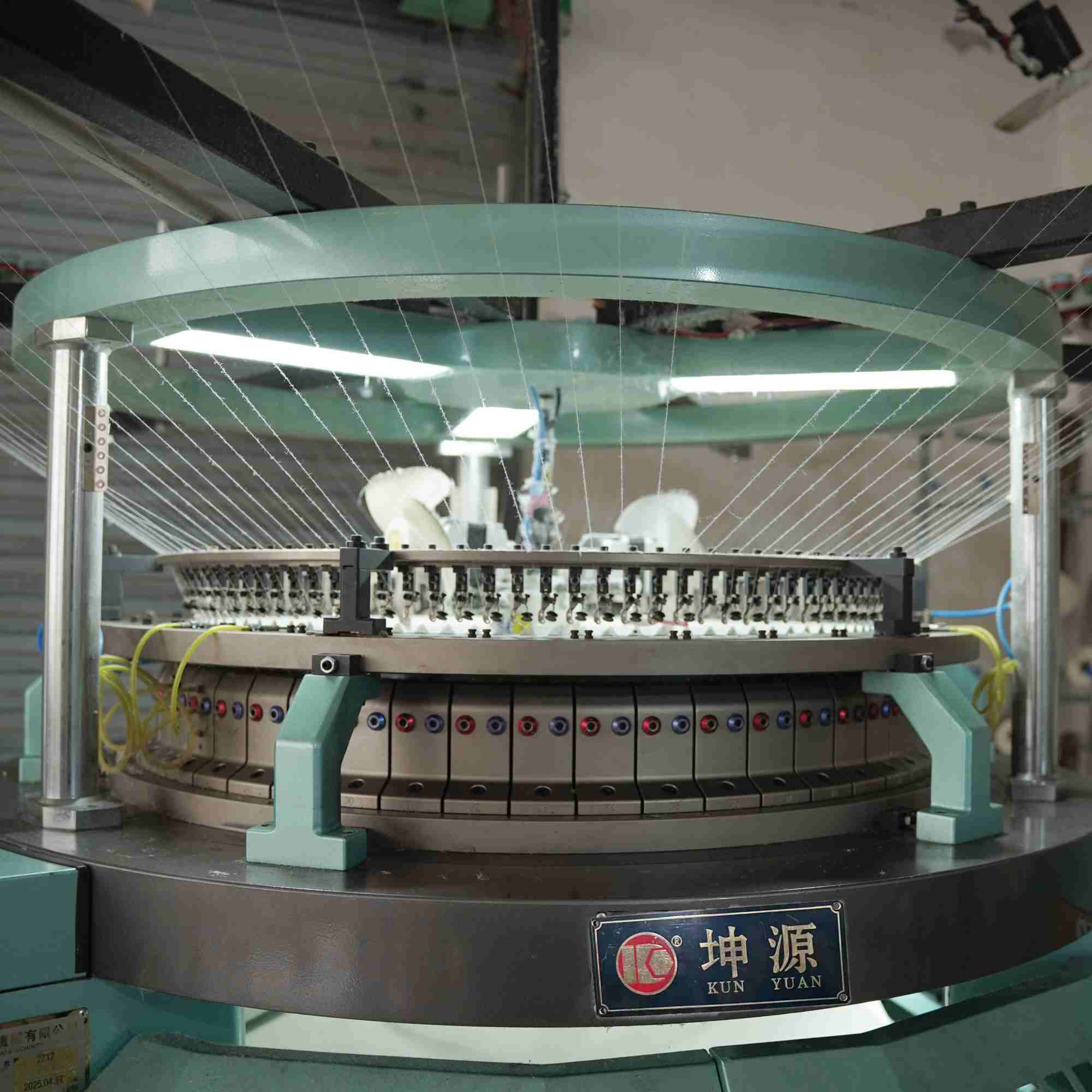
Striped circular-knit trial roll marked at color transitions and restart events
Marked events expose whether stripe recovery is repeatable or manually concealed.
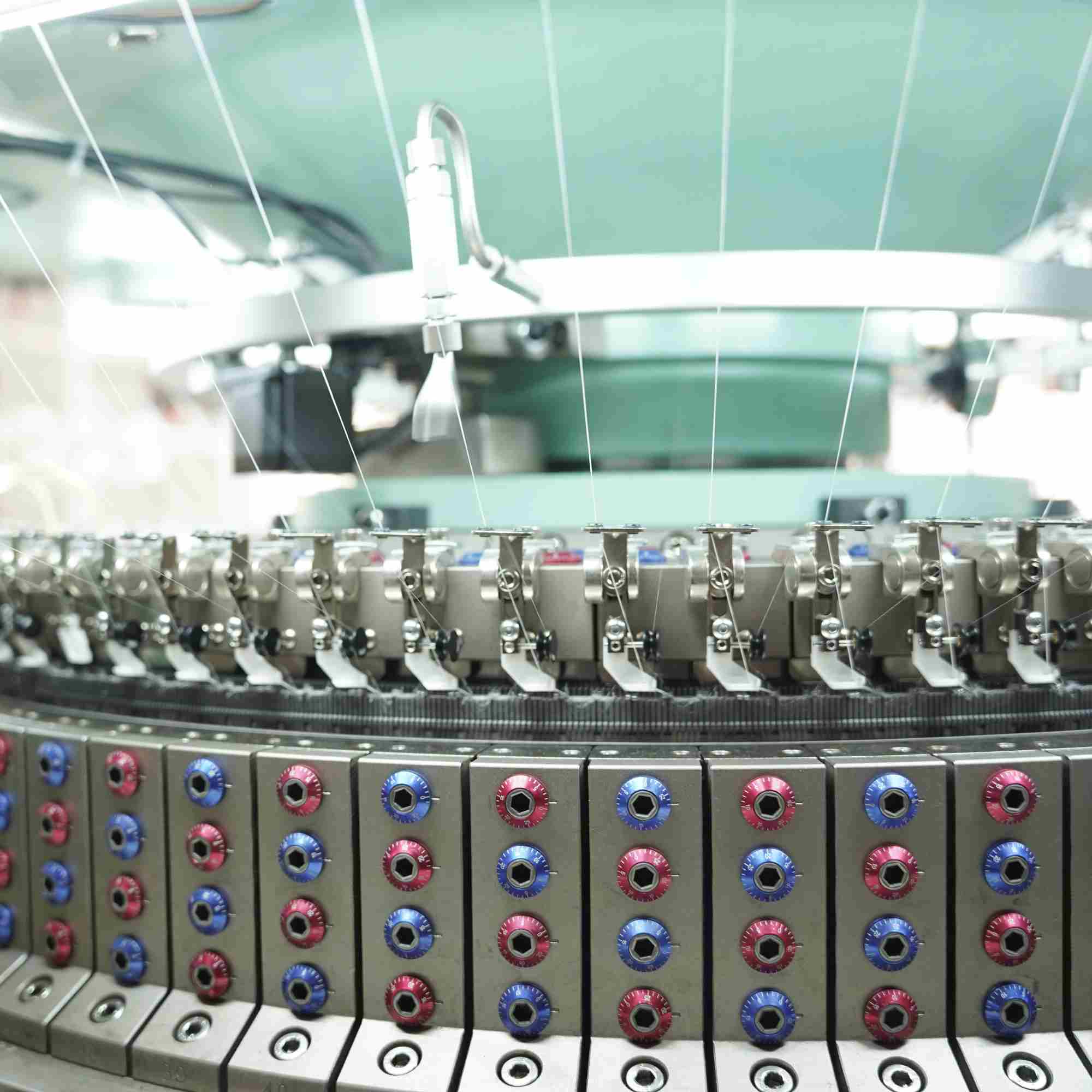
Finished stripe repeat compared with program, yarn lots and handover ledger
Mill release joins the saved job to finished shade, dimensions and receiving-team ownership.

Auto striper commissioning responsibility ledger

GateBuyer responsibilitySupplier responsibilityPass evidence
Color briefArtwork, yarns and finished limitsFeasibility questionsExecutable repeat revision
Build freezeConfirm product portfolioExact striper configurationSigned drawing and options
FATBuyer yarn and difficult transitionMarked run and changeover supportFinished retained repeat
SAT/handoverSite, operators and output ledgerInstallation and recovery recordsReceiving shift repeats job

Auto striper yarn and color-plan questions

Is the number of stripe colors a universal machine feature?

No. It depends on the exact striper architecture, feeder arrangement, model, gauge and options. Request build-specific confirmation.

What belongs in the color plan?

Include repeat origin and order, yarn/shade codes, structural roles, difficult transitions, face/back limits, dimensions and finishing method.

Why inspect the reverse side?

Floats, tails, joins and yarn control may fail on the reverse even when the visible stripe sequence appears correct.

What should a changeover trial measure?

Record cleaning, package changes, routing, file selection, waste, trial fabric and time to the first accepted full repeat.

What completes handover?

A receiving shift safely restores the approved program and yarn map, repeats the finished stripe and can access parts and recovery records.

Scale-up conclusion

Selecting an auto striper machine is a commissioning exercise. Freeze the buyer's color logic, bind it to one delivered configuration, challenge the repeat and changeover at FAT, then transfer the result to mill operators at SAT. This staged proof preserves creative intent while preventing model-family features or a clean sample from becoming unsupported production claims.

Use the four stage gates when requesting a trial for the Auto Striper Circular Knitting Machine and submit the controlled color repeat, yarn map and finished acceptance limits with the inquiry.

□ Gates complete
Need Help?
Please leave your contact information to get our latest catalog
Get In Touch Now >
Kunyuan Machinery Manufacturer

Tel: +86-13859034518

Email: info@kunyuanmachine.com

MP/WhatsApp: +86-13859034518

Manufacturer Address:Bacuo Village, Yonghe Town, Jinjiang City, Fujian Province

NEW KEYWORD

About Us

Products

Information