Give every stitch-length result a fabric state and a sampling address
Two rib samples can share a machine setting yet arrive at inspection in different states. A useful sampling sheet connects the machine reference, the yarn actually measured and the relaxed fabric being judged.
The purchasing question is whether a rib recipe can repeatedly meet the finished brief, not whether a dial shows an attractive number. Mayer & Cie's Interrib documentation describes a particular stitch-control arrangement. Cotton Technology International's historical rib and interlock research separately records production variation and relaxation. Neither source supplies a universal recipe for another manufacturer's machine.
The sheet below is a recommended buyer worksheet. Agree the sampling and conditioning method with the mill laboratory before producing comparison bands. Leave target stitch length and permitted setup changes to the exact machine documentation and qualified technician. Keep dimensional acceptance limits on the buyer's fabric specification, separate from machine settings.
Sampling coordinates
Keep the machine setting, measured yarn length and relaxed-fabric result in separate fields. Compare only identified specimens prepared by the agreed laboratory route.
01
Map 01 - identify the rib and the place the sample came from
Start each row with a sample code that remains readable after processing. Enter rib construction, yarn supplier and lot, declared yarn count and unit, elastomer involvement, machine identity, gauge and the approved recipe revision. Record the length position along the roll and the width or circumference position. Note whether the band includes a restart, package change or another observed event. A loose swatch without this address cannot explain disagreement with the next roll.
Keep a companion record for the sampling decision: who selected the pieces, which positions were omitted and why, and whether the pieces represent a stable interval or an investigation. Do not silently replace an awkward edge specimen with a tidy centre specimen. If the construction changes between bands, open a new comparison group. The original group should remain interpretable without remembering what the operator said on the trial day.
02
Map 02 - distinguish a machine reference from measured yarn length
Provide separate columns for the technician's machine reference and the laboratory's stitch-length result. State how yarn was recovered or otherwise measured, the counted loop basis, measuring tension, units and the procedure revision. Different loop structures or yarn roles must not be averaged into a number whose meaning is unclear. Where a reliable measurement cannot be made, record the limitation instead of relabelling a setting as a measured length.
Ask the laboratory to repeat selected measurements and retain the individual observations. The purpose is to discover whether apparent differences exceed the method's own variation. An instrument reading with extra decimal places does not settle this question. Record damaged or difficult-to-unravel specimens as such. A technician can then investigate the appropriate system using the manufacturer's procedure; this worksheet does not instruct changes to dial timing, cam position or yarn tension.
03
Map 03 - treat relaxation as part of the result
Assign a state label before measuring fabric width, length, mass per area or other agreed properties. Useful buyer-defined labels may distinguish as-collected, conditioned, processed and care-tested specimens. Each label needs the actual treatment, drying route, holding conditions and elapsed interval; a note saying relaxed is insufficient. Never pool observations from different states in the same acceptance average.
Follow matched positions through the selected processing route, or identify adjacent pieces when a test is destructive. Show original and subsequent dimensions side by side and retain direction labels. If results move after treatment, investigate the recorded yarn and process history before claiming the knitting setup drifted. Historical research is a reason to control state, not proof that all modern rib constructions respond identically or that its numerical relationships apply to the buyer's yarn.
Map 04 - choose a repeatable fabric window rather than one lucky swatch
Group results by the intended commercial fabric, then compare the buyer's accepted limits with every sampled position. Review width and mass together with face appearance, extension and any other contracted property. A candidate that reaches weight but misses usable width has not solved the brief. Mark both passing and failing observations rather than publishing only an average.
After an authorised recipe revision, produce another identified band and use the same laboratory route. Release the candidate when the repeat evidence supports the agreed fabric window; hold it when state, position or method differences prevent a fair judgement. The completed sheet should identify the retained master specimen and the change that would trigger another trial, such as a yarn-lot substitution or finishing revision. It is a record of the demonstrated envelope, not a promise that one stitch-length number covers every order.
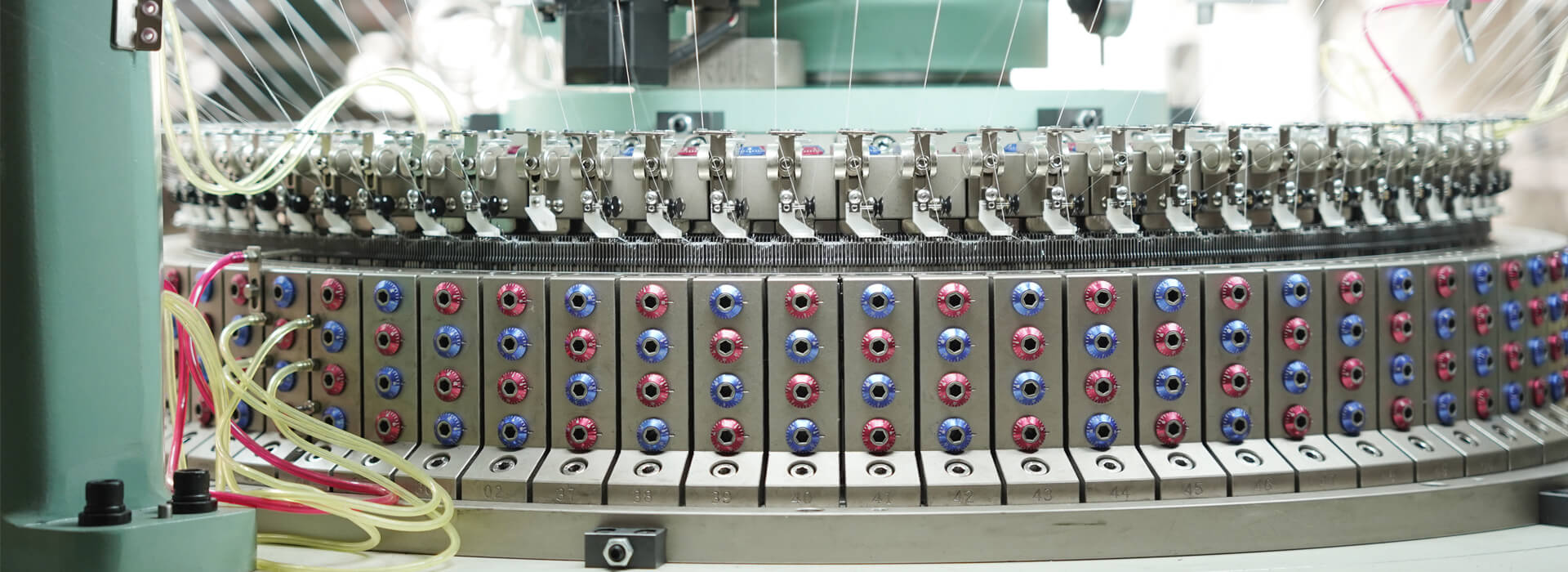
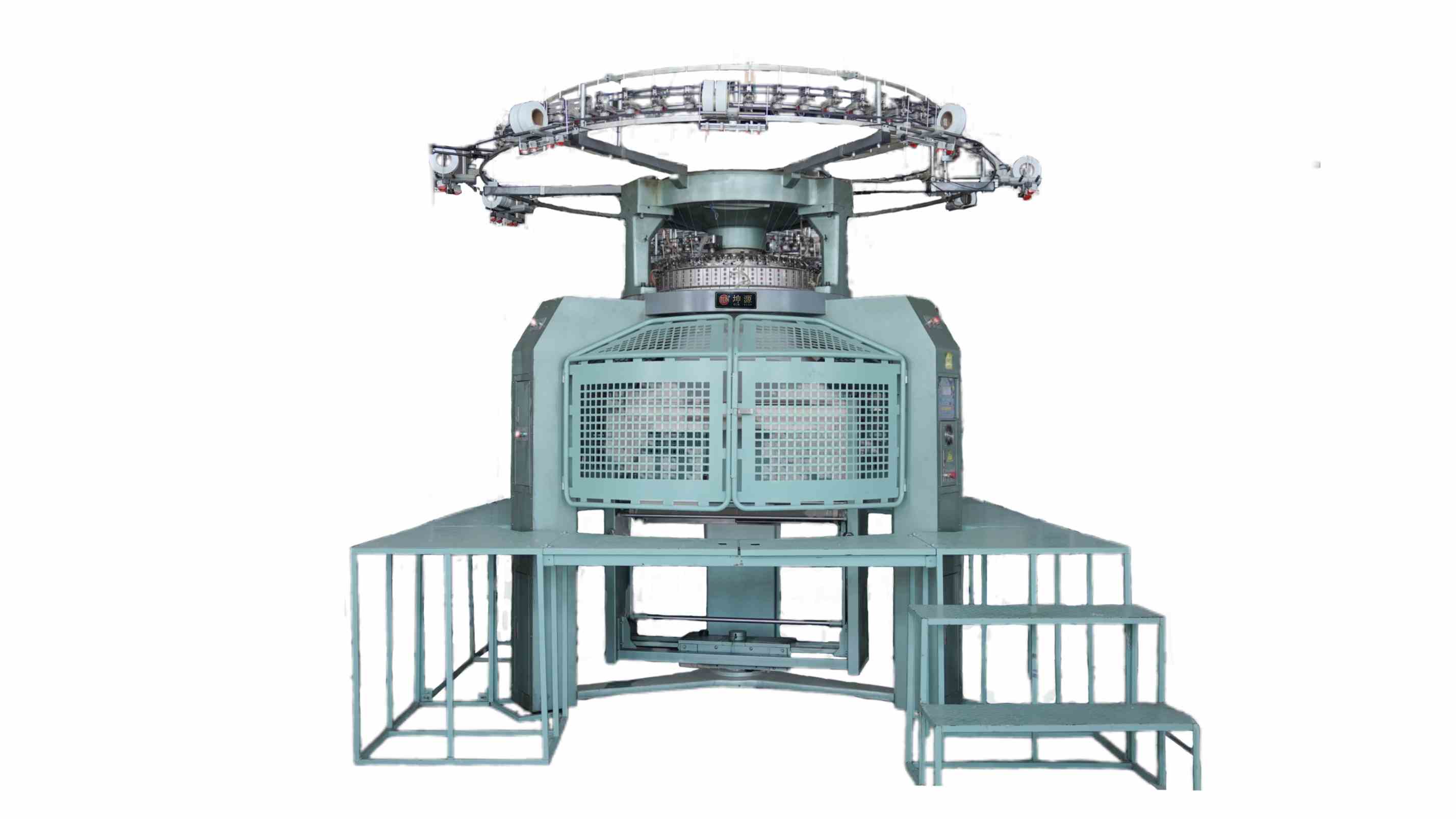
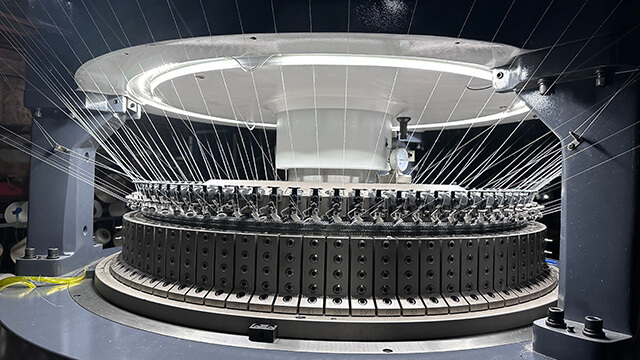
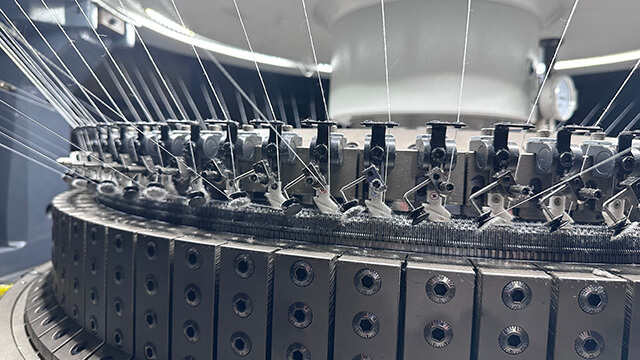
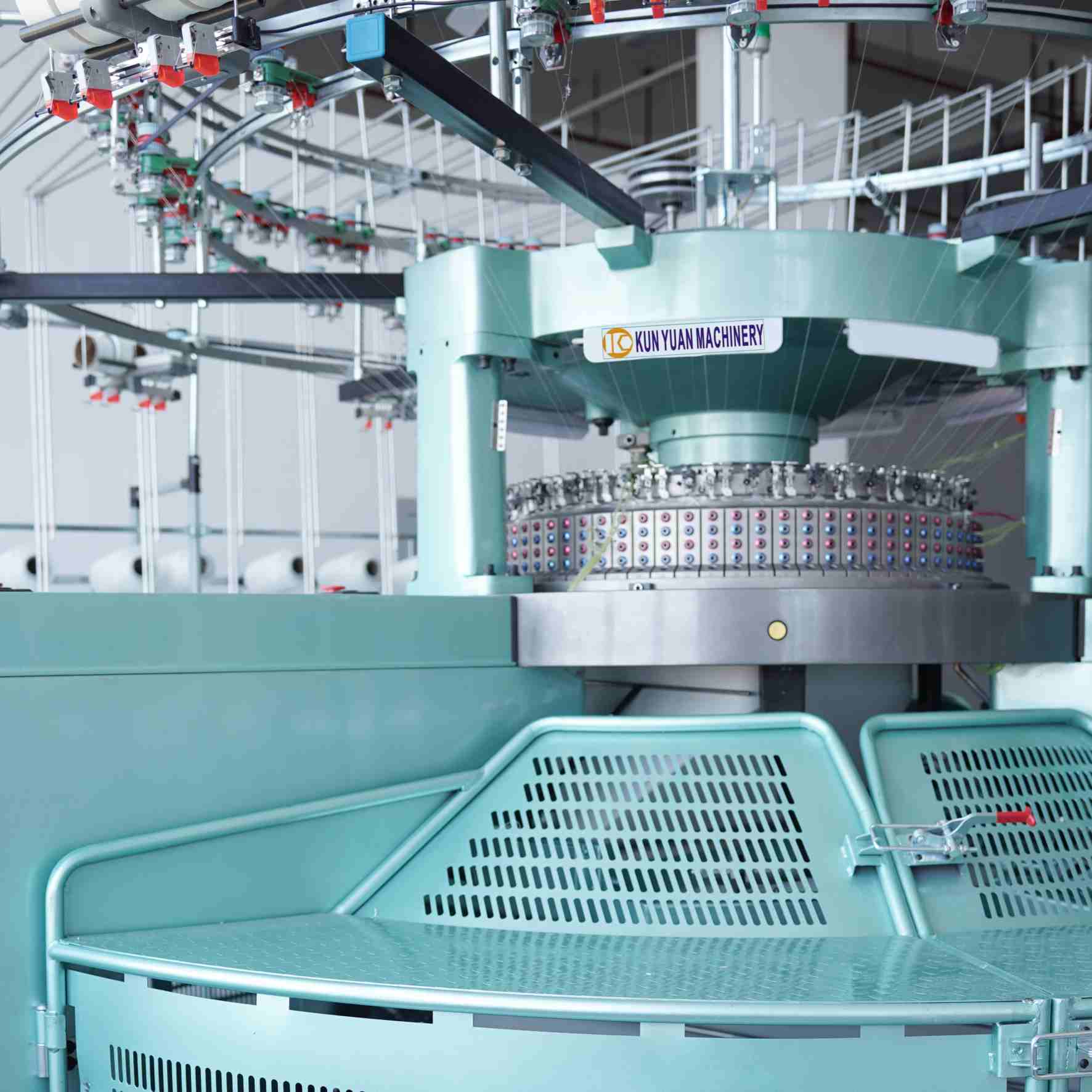
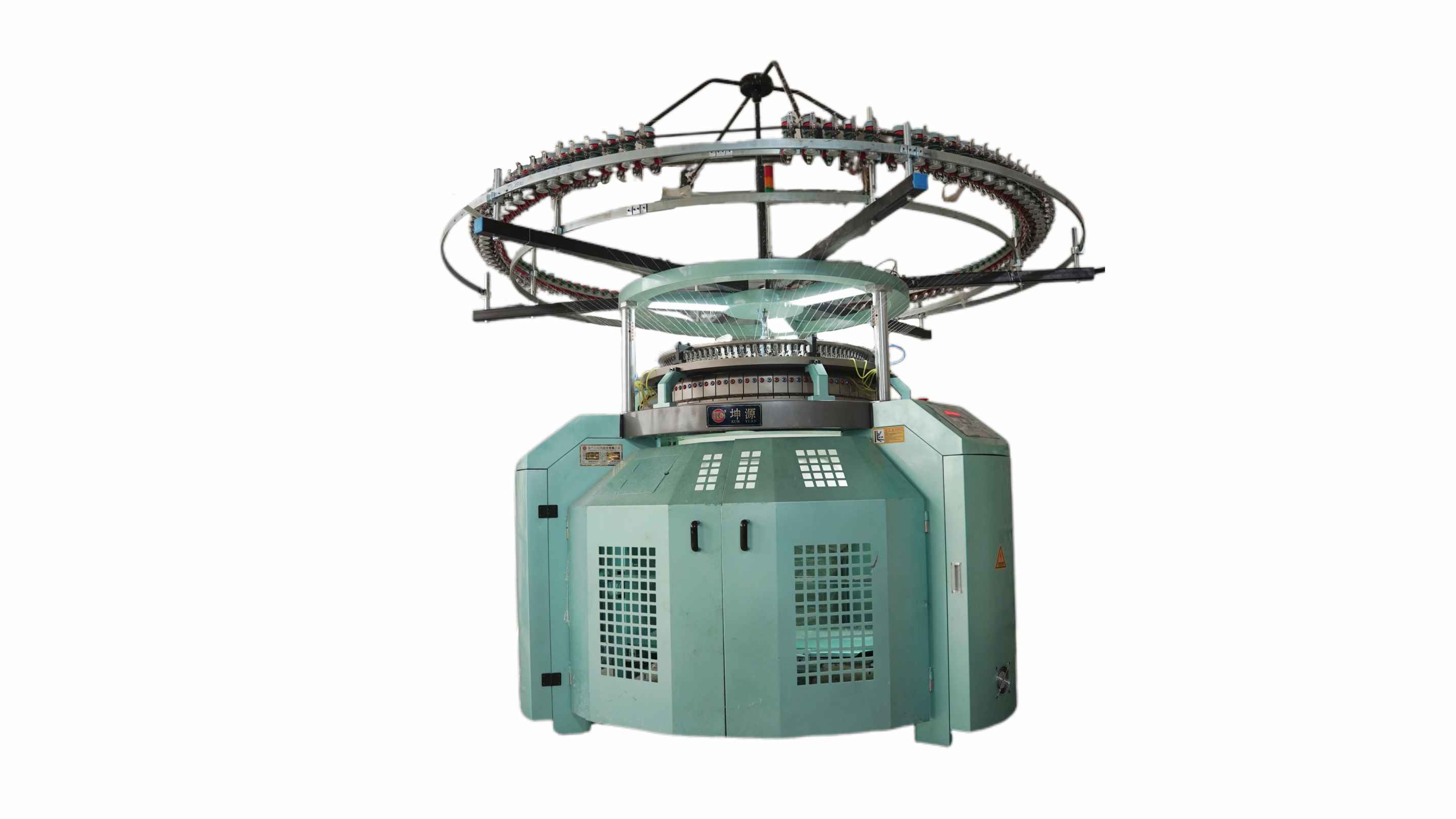
Product context for identifying the trial machine; not a measured trial result.
Recommended relaxed-rib sampling sheet
Row group
Entry to retain
Comparison allowed
Hold reason
Identity
Lot, construction, roll coordinates
Matched sampling positions
Untraceable swatch
Length
Measured value, units, method
Common loop and tension basis
Setting substituted for measurement
Fabric state
Treatment, drying and elapsed interval
Same state and direction
Mixed greige and finished data
Release
Individual results and repeat band
Buyer limits for the same fabric
Average conceals failures
Record sampling positions separately from catalogue illustrations.The buyer's retained specimens supply the acceptance evidence.
Rib stitch-length sampling questions
Is a machine stitch setting the measured stitch length?
Do not assume equivalence. Keep the machine reference and the laboratory result in separate fields, with the measuring method attached.
Should every sample be fully relaxed in the same way?
Use the state required by the agreed fabric evaluation. Describe the treatment explicitly and compare samples prepared by that same route.
Can the sheet prescribe dial timing?
No. Timing and other adjustments belong to qualified personnel using the documentation for the installed machine and knitting arrangement.
Why retain individual measurements?
They reveal position differences, outliers and repeatability that a single mean can conceal. Investigate exclusions and record their reasons.
What happens when yarn changes?
Assess the change against the approved trial scope. If its effect is unproven, run a new identified band through the established measurement route.
Conclusion
A useful rib sampling sheet gives the mill enough information to reproduce a result and enough boundaries to recognise when it cannot. Sample address, measurement method and fabric state turn stitch length into interpretable evidence. Release the fabric demonstrated by the repeat bands, while keeping all machine adjustments within the supplier's documented authority.





 Tel: +86-13859034518
 Email: info@kunyuanmachine.com
 MP/WhatsApp: +86-13859034518
 Manufacturer Address:Bacuo Village, Yonghe Town, Jinjiang City, Fujian Province