

Hot Keyword:
Author:KUNYUAN Machine Manufacturer TIME:2026-10-20
Open-width collection removes the need to store fabric as a folded tube, but the route still includes contact, spreading and winding. Investigate the first observable mark instead of treating every line on an unwound roll as a knitting fault.
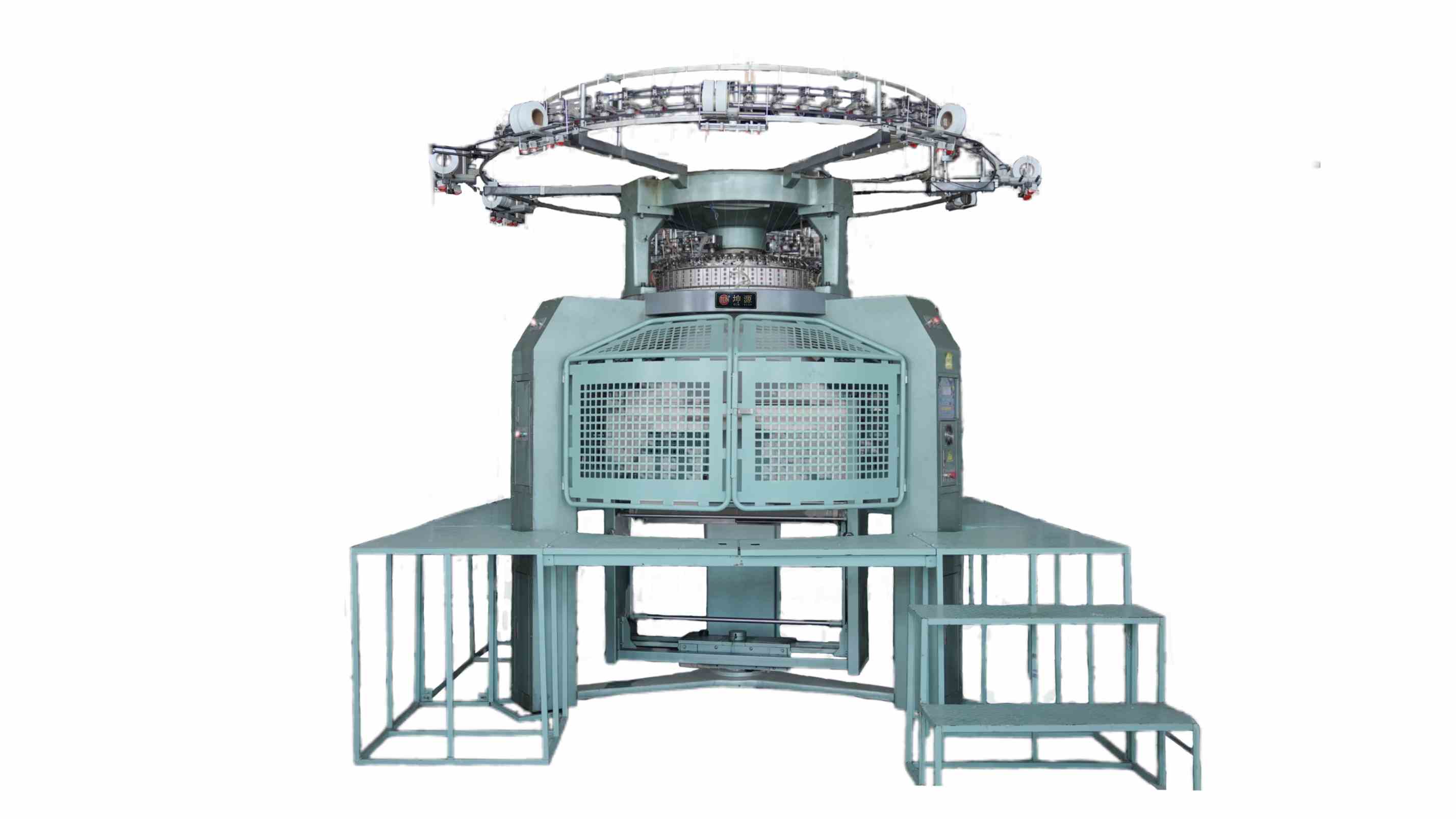
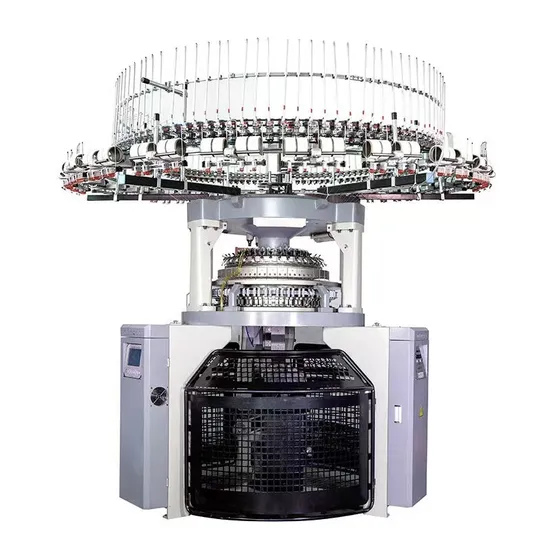
Draw the installed route from slitting through collection and storage, labelling only components actually present. The machine supplier's documentation determines access, inspection and permitted adjustments. This buyer investigation map defines evidence to request, not roller pressure, spreading angle or winding settings.
Mayer & Cie's D4 documentation distinguishes frame and roll arrangements. A separate tubular take-down leaflet warns that winding can reverse that particular accessory's anti-crease benefit. The lesson is limited but useful: a favourable result at one handling stage does not prove the condition after collection. It does not establish the cause of a crease on a different machine.
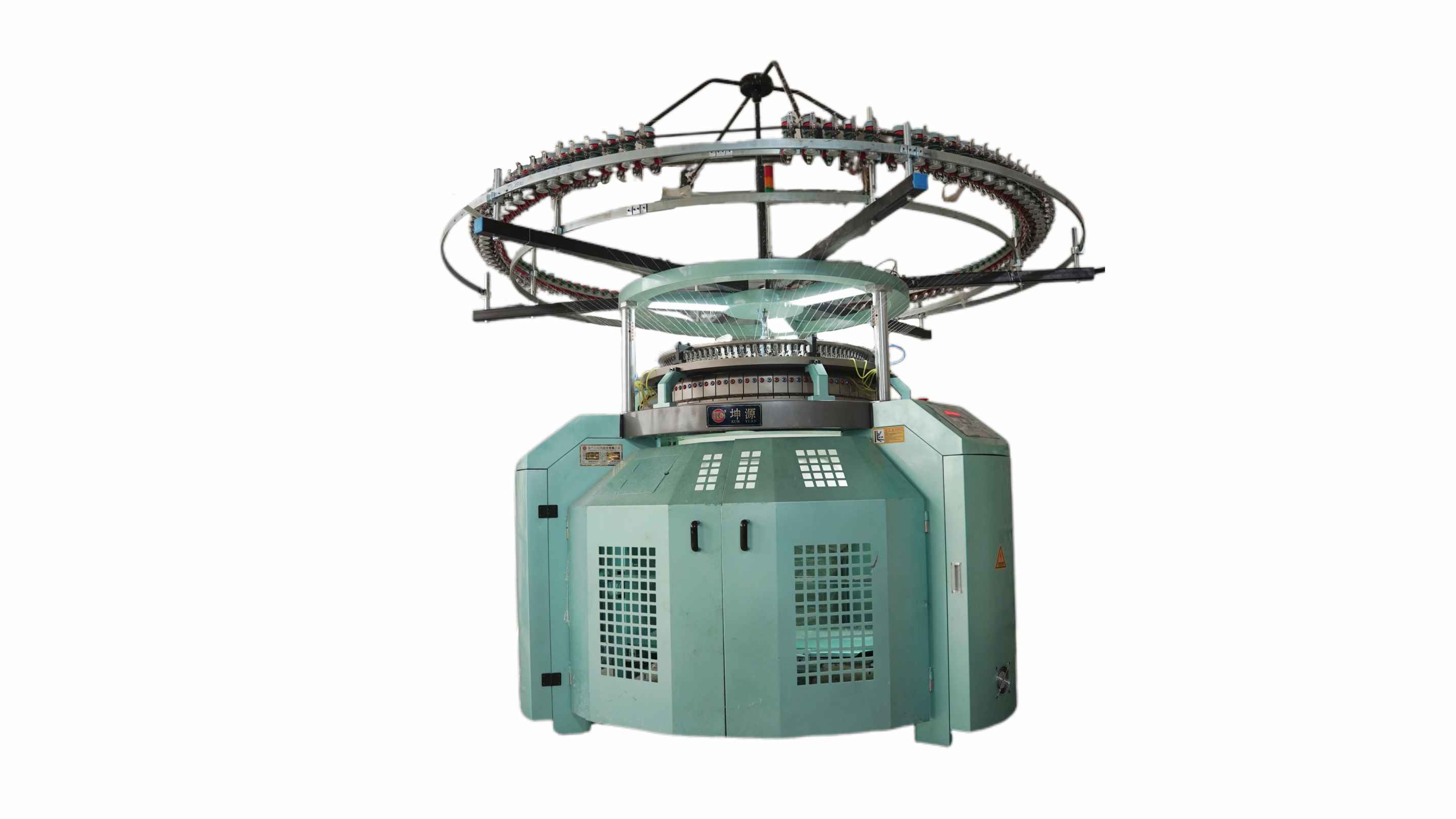
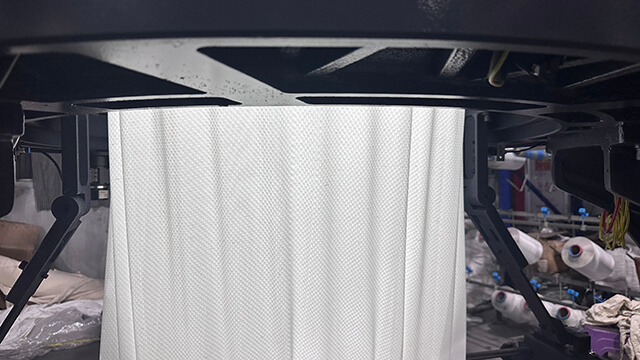
Give the suspect roll an identity, direction of travel and reference edge. Document the actual slit position and take photographs of the accessible fabric under a consistent viewing arrangement. Record whether the mark is visible before the fabric reaches the next handling stage. Where guards prevent an observation, mark that evidence gap; do not treat an unseen region as a confirmed clean region.
Describe the line rather than guessing its cause: distance from the reference edge, direction, continuity, apparent compression or fold, and whether it changes at a stop. Separate a surface impression from a cut, hole or yarn-related stripe. Use the mill's authorised inspection route for any close examination. The purpose of this sheet is to narrow the interval in which the mark appears, while leaving guarded access and service decisions with qualified personnel.
List the guides, spreaders, rollers and edge-handling devices on the real installation. Mark the fabric's path and contact faces on a simple drawing. Compare the defect coordinate with these contact positions without assuming that a matching location proves causation. Record any visible folding, edge turnover, asymmetric travel or local build-up using observations permitted by the operating procedure.
Have the responsible technician document any approved intervention and its timestamp. Change one investigated condition at a time where practicable, keeping the yarn, fabric construction and observation method stable. Label fabric before and after the intervention so the laboratory can compare it later. If several repairs must occur together, report the result as a combined intervention. Do not claim the experiment isolated one cause when its evidence only shows that the new overall condition was better.
Record the batch identity, collection start and finish, roll changes, handling events and storage position. Describe visible roll-edge displacement, folds and any supported observations about winding uniformity. Use the installed equipment's documented checks; a hand impression is not a calibrated roll-hardness result. Keep the storage and transport record attached when the roll leaves knitting.
Compare accessible fabric before winding with the corresponding marked interval after unwinding through an approved inspection process. Identify the delay between these observations. A mark that becomes apparent only after storage needs a different investigation from one already visible beside the slit edge. Where the same interval cannot be recovered, use that limitation in the conclusion. Do not compensate by presenting unrelated photographs as a before-and-after pair, even when the appearance looks similar.
Prepare paired specimens from affected and apparently unaffected positions using the agreed finishing or care route. Keep processing identity and orientation visible. Compare appearance, usable width and any buyer-specified property after the stated conditioning. Record the persistence or disappearance of the mark as an observation, without promising that every similar crease will wash out.
Choose a disposition for the identified batch: release under its contracted criteria, hold for further assessment, or segregate an explicitly bounded affected section. Attach the supporting specimens and the person authorised to decide. A successful handling change should be followed by another marked collection interval before the route is treated as stable. This closes the argument from where the line appeared to whether the actual saleable fabric meets the order, rather than ending at an attractive machine-side photograph.
| Stage | Traceable observation | Meaning | Next evidence |
|---|---|---|---|
| After slit | Mark coordinate and reference edge | Earliest visible state | Next accessible contact point |
| After spreading | Same coordinate and event marks | Possible contact interval | Controlled technician intervention |
| After unwind | Matching batch interval and delay | Collection or storage association | Paired processing specimens |
| After finish | Affected/control appearance | Commercial consequence | Batch disposition and repeat run |
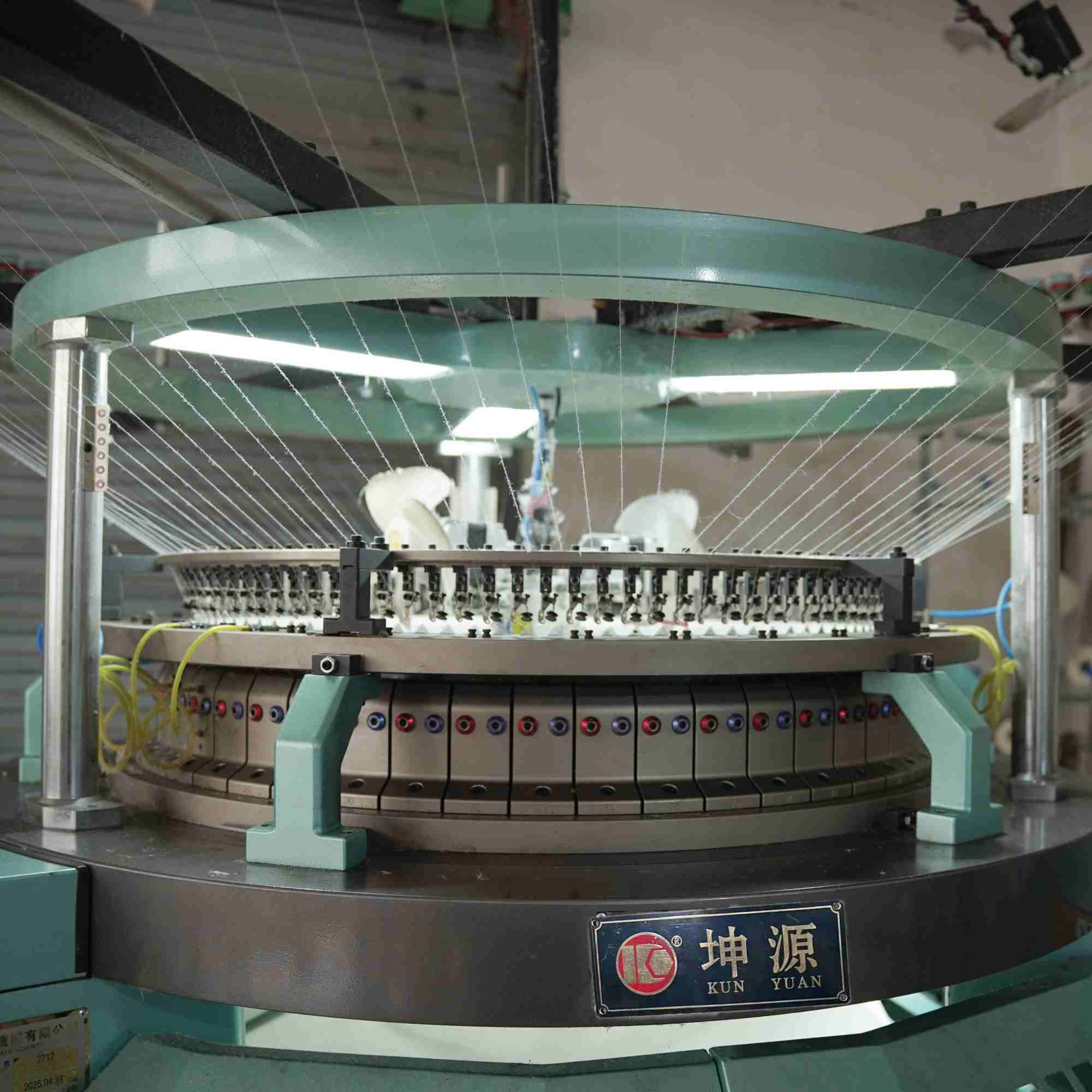
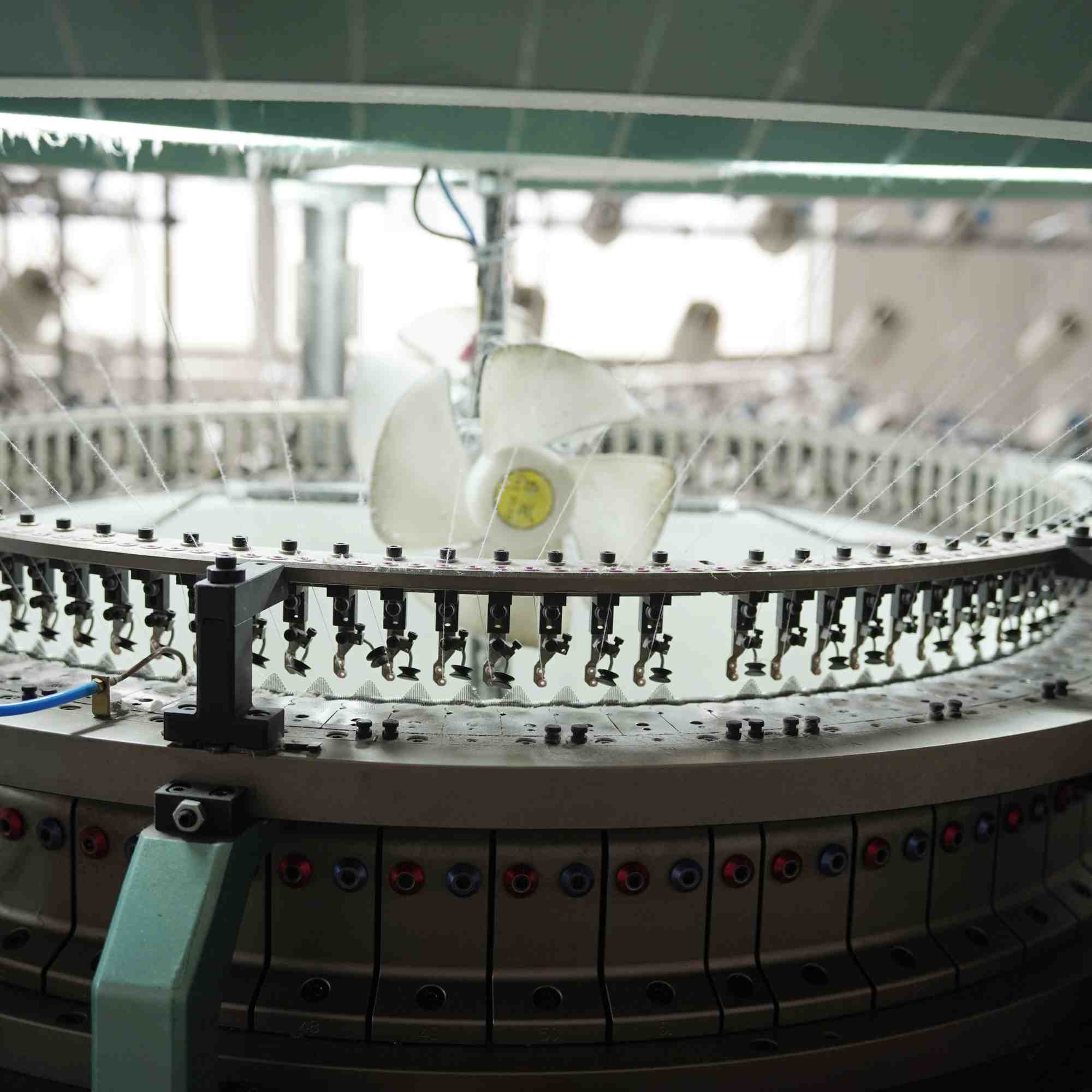
No general guarantee follows from the frame name. Inspect the installed route and the finished output under the actual collection conditions.
This worksheet prescribes no adjustment. Locate the evidence first and let qualified personnel use the correct equipment documentation.
A visual line alone is insufficient to identify a cause. Record its geometry, faces, processing response and relation to handling events.
No. Mark it as unobserved and ask the supplier for a safe inspection method if that gap prevents a decision.
A traceable comparison and another accepted collection interval provide evidence. One unrelated clean photograph does not establish repeatability.
A slit-to-batch record makes a crease investigation local and testable. The reference edge and marked interval connect observations across handling, winding and storage; paired finished specimens establish the commercial consequence. Keep unresolved intervals visible so the batch decision reflects what was actually observed.
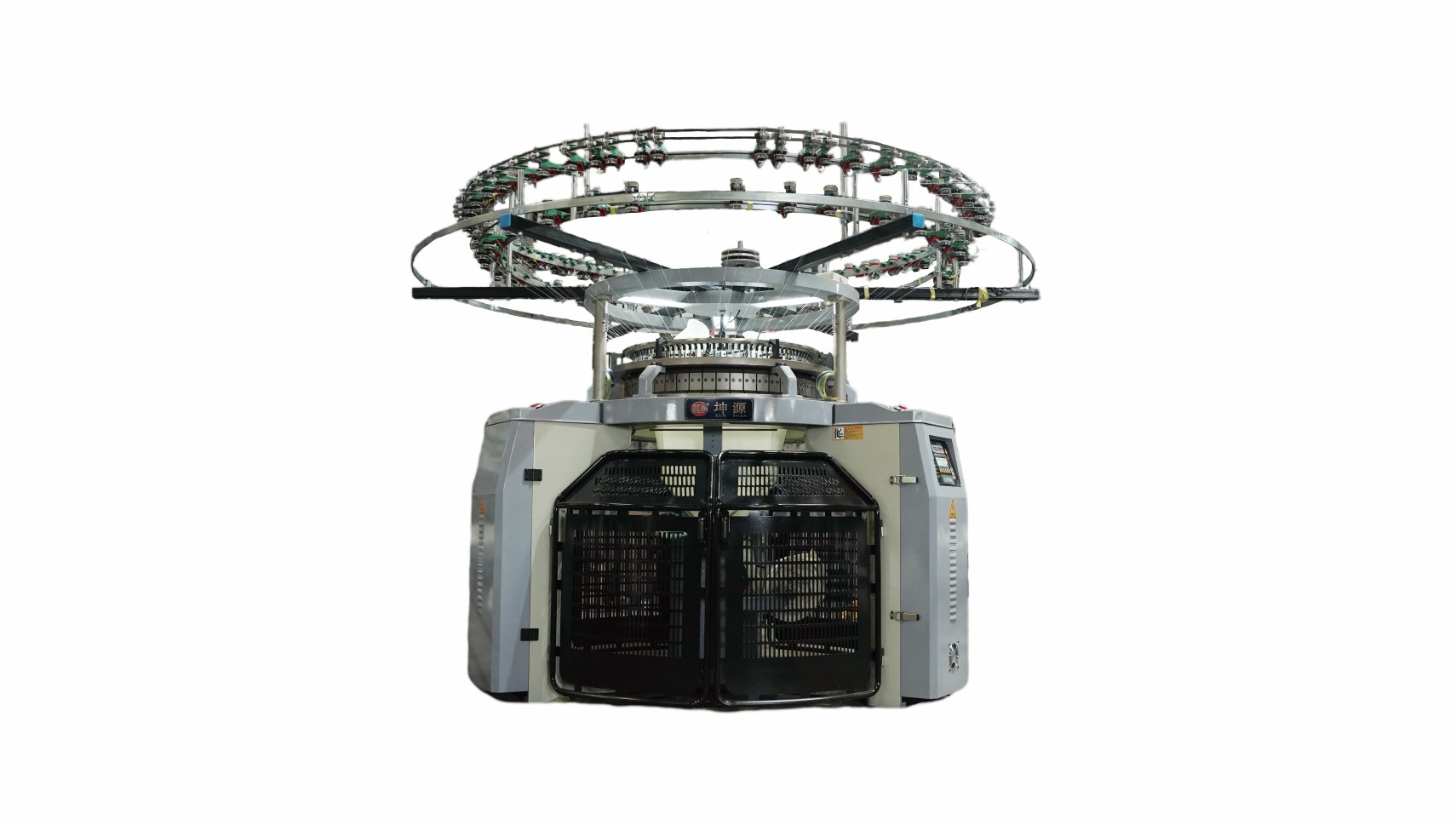
When discussing an open-width configuration in the Circular Knitting Machine range ask for the actual handling drawing and the agreed batch inspection route.

 Tel: +86-13859034518
 Email: info@kunyuanmachine.com
 MP/WhatsApp: +86-13859034518
 Manufacturer Address:Bacuo Village, Yonghe Town, Jinjiang City, Fujian Province