
Language
Hot Keyword:
Author:KUNYUAN Machine Manufacturer TIME:2026-11-26
Assess suspected sewing needle damage by comparing finished unsewn fabric with material taken through the intended sewing operation. Establish where the holes first appear before blaming the knitting route. The required outcome is a qualified fabric-and-sewing recommendation supported by samples, not an automatic reduction in knitting-machine speed.
Fine double-knit procurement crosses an ownership boundary. The knitting supplier can demonstrate a clean roll, while the garment maker must convert that material without unacceptable damage. A complaint arising at the seam can involve either boundary, or both. Finding the first appearance of the damage narrows the question.
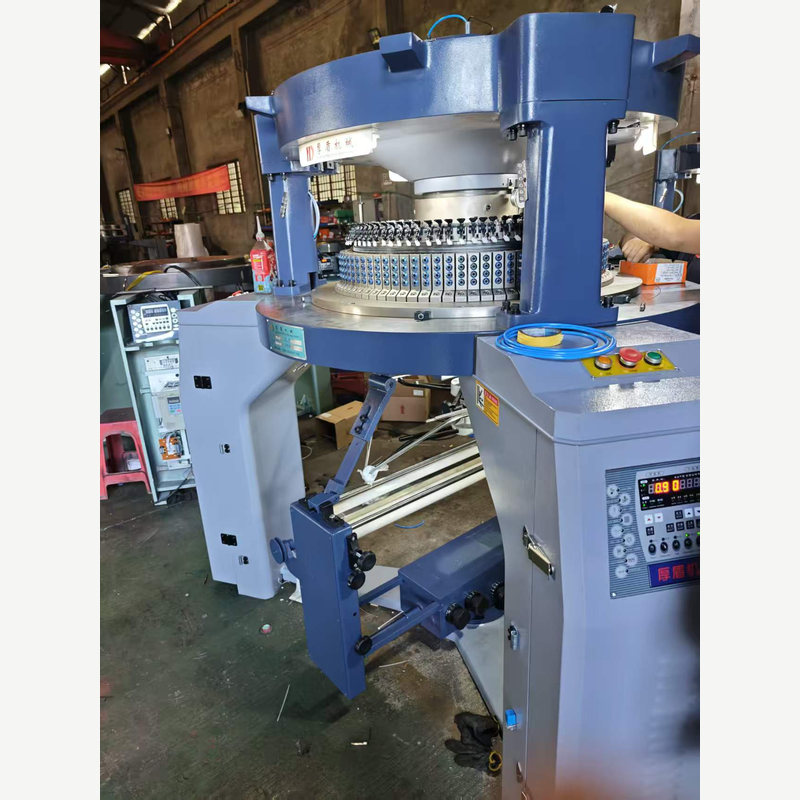
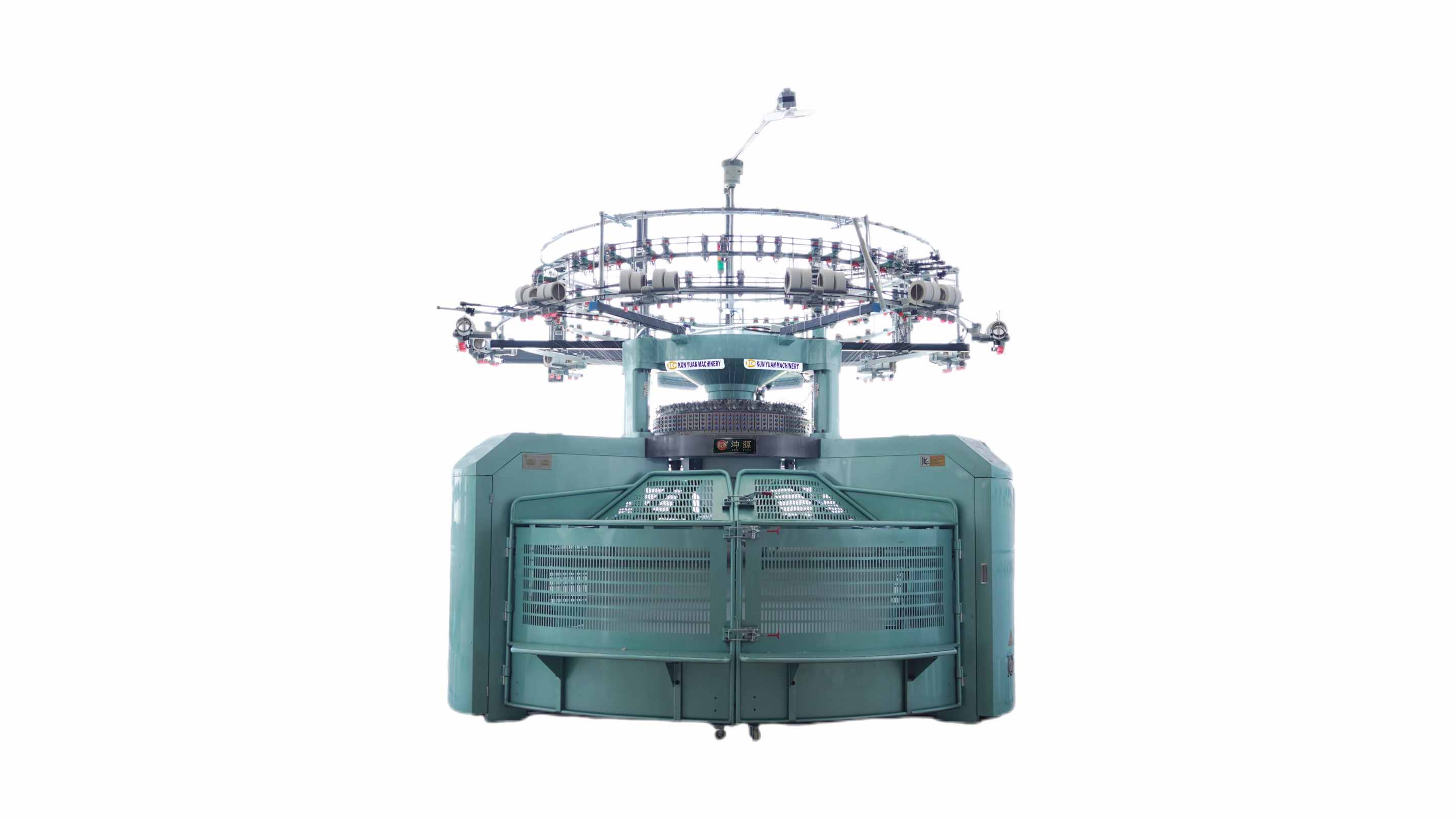
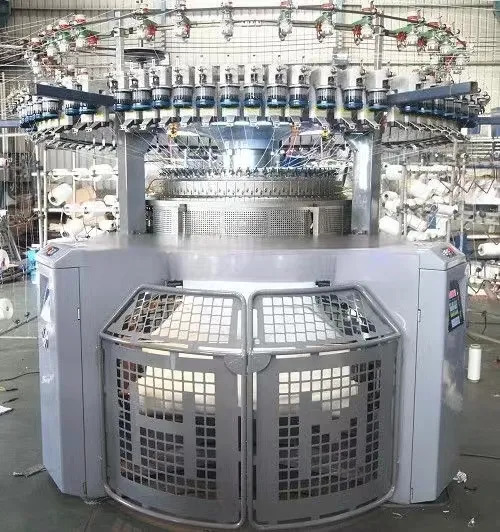
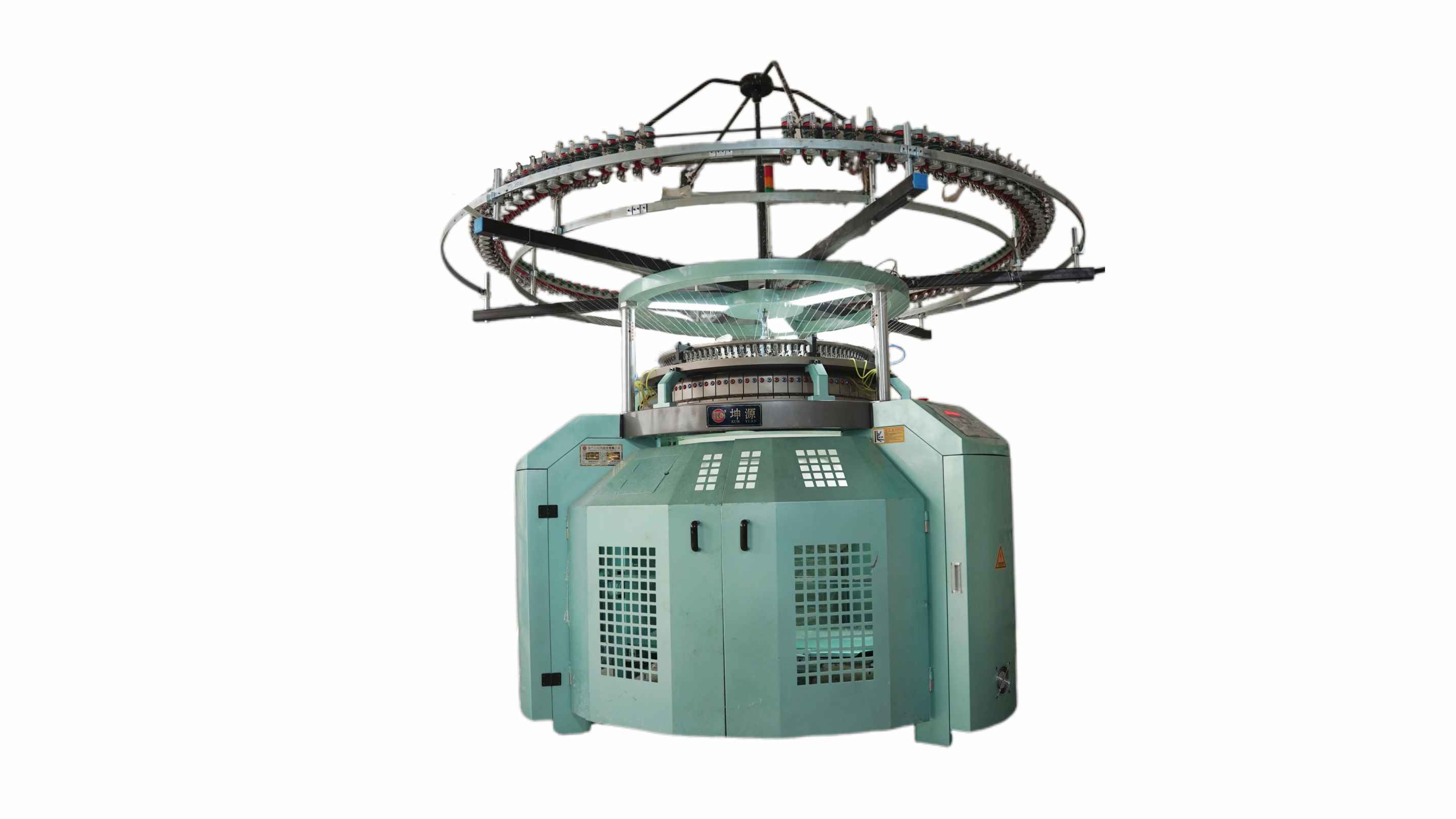
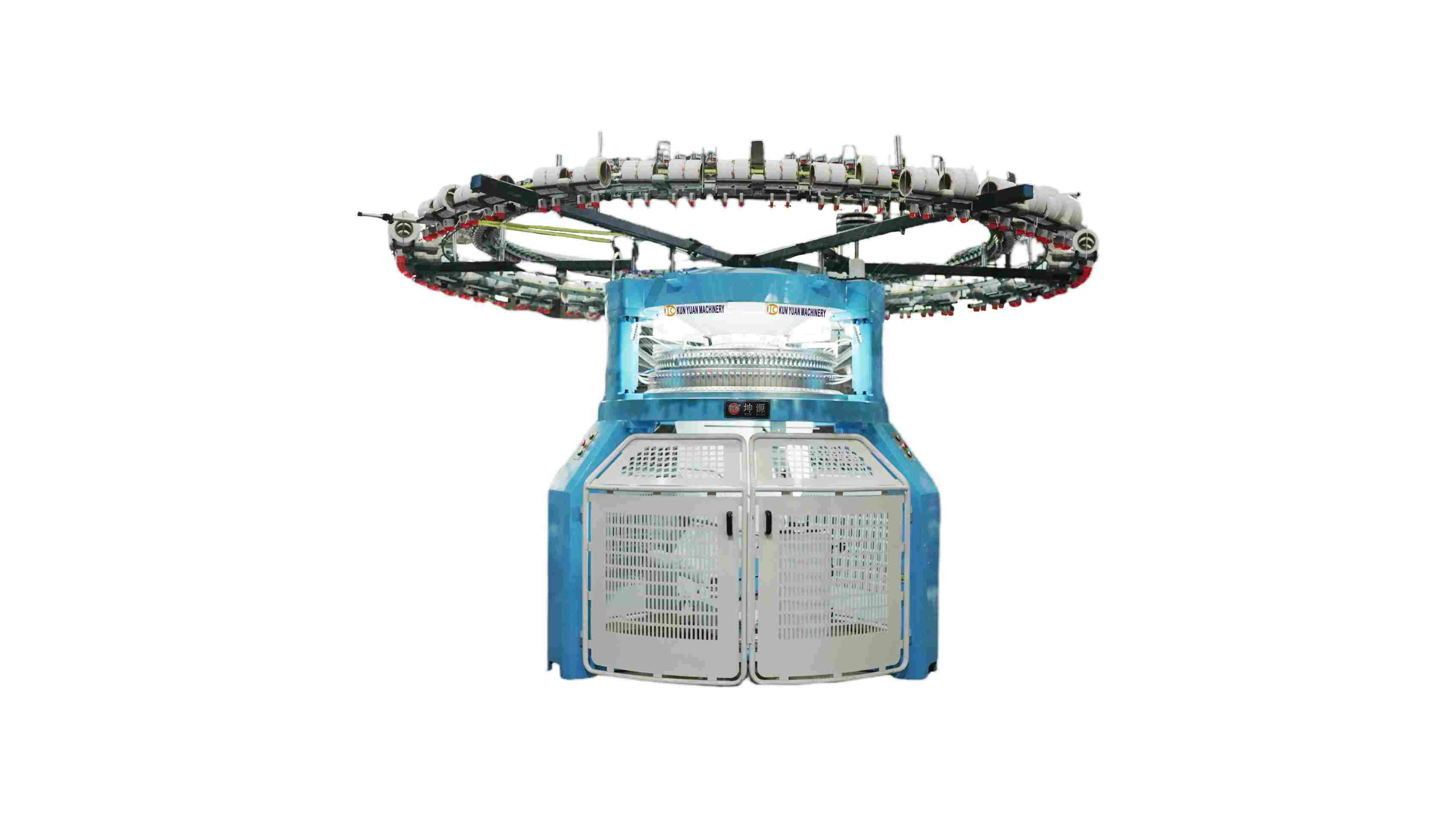
Kunyuan product 546 describes a 36-inch, 32G, 108-feeder double-jersey setup with finished two-sided evaluation for fine apparel bases. These catalogue particulars explain the fabric context. They do not identify the garment factory's sewing machine, thread, needle system or approved combination.
An unsewn control is retained fabric from the same relevant finished material as the sewn specimen. It helps answer whether the observed hole or line preceded garment conversion. Compare the affected region with that control under a defined inspection approach. This does not diagnose a cause by itself; it prevents an earlier knitting defect from being renamed as sewing damage.
If marks are already present away from the sewing operation, the fabric route needs its own review. If the concern first appears around needle penetrations, the sewing interface becomes a plausible investigation area. Keep ambiguous observations open. A single photograph without scale, position or an unsewn reference rarely settles which supplier owns the problem.
Groz-Beckert's sewing guidance separates the needle system from size and point selection. System compatibility concerns the sewing equipment and operation; material suitability concerns the fabric being penetrated. Its recommendations also differentiate types of fine knit and elastane-containing material. A broad label such as double jersey is therefore insufficient for selecting a universal point.
The practical purchasing question is whether a qualified sewing specialist can support the proposed combination on the actual finished fabric. Include the relevant thread and operation in that discussion. Do not confuse these sewing needles with the knitting needles that formed the roll. A recommendation for one system cannot simply be transferred to the other because both tools have the same everyday name.
The manufacturer's 2018 material-damage article discusses wear, needle surfaces, machine contact areas, sewing speed and the fabric's finishing condition alongside size and point. These are potential contributors. Their presence in a technical article does not prove which one caused a hole in an unobserved production lot.
A useful investigation changes the explanation only when matched evidence supports it. If both the finishing revision and sewing configuration change together, a better-looking sample does not show which change mattered. Ask the qualified parties for a comparison that can resolve the active uncertainty. The buyer needs enough attribution to repeat the accepted route, rather than a list of every adjustment somebody might try.
The acceptance package should join the nominated finished fabric, sewn specimen, technical recommendation and inspection outcome. State what the parties actually accepted: the material and operation concerned, with any relevant limitations. Avoid converting a successful sample into a promise about every fine-gauge construction, finishing revision or garment operation.
The table helps route different observations to the right owner. It also protects a useful machine offer from a false choice between blaming the knitter and blaming the sewing needle. The parties may need a joint trial, a finishing review or better specimen identity. Until that question is resolved, commercial sewability remains bounded by the evidence available, even when the unsewn roll looks excellent.
| Observation | What it suggests | Useful next owner |
|---|---|---|
| Holes already in unsewn control | Concern predates sewing | Fabric quality and knitting review |
| Damage first visible near penetrations | Sewing interface deserves assessment | Qualified sewing specialist |
| Finish and sewing setup both changed | Improvement lacks a single attribution | Joint controlled comparison |
| Fabric identity cannot be matched | Causal comparison is incomplete | Sample and production owners |
It establishes the inspected roll condition, not the result of every later sewing operation.
No. They perform different operations with different system requirements; identify which needle the recommendation concerns.
The manufacturer identifies several contributors. A qualified specialist must balance the actual needle, thread, material and operation.
Yes. The cited technical guidance identifies fabric finishing as relevant to sewability, so compare specimens with known finishing identities.
A fabric-specific sewing recommendation linked to the accepted specimen and the inspection decision, with unresolved limitations visible.
The key transition is from an acceptable roll to an acceptable conversion route. Locating the first damage, distinguishing the sewing system and testing competing explanations make that transition assessable. A narrow, repeatable recommendation serves the garment order better than a blanket claim that fine double knit will always sew cleanly.
For a fine double-knit proposal in the Circular Knitting Machine range, include the finished garment material and the sewing-interface evidence expected at handoff.

 Tel: +86-13859034518
 Email: info@kunyuanmachine.com
 MP/WhatsApp: +86-13859034518
 Manufacturer Address:Bacuo Village, Yonghe Town, Jinjiang City, Fujian Province