Connect the machine to a controlled size and zone map.OpeningBodyTransition
Finished garment zone sheet
A cylinder makes a tube; a controlled size map makes a wearable product
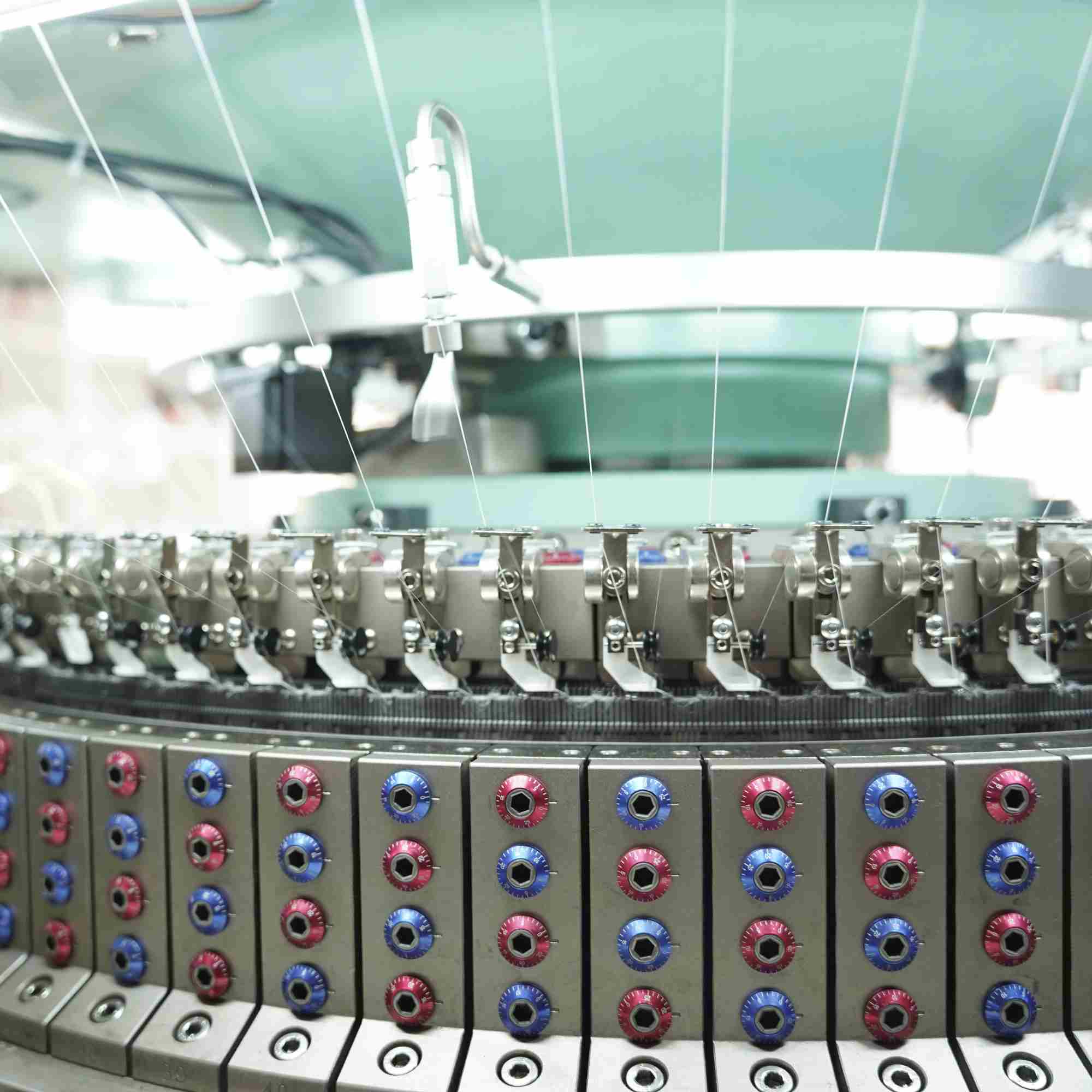
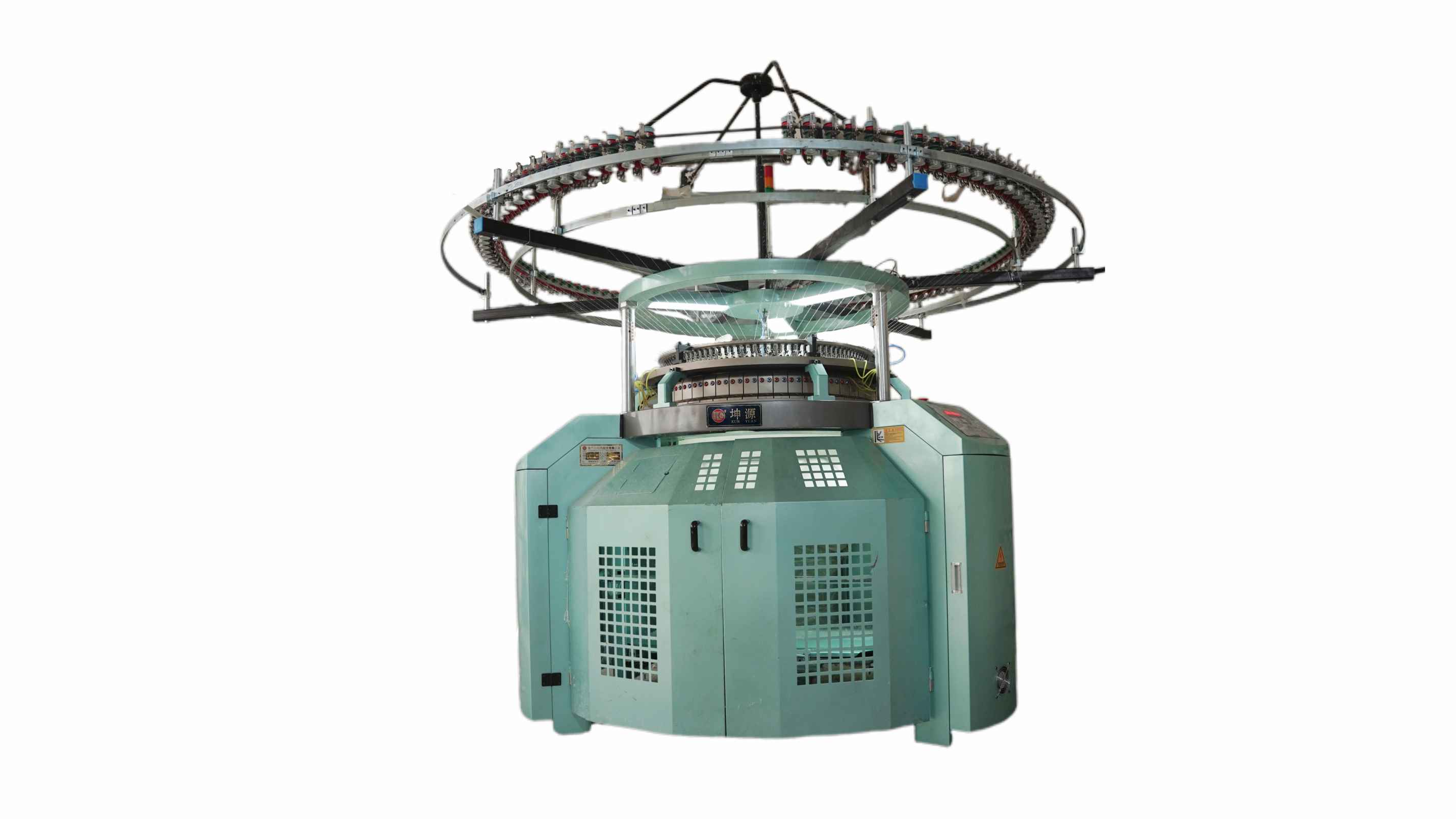
Body-size circular knitting can reduce cutting and joining for suitable products, but only when the machine, program, yarn and finishing route reproduce the intended garment dimensions and functional zones.
Begin with the graded product, not a broad seamless claim. Record relaxed and extended measurements, body length, opening dimensions, yarn roles, opacity, support or ventilation areas, and every operation that remains after knitting. The approved sample must carry its size, program revision and finish condition.
Santoni lists electronic single- and double-knit seamless platforms for several garment categories, while Fukuhara publishes body-size machine ranges with model-specific diameter, gauge and feeder combinations. Those portfolios show why body-size is a category rather than one universal configuration. Confirm the exact offered machine and trial conditions in the quotation.
Define one finished size before discussing machine coverage
Record the target circumference, length and opening dimensions after a named relaxation, wash or heat-setting route. Add tolerance, yarn lot, structure and test method. A greige tube that looks close on the machine may move outside the garment limit after finishing.
Trial a central size and a boundary size rather than extrapolating from one sample. If another cylinder, needle count or program family is required, show that as a separate production route instead of hiding it in a nominal size range.
Place support, ventilation and pattern changes by course and needle
Draw each functional area on an inside-out garment and identify the yarn, stitch action and transition that creates it. Inspect both faces while the garment is relaxed and stretched in use direction. A clean front can conceal floats, weak joins or abrupt tension changes on the technical reverse.
Keep the accepted digital pattern with a numbered sample. File names such as final or medium are not controlled revisions when several developments exist.
Treat waist, cuff and leg openings as separate fit systems
State whether each opening is knitted, folded, linked, cut or sewn later. Measure relaxed dimension, extension and recovery using one documented method. Record elastomer identity and path where it is used.
Inspect the transition into the main body for ridges, exposed yarn, pressure points or visible course changes. Overall girth cannot compensate for an opening that fails comfort or recovery.
Release only the garment route that the trial actually proves
List separation, cutting, gusset work, joining, washing, drying, heat setting, inspection and packing. Time these steps on the same size mix used for the knitting trial. The bottleneck may sit after take-down even when machine running is stable.
Classify each style as demonstrated, dependent on a named option, needing another trial, or outside the offer. That boundary protects the purchase from turning one successful tube into an unsupported complete-range promise.
Confirm the exact cylinder, gauge and program family offered.Approve dimensions only after the stated finishing route.
Body-size release matrix
Zone
Controlled input
Finished evidence
Release rule
Opening
Yarn role and construction
Relaxed, extended, recovered size
Comfort and recovery pass
Main body
Cylinder, program, stitch basis
Girth and length after finish
Tolerance holds
Functional area
Course and needle map
Placement on worn sample
No weak transition
Make-up
Remaining operations
Time and defect record
Commercial route accepted
Body-size production questions
Does seamless mean no sewing at all?
Not necessarily. Openings, gussets, separation and finishing may leave make-up work, so map every post-knitting operation.
Can one cylinder cover every size?
Do not assume it. Confirm each size family against the offered diameter, needle count, program and finished tolerance.
Why test after finishing?
Yarn, structure and thermal history can change girth, length and recovery after the greige tube leaves the machine.
What should identify the approved sample?
Use machine, cylinder, size, program revision, yarn lots, date and finish condition.
Which size should be trialled first?
Use a common commercial size plus the hardest boundary size so the stated range is supported by evidence.
Conclusion
Body-size value is measurable only at the finished garment. A size-and-zone map links the offered machine to fit, function and remaining make-up, allowing the buyer to approve a demonstrated range instead of a category label.
Use the zone sheet while reviewing the body-size circular knitting machine range and attach each released size to its exact program, yarn and finished garment evidence.







 Tel: +86-13859034518
 Email: info@kunyuanmachine.com
 MP/WhatsApp: +86-13859034518
 Manufacturer Address:Bacuo Village, Yonghe Town, Jinjiang City, Fujian Province