
Hot Keyword:
YOUR POSITION:HOME > Blog >

Body Size Circular Knitting Machine Technology: Size Programs and Flexibility

Author:KUNYUAN Machine Manufacturer TIME:2026-08-30

MENU
Body-size circular knitting machine used to map garment circumference
Connect the installed needle field to the commercial size chart.
Upper fitBody fieldLower finish
Size-program garment map

A size program can shape zones only inside the machine's physical knitting boundary

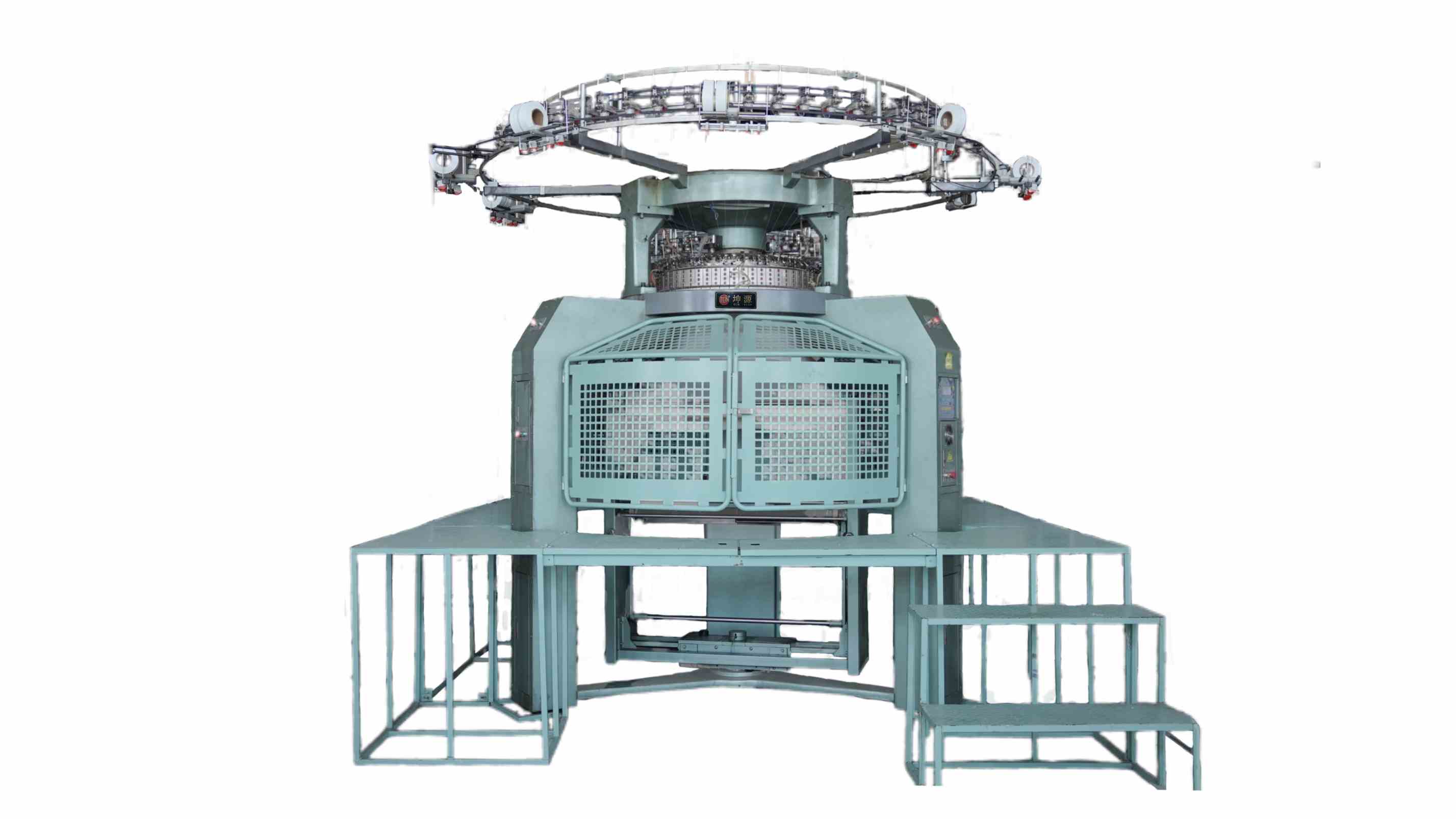
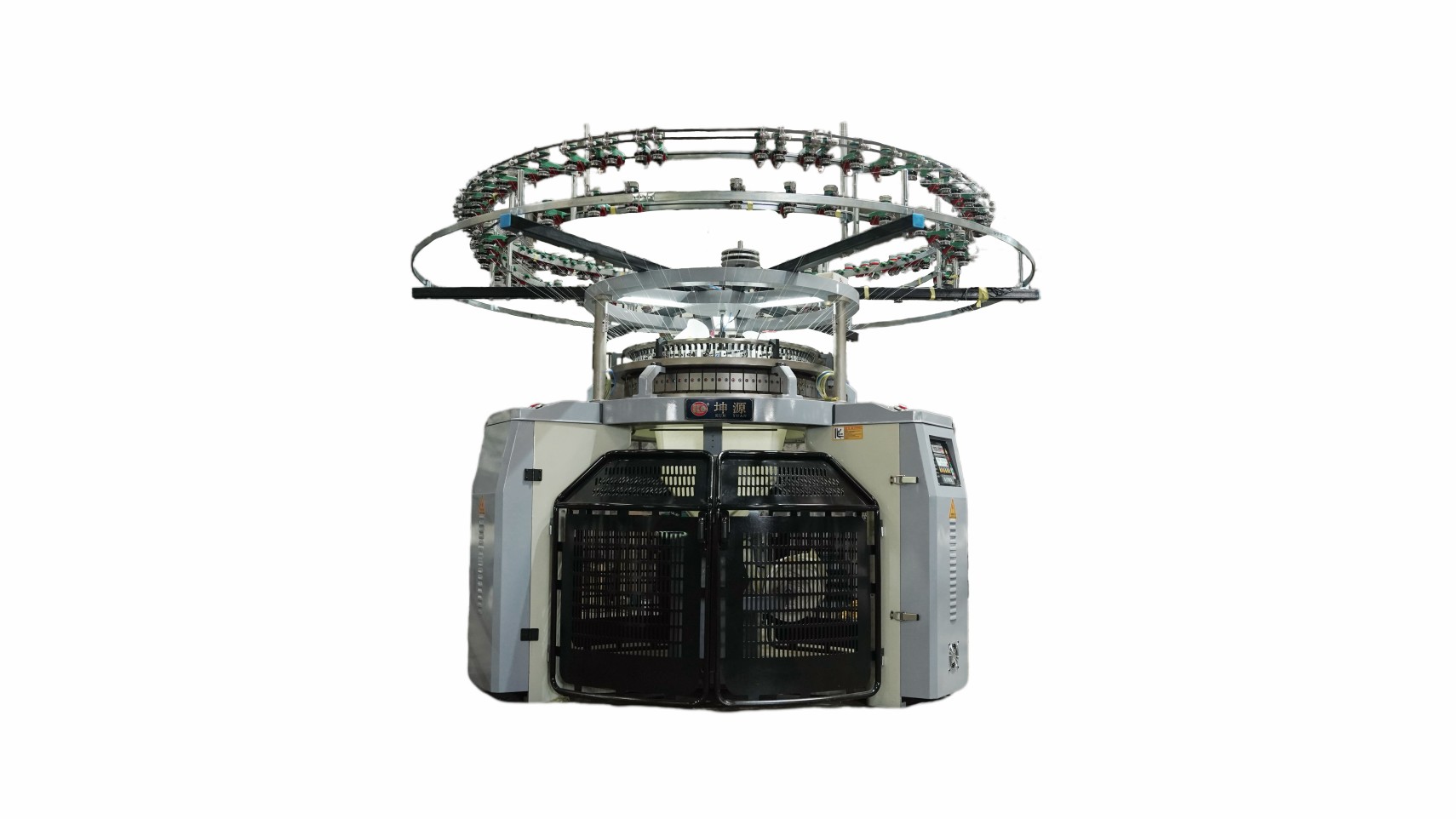
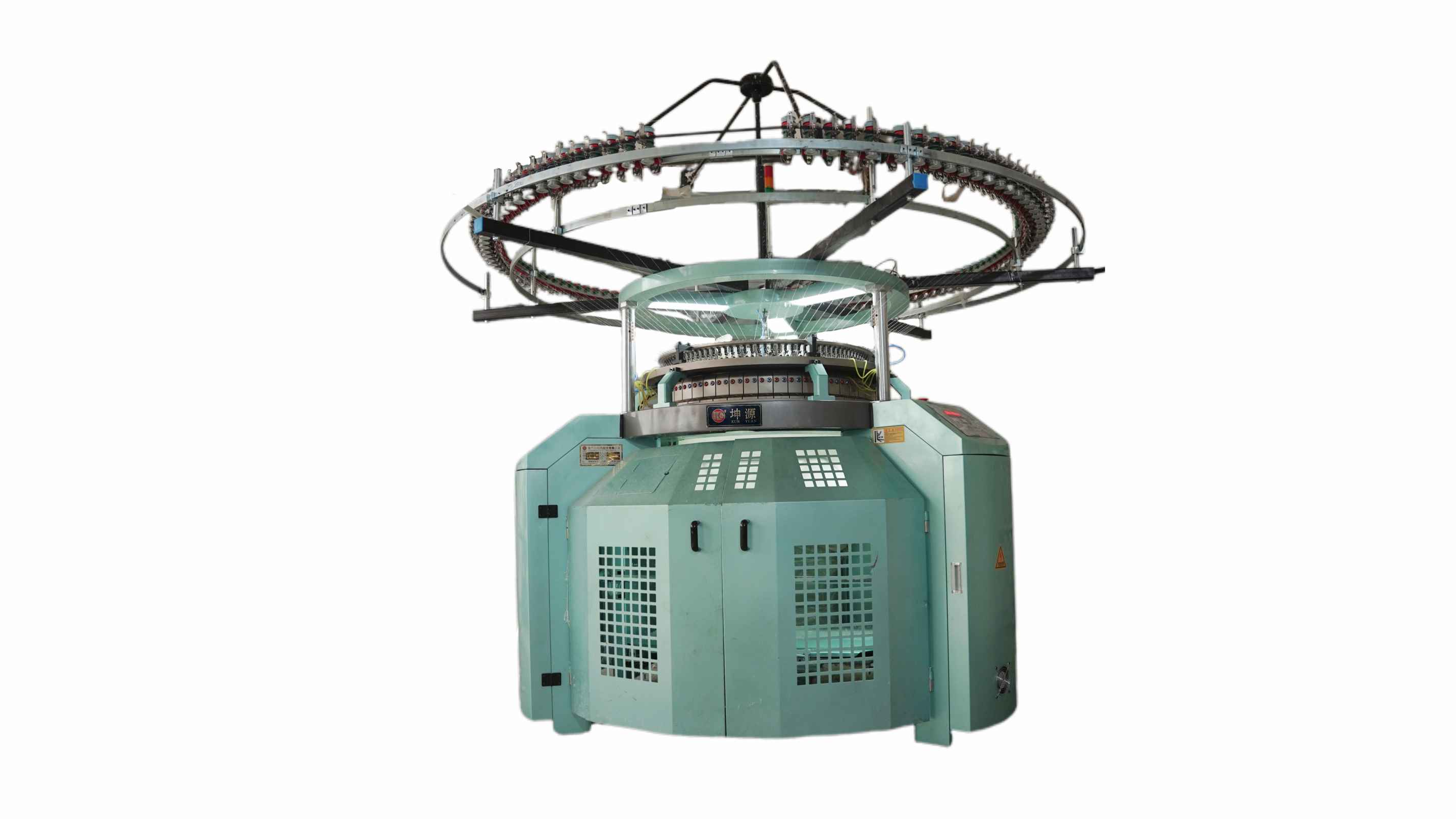
Body-size circular knitting links a garment-sized tube to controlled stitch, yarn and pattern changes around its circumference. Flexibility is therefore a relationship among the installed needle field, the program and the finished size chart, not a promise that one cylinder can make every size.

Begin with the garment specification rather than the controller screen. Record relaxed and extended chest or body circumference, garment length, zone positions, yarn roles, target weight, opacity, recovery and the complete dyeing, heat-setting and make-up route. Mark every feature that remains outside knitting, including cutting, linking, elastic insertion, trimming or sewing. This prevents a tube from being described as a finished seamless garment when later operations still determine fit.

Official Santoni and Fukuhara portfolios separate seamless or body-size platforms into model families with their own configurations. Those categories establish that diameter, gauge, needle arrangement and selection scope are model-dependent. For a particular order, the supplier should connect each requested size to an exact build and a controlled program revision, then prove the boundary sizes after the same finishing process used for saleable garments.

Map the physical circumference before grading the size range

A controller can alter stitch length, selection and yarn use, but it cannot erase the physical relationship among cylinder diameter, gauge and installed needles. Put every commercial size on a worksheet with required relaxed circumference, stretch limit and seam or closure allowance. Identify which sizes share one tube basis and which require a different cylinder, needle setup or downstream construction.

Use the smallest and largest planned sizes as boundary samples. The small size can expose excess fabric, poor zone placement or an unsuitable make-up allowance; the large size can expose overextension, opacity loss and weak recovery. If a proposed grade relies on finishing shrinkage, record the tested process window rather than treating shrinkage as a fixed design tool.
Translate fit, support and appearance zones into executable loop actions

Lay the garment drawing beside the program map. Mark where stitch density, yarn feed, plating, tuck or miss effects, ventilation areas and decorative motifs begin and end. Only include actions supported by the exact offered selection and yarn systems. A visual simulation is useful for placement, but it does not prove that yarn tension, loop transfer or fabric take-down will remain stable through a dense transition.

Name the approved pattern file by garment, size, machine and revision. Keep the yarn map and a photograph of the loaded setup with it. When the same artwork is graded, check whether motif width, transition length and body position change acceptably rather than scaling every element automatically. The program record should explain intentional differences between sizes.

Measure the work hidden inside a size or style change

Document what an operator must load, thread, adjust, replace and verify when moving between sizes. Separate a file-only change from one requiring yarn reassignment, guide movement, component replacement or a different machine setup. Time begins with the last acceptable garment from the previous order and ends with the first accepted garment from the new one, so troubleshooting and discarded start-up pieces remain visible.

Protect the approved baseline before editing. Save controller data under the site's backup procedure, label physical parts and record permitted adjustment ranges from the machine documentation. After the change, knit a short diagnostic garment containing the important transitions before consuming the full production yarn allocation. This makes flexibility measurable as repeatable changeover work.

Approve the size chart on finished garments, not warm machine tubes

Label sample garments by machine, program, size, yarn lot and knitting time. Measure the tube at a defined relaxed condition, then repeat the size, weight, appearance and stretch-recovery checks after dyeing, heat treatment and every planned make-up step. Inspect zone placement on a body form or the buyer's fit method; a correct flat width can still leave support or ventilation panels in the wrong position.

Run at least one controlled stop and restart through a visible transition. Compare the restarted garment with the uninterrupted sample for bars, displaced motifs and circumference change. File the signed boundary-size garments with their measurement sheets. The result is a defensible flexibility range tied to real programs and finishing evidence, not a catalogue-wide capability statement.

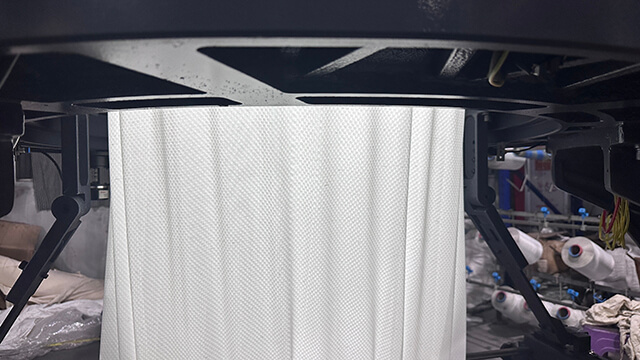
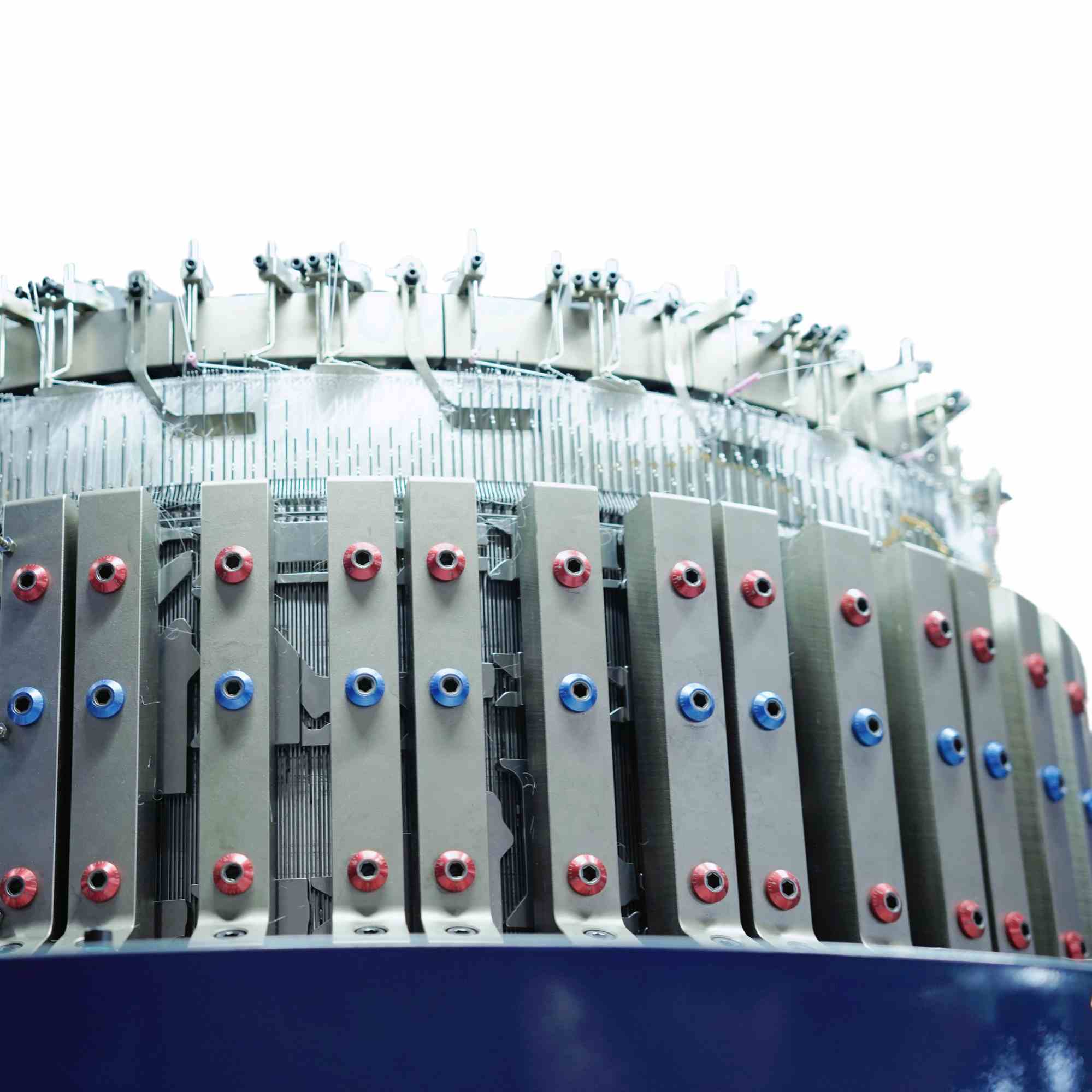
Programmed yarn and stitch zones on a body-size knitting route
Treat every fit or appearance zone as a controlled program action.
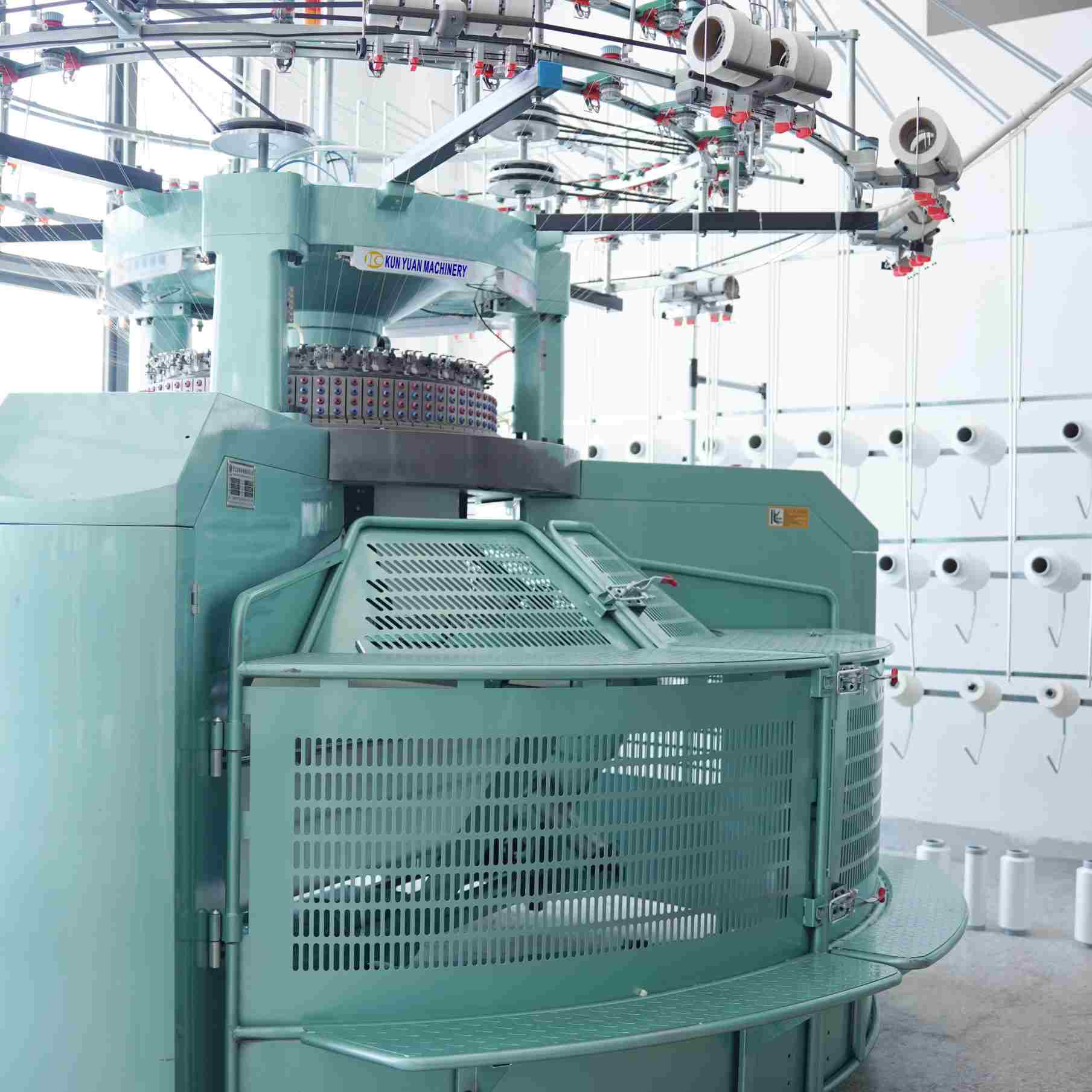
Finished garment size and recovery inspection after knitting
Approve size only after the named finishing and make-up route.

Body-size program release matrix

Decision lineMachine or program recordGarment evidenceRelease question
CircumferenceDiameter, gauge and installed needle fieldRelaxed and extended boundary sizesDoes the physical window cover the grade?
ZoningPattern revision and yarn assignmentPositioned fit and appearance zonesAre programmed actions supported and aligned?
ChangeoverFiles, parts, settings and elapsed workFirst accepted garment after changeCan the setup be restored repeatably?
FinishingNamed dye, heat and make-up routeSigned finished garment measurementsDoes the saleable size chart pass?

Body-size program and flexibility questions

Can one body-size cylinder make every garment size?

Not by assumption. The workable grade depends on physical needle circumference, structure, stretch, program scope and the finished measurement limits.

Is changing a pattern file the same as changing size?

Sometimes a file change is sufficient, but another size may also require yarn, guide, component, take-down or finishing changes. Record the actual route.

Why test both ends of the size range?

The smallest and largest garments expose different risks, including excess fabric, overextension, opacity loss, misplaced zones and unstable recovery.

Does a seamless platform eliminate all sewing?

No. The exact garment may still need separation, trimming, linking, elastic insertion, closures or decorative assembly.

What should travel with an approved size program?

Keep machine identity, program checksum or revision, yarn map, settings, finished measurements, fit result and a labelled boundary garment.

Conclusion

Body-size flexibility is credible when the mill can point from a size-chart line to a physical knitting window, a named program, a documented change method and a finished garment. That map also reveals when another cylinder or construction route is the honest answer instead of forcing an unsuitable grade through one setup.

Use the boundary-size matrix while reviewing the body-size circular knitting machine range and ask for the exact cylinder, program scope and finished-garment trial behind each proposed size family.

Need Help?
Please leave your contact information to get our latest catalog
Get In Touch Now >
Kunyuan Machinery Manufacturer

Tel: +86-13859034518

Email: info@kunyuanmachine.com

MP/WhatsApp: +86-13859034518

Manufacturer Address:Bacuo Village, Yonghe Town, Jinjiang City, Fujian Province

NEW KEYWORD

About Us

Products

Information