

Hot Keyword:
Author:KUNYUAN Machine Manufacturer TIME:2026-08-30
A hat may begin as a knitted tube, but its commercial shape is set by crown treatment, body depth, opening construction, yarn recovery and finishing. The right small-diameter technology is the one that performs those named operations or hands them off predictably.
Open representative hats from the planned range and draw their inside construction. Record finished circumference, depth, crown profile, cuff or welt, lining, pattern repeat, decoration, yarns and size labels. Mark whether the crown is shaped during knitting, gathered, linked or sewn; mark whether the opening is single layer, folded, elasticated or assembled later. These distinctions create the machine and labour brief.
Official seamless, body-size and circular portfolios show multiple diameters, gauges and selection arrangements rather than one universal hat machine. Use those portfolios to locate a suitable equipment family, then request the exact offered configuration. The acceptance set should include the tightest opening, bulkiest yarn, most demanding pattern and most difficult crown in the intended range.
For a tube-based beanie, establish the needle circumference, yarn structure, body length and waste or separation allowance. A gathered crown, linked closure and cut-and-sewn top produce different bulk, labour and appearance. Record the number of handling steps and rejected crowns instead of describing all three as seamless.
Trial the crown with the actual yarn and any lining. Examine inside bulk, top profile, strength and comfort after washing or finishing. If the machine is claimed to create narrowing or another shaped feature, identify the installed mechanism and demonstrate the exact program; do not transfer a capability from a different model in the same portfolio.
The opening carries repeated extension during wear. Specify relaxed circumference, required extension, recovery after a defined hold and wash, cuff depth and pressure or comfort limit. Identify whether elastic yarn is plated, laid in or added during make-up. A decorative fold can hide poor recovery until the hat is worn.
Position motifs from a fixed crown or opening reference so size changes do not move the design unexpectedly. Confirm colour or yarn changes, float control and transition courses within the offered feed and selection arrangement. Inspect the reverse face where floats or trapped ends can affect comfort, especially on unlined hats.
List infant, child and adult sizes only when they belong to the actual product plan. For each, record relaxed and extended circumference, depth, crown allowance and yarn. Some adjacent sizes may share a needle basis with controlled stitch or finishing changes; a wider jump may need another diameter, gauge or construction. Keep those options explicit.
Measure size-change work from the final accepted hat in one size to the first accepted hat in the next. Include file loading, yarn-path changes, component changes, threading, trial pieces and inspection. This reveals whether a broad size promise is productive flexibility or a series of slow conversions with separate risks.
Label greige tubes and keep crown, body and opening positions visible through make-up. Complete the intended washing, dyeing, relaxation or heat route before final measurements. Inspect circumference, depth, crown profile, seam or gather bulk, pattern position, surface marks and opening recovery. The heaviest and most elastic styles should not be represented by an easy plain sample.
Run a controlled stop and restart in a visible body or motif area, then compare the result with uninterrupted production. Record operator interventions and saleable hats over the trial window. Keep one signed hat from each boundary construction so future yarn changes, program edits and spare-part work can be judged against a physical standard.

| Hat feature | Knitting requirement | Possible later operation | Acceptance proof |
|---|---|---|---|
| Crown | Tube end or programmed shaping | Gather, link or sew | Profile, bulk and strength |
| Body | Length, structure and motif placement | Separation and trim | Finished depth and appearance |
| Opening | Welt, fold and elastic yarn role | Elastic insertion or joining | Extension and recovery |
| Size grade | Needle basis, settings and program | Blocking or controlled finish | Boundary-size fit record |
Not necessarily. Separation, crown closure, linking, lining, decoration and finishing may remain, depending on the selected construction.
No. Needle count, gauge, structure, yarn, stitch setting, stretch and finishing all affect the final circumference.
The opening experiences repeated extension and can look acceptable when flat while failing to recover after wear or washing.
Use the styles that challenge crown formation, yarn bulk, pattern placement and opening stretch; an easy article cannot prove the edge of the range.
Record the program, yarn path, parts, threading, trial quantity, elapsed work and first accepted finished hat for the new size or style.
Small-diameter hat technology should be selected from the complete crown-to-opening route. When the mill distinguishes knitted work from later make-up, proves the boundary sizes and measures opening recovery after finishing, the machine choice reflects saleable hats rather than a convenient cylinder label.
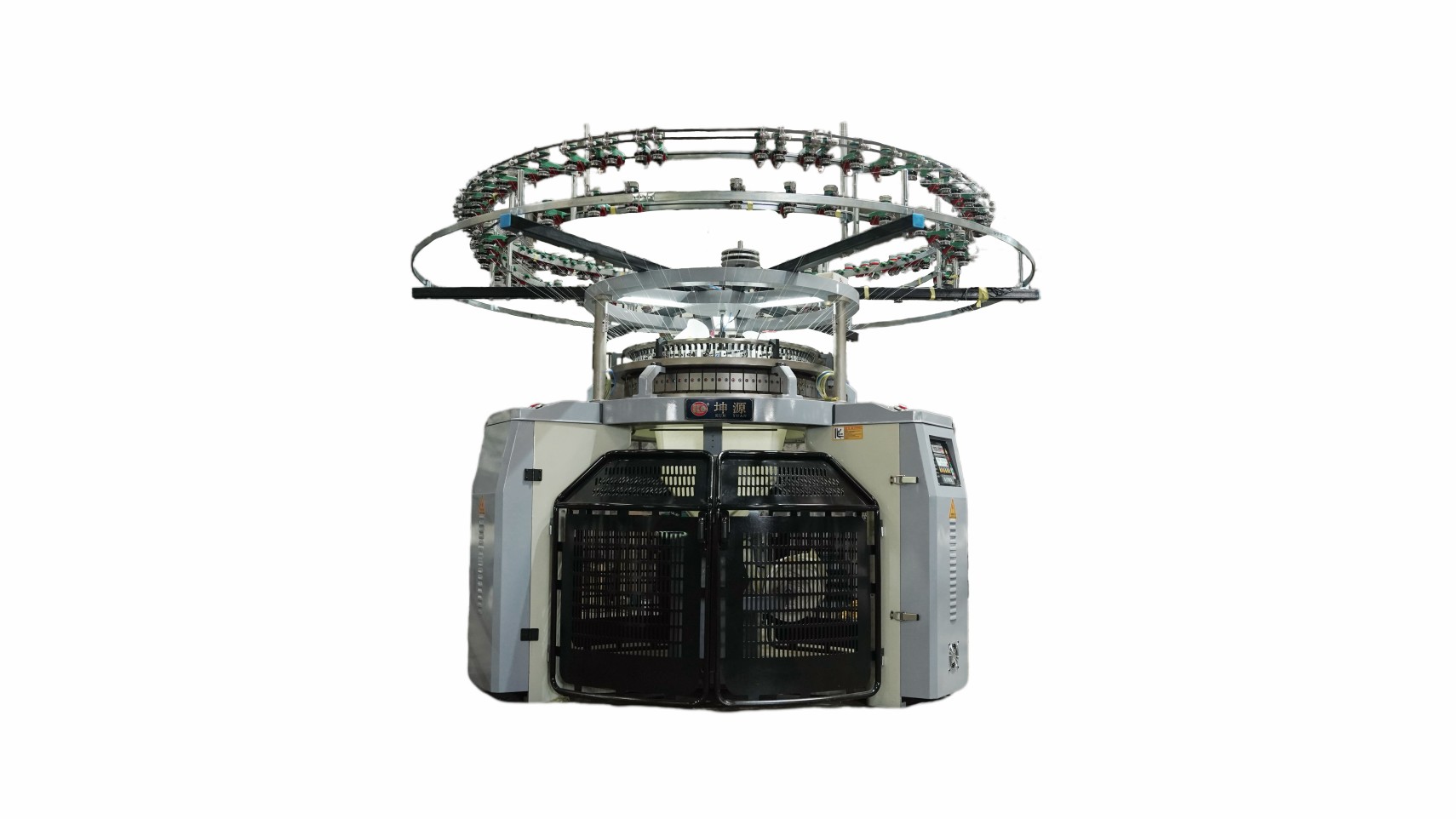
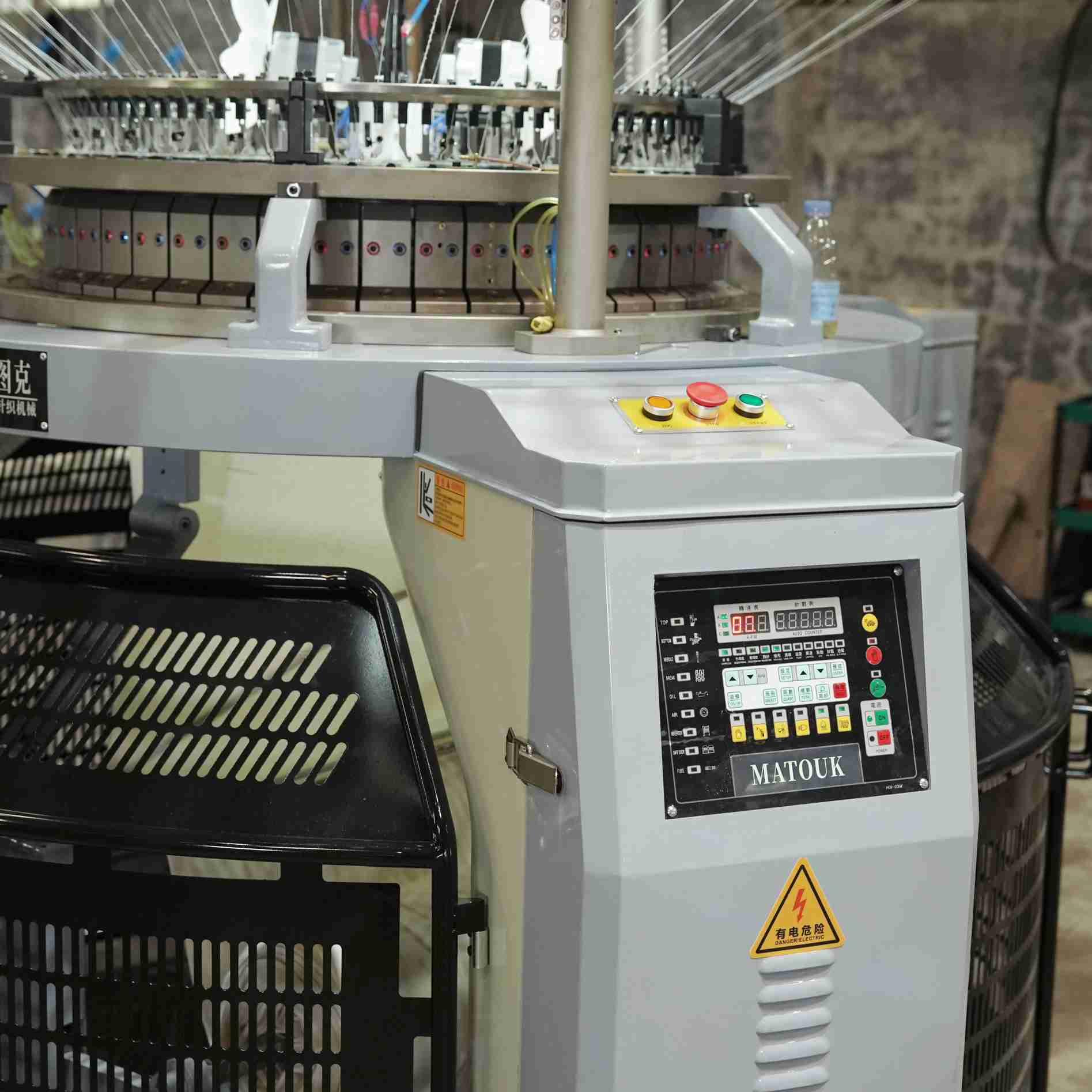
Map the crown, body and opening while evaluating the body-size circular knitting machine range and require a finished trial for the hardest yarn, size and closure combination in the range.

 Tel: +86-13859034518
 Email: info@kunyuanmachine.com
 MP/WhatsApp: +86-13859034518
 Manufacturer Address:Bacuo Village, Yonghe Town, Jinjiang City, Fujian Province