Follow the rib fabric from end use to a finished, repeatable operating window
Rib is a structural family rather than a single setting. Cuffs, body-size fabric, fine outerwear and technical double-knit articles place different demands on bed arrangement, yarn delivery, recovery and finishing.
Begin with the product function. State whether the rib must recover around an opening, provide body fabric, create a compact surface, alternate with interlock or support another layer. Record technical face, rib notation, yarn roles, finished width and weight, extension and recovery method, appearance limits and the route after knitting. A generic rib swatch cannot represent every use.
Mayer and Cie. publishes named double-jersey models for fine rib, interlock, spacer and other structures, while Terrot's official range separates rib machines by tracks, diameter and gauge ranges. Groz-Beckert treats needles and system parts as coordinated elements for particular knitting applications. These sources support a machine shortlist but not a universal timing value or interchangeable specification. Final selection belongs to one quoted build and one controlled commercial-fabric trial.
Stage one: define the rib duty and its finished acceptance condition
Describe the article in functional terms. For a cuff or waistband, include relaxed dimension, extension, recovery and edge condition. For body fabric, add usable width, weight, hand, opacity and dimensional response. For thermal, double-face or spacer-related work, name both surfaces and any layer relationship. Attach a physical reference with wale and course directions, then mark which traits are mandatory and which may be developed during trial.
Separate the greige target from the conditioned result. Rib geometry can change through relaxation, dyeing and heat treatment, especially when elastomer or dissimilar yarns are involved. State the sample conditioning and measurement method before suppliers quote. This gives the trial a common destination and stops an attractive but unmeasured raw fabric from becoming the acceptance standard.
Freeze one coherent double-knit build before the yarn trial.
Stage two: match the structure to beds, tracks, gauge and included conversion scope
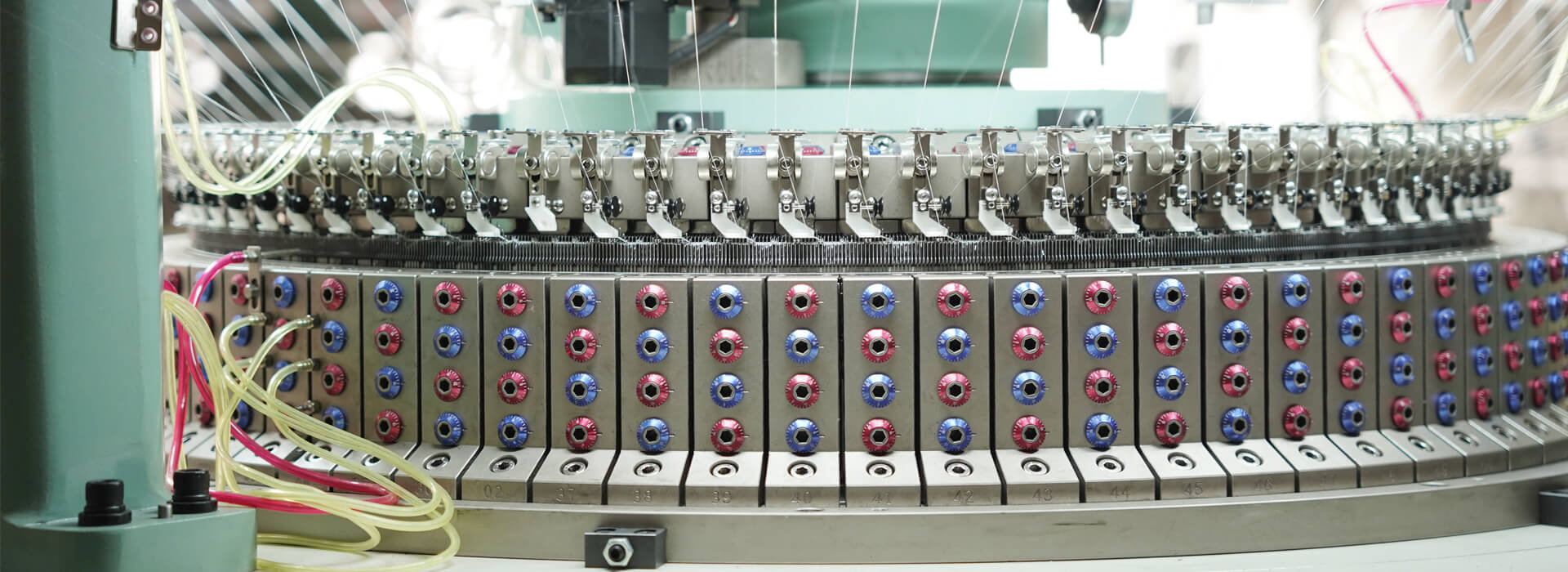
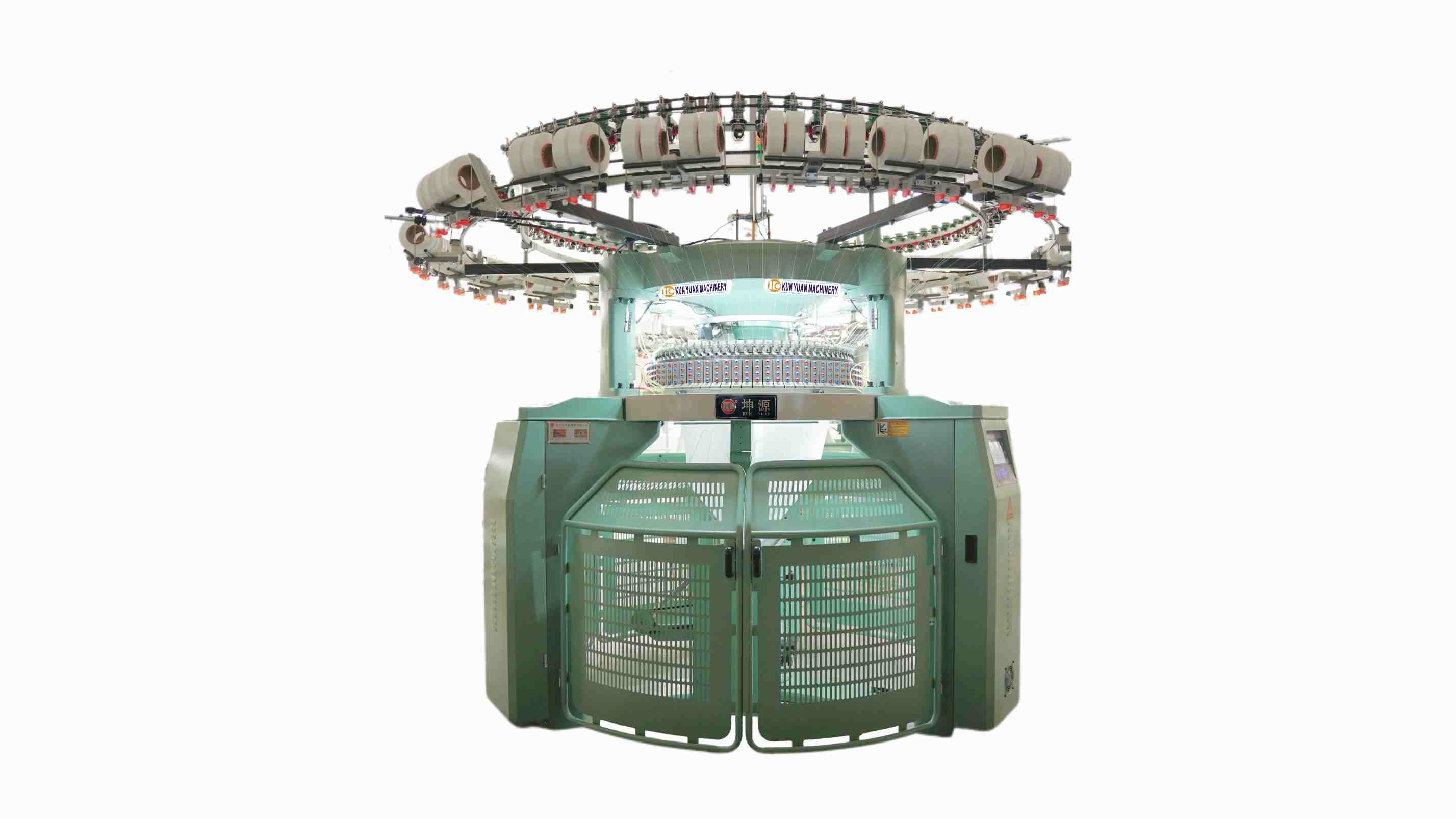
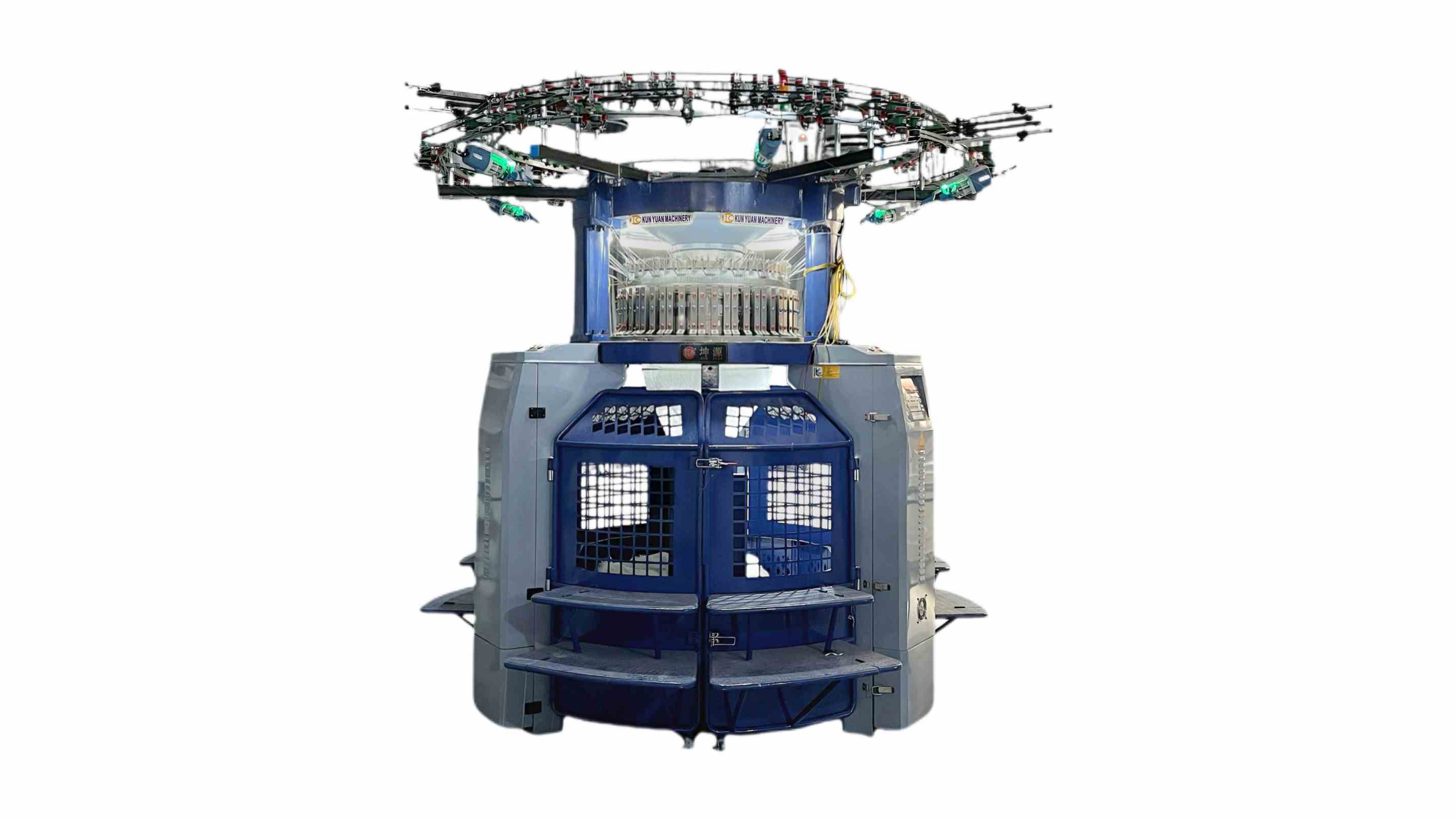
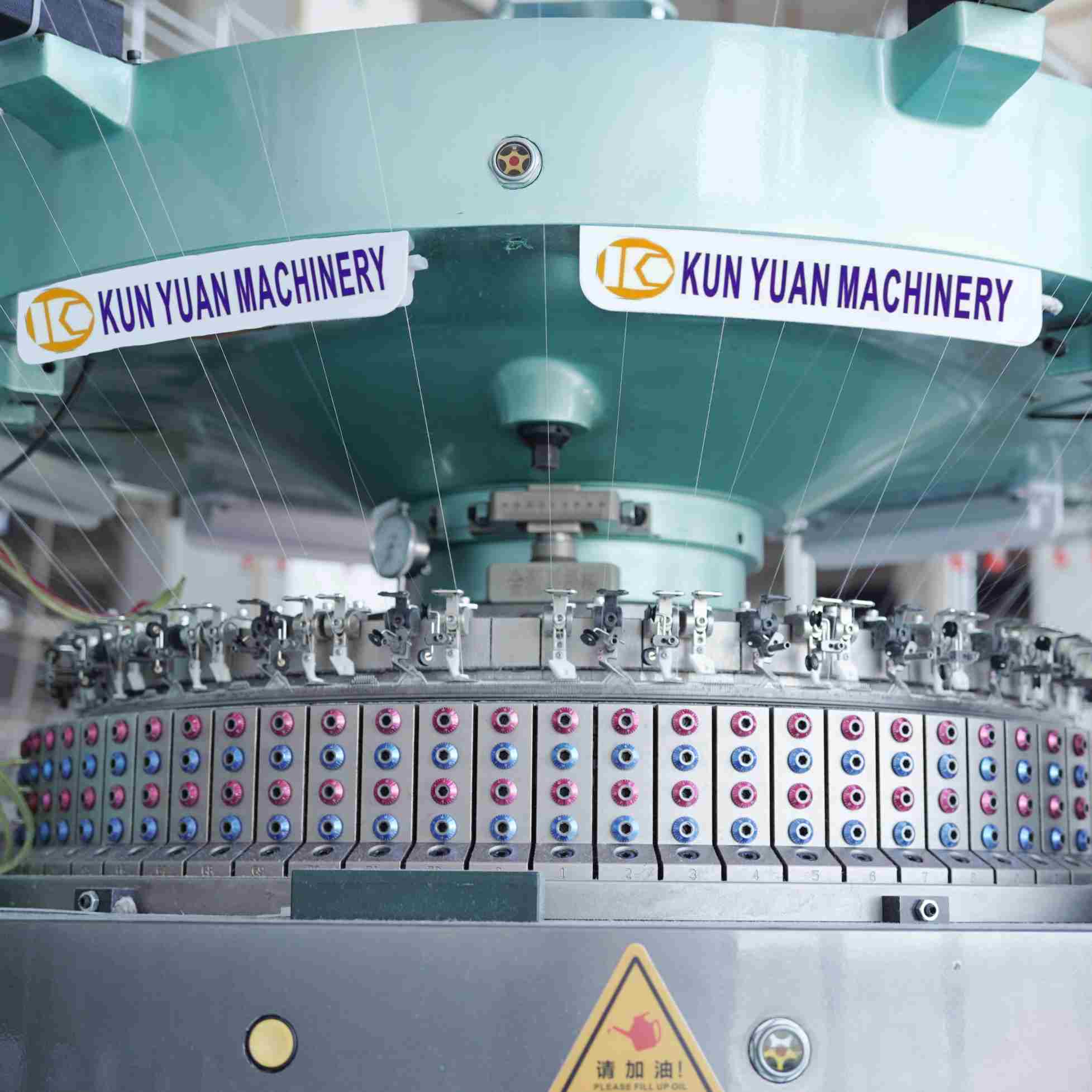
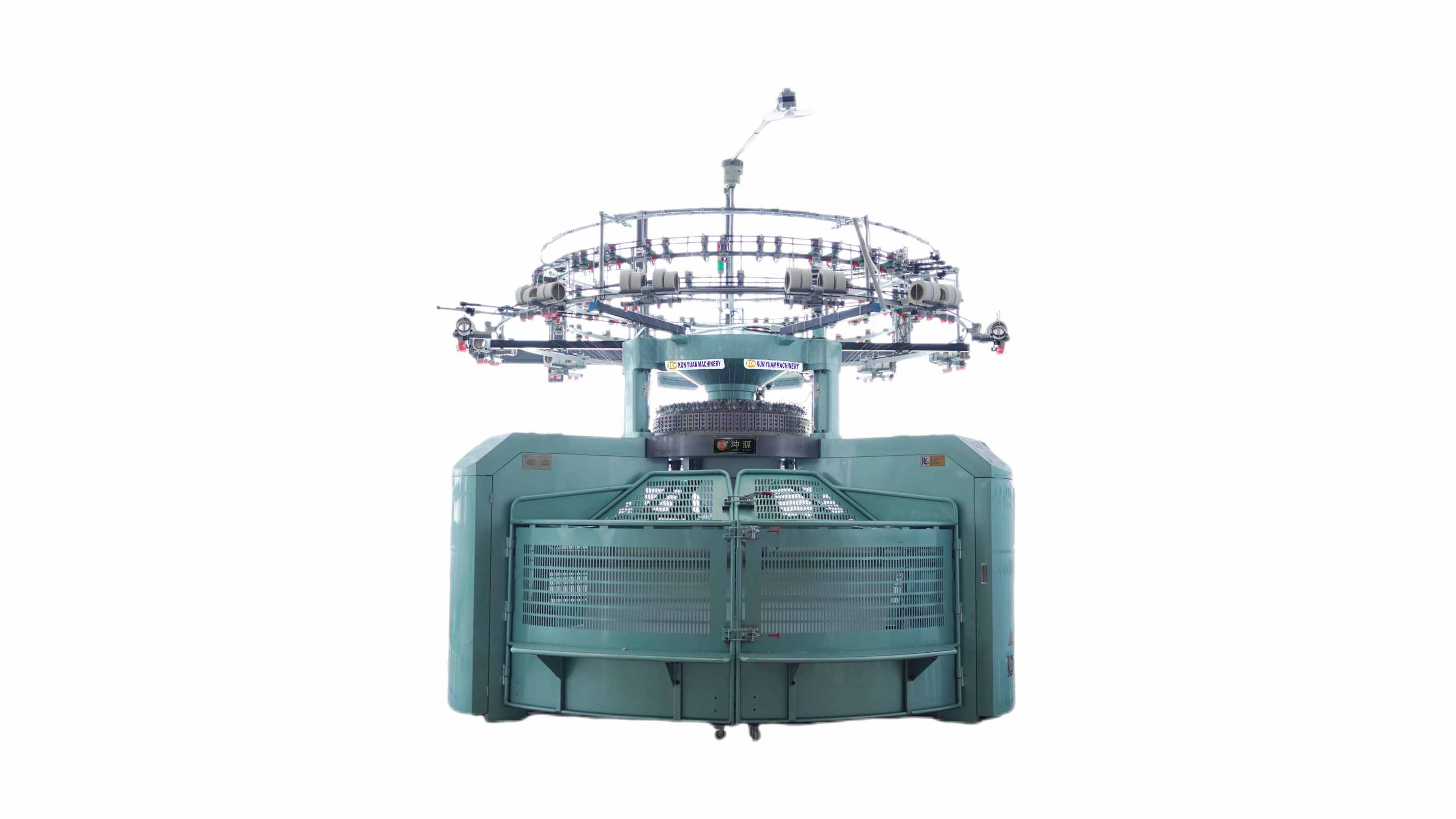
Ask the supplier to identify the exact double-knit architecture proposed for the reference. Record cylinder and dial arrangement, cam or track basis, diameter, gauge, active feeder basis, yarn delivery, elastomer scope, take-down and any conversion package. Published ranges must stay attached to their model and revision. Do not combine a gauge from one variant, a feed count from another and an option shown only in a separate brochure.
Timing and element relationships affect loop formation, but they are qualified service matters rather than buyer-entered recipes. The quotation should state who sets and verifies them, which build documentation controls the work and what evidence will prove the requested rib. If the same machine is expected to change between rib and another route, list the parts, labor, setup records, first-piece checks and storage needed for the conversion.
Map fabric geometry through ordinary production events.
Stage three: map yarn, events and rib geometry during a representative greige run
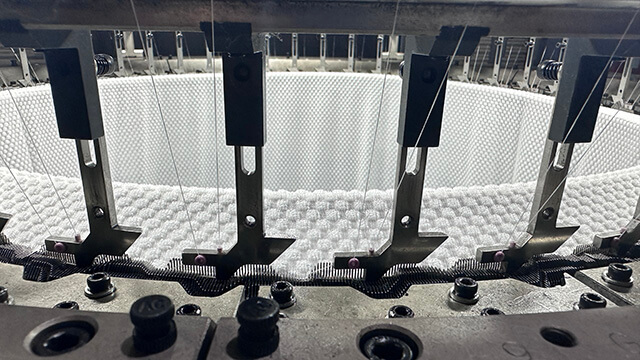
Label every yarn lot and package duty, including ground, plating or elastomer roles. Run enough material to pass warm-up and include a stable interval, package change, planned stop and restart. Mark each event on the roll. Inspect both fabric faces and the complete circumference for needle lines, barre, uneven ribs, holes, plating faults, elastomer show-through and local take-down distortion.
Measure weight, width, course and wale behavior using the agreed method, then retain samples from stable and disturbed positions. If a defect appears, preserve its geometry before a qualified technician follows the model-specific procedure. Compare one authorized factor at a time and record the predicted fabric response. A corrected center swatch does not close a recurring circumference fault or an unexplained event after restart.
Judge the route after conditioning and a repeat setup.
Stage four: compare finished recovery, saleable yield and changeover repeatability
Send identified roll sections through the intended finish. Recheck dimensions, weight, appearance, hand and the product-specific extension or recovery requirement. Reconcile gross fabric, held zones, finishing loss and accepted quantity. A setting that raises greige output but weakens edge recovery or increases rejected area is not a better commercial window.
Save the approved build, yarn map, job or setup records, sample labels and disposition sheet. After a normal structure change, ask the receiving team to return to the rib job and release first piece from those documents. Record the time, replacement parts and checks needed. The application passes when finished performance and accepted yield repeat without a supplier-only correction.
Rib application process-control table
Process stage
Controlled input
Evidence created
Hold trigger
Product brief
Rib duty, yarn and finish
Reference plus test method
Generic rib description
Architecture
Exact model, beds and conversion scope
Configuration schedule
Mixed catalogue values
Greige trial
Buyer yarn, events and observation plan
Marked two-face samples
Selected clean swatch only
Finished release
Conditioning, yield and return setup
Accepted fabric and repeat record
Recovery or repeat failure
Rib structure and machine-selection questions
Does one rib machine produce every rib structure?
No. Bed arrangement, tracks, gauge, feeds, options, yarn and conversion scope differ by model and build.
Why specify the finished test before the machine trial?
Relaxation and finishing can change dimensions, appearance and recovery, so greige appearance alone is incomplete evidence.
Should a buyer adjust dial timing during evaluation?
No generic value should be used. Qualified personnel must follow the exact manufacturer's controlled service procedure.
What does a representative rib run include?
It covers warm-up, stable production, normal yarn events, a stop and restart, full-circumference inspection and labelled samples.
When is a rib conversion proven?
When the documented parts and setup return to acceptable finished fabric after a normal changeover with time and loss recorded.
05
Conclusion
Rib selection is strongest as a process route rather than a model-name exercise. Define the fabric duty, freeze one coherent architecture, observe commercial yarn through ordinary events and close the route after finishing. That sequence reveals both the machine boundary and the accepted output that matters to the mill.






 Tel: +86-13859034518
 Email: info@kunyuanmachine.com
 MP/WhatsApp: +86-13859034518
 Manufacturer Address:Bacuo Village, Yonghe Town, Jinjiang City, Fujian Province