Hot Keyword:
YOUR POSITION:HOME > Blog >

Interlock Circular Knitting Machine Applications: Fabrics and Setup Limits

Author:KUNYUAN Machine Manufacturer TIME:2026-08-20

Mill decision brief

A useful Interlock Circular Knitting Machine decision starts with the fabric and acceptance method. For Interlock Circular Knitting Machine Applications: Fabrics and Setup Limits, define the output, freeze the offered configuration, run representative yarn, and retain measured results before comparing price or headline speed.

Best fitFor Interlock Circular Knitting Machine Applications: Fabrics and Setup Limits: rib, interlock and other double-knit structures requiring cylinder-and-dial alignment
Proof to requestFor this Interlock Circular Knitting Machine Applications: Fabrics and Setup Limits review: approved fabric showing dimensional stability, loop definition and repeatable roll quality
Risk to controlWithin Interlock Circular Knitting Machine Applications: Fabrics and Setup Limits: treating two double-knit machines as equivalent without checking timing range and conversion scope

Practical operating points

Interlock knitting machines are a revolutionary technological advancement in the textile industry. These machines work by using two sets of needles, creating a fabric with a double-faced jersey structure. The versatility and efficiency of interlock knitting machines have led to their widespread adoption across various applications. In this article, we will explore the numerous applications of an interlock knitting machine and the benefits they bring to the industry.

Turn the article topic into a mill specification

The useful starting point for Interlock Circular Knitting Machine Applications: Fabrics and Setup Limits is a fabric brief, not a machine label. Define rib, interlock and other double-knit structures requiring cylinder-and-dial alignment, the yarn count and material, finished width or garment size, fabric weight, finishing route, quality limits and planned shift pattern. Those inputs tell the supplier what the Interlock Circular Knitting Machine must actually reproduce.

For Interlock Circular Knitting Machine Applications: Fabrics and Setup Limits, the quotation should state how cylinder needles, dial needles, cam timing, yarn feeds and take-down synchronization will be configured. Ask the supplier to mark standard items, paid options and items supplied by the mill in this specific offer. That discipline prevents the article's technically attractive headline from hiding different delivery boundaries.

  • Utilities, floor loading, access and lifting route
  • Service package covering dial and cylinder alignment support, matching needles, cams, bearings and setup records
  • Signed sample, inspection record and corrective-action owner
  • Approved fabric or garment target for the Interlock Circular Knitting Machine
  • Machine configuration covering cylinder needles, dial needles, cam timing, yarn feeds and take-down synchronization
  • Recorded operating window for dial height, needle timing, stitch length, yarn tension and fabric take-down

Plan installation, training and production handover

Before shipment under Interlock Circular Knitting Machine Applications: Fabrics and Setup Limits, confirm floor position, access, electrical supply, compressed air where required, ventilation, lifting method and safe maintenance space. The installation drawing for this Interlock Circular Knitting Machine should match the final machine configuration. Mark its dismantled parts and photograph connections so that the receiving team can rebuild the machine without guesswork.

Handover for Interlock Circular Knitting Machine Applications: Fabrics and Setup Limits should cover startup, normal stop, emergency stop, yarn threading, changeover, cleaning, lubrication, defect response and backup of settings. Operators receiving this article's configuration should run the accepted style while the trainer observes. Close its handover only after open items have an owner and date.

Write the fabric briefState the yarn, construction, finished width or size, weight target, finishing route and acceptable defect level for the Interlock Circular Knitting Machine. This step anchors the installation decision to observable evidence.
Freeze the offered configurationConnect every quoted subsystem to cylinder needles, dial needles, cam timing, yarn feeds and take-down synchronization; mark options and exclusions before price comparison. This step anchors the installation decision to observable evidence.
Witness a representative trialUse production yarn where practical, record dial height, needle timing, stitch length, yarn tension and fabric take-down, and keep a sample from the accepted run. This step anchors the installation decision to observable evidence.
Close the handover fileCollect approved fabric showing dimensional stability, loop definition and repeatable roll quality, plus training, spare-parts and service contacts before final acceptance. This step anchors the installation decision to observable evidence.

Design a representative factory acceptance trial

The factory acceptance test for Interlock Circular Knitting Machine should use yarn and construction close to normal production. Agree warm-up, observation and sampling periods; log stops, defects and manual interventions; and measure the sample after the relevant relaxation or finishing step. A short demonstration with unfamiliar yarn cannot prove the operating window needed for Interlock Circular Knitting Machine Applications: Fabrics and Setup Limits.

During the Interlock Circular Knitting Machine Applications: Fabrics and Setup Limits trial, inspect how cylinder needles, dial needles, cam timing, yarn feeds and take-down synchronization responds when speed, tension or take-down changes within the agreed range. Do not let this evaluation chase a single maximum-speed result. The buyer of this configuration needs a stable combination of quality, output, operator workload and maintainability.

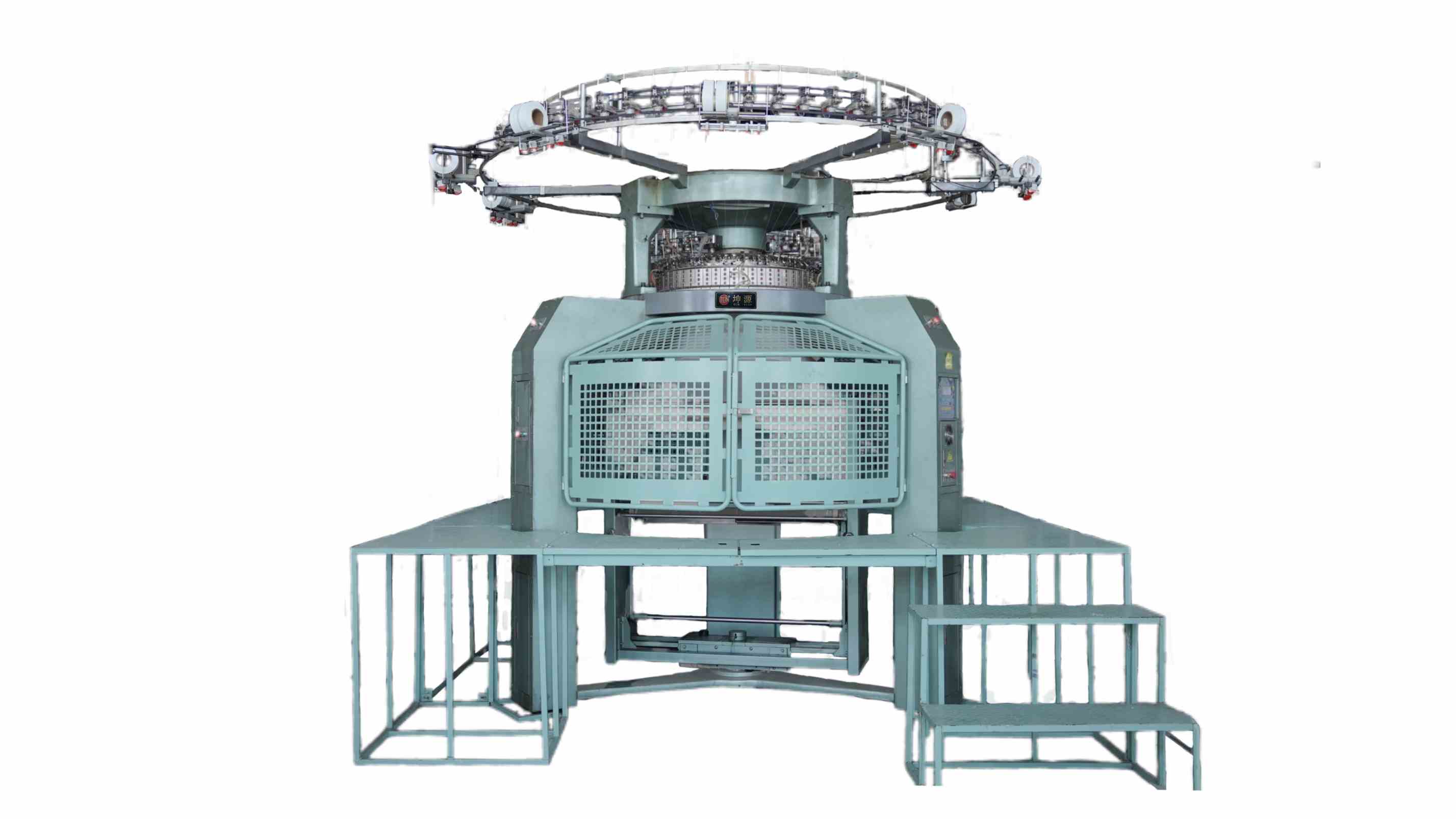
Double jacquard circular knitting machine reference for Interlock Circular Knitting Machine
Double jacquard circular knitting machine — for “Interlock Circular Knitting Machine Applications: Fabrics and Setup Limits,” inspect knitting-area condition, yarn paths and maintainability during supplier review.

Measure fabric quality through the whole route

Quality from a Interlock Circular Knitting Machine is not fully described at the take-down roll. Mark the sample direction and roll position, then check visual defects, weight, width, dimensional response and the effects of dyeing, raising, shearing or heat setting where relevant. The article focus in Interlock Circular Knitting Machine Applications: Fabrics and Setup Limits should therefore connect knitting settings to the customer's saleable fabric.

For Interlock Circular Knitting Machine Applications: Fabrics and Setup Limits, use a defect map to separate random yarn faults from repeating mechanical patterns. Repeating marks in this trial may point to a feeder, needle track, cam, selector or take-down issue; random marks may require yarn or handling checks. Its corrective action is more reliable when the location and machine settings are preserved.

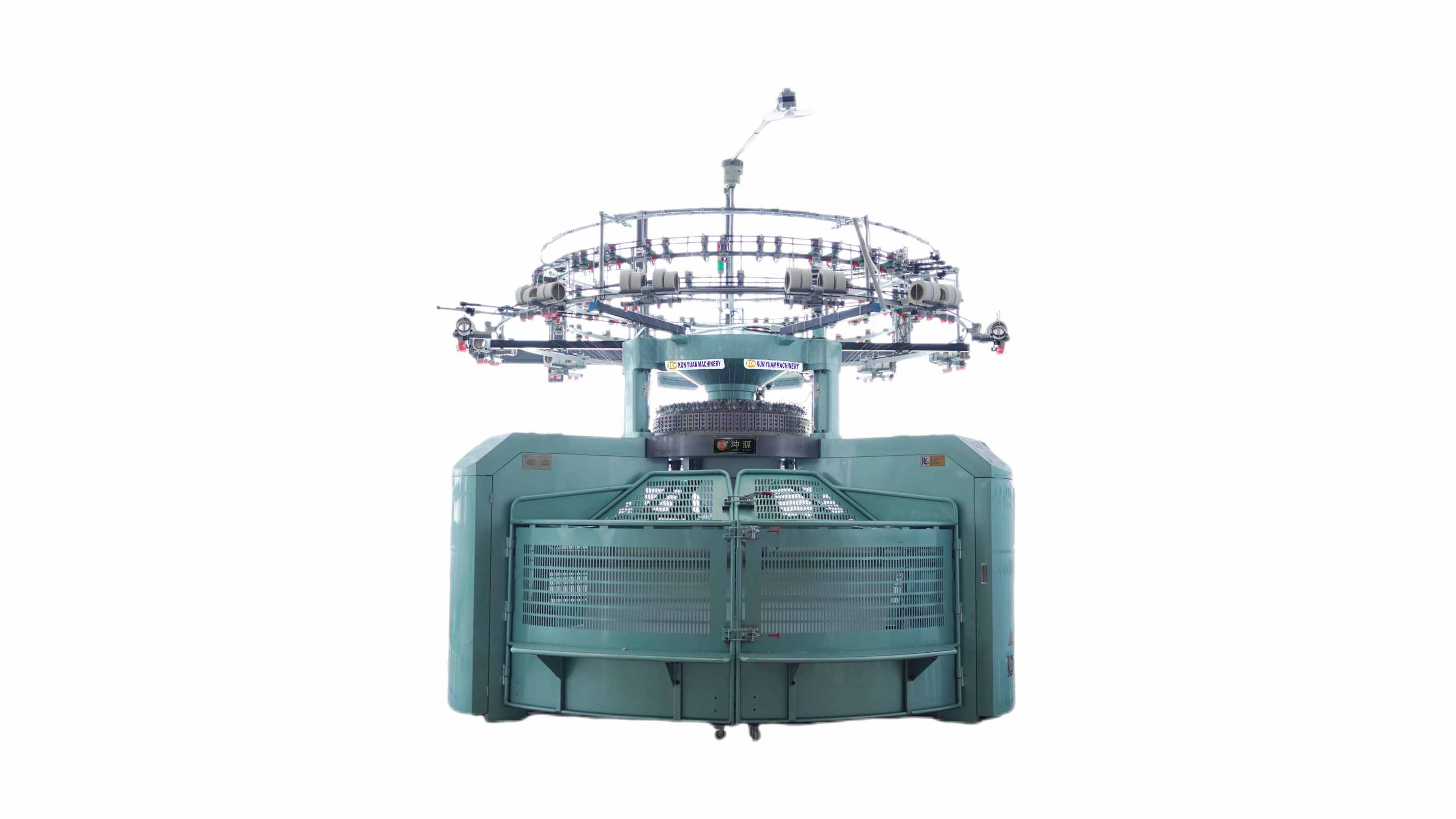
Double-side interchangeable circular knitting machine reference for Interlock Circular Knitting Machine
Double-side interchangeable circular knitting machine — for “Interlock Circular Knitting Machine Applications: Fabrics and Setup Limits,” retain comparable photographs with the sample and acceptance record.

Control the main technical and commercial risks

A recurring risk in Interlock Circular Knitting Machine Applications: Fabrics and Setup Limits is treating two double-knit machines as equivalent without checking timing range and conversion scope. Control it with a configuration freeze before production, a buyer-approved sample and a change log. If the supplier changes a component or setting that affects the fabric, the approval record should show why and whether another trial is required.

Delivered performance for Interlock Circular Knitting Machine Applications: Fabrics and Setup Limits also depends on dial and cylinder alignment support, matching needles, cams, bearings and setup records. Put response times, documentation, training scope and the first recommended spare-parts package into this order. A well-defined support boundary for the article topic is more useful than a broad promise of lifetime service.

Procurement note: Keep the quotation revision, approved drawing, test record, sample label and corrective-action list under one document number. That file becomes the reference if the delivered machine or fabric differs from the agreement.

Evaluate lifetime cost and service readiness

For Interlock Circular Knitting Machine Applications: Fabrics and Setup Limits, lifetime cost includes usable output, changeover loss, energy and air consumption, cleaning time, planned wear parts, unplanned downtime and the cost of fabric rejected after knitting. Ask suppliers in this comparison to explain assumptions and evidence rather than accepting a universal payback period.

The service plan attached to Interlock Circular Knitting Machine Applications: Fabrics and Setup Limits should identify routine inspection points, critical spares, expected lead times, software or controller backups, escalation contacts and the records required for diagnosis. This article turns dial and cylinder alignment support, matching needles, cams, bearings and setup records into an operating process that the mill can audit.

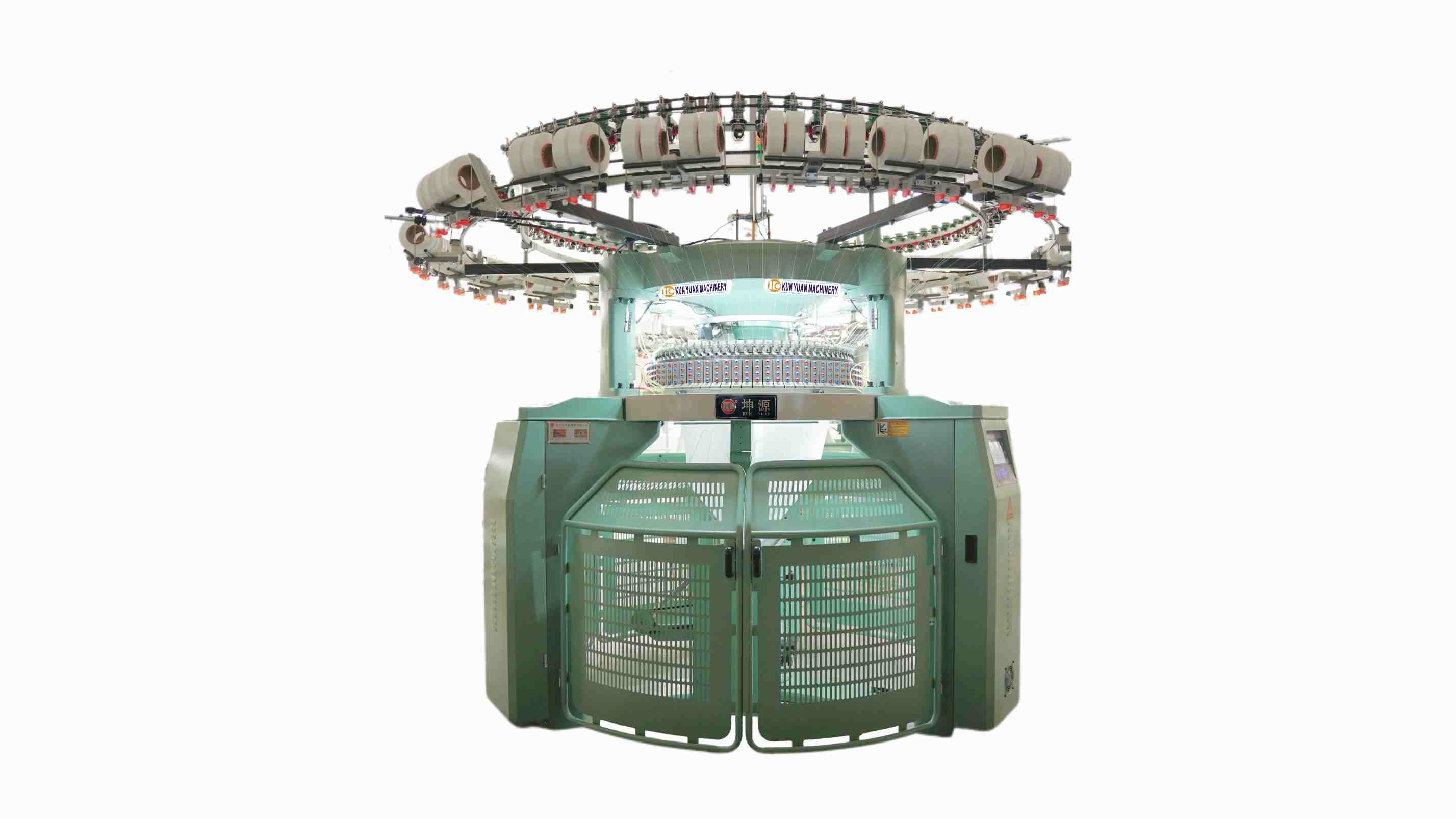
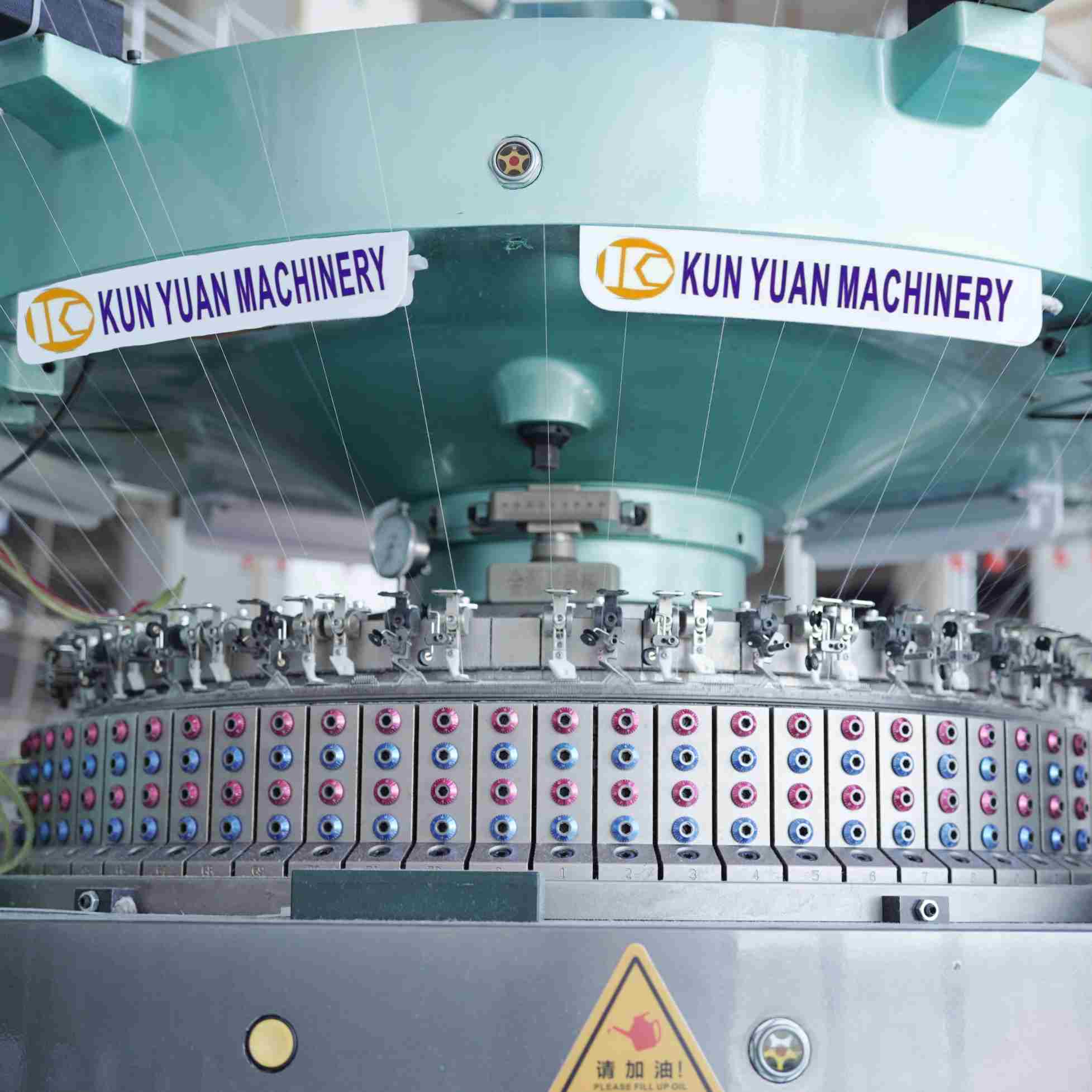
Body-size knitting machine reference reference for Interlock Circular Knitting Machine
Body-size knitting machine reference — for “Interlock Circular Knitting Machine Applications: Fabrics and Setup Limits,” use this image to discuss the physical configuration and access points.

Questions textile buyers should close before ordering

Which details should a Interlock Circular Knitting Machine quotation include?

It should tie the intended fabric to cylinder needles, dial needles, cam timing, yarn feeds and take-down synchronization, list the control and safety package, identify included spares, and separate factory testing, shipment, installation and training. For Interlock Circular Knitting Machine Applications: Fabrics and Setup Limits, an option is useful only when its acceptance method is also written down.

How should a textile mill validate Interlock Circular Knitting Machine output?

For Interlock Circular Knitting Machine Applications: Fabrics and Setup Limits, run the agreed yarn and construction long enough to evaluate stable production, not only the first clean metres. Record dial height, needle timing, stitch length, yarn tension and fabric take-down; label this article's accepted sample and connect deviations to corrective actions.

What most often changes the delivered cost of a Interlock Circular Knitting Machine?

For Interlock Circular Knitting Machine Applications: Fabrics and Setup Limits, diameter or working size, gauge, feeder and selection configuration, controls, accessories, spare parts, packing, commissioning and training all change scope. Compare the suppliers answering this article on the same written boundary instead of comparing one headline machine price.

When should a buyer stop the installation review and ask for clarification?

In Interlock Circular Knitting Machine Applications: Fabrics and Setup Limits, stop when the configuration is incomplete, the test yarn differs materially from the planned yarn, safety or utility requirements are missing, or the supplier cannot trace the offered machine to drawings and acceptance records. That article-specific pause is cheaper than correcting an ambiguous order after shipment.

Build the quotation around your fabric

For “Interlock Circular Knitting Machine Applications: Fabrics and Setup Limits,” send Kunyuan the yarn, fabric construction, finished width or size, target weight, finishing route and expected operating schedule. The engineering team can use this article brief to discuss a relevant configuration and test plan.

Explore the rib and double jersey machine range
Need Help?
Please leave your contact information to get our latest catalog
Get In Touch Now >
Kunyuan Machinery Manufacturer

Tel: +86-13859034518

Email: info@kunyuanmachine.com

MP/WhatsApp: +86-13859034518

Manufacturer Address:Bacuo Village, Yonghe Town, Jinjiang City, Fujian Province

NEW KEYWORD

About Us

Products

Information