Choose auto striping from the repeat, yarn plan and finished use rather than from color count alone
Two products can use the same palette yet create very different demands when stripe depth, repeat frequency, yarn behavior, surface standard and order size are placed on one production route.
Create a one-page field brief for each stripe family. Include the product or fabric use, structure, technical face, yarns and lots, stripe order, course depth, repeat alignment, reverse-side limit, finished width and weight basis, finishing route and order profile. Attach the approved artwork but keep the machine file as a separately controlled revision. This separation lets the team evaluate design intent without assuming that a file proves physical capability.
Fukuhara and Unitex publish dedicated computerized striper machine families, showing that automatic color presentation is an established circular-knitting category. Their pages also distinguish machine types and configurations. Use those official portfolios to screen possible routes, then ask the supplier to name the exact delivered striper system, knitting arrangement, available color sequence and acceptance trial. The applications below are decision briefs, not claims that one configuration makes every listed fabric.
Short and frequent stripe changes test transition control
A design with frequent changes should be described by its shortest band, color order and repeat length rather than a general statement such as fine stripes. Knit a diagnostic repeat that includes the closest commercial transitions and inspect the full circumference. Check course alignment, local density, tails, yarn carry and any line that appears when demand moves from one color to another.
Use production packages and include a restart close to a transition. A short development cone or uninterrupted demonstration can hide behavior that appears after ordinary handling. Retain face and reverse samples with program revision, yarn lots and machine direction. Release the application only when the transition standard is written clearly enough for quality staff to judge another roll the same way.
Long color intervals test storage, return and shade discipline
Broad bands reduce change frequency but leave some yarns unused for longer intervals. The brief should identify the longest time or course interval before each color returns and the accepted condition at re-entry. Observe yarn storage and path behavior using the installed equipment; do not infer a universal limit from another model or yarn. Contrast shades can make a loose tail or contaminated transition especially visible.
Compare the first courses after return with the established band under fixed lighting. Record package identity and shade lot so a color mismatch is not attributed automatically to the striper. If finishing changes shade, gloss or width, carry the marked transition through that route. The commercial evidence is the finished band sequence, not merely the presence of every color in greige fabric.
Texture, plating and reverse-side requirements narrow the usable route
When stripes share the design with texture, plating, elastomer or another yarn role, map which installed knitting actions create the structure and which striper event changes color. The controller cannot add mechanical actions that the offered bed, cams or selection system do not provide. A color-correct face is incomplete evidence if the reverse contains unacceptable floats, exposed yarn or unstable plating.
Use the boundary yarn and the busiest structural transition for the trial. Mark any simultaneous program, yarn-feed or take-down change so the result can be interpreted later. Test the stated finishing route because relaxation, dyeing or heat can change registration and surface contrast. Treat every structure outside the demonstrated sample as an open item rather than extending approval from color control alone.
Sample-heavy and short-order work must include changeover loss
For frequent style or color changes, measure the complete job transition: locate the approved file, verify yarn lots, unload and reload packages, clean and inspect the striper path, thread, sample and release the first piece. Separate planned setup time from correction time. This shows whether the bottleneck is digital preparation, yarn handling, machine condition or quality approval.
Run a representative sequence rather than one isolated design. The receiving shift should reproduce an earlier style from its saved package and compare the new sample with the retained approval. Count rejected startup fabric and manual interventions alongside accepted output. Automation has commercial value when the documented order mix becomes easier to repeat, not simply when a color can be changed from the panel.
Match each application brief to the exact delivered striper arrangement.Inspect narrow, broad and structured transitions on both fabric faces.Count yarn handling and first-piece approval in short-order performance.
Auto-striper application selector
Application field
Boundary demand
Evidence sample
Do not infer
Frequent narrow bands
Closest color transitions
Full-circumference face and reverse
Precision from screen preview
Broad bands
Longest color-return interval
Marked return after normal running
Storage behavior from color count
Structured stripes
Color plus knitting action
Finished both-face structure
Mechanical scope from controller name
Short-order mix
Repeated job changeovers
Time, waste and reloaded sample
Profitability from cycle time alone
Auto-striper application questions
Which stripe should be tested first?
Choose the commercial repeat with the hardest transition, longest yarn-return interval or most demanding combined structure.
Does more available color capacity always improve an application?
No. The design, yarn plan, changeover work, reverse-side quality and exact installed configuration determine useful value.
Why run broad and narrow stripes separately?
They challenge different conditions: frequent transitions versus yarn return after a longer idle interval.
Can the machine file replace artwork approval?
No. Keep customer artwork, technical repeat and machine-ready program as linked but separately controlled files.
How should short-order performance be measured?
Include setup, first-piece loss, approval time, accepted output and the ability of another shift to reload the job.
Conclusion
Auto-striper applications should be released by field, not by a broad versatility claim. Frequent changes, broad bands, structured color effects and short-order work each need their own boundary sample and operating record. This method connects design value to the delivered machine while keeping unsupported applications visible as open work.
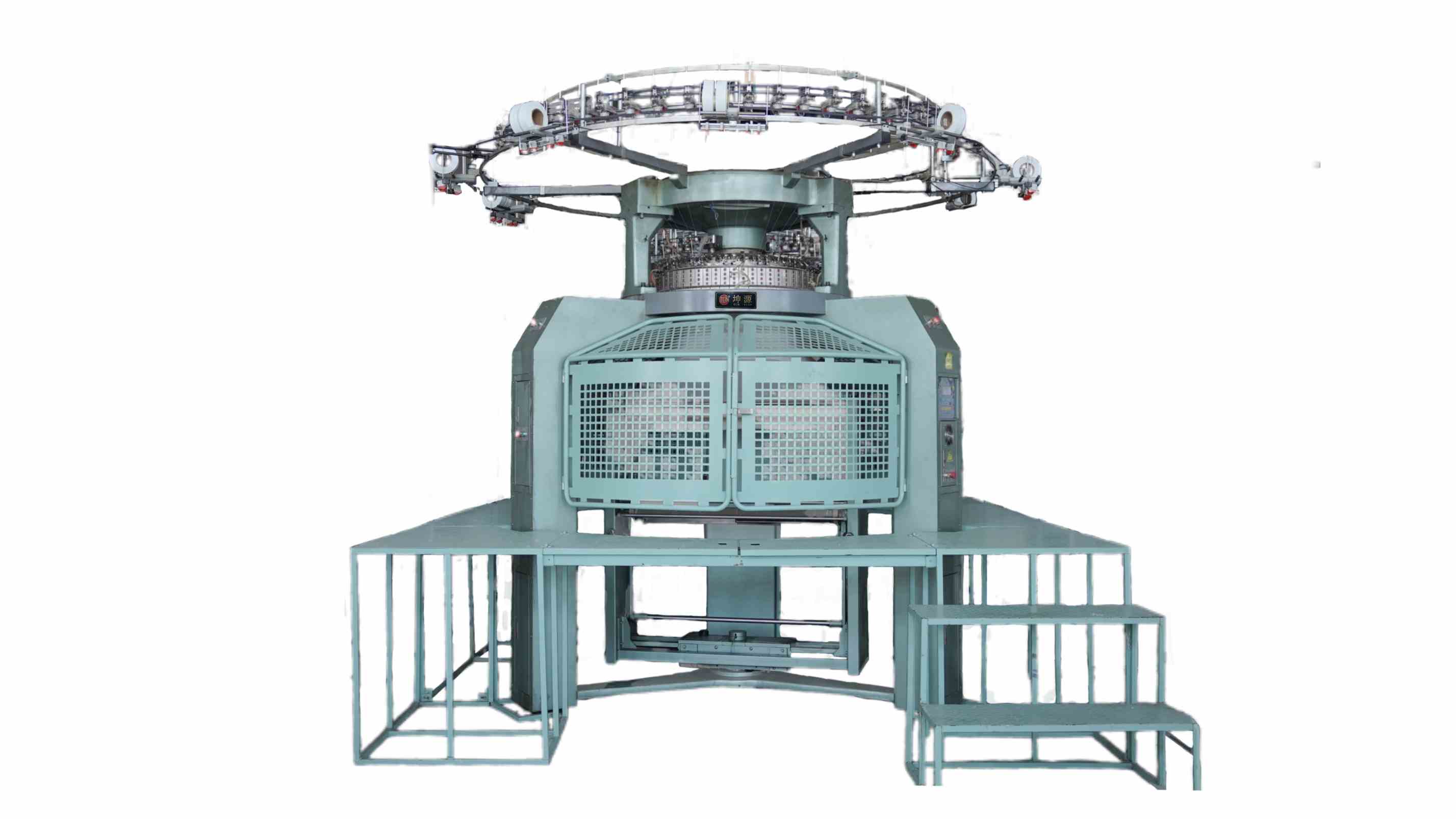
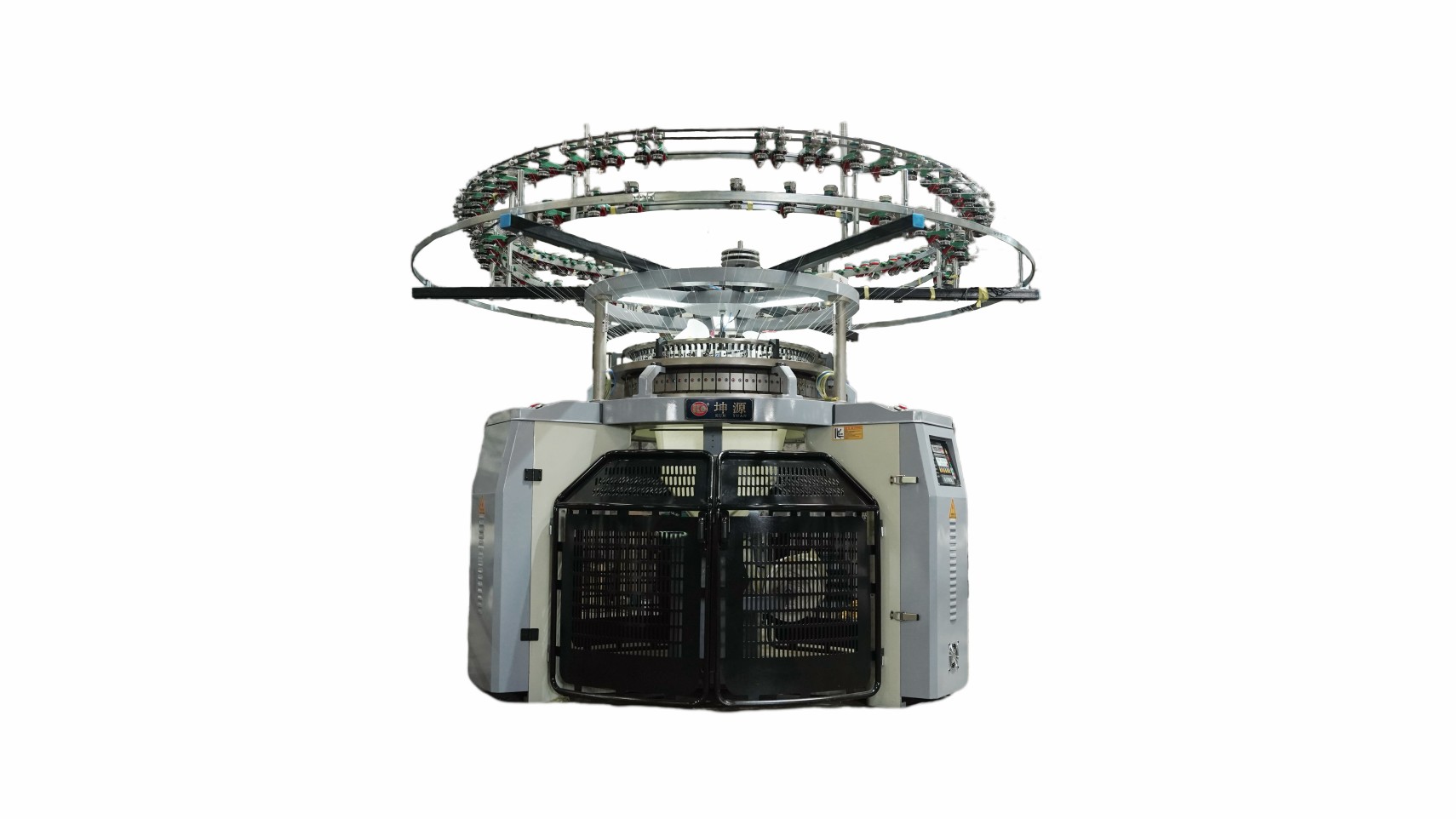
Use this application selector when comparing the industrial circular knitting machine range and attach one finished boundary repeat, yarn map and changeover record to every stripe family included in the offer.




 Tel: +86-13859034518
 Email: info@kunyuanmachine.com
 MP/WhatsApp: +86-13859034518
 Manufacturer Address:Bacuo Village, Yonghe Town, Jinjiang City, Fujian Province