Select the needle as part of a loop-forming system, not by appearance
Needle type, gauge, mating parts, yarn and fabric structure meet at every loop. A visually similar replacement can fit poorly, alter fabric or fail early when model identity and system relationships are missing.
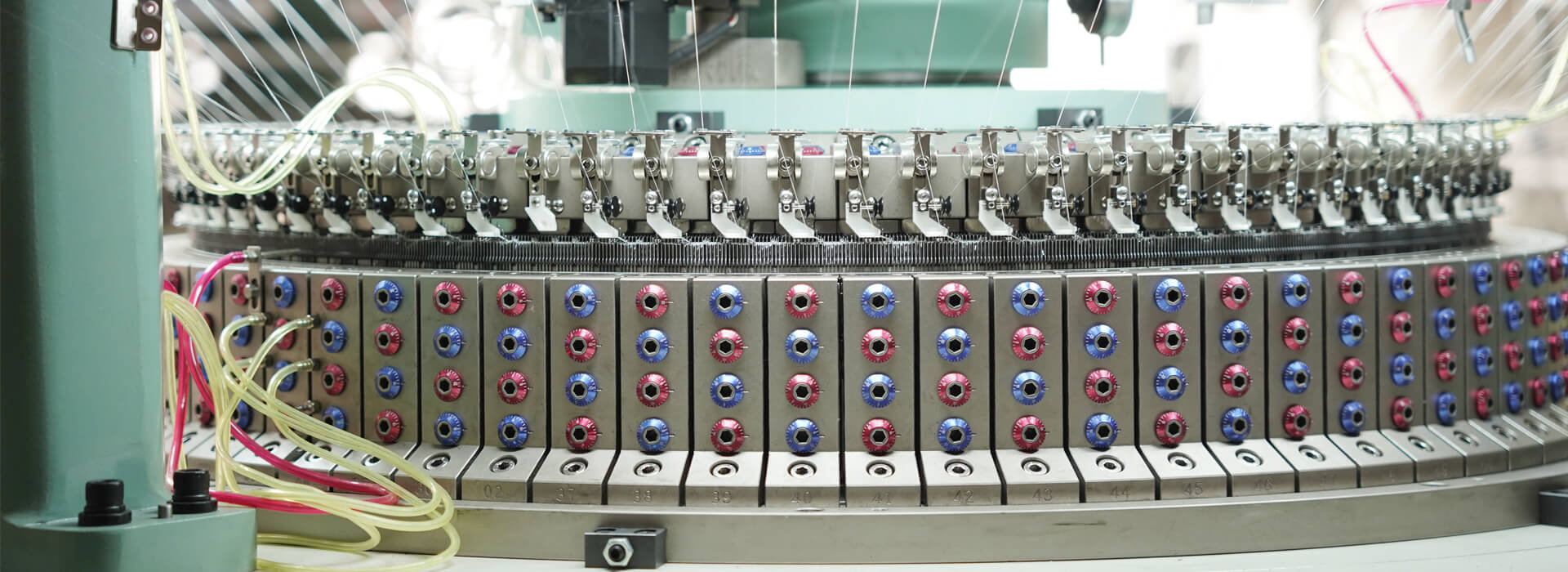
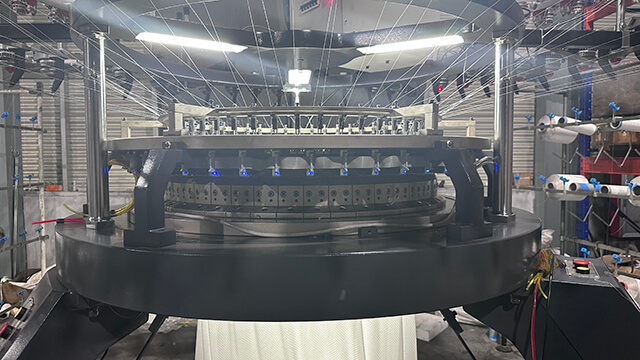
Groz-Beckert describes circular knitting with needles and coordinated system parts, distinguishing large-diameter, double-jersey and seamless body-size arrangements. Its product portal asks for machine builder, model and gauge before listing suitable elements. That sequence is a useful procurement boundary: the needle reference follows the exact machine and application rather than a generic gauge label.
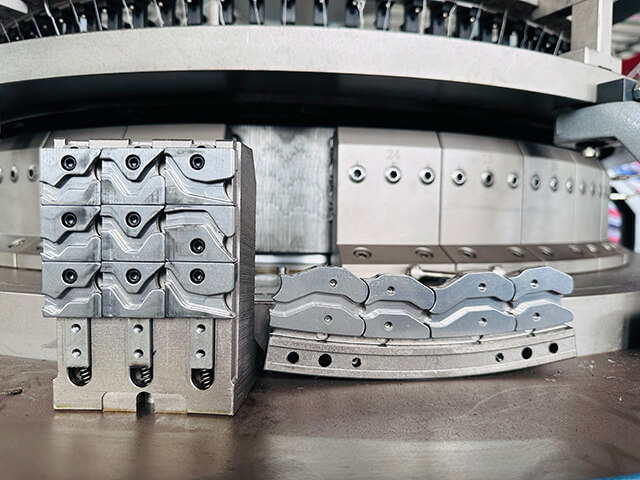
Build a controlled needle record from manufacturer designation, drawing or catalog revision, machine model, cylinder or dial position, gauge convention, hook and latch form where documented, mating elements, yarn range and target fabric. Do not infer metallurgy, coating, tolerance, lifetime or compatibility from photographs. Supplier confirmation and a controlled fabric trial decide every unverified combination.
01
Parameter map one: identify the needle and every mating position
Record the complete part designation and source, package or batch identity, machine builder and model, build revision, cylinder or dial duty, trick or position convention and associated sinker, jack or other system part. Photograph labels and retain one unused reference. If an old package uses superseded naming, request a written cross-reference rather than shortening the code to a familiar fragment.
Check that mixed batches or substituted elements do not enter one bed unnoticed. A replacement may share length or gauge while differing in working geometry or intended system. Preserve removed elements by position when investigating a fabric line or repeated break. The identity map should let another technician locate which physical element knitted a marked wale.
02
Parameter map two: connect gauge, yarn condition and loop duty
Use the machine manufacturer's gauge definition and supported element set. Add commercial yarn material, count or linear density, twist or filament form, finish, lot and known abrasive or irregular features. State the structure and yarn duty at the needle, including plating, elastomer or effect-yarn conditions where applicable. A broad yarn-gauge chart can guide questions but cannot authorize a specific needle or setting.
Run representative packages and watch the evidence permitted by the operating procedure: yarn events, loop appearance, damaged filaments, dropped areas, needle-related stops and fabric cover. Keep machine speed and settings conditional on the exact documented trial. If the yarn or structure changes, open a new line in the parameter notebook rather than extending the previous approval automatically.
03
Parameter map three: use fabric coordinates to separate needle and process hypotheses
Mark machine direction, technical face, roll length and complete circumference. A fixed vertical line or recurrent wale defect can direct inspection to a position, but it does not prove the needle is the sole cause. Compare neighboring elements, yarn path, contamination, cylinder or dial condition and associated parts under the qualified maintenance procedure. For holes or dropped loops, include event history and later handling.
Retain the pre-change sample, removed element and first fabric after authorized replacement. Inspect enough length to cover warm-up, the former repeat and an ordinary stop or package event. Carry a matched section through the finish when appearance changes downstream. The parameter map closes only when the original geometry is absent without a new defect.
Parameter notebook four: trend wear by duty instead of promising a universal life
Log installation date, operating exposure available from the mill, style and yarn families, stops, replacements, break positions and observed wear descriptions. Separate isolated damage from repeated position or batch patterns. Surface, hook, latch and shank observations should use supplier or laboratory terminology where available; this article does not set discard dimensions or inspection procedures.
Review whether wear clusters with a yarn lot, structure, lubrication issue, machine position, maintenance event or handling practice. Confirm replacement parts through the exact model record and keep critical stock by traceable designation. After a planned batch change, mark the restart fabric and compare stop frequency and accepted yield. Update the interval only from controlled evidence and manufacturer guidance.
Use complete element identity before comparing geometry.
Let fabric position guide a system-level investigation.Trend wear by application duty and verify every replacement in fabric.
Circular knitting needle application questions
Can two needles that look alike be interchangeable?
No. Confirm the complete designation, machine model, gauge, bed duty and mating system with controlled documentation.
Does gauge alone select the yarn and needle?
No. Machine convention, structure, yarn properties, element geometry and trial fabric all matter.
Is every vertical line a damaged needle?
No. Position evidence can guide inspection, but yarn path, contamination and other system parts must remain in the comparison.
How should a replacement be verified?
Retain the removed element, mark the roll transition and inspect enough commercial yarn through normal events and finishing.
What determines needle life?
The exact element, machine, yarn, structure, operating exposure, lubrication and maintenance history must be trended; there is no universal value.
Conclusion
Circular knitting needles are application-specific system parts. Full identity determines where an element belongs, gauge and yarn evidence define the loop duty, fabric coordinates test a diagnosis, and the wear notebook controls replacement. That chain is more reliable than choosing by appearance, copying a broad chart or promising the same service life across unrelated machines.
Use this parameter notebook when reviewing circular knitting machine needle range and require the complete model reference, mating system and marked buyer-yarn restart for every substitution.





 Tel: +86-13859034518
 Email: info@kunyuanmachine.com
 MP/WhatsApp: +86-13859034518
 Manufacturer Address:Bacuo Village, Yonghe Town, Jinjiang City, Fujian Province