The right pile machine is the build whose loop and finishing evidence survives a boundary trial
Selection should preserve what happened from yarn package to finished surface. A service-style log exposes whether a weak result begins in ground support, pile presentation, loop retention, withdrawal or downstream finishing.
Write the target surface before comparing equipment. Identify technical face, ground structure, pile-yarn duty, intended loop or cut state, greige and finished width and weight, surface cover, dimensional method, downstream treatment and allowable defects. Add the most difficult construction expected in production. This prevents approval against a soft showroom swatch made with different yarn or finishing.
Kunyuan's official pages present pile knitting and high-pile cutting routes as distinct references. That separation defines the evidence boundary: knitting must deliver controlled greige architecture, while finishing must create the commercial surface without unacceptable loss. No public page supplies universal settings. Use the exact manual, safe site procedure and marked buyer-yarn trial for configuration or service decisions.
Log entry one: attach a target surface and retained reference to the exact offered build
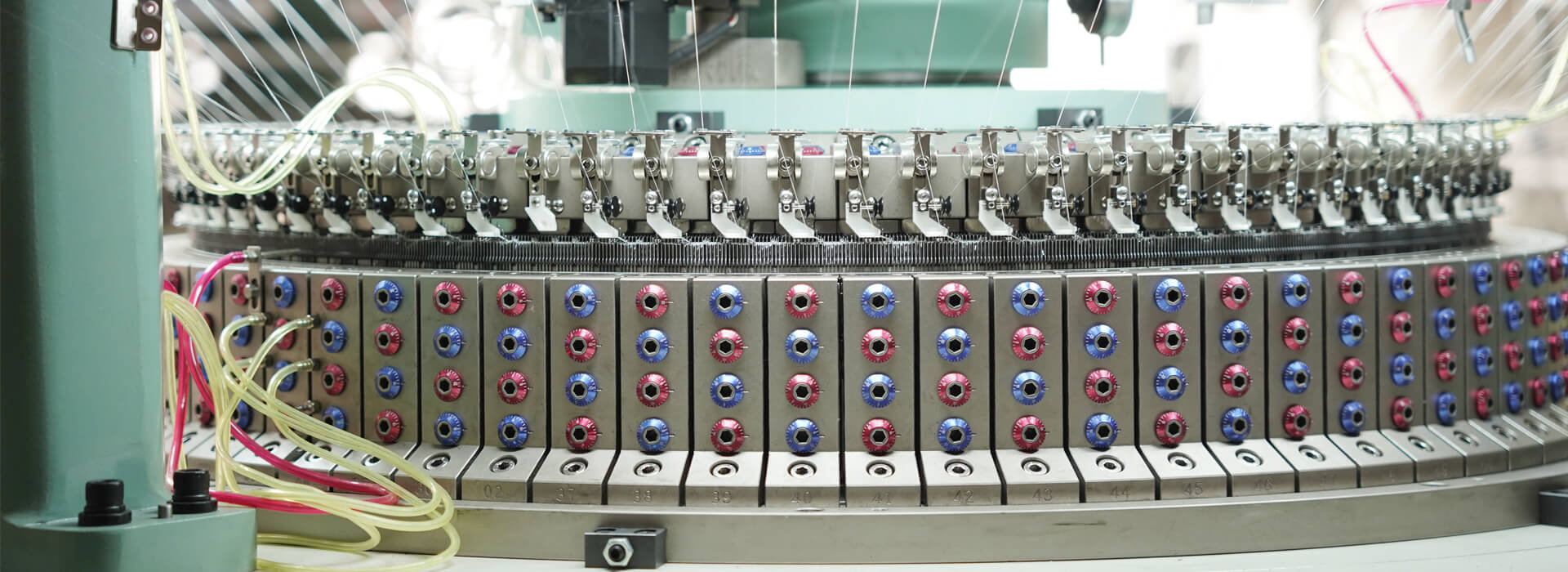
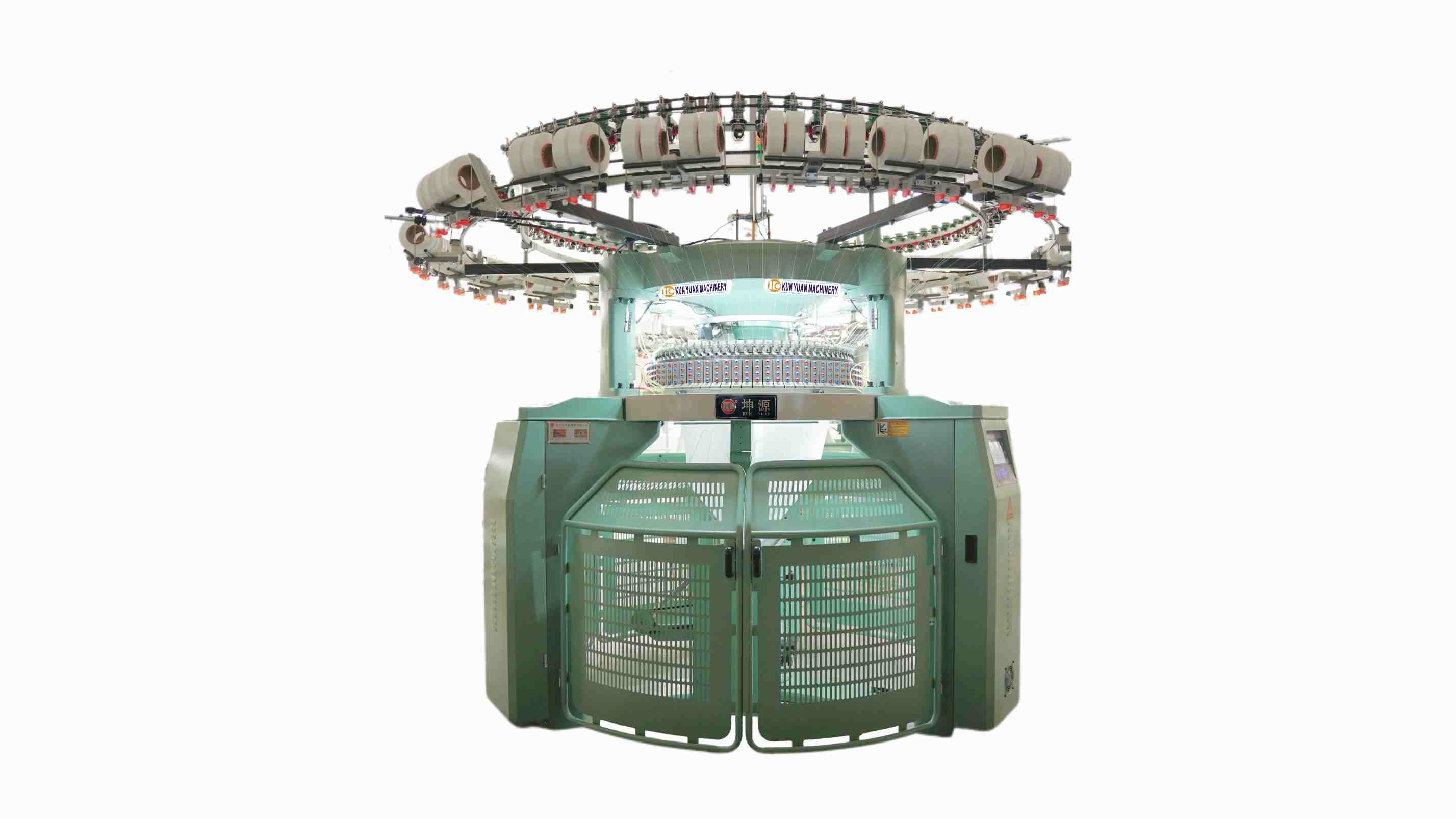
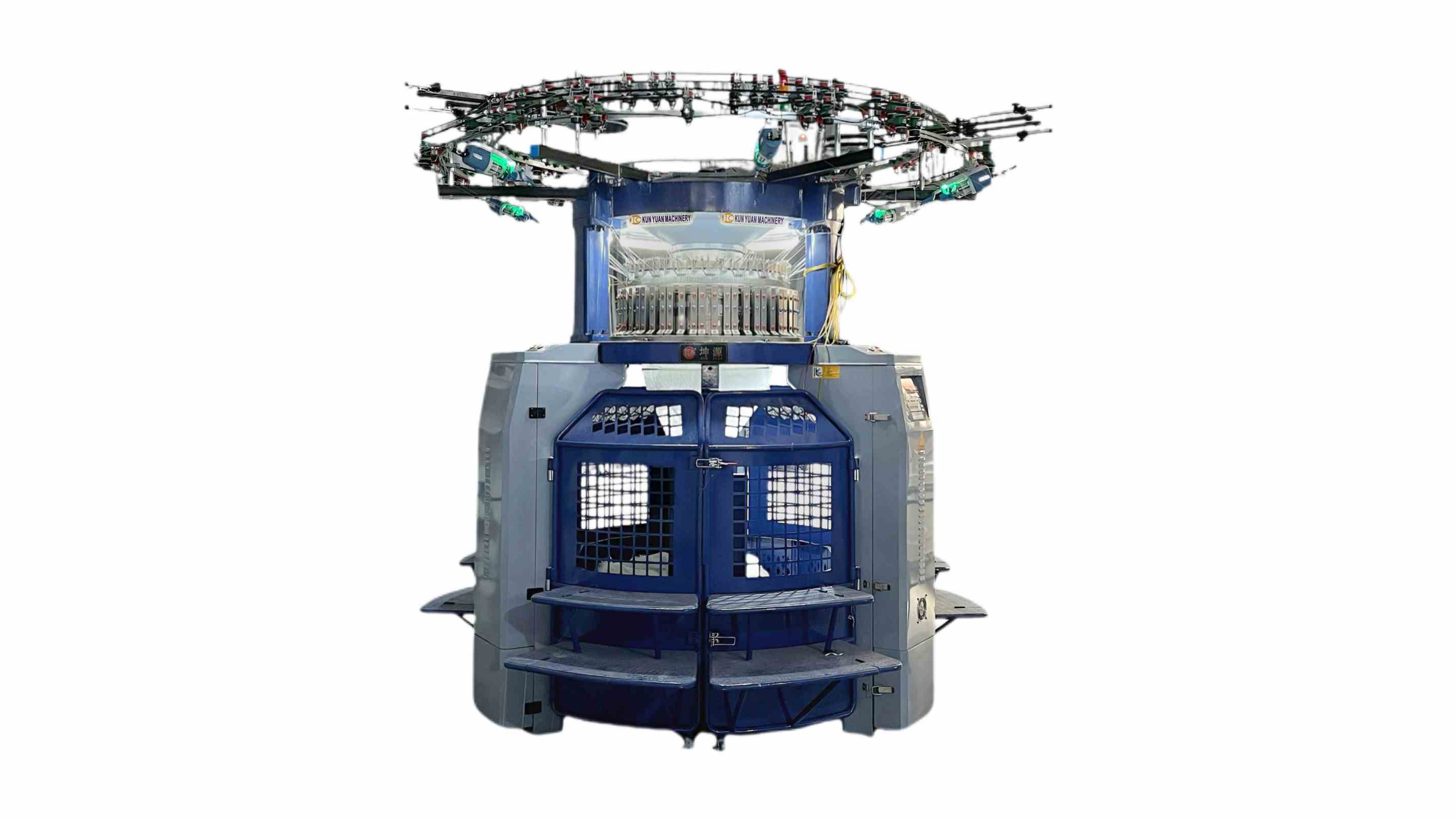
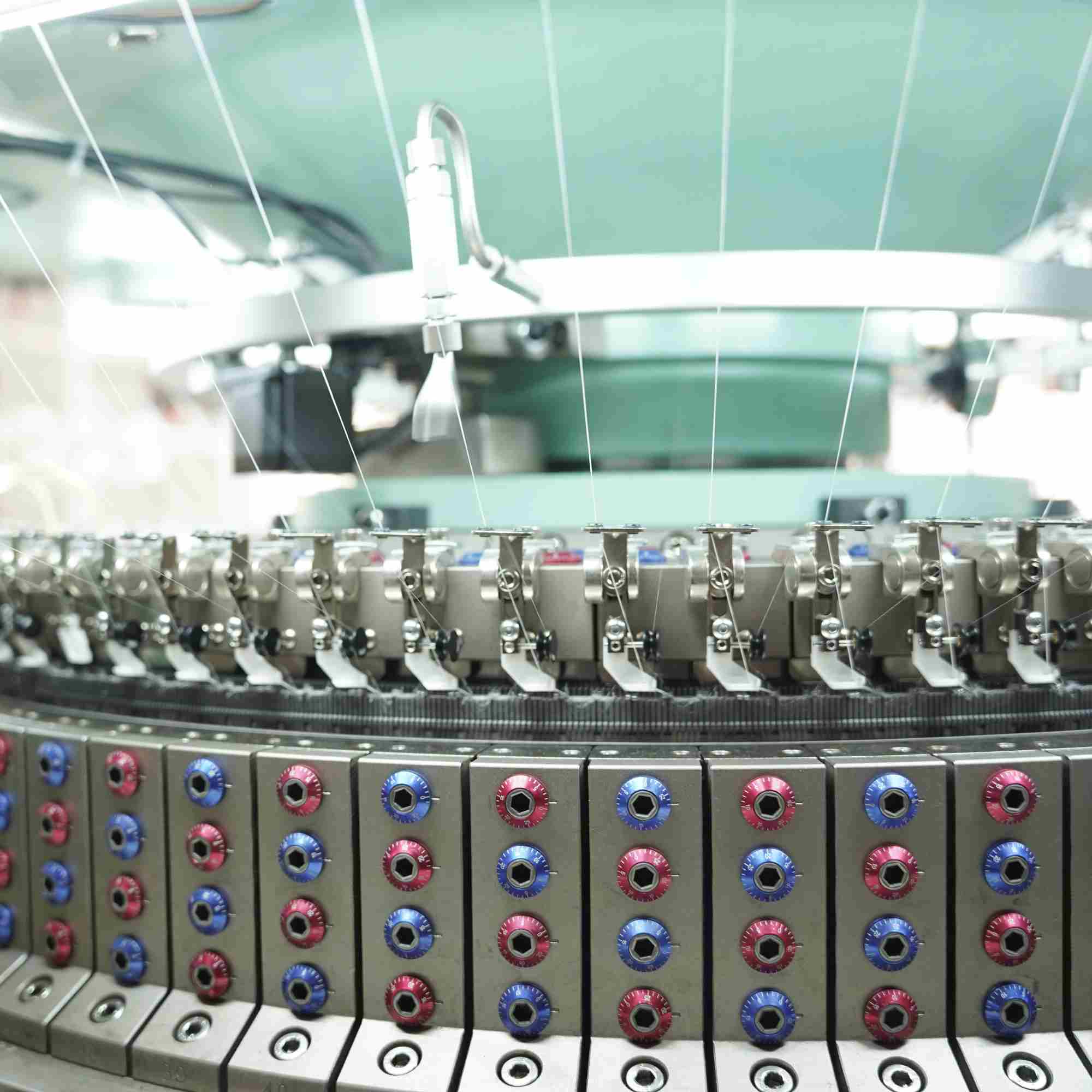
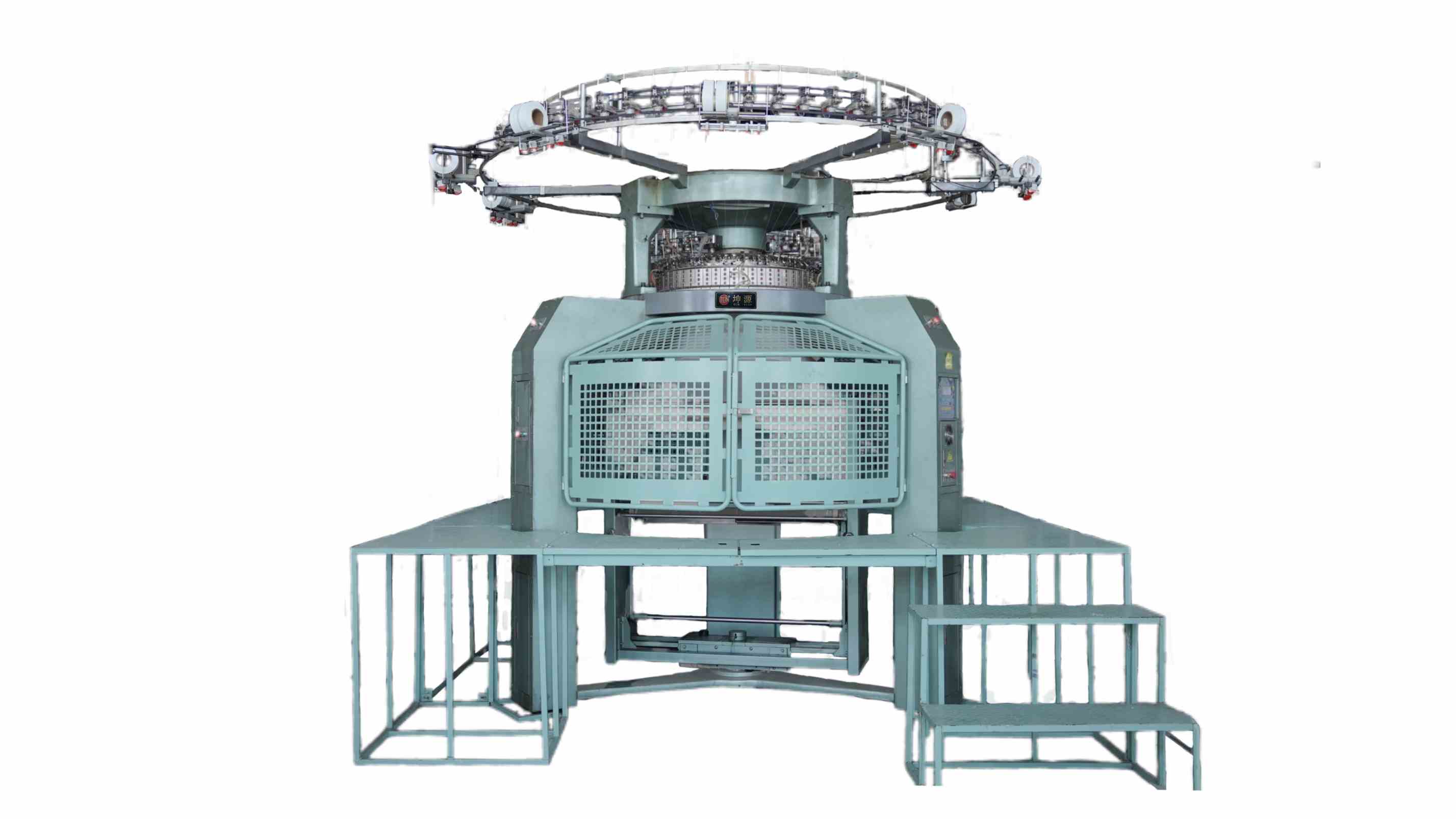
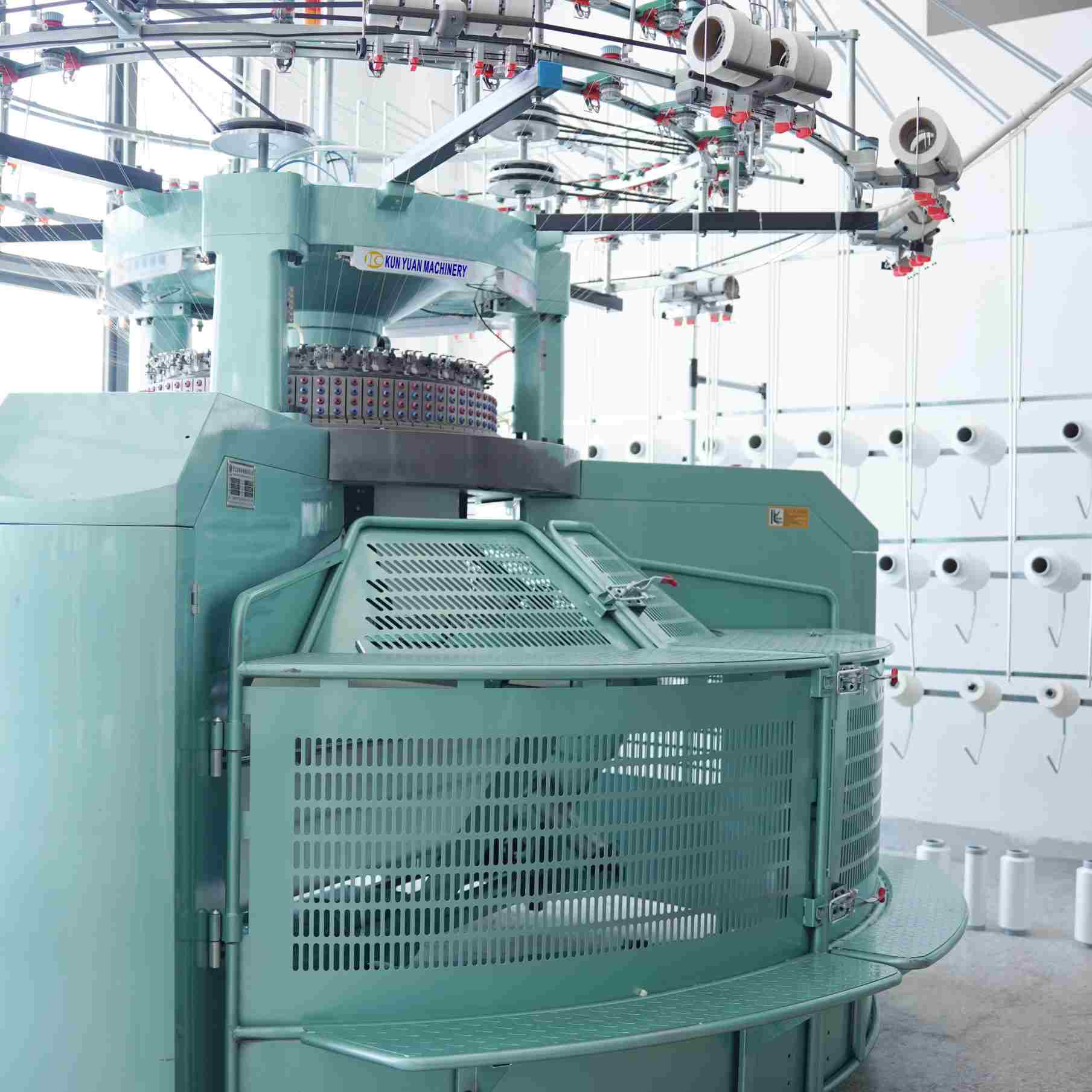
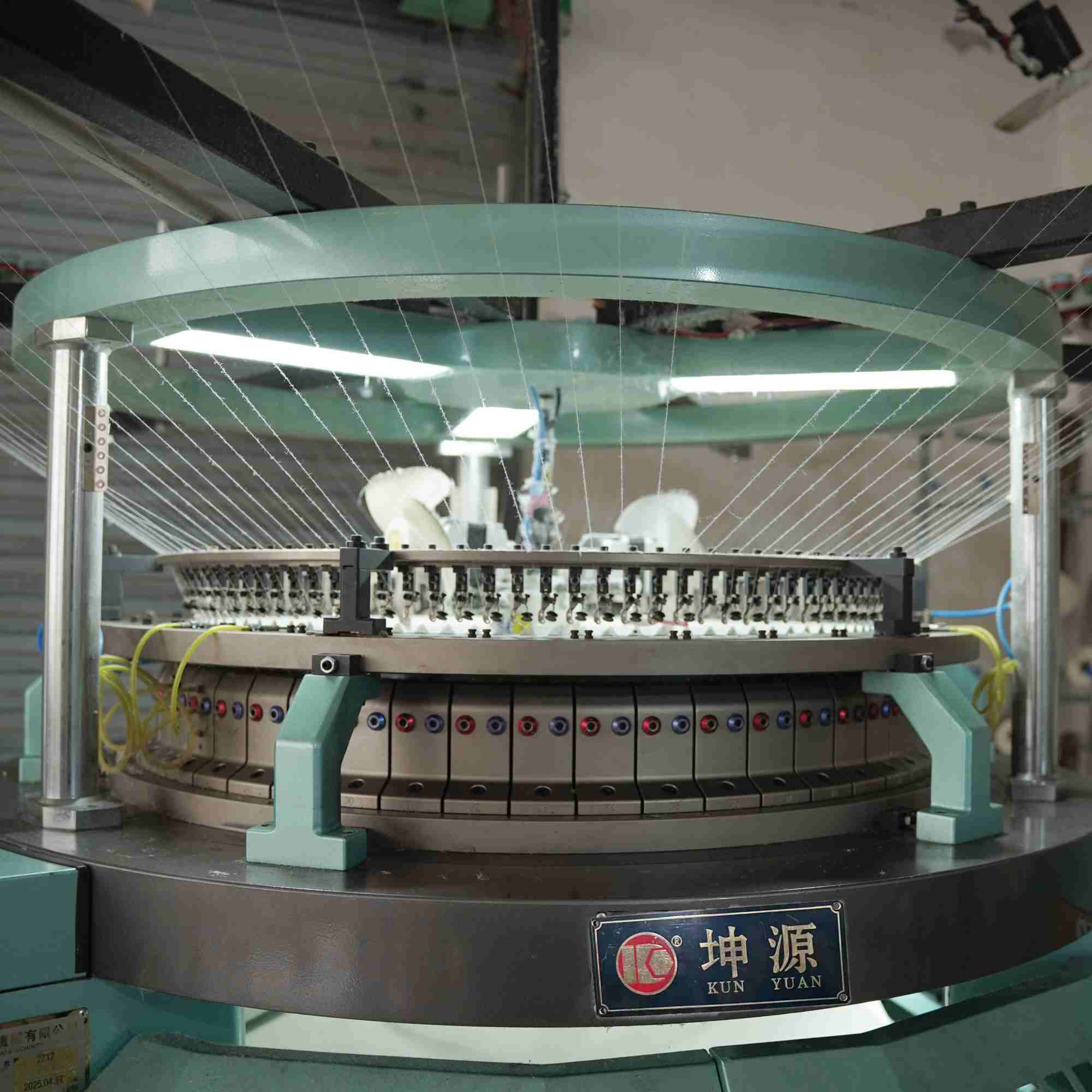
Record model and revision, diameter, gauge, bed and cam arrangement, pile-forming scope, yarn delivery, take-down, collection, installed options and exclusions. Pair this with a fabric drawing and labelled yarns. The offered machine should be physically identifiable; a family photograph or sample made on another configuration remains preliminary evidence.
Knit a low-complexity baseline before the commercial boundary fabric. Inspect ground stability, loop formation and both faces under consistent light. Mark start, stable running and stop-restart positions. The baseline becomes the reference for troubleshooting and service. Without it, a changed sample can look better while concealing a density, anchoring or dimensional problem.
Log entry two: classify missing loops, streaks and pile instability by observable geometry
Inspect full width or circumference at several roll positions. Record whether the symptom follows a wale, course, fixed circumference, package event, restart or random cluster. Compare ground and pile faces and note missing, elongated, uneven or weakly retained loops with any holes, lines or bars. Geometry narrows the investigation but does not prove a cause.
Keep yarn paths, detector events, machine positions and take-down in separate evidence columns. A center swatch can hide edge stress or recurring bands. Do not change yarn delivery, knitting elements and withdrawal together. For an authorized comparison, state the expected response and preserve enough length on both sides of the transition.
Log entry three: determine what the specified cutting, raising or shearing route changes
Divide labelled material from known roll positions into an untreated control and intended process route. Record downstream equipment, batch and inspection condition. Compare surface cover, streaks, loose fibre, hand, width, weight and dimensional response. A defect appearing after finishing may expose inconsistent greige loops; a good finish can also mask a weak knitted foundation temporarily.
Track process loss and rejected sections rather than one finished swatch. If the buyer expects loop pile, cut pile or a raised surface, keep outcomes separate in acceptance. Credit the knitting machine only for the architecture it forms, while downstream equipment and settings retain their responsibility.
Log entry four: repeat the boundary fabric and test the support path before purchase
After an approved correction or final setup, run long enough to cover the original fault interval, package change and stop-restart. Carry the repeated sample through the same finish and compare it with the baseline. Reconcile gross fabric, held material, finishing loss and accepted output. A short clean restart does not close an intermittent pile fault.
Add part identities, cleaning points, recipe backup, operator inspections, qualified-service boundaries and escalation contacts to the purchase record. Ask how a future case will connect machine identity, fabric evidence and authorized action. Price recommended spares and training for the exact gauge and installed system. The chosen machine should be repeatable and supportable.
Identify the exact pile-forming build before judging samples.Map loop symptoms before changing a process layer.Verify the commercial surface without losing the greige record.
Circular pile machine trial and service log
Log stage
Evidence captured
Decision question
Hold trigger
Baseline
Build, yarn and greige reference
Is the machine identifiable?
Sample from another build
Symptom
Geometry, events and process layers
Where does the fault appear?
Simultaneous changes
Finish
Control and processed samples
Does the route preserve yield?
Unrecorded treatment
Repeat
Boundary run and support record
Can production recover it?
One-off success
Circular pile machine selection questions
Should the machine be chosen from finished softness?
No. Retain greige loop and ground evidence because finishing can change or conceal architecture.
Does a vertical streak prove a damaged needle?
No. Compare yarn delivery, knitting elements, take-down and finishing before assigning cause.
Why run a simple baseline fabric?
It creates a known condition that makes commercial-pattern faults easier to isolate.
What is a strong boundary trial?
Use the fabric combining the most demanding pile yarn, surface, weight and finishing route.
What belongs in the support file?
Keep build identity, recipe, samples, events, part references, backups, trained roles and escalation contacts.
Conclusion
Choosing a circular pile machine requires a traceable loop-to-finish record. The baseline proves the build, the symptom map separates process layers, the downstream comparison exposes yield effects, and the repeated boundary trial tests recovery. That evidence supports purchase without inventing universal settings.
Use the diagnostic purchase log while reviewing the circular pile knitting machine range and hold the decision until the offered build repeats the difficult fabric through its named finish.






 Tel: +86-13859034518
 Email: info@kunyuanmachine.com
 MP/WhatsApp: +86-13859034518
 Manufacturer Address:Bacuo Village, Yonghe Town, Jinjiang City, Fujian Province