Compare knitting routes from finished apparel duty backward, not from one machine label forward
The right industrial knitting machine depends on the fabric structure, garment conversion route and defect boundary the mill must control. Single-knit, double-knit and electronic garment routes can all serve apparel, but they should not be scored as interchangeable production methods.
Begin with the finished article: T-shirt, sports layer, underwear, outerwear, structured knit or another named use. Record face and reverse appearance, stretch and recovery direction, width, weight, dimensional stability, finishing route, cutting behavior and visible-defect limits. CottonWorks' single- and double-knit learning material shows that jersey and rib or double-knit structures have different loop arrangements and behavior. Manufacturer portfolios reinforce the distinction: Mayer and Cie. separates single- and double-jersey models, Pailung maps apparel technologies to specific Knitel machine families, and Santoni lists electronic seamlesswear routes for defined garment applications.
The comparison should keep two questions separate. First, which architecture can form the required fabric? Second, which complete route can deliver accepted apparel at the mill? A broad machine category may satisfy the first question while creating extra slitting, relaxation, cutting, linking, finishing or changeover work in the second. Run each credible route with equivalent buyer-yarn evidence and carry the marked material to the same downstream acceptance point. Do not name a winner until quality, conversion and production loss are visible on a common ledger.
Route A: use single-knit roll goods when face structure and efficient fabric conversion lead
Single-jersey routes can serve many apparel fabrics, but the buying brief must specify more than jersey. Define knit, tuck, miss, plating, elastomer and pattern duties; state whether fleece, mesh, jacquard or another effect is required; and show the finished face and reverse limits. Record edge curl, spirality or skew, width behavior and relaxation method where they affect cutting. The exact machine family and configuration must be confirmed by the manufacturer.
Trial this route as roll goods. Mark startup, stable running, a normal stop and restart, then sample across width and along length. Carry those coordinates through dyeing, compacting or other agreed finishing. The conversion team should measure lay behavior, usable width, defect loss and cutting yield. Single-knit value is demonstrated when its simpler architecture produces the required surface and conversion result consistently, not merely when the machine reports a high speed.
Roll-goods evidence must continue through the cutting and finishing boundary.
Route B: use double-knit architecture when two-bed structure earns its added setup burden
A cylinder-and-dial or other double-knit route can create rib, interlock and related structures with different stability, stretch and two-face possibilities. Match the requirement to the exact needle arrangement, cam tracks, selection and yarn plan of the offered model. Do not copy a gauge, feeder or speed value from another build. Identify which structures require conversion parts or dedicated settings and how those changes affect the fabric portfolio.
The trial must expose both benefits and operating cost. Inspect technical face and back, recovery, weight, width and pattern registration under the same finished condition used for Route A. Log dial and cylinder interventions, cleaning, change parts, setup time and trial loss. Double-knit should win only where the resulting fabric function or conversion advantage justifies the extra architecture and its maintenance obligations.
Two-bed capability earns value through measurable structure, not architecture alone.
Route C question: decide whether electronic garment shaping changes the comparison boundary
For some underwear, sportswear, knitwear or bodywear projects, an electronic seamless route can integrate zones or produce separated pieces. This is not simply a premium version of roll-goods knitting. Create a garment map with size coordinates, programmed zones, yarn changes and every operation that remains after knitting. Confirm which functions belong to the exact machine rather than the wider family.
Compare this route at finished-garment level. Include program development, size grading, yarn preparation, separation, trimming, linking or joining, dyeing, inspection and rejected pieces. A successful body-size sample may reduce cutting waste but increase programming or changeover dependence. Preserve those effects in the ledger. The decision changes only if integrated knitting produces a measurable product or conversion benefit for the actual size range.
Bring credible routes to one finished-fabric evidence point before ranking them
Create a common trial protocol with buyer yarn, equivalent finished requirements and a named operating interval. Preserve machine identity, configuration, setup time, event marks, gross output, held material, finished loss and accepted quantity. Avoid forcing identical machine settings; equivalent evidence means each route is optimized within an agreed and documented condition while judged at the same product boundary.
Add mill-specific constraints such as available technicians, changeover frequency, batch length, finishing capacity, spare strategy and operator training. Score hard exclusions first, then quality, conversion effort, accepted output and recovery risk. A route that fails a mandatory fabric function cannot recover through a low price or peak speed. Archive retained samples and assumptions so later product changes trigger a new comparison rather than silently stretching the original decision.
A common finished-product point allows unlike knitting routes to be judged fairly.
Industrial apparel knitting route decision table
Decision factor
Single-knit roll goods
Double-knit route
Electronic garment route
Primary proof
Finished face, width and cutting yield
Structure, recovery and two-face behavior
Finished size and zone placement
Hidden burden
Curl, skew, slitting or conversion loss
Bed setup, parts and maintenance
Programming, grading and residual make-up
Trial unit
Marked full-width roll section
Matched face-and-back sample set
Boundary-size complete garment
Release condition
Accepted fabric at cutting
Accepted fabric after common finish
Repeat garment from saved job
Industrial apparel knitting machine questions
Is single jersey always the cheapest apparel route?
No. Invoice price is only one factor; finishing, usable width, cutting yield, defects, setup and support can change the route cost.
When is double knit worth considering?
Consider it when rib, interlock, recovery, stability or two-face behavior is a required product function and the delivered build proves it.
Does seamless knitting remove all garment work?
Not necessarily. Separation, trimming, joining, openings, dyeing and other operations depend on the machine and product, so they must be mapped explicitly.
How can unlike machines receive a fair trial?
Use equivalent buyer yarn and finished acceptance criteria while recording each route's own optimized configuration, setup, loss and normal events.
What should decide the final route?
Mandatory fabric performance comes first, followed by conversion burden, accepted output, changeover fit and a recoverable service path.
Conclusion
Choosing an industrial knitting machine for apparel fabric is a route decision. Single-knit, double-knit and electronic garment systems solve different structural and conversion problems. Define the finished duty, test each credible architecture through its real downstream path, and rank only the accepted evidence. That approach keeps catalogue categories from replacing the mill's product and operating constraints.
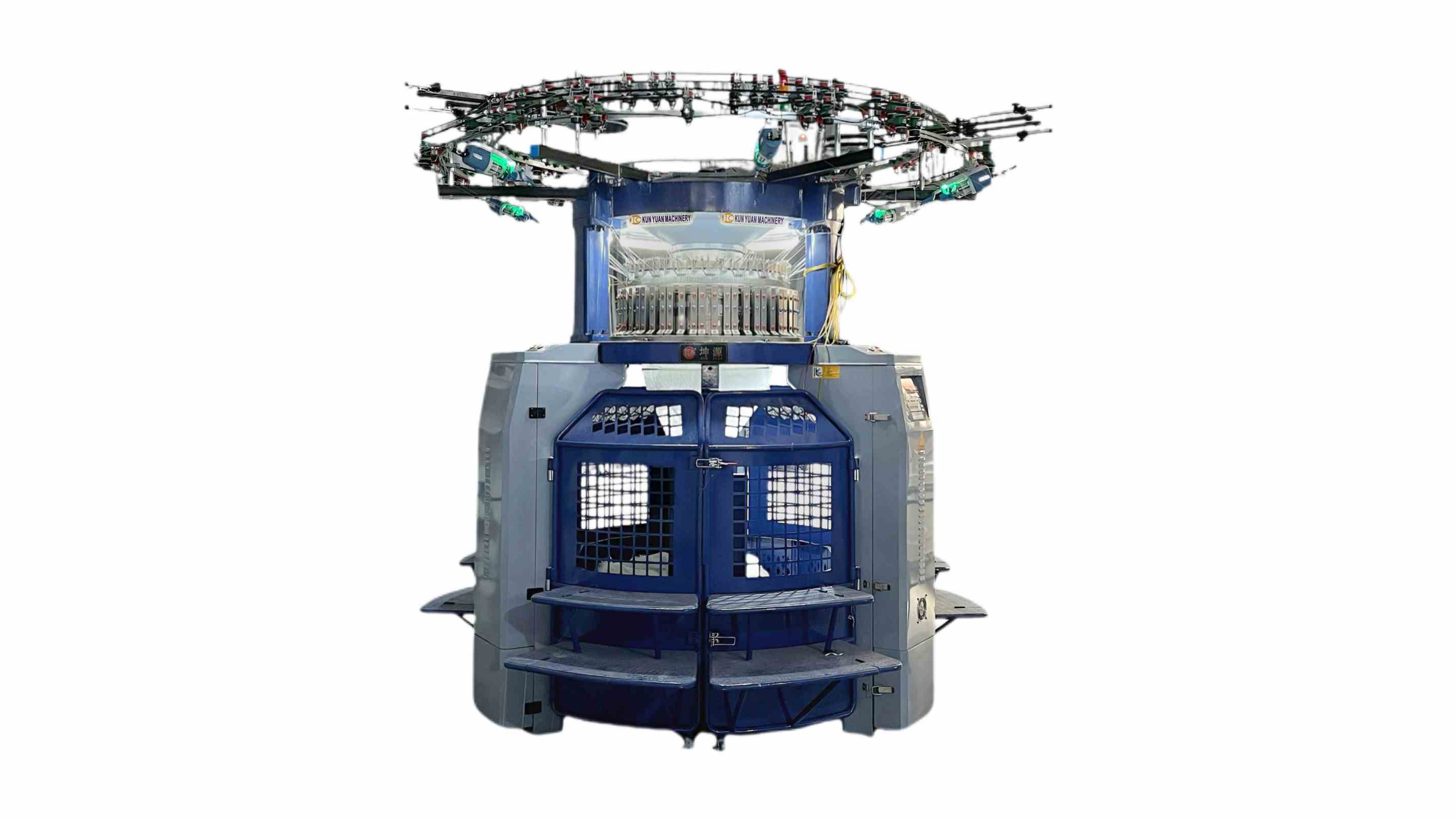
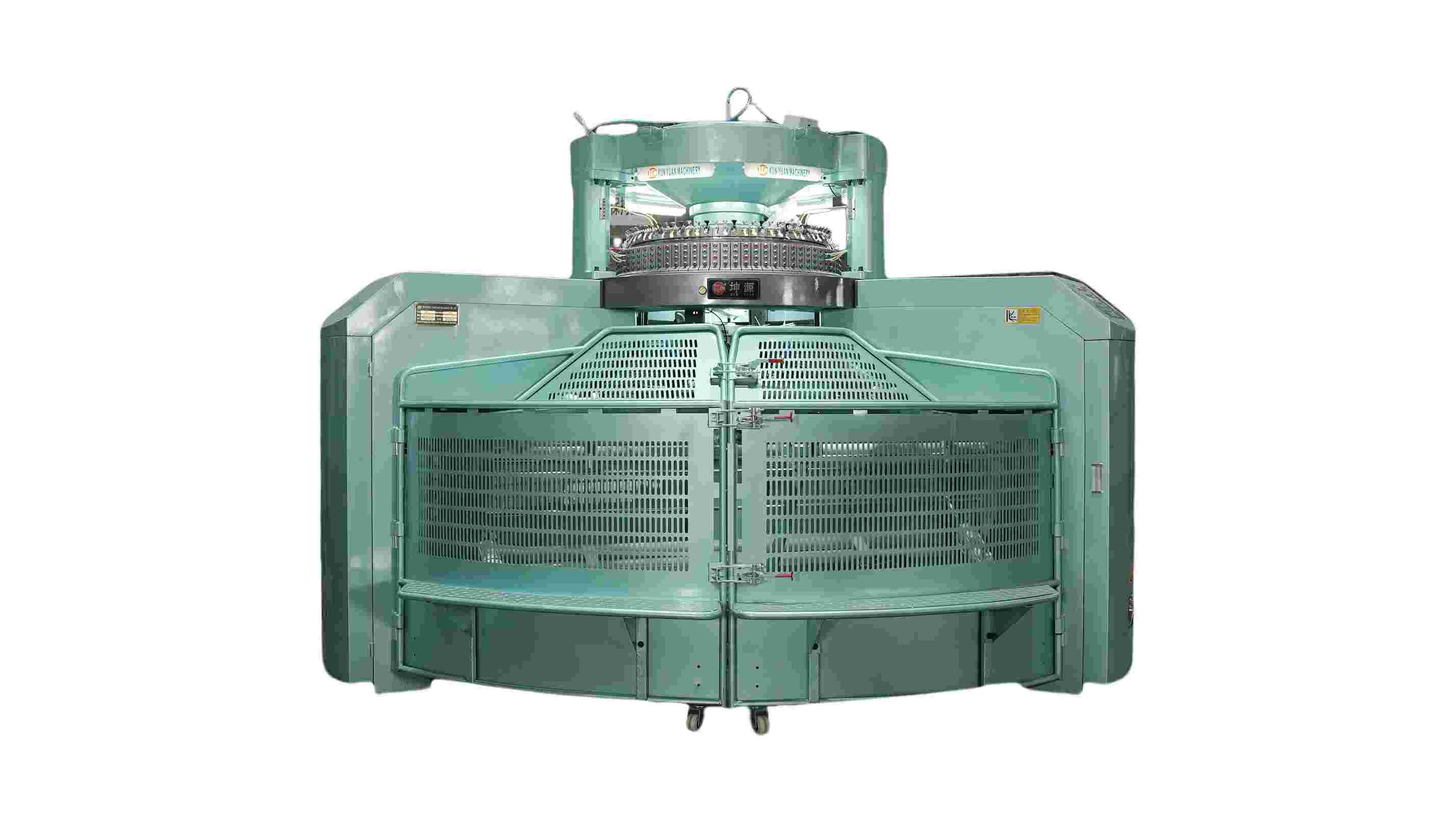
Use the route comparison to frame a buyer-yarn trial for the Knitting Machine for Clothes Fabric and require each proposed architecture to reach the same finished acceptance point.






 Tel: +86-13859034518
 Email: info@kunyuanmachine.com
 MP/WhatsApp: +86-13859034518
 Manufacturer Address:Bacuo Village, Yonghe Town, Jinjiang City, Fujian Province