

Hot Keyword:
Author:KUNYUAN Machine Manufacturer TIME:2026-08-30
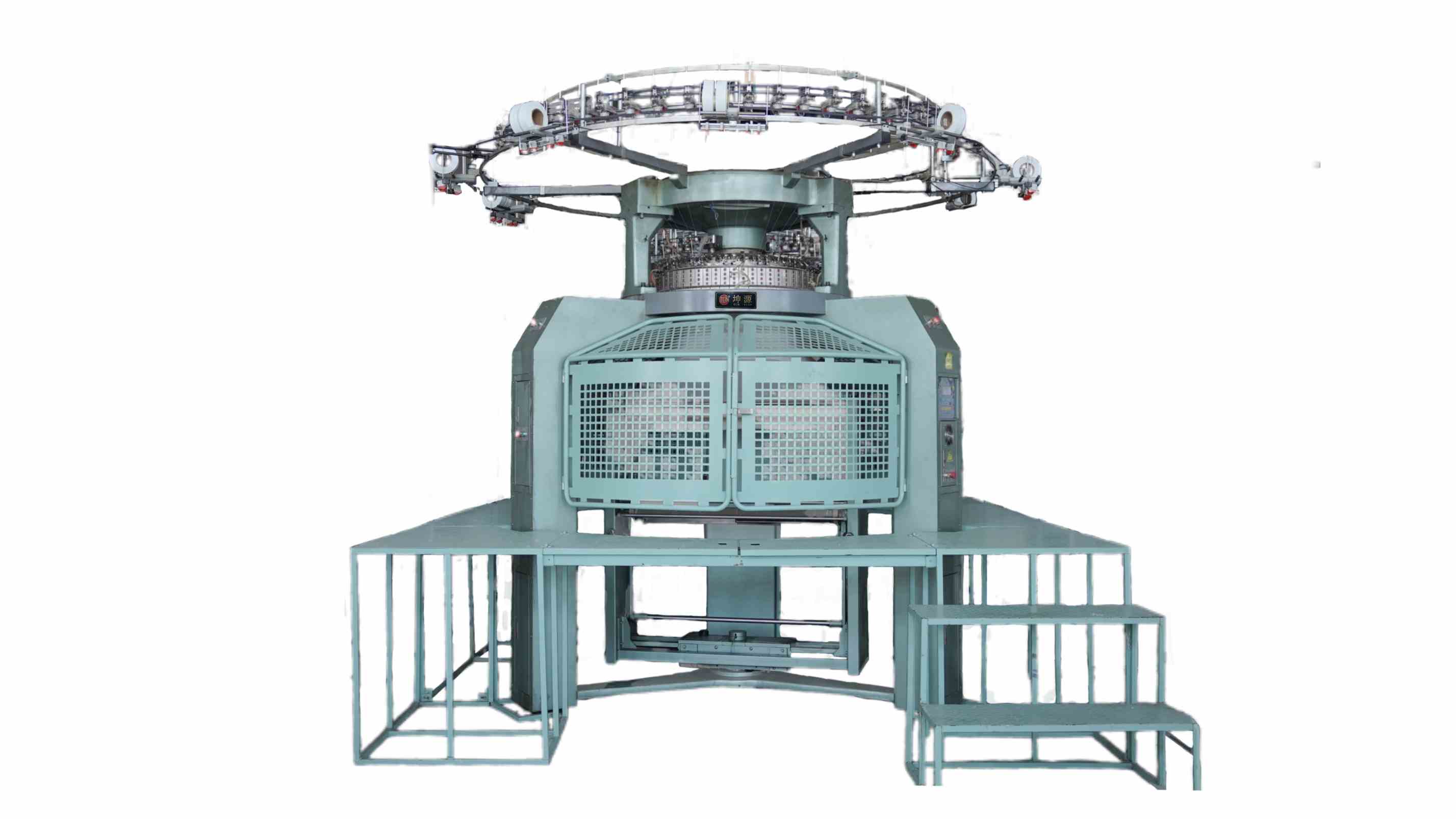
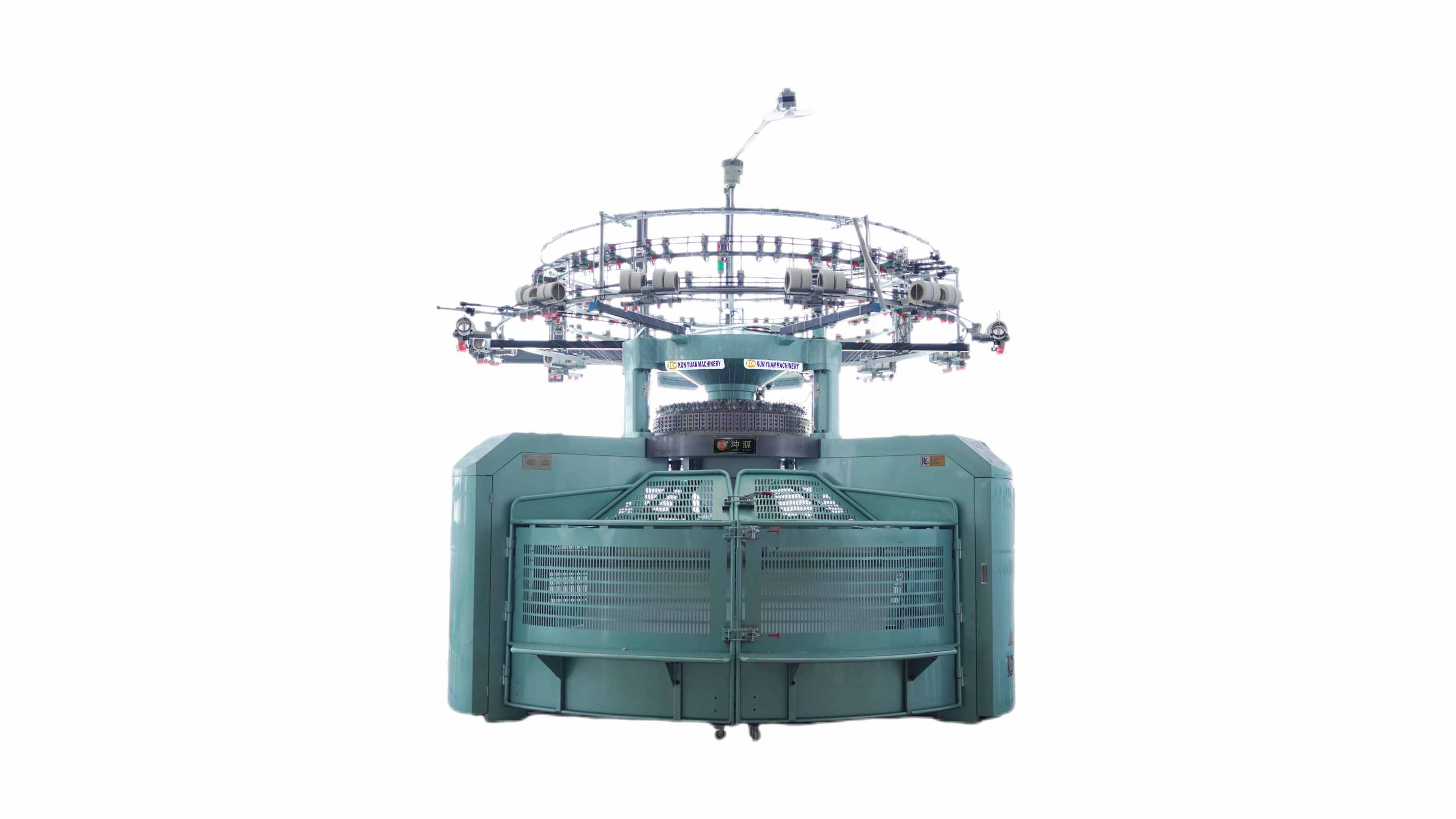
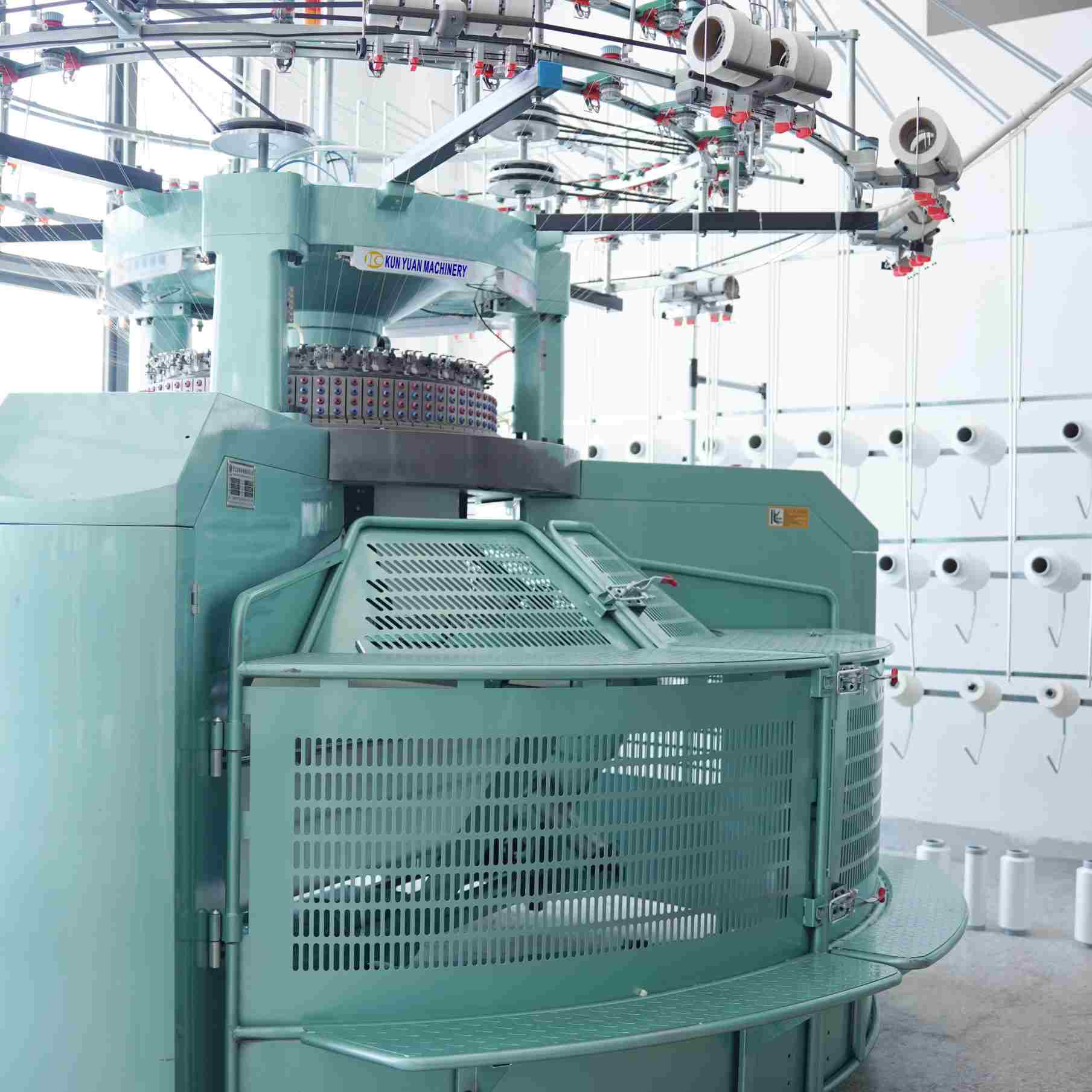
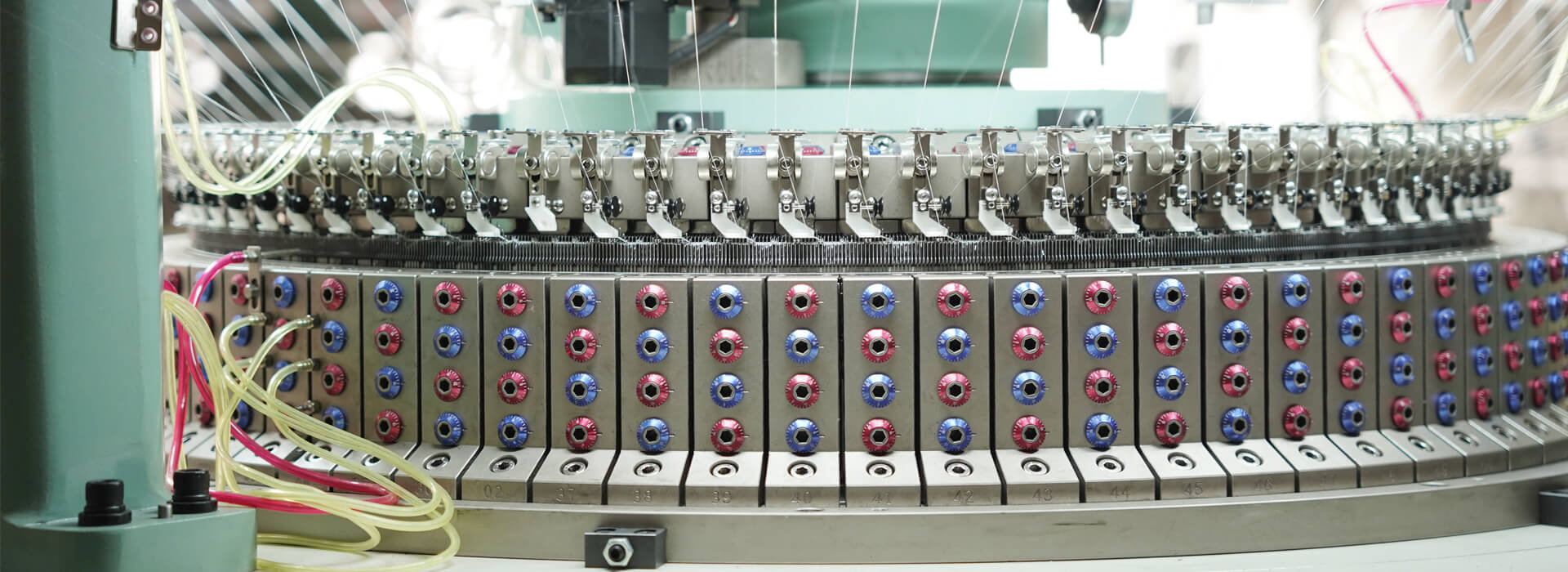
A machine can knit quickly while the commercial terry yield falls through unstable loops, setup loss or finishing damage. Selection therefore needs a ledger that connects loop geometry, running time, held fabric and the final surface.
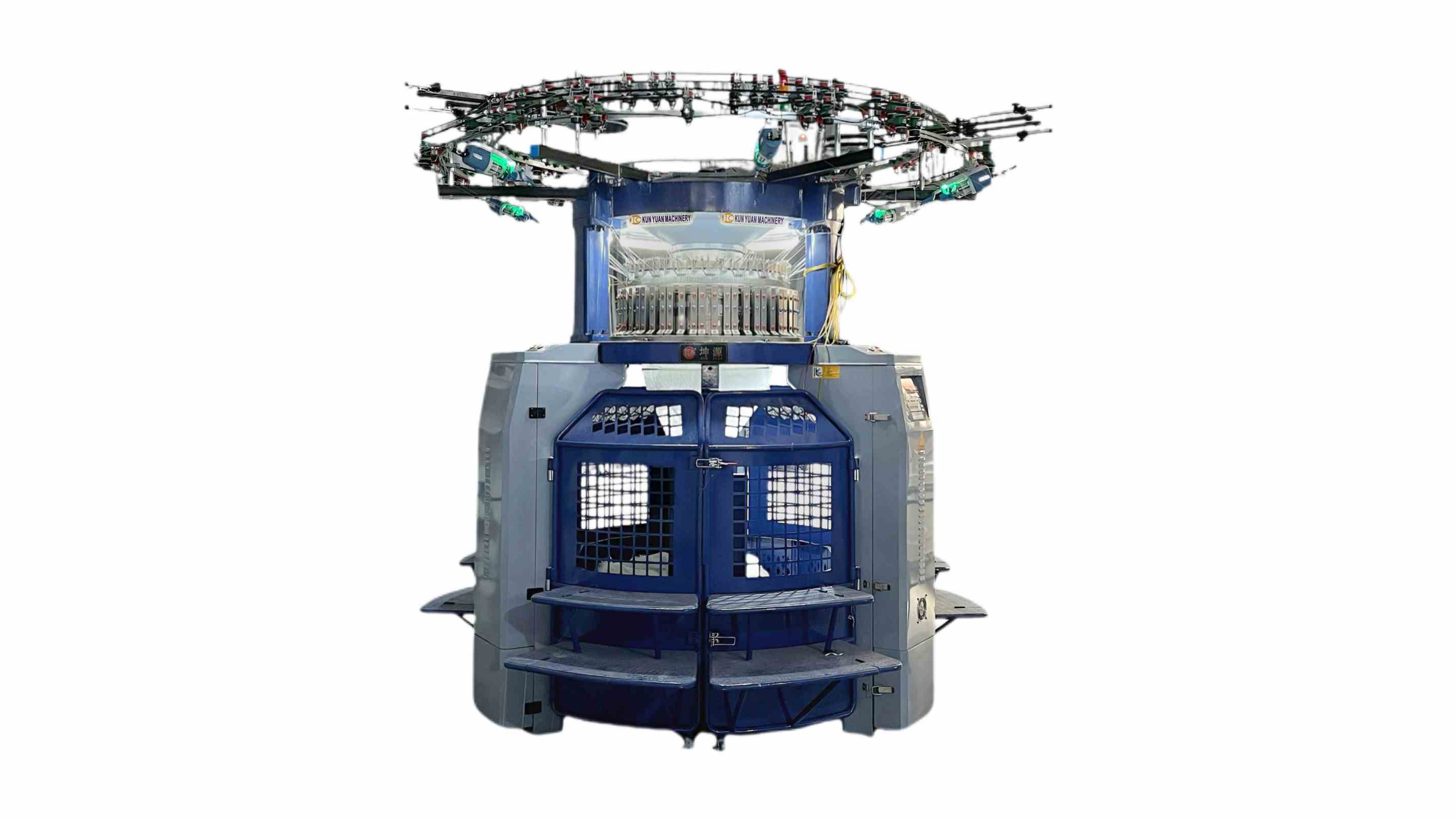
Write the terry brief in measurable layers. Identify the ground and pile yarn roles, target loop effect, technical face, width convention, greige and finished weight, absorbency or surface expectation where relevant, finishing route and defect limits. Keep terry, plush, polar-fleece and other pile labels attached to the actual construction; official portfolios from Fukuhara, Unitex and Mayer and Cie. show that manufacturers divide these routes differently. A similar product name does not establish the same machine architecture.
Use a production ledger rather than a maximum-speed comparison. Record scheduled minutes, knitting minutes, gross fabric, setup and trial material, held sections, finished loss and released quantity. Add loop observations at fixed sample positions. This makes it possible to see whether a higher operating point improves accepted output or merely transfers cost into shearing, washing, inspection or rejection. The chosen machine should repeat a useful finished fabric, not only a greige roll.
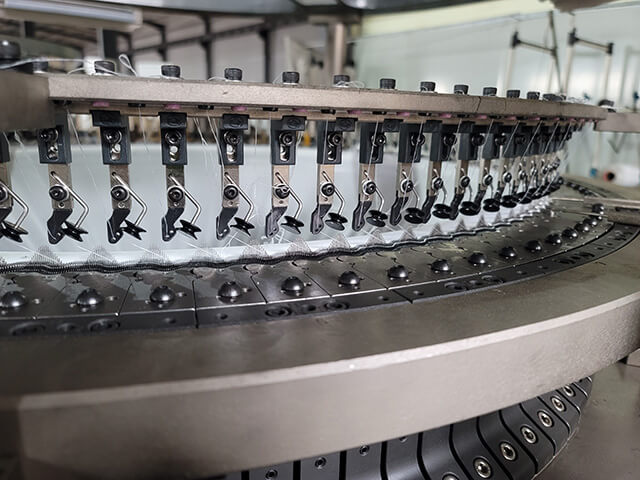
Specify the pile effect by fabric evidence rather than one machine setting. Mark the technical direction and define how loop height, loop regularity, ground stability, width and weight will be sampled. Record yarn fiber, count, lot and feeding role separately for pile and ground. If the article will be cut, brushed, washed or heat treated, state the final surface and dimensional tests that determine release. The greige target should leave enough information to predict and then verify that route.
Select sample points around the circumference and along the roll, including startup, stable production and recovery after a planned stop. Retain both fabric faces. A visually full center strip can hide side-to-side, feed-related or longitudinal drift. Use the same conditioned measurement method throughout the trial and avoid publishing one loop-height number as a universal machine capability. The number belongs to the named yarn, construction, settings and inspection state.
| Metric | Recorded basis | Interpretation | Decision warning |
|---|---|---|---|
| Loop consistency | Conditioned samples by roll coordinate | Stability of pile effect | One center swatch hides spatial drift |
| Running rate | Gross greige quantity per knitting hour | Conversion while the machine moves | It excludes scheduled stops and quality loss |
| Finished yield | Released quantity divided by gross greige quantity | Loss through finishing and inspection | Yield without the finish route is not comparable |
| Accepted scheduled rate | Released finished quantity per scheduled hour | Commercial planning result | A higher RPM can still lower this number |
Use representative commercial yarn and run beyond warm-up. Mark the point where quality first stabilizes, then include package handling, an ordinary planned stop and a restart. Count broken or missed loops, vertical lines, uneven pile, ground distortion and manual corrections using the buyer's defect map. The stable interval should be long enough to expose periodic variation; do not select only a short visually clean portion for the result.
Change one authorized condition within the supplier's safe procedure and record the expected fabric response before inspection. Compare loop measurements, event rate and gross output on both sides of that mark. Return to the selected condition later and reproduce it. The recovery result is a useful purchasing metric because a narrow setup that cannot be restored by trained mill staff creates changeover loss even when its first sample is attractive.
Send labelled sections through the intended route and preserve the order of operations. Record enough finishing identity to reproduce the comparison without turning this article into a recipe. Measure finished width, weight, dimensional change, loop or surface condition and the application-specific absorbency, softness, shedding or appearance checks defined by the buyer. Compare every result with its retained greige reference and the corresponding event marks.
Add finishing loss and quality disposition to the output ledger. A machine condition that produces more greige fabric may be less valuable if it increases cut loss, surface repair or rejection. Complete the comparison with training time, cleaning burden, changeover recovery and critical spare ownership. The purchase recommendation should show accepted finished quantity per scheduled interval together with the loop evidence that made that quantity saleable.
No. Gross running output excludes scheduled stops, held fabric and finishing loss; production planning should use released quantity on a stated time base.
No. Treat it as a measured fabric result tied to the yarn, construction, machine configuration, approved operating window and finishing state.
It lets the team determine whether surface variation existed at knitting or appeared during cutting, brushing, washing or other processing.
Use the same fabric brief, yarn, time definitions, event logging, finish route, measurement method and quality disposition.
Record the exact build, loop evidence, stable and restart runs, gross and held fabric, finished yield and accepted output per scheduled interval.
Choosing a terry circular knitting machine requires one joined measurement system. The loop reference explains fabric quality, the time ledger exposes conversion losses, and matched finishing samples show what survives to saleable output. This approach makes capacity, surface quality and recovery part of the same purchasing decision.
Use the loop-and-yield ledger when comparing the terry circular knitting machine range and approve the configuration only after its marked fabric completes the intended finish.

 Tel: +86-13859034518
 Email: info@kunyuanmachine.com
 MP/WhatsApp: +86-13859034518
 Manufacturer Address:Bacuo Village, Yonghe Town, Jinjiang City, Fujian Province