Hot Keyword:
YOUR POSITION:HOME > Blog >

Double Jersey Spacer Fabric Trial: Link Structure, Thickness and Finish

Author:KUNYUAN Machine Manufacturer TIME:2026-09-11

MENU
Spacer construction architecture

Specify two surfaces and the connecting layer before selecting the knitting setup

A circular-knit spacer is not defined by thickness alone. Face structures, connecting-yarn geometry, materials, compression response and finishing together determine whether the fabric suits its intended product.

Draw a cross-section of the target fabric and label face A, face B and the connecting yarn. Define materials, counts, finished weight, width, thickness test, compression or recovery method, air or moisture objective where relevant, surface standard and downstream treatment. Published double-knit machine families may list spacer applications, but the exact structure still depends on the offered cylinder-and-dial arrangement, tracks, needles, feeders and yarn handling.

Use buyer yarn and a controlled sample large enough to inspect the entire circumference and both faces. Mark the roll at startup, stable production, package changes, stops and setting revisions. Carry identified pieces through the actual wash, dye, heat or lamination route because thickness and recovery can move after the machine. Avoid declaring medical, protective or performance compliance unless the specific finished product is tested to the applicable standard.

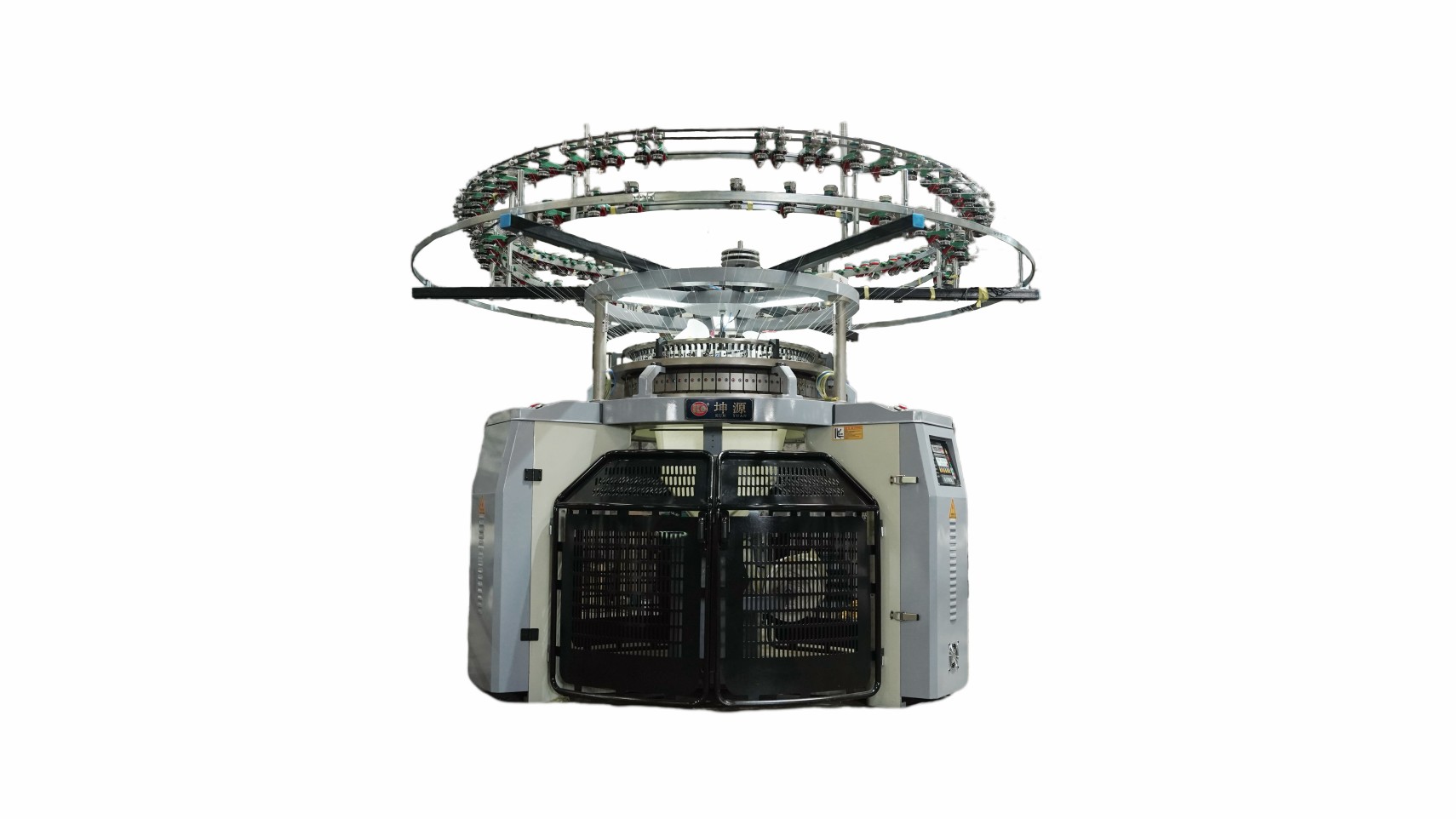
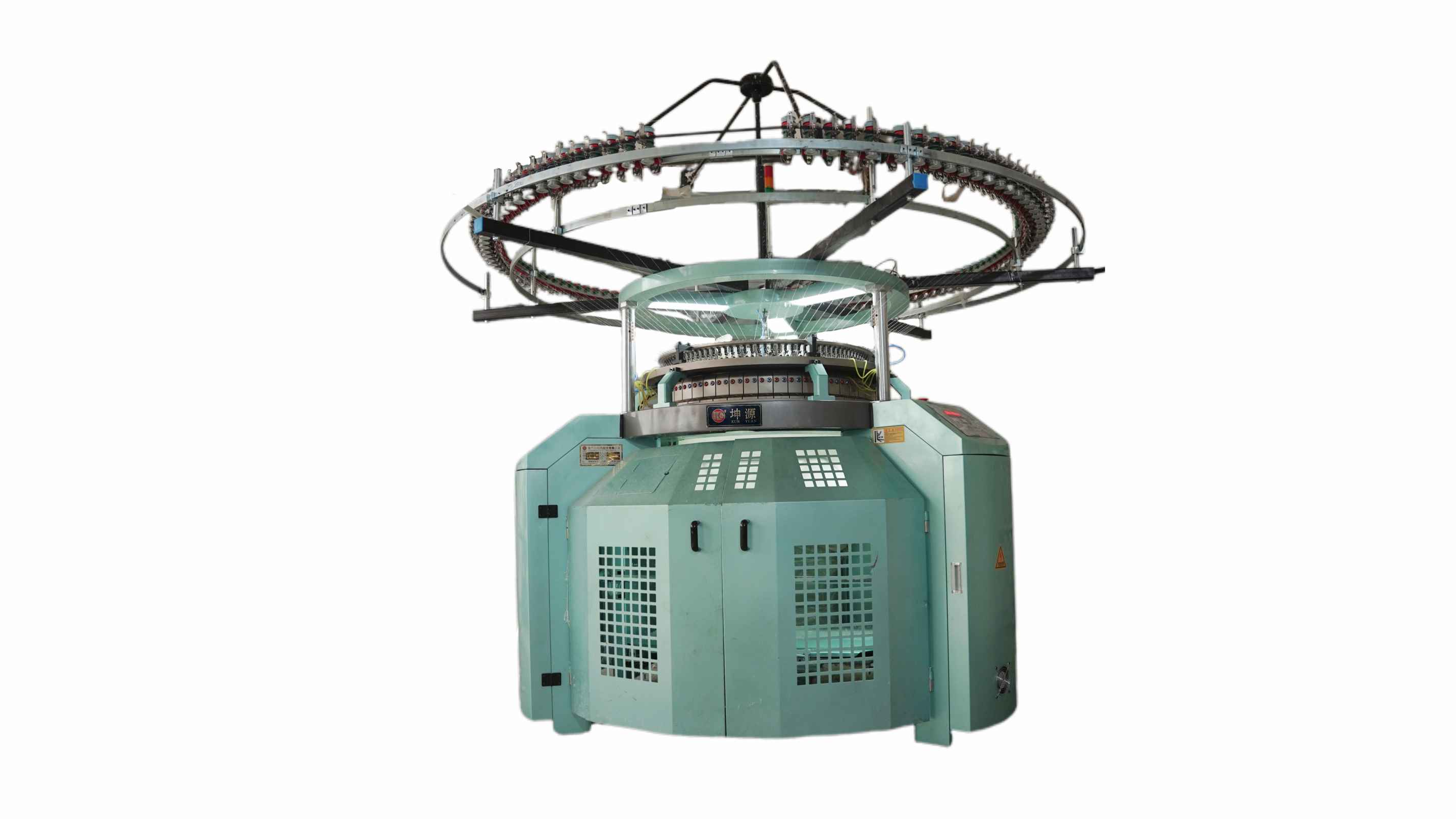
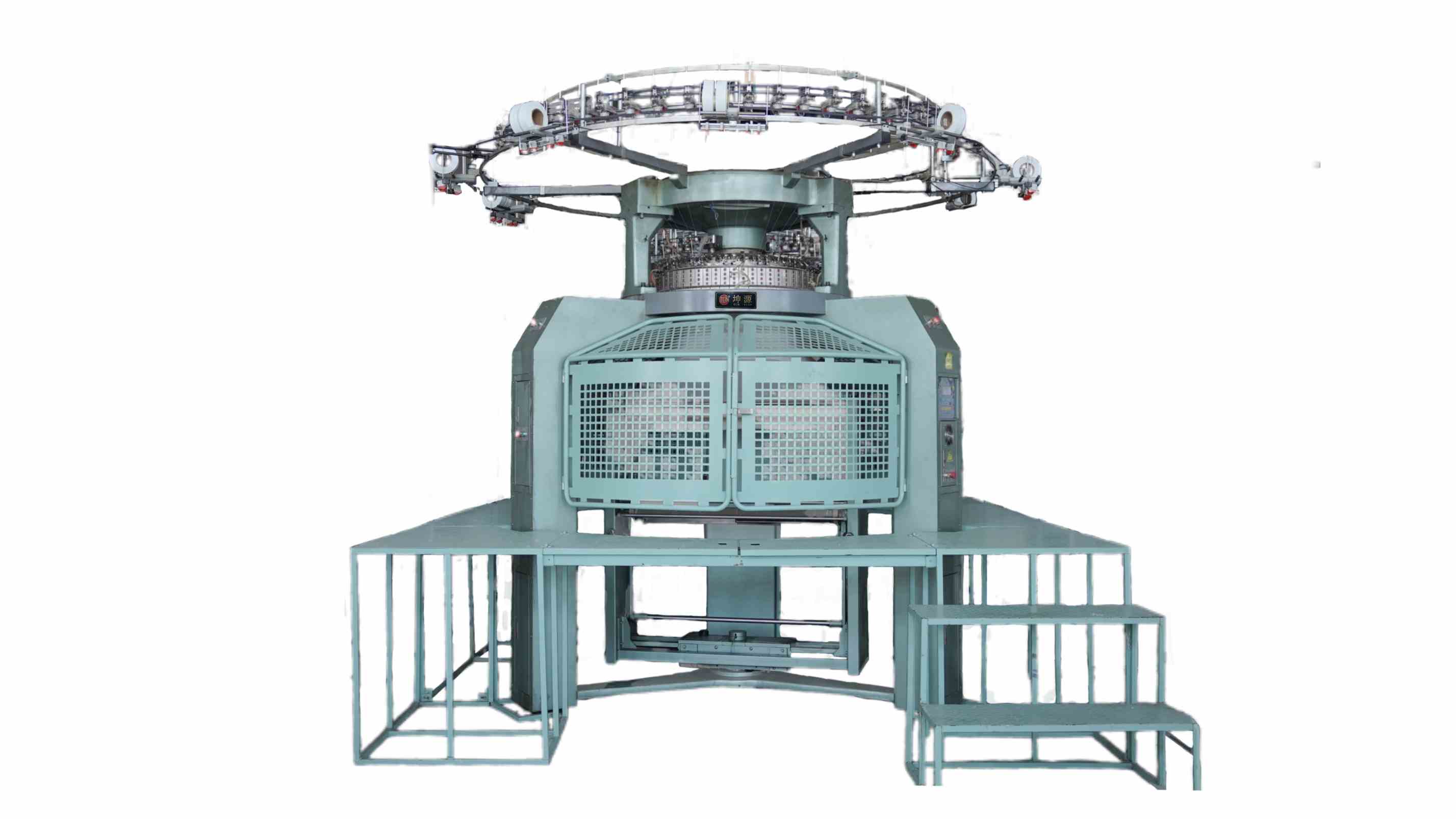
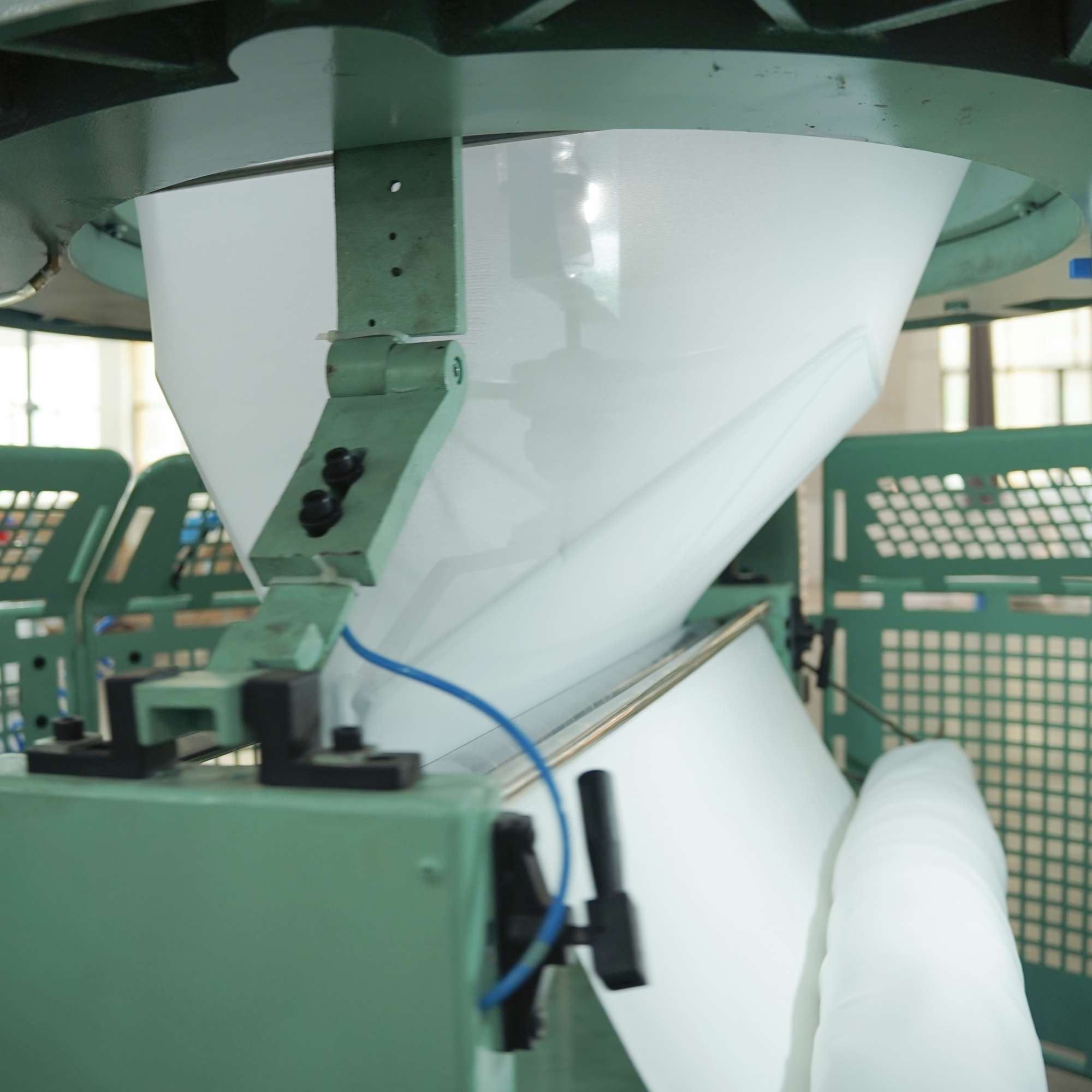
Double jersey circular knitting machine for spacer fabric trials
Map the two faces and connector before choosing a setup.

Architecture 01 - assign independent duties to the two fabric faces

State whether each face supplies cover, abrasion resistance, softness, bonding surface, print appearance or another verified function. Record its yarn, loop structure, colour and inspection side. Do not assume the two faces use identical materials or tolerances merely because they are knitted in one pass.

Inspect face balance across width or circumference under fixed light. Mark vertical lines, barring, holes and local density changes against machine position. Retain both-face photographs and samples after finishing so a clean top surface does not conceal an unacceptable reverse.
Architecture 02 - treat the connecting yarn as a controlled structural element

Record connector material, count, lot, yarn path and intended relationship to the face layers. Confirm the offered machine can create the specified joining geometry with its installed knitting system. A marketing term such as 3D fabric does not prove distance, orientation, stability or a universal compression curve.

Look for show-through, uneven spacing, missing connections, local collapse and edge instability. If the connector is changed, hold face yarns and process route steady for the comparison. Preserve the exact sample orientation for later thickness or compression measurements.

Architecture 03 - reconcile the structure with beds, tracks, feeds and withdrawal

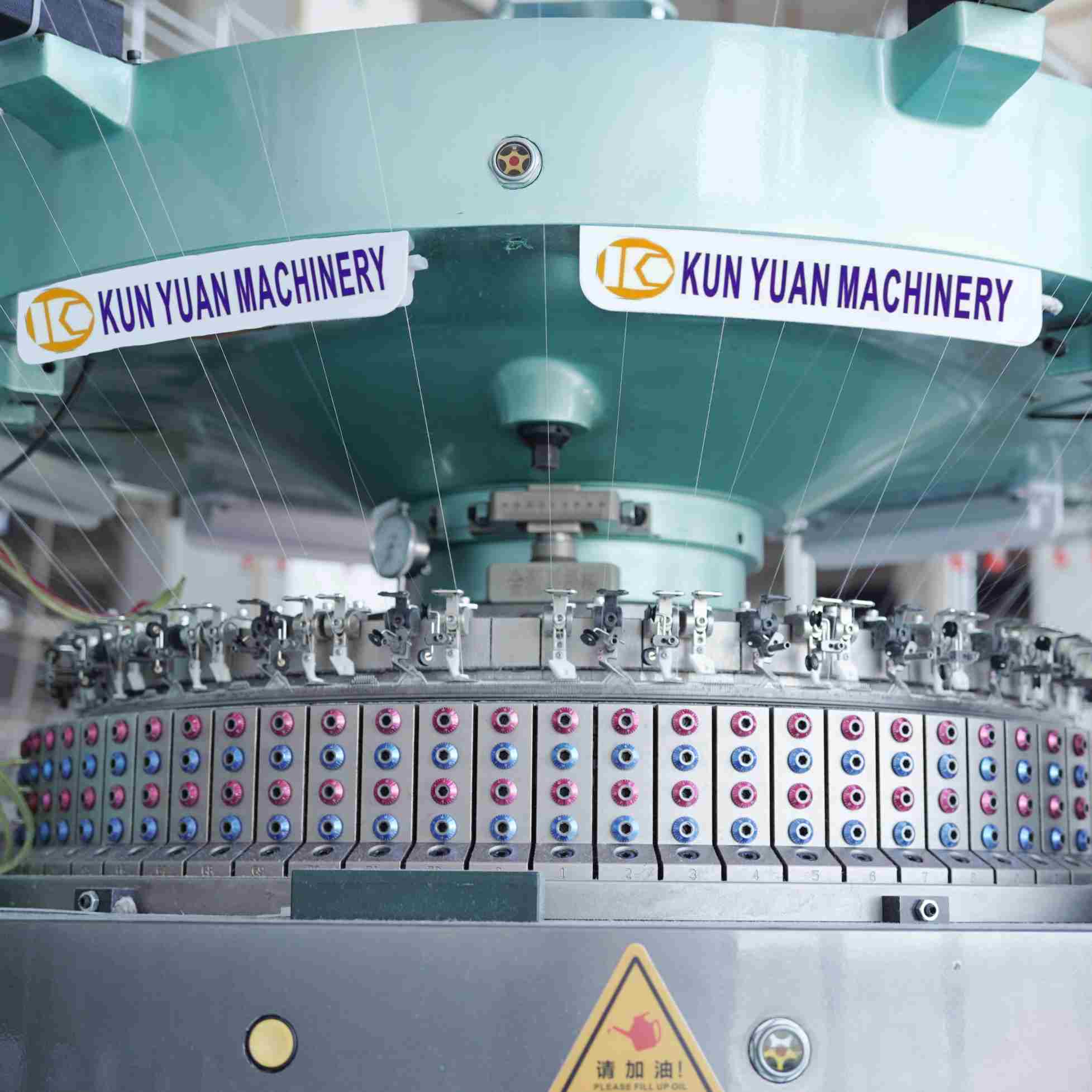
Document machine model, diameter, gauge convention, cylinder and dial systems, active feeds, needle or cam arrangement, yarn delivery and take-down state from controlled references. Do not infer universal timing or settings from a family description. Ask the supplier to identify installed standard scope, options and change parts used for the sample.

Run a stable interval that includes ordinary package behavior and restart. Observe accepted rate, stops and defects together. Spacer thickness obtained by unstable knitting or excessive held fabric is not a commercial capability result.

Architecture 04 - measure thickness and recovery after the commercial route

Agree specimen preparation, conditioning, thickness instrument and applied pressure, compression sequence, recovery interval and any other application test before comparing samples. Report methods with the values; a bare millimetre figure is not portable between different procedures.

Process marked pieces through dyeing, heat, washing, coating or lamination as required. Reinspect both faces, connector visibility, width, weight and dimensional stability. Release the construction only when the finished fabric, not just the greige spacer, satisfies the intended product brief.

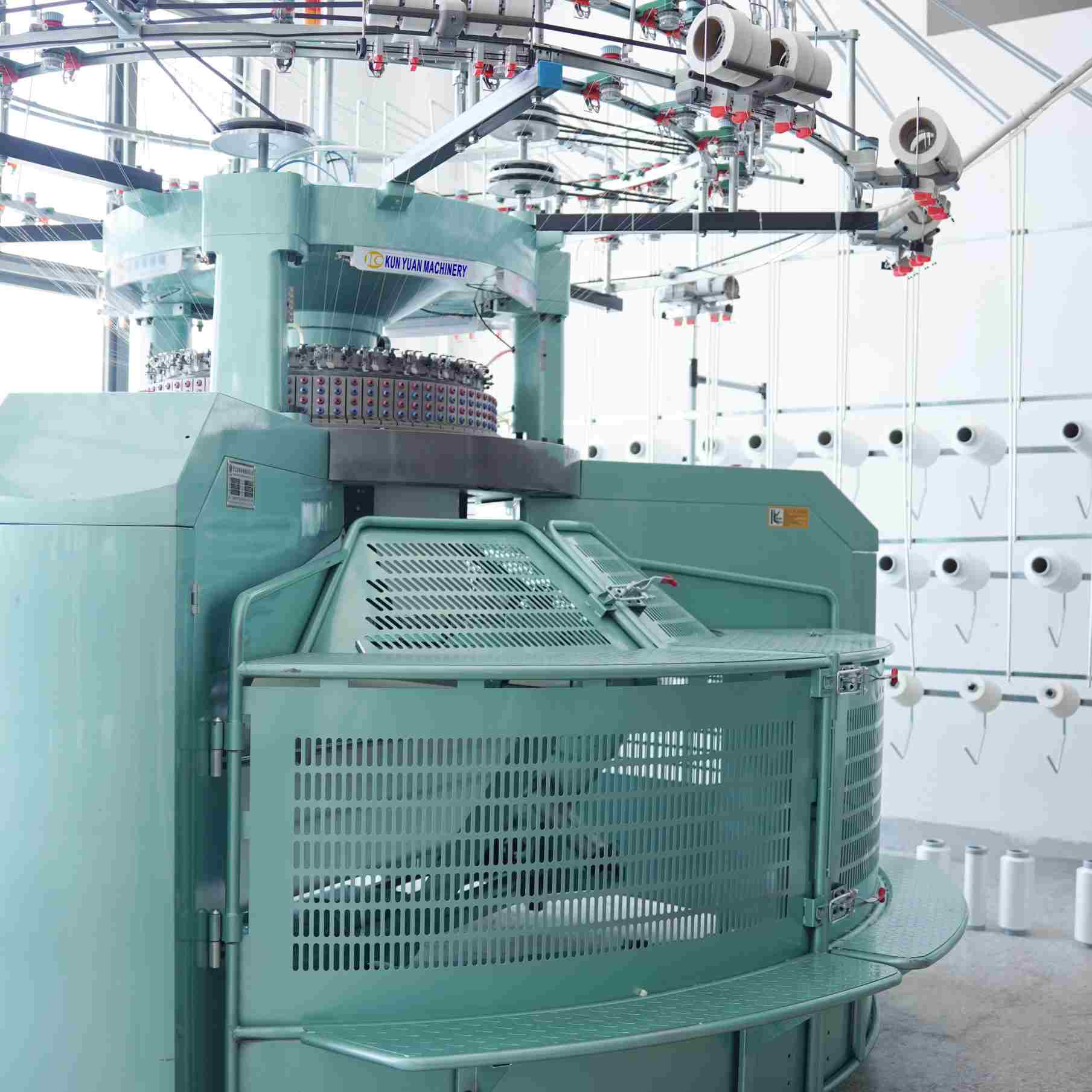
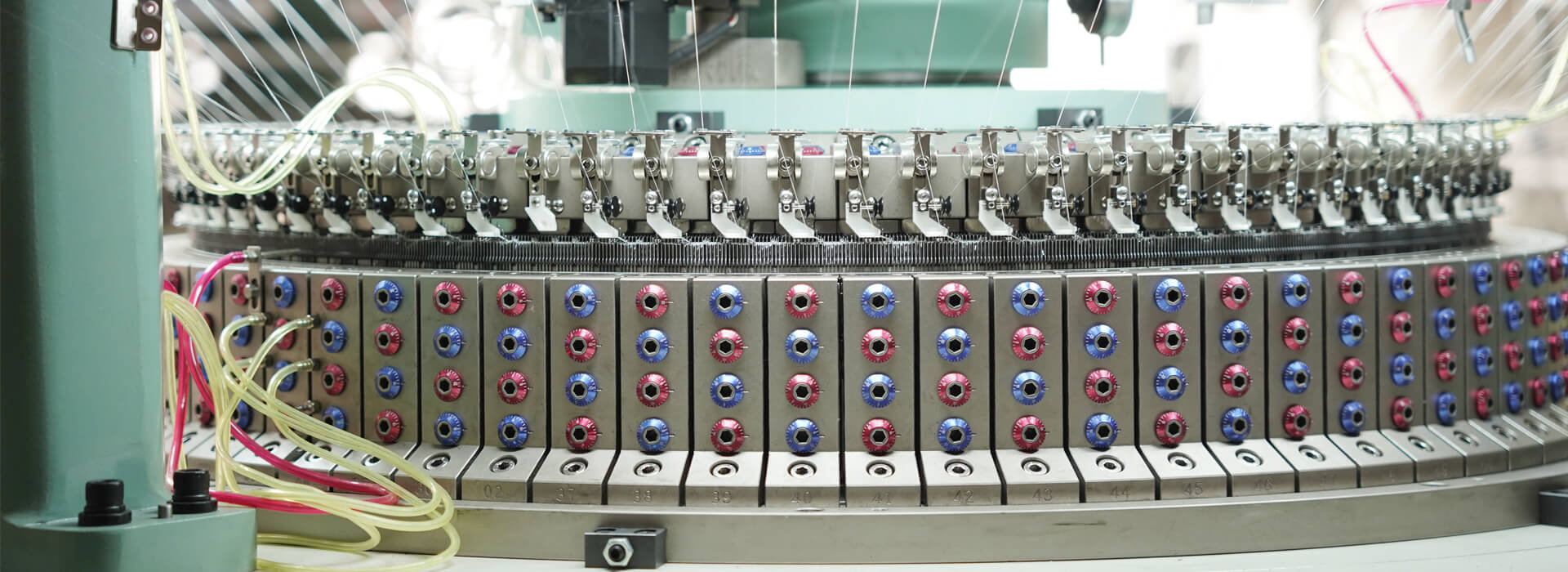
Cylinder and dial knitting reference for spacer architecture
Confirm the exact double-knit configuration used in the trial.

Spacer architecture release matrix

LayerControlled inputsFinished evidenceBoundary
Face AYarn and loop roleSurface and dimensional resultNo borrowed claim
ConnectorMaterial, path and geometrySpacing and collapse checkExact sample only
Face BYarn and loop roleReverse quality and bondingInspect separately
Complete spacerMachine and finish routeThickness and recovery methodApplication-specific release

Application release boundary

This architecture map supports a controlled double-jersey spacer trial. It does not assign universal thickness, pressure, medical, protective or comfort performance. The exact offered machine, buyer yarn, finished construction and agreed test methods define the result.

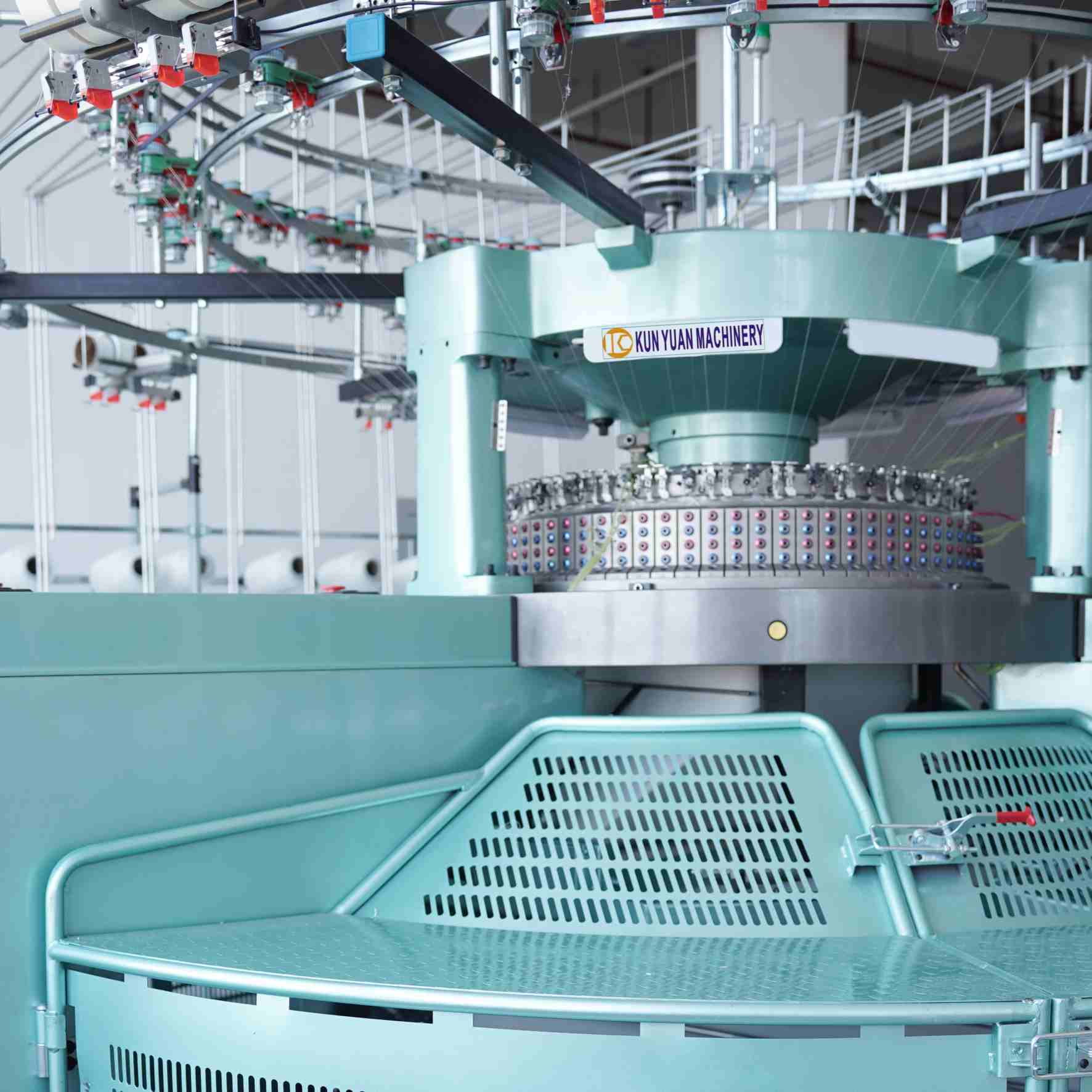
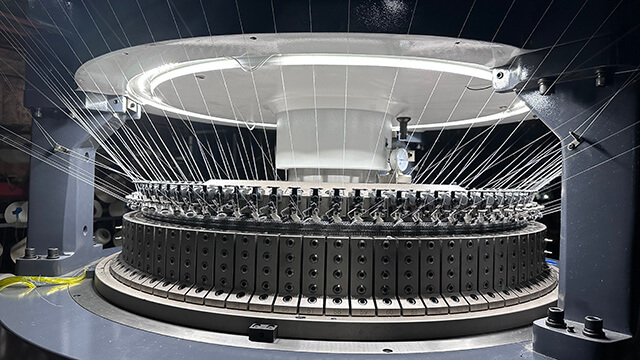
Finished spacer fabric inspected for both faces and thickness
Measure the construction after the commercial finish.

Double-jersey spacer questions

Is every thick double-knit fabric a spacer?

No. Define the two face layers and connecting-yarn architecture rather than using thickness alone.

Can a machine-family page prove the target spacer?

It can identify a possible application family; the exact build and buyer-yarn trial must prove the construction.

Why state pressure with thickness?

Measured thickness depends on specimen conditioning and the method's applied force or pressure.

Should both faces be inspected?

Yes. Surface balance, show-through and defects can differ between face A and face B.

When is the fabric released?

After the complete finished route passes its named dimensional, visual and application checks.

Conclusion

Spacer development becomes controllable when the two faces and connector remain separate in the specification but reunite in the finished test. This architecture view prevents the mill from purchasing a vague thickness claim. It also gives machine trials a clear purpose: reproduce one defined construction, with accepted surface, dimensional and recovery evidence after processing.

Use the architecture sheet when reviewing the rib double jersey circular knitting machine range and request a finished buyer-yarn spacer tied to the exact installed knitting configuration.

Need Help?
Please leave your contact information to get our latest catalog
Get In Touch Now >
Kunyuan Machinery Manufacturer

Tel: +86-13859034518

Email: info@kunyuanmachine.com

MP/WhatsApp: +86-13859034518

Manufacturer Address:Bacuo Village, Yonghe Town, Jinjiang City, Fujian Province

NEW KEYWORD

About Us

Products

Information