

Hot Keyword:
Author:KUNYUAN Machine Manufacturer TIME:2026-09-17
A digital image is not yet a production pattern. The buyer needs a controlled file chain, declared machine actions, yarn and colour map, registration criteria and reverse-side acceptance on the exact offered jacquard build.
Issue the RFQ with original artwork, repeat dimensions, colourways, finished use, face and reverse requirements, yarn identities, weight and width, finishing route and inspection method. State which party converts artwork into machine data, owns editable and executable files, controls revisions, supplies backups and provides training. Record controller and software compatibility without assuming that a file from another model will run unchanged.
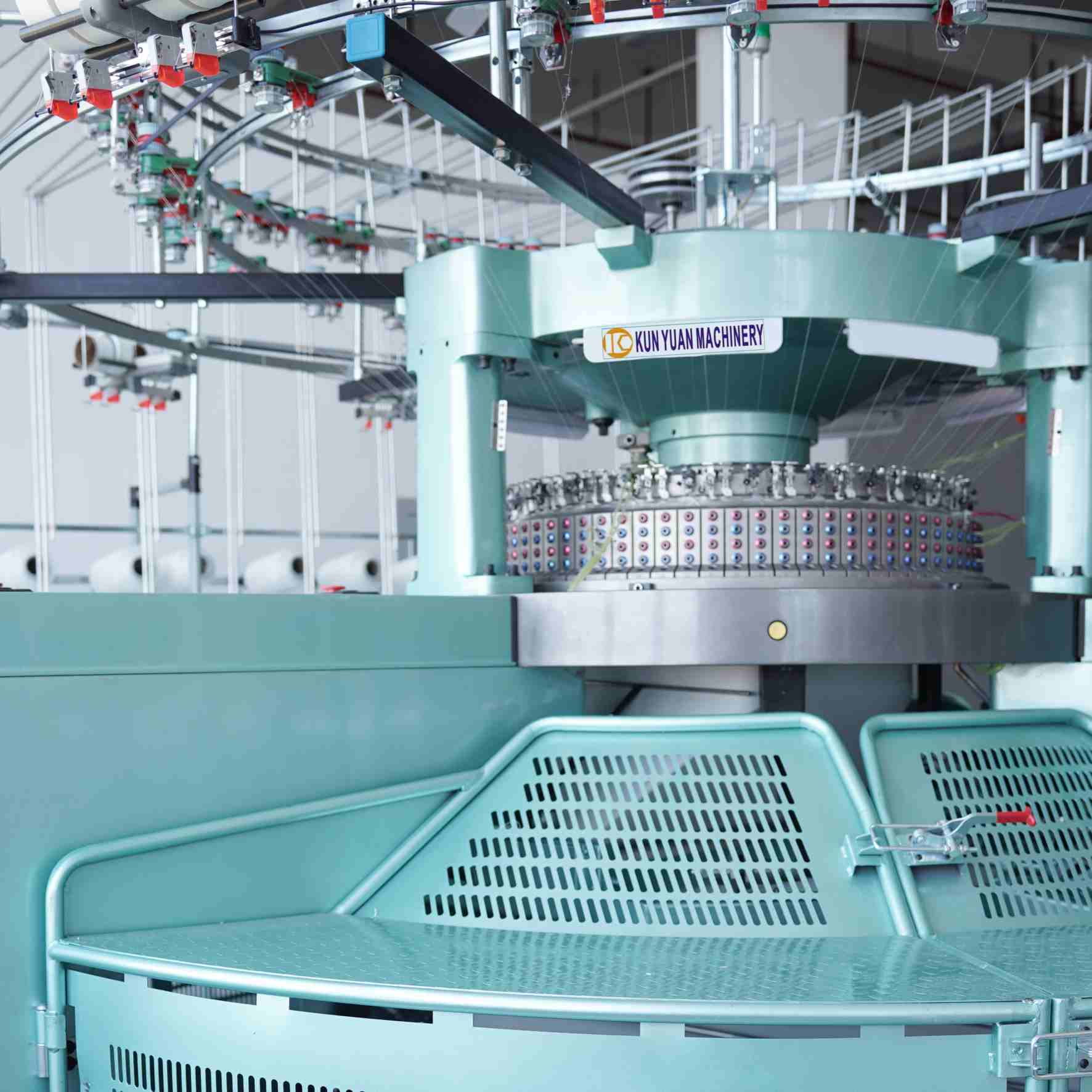
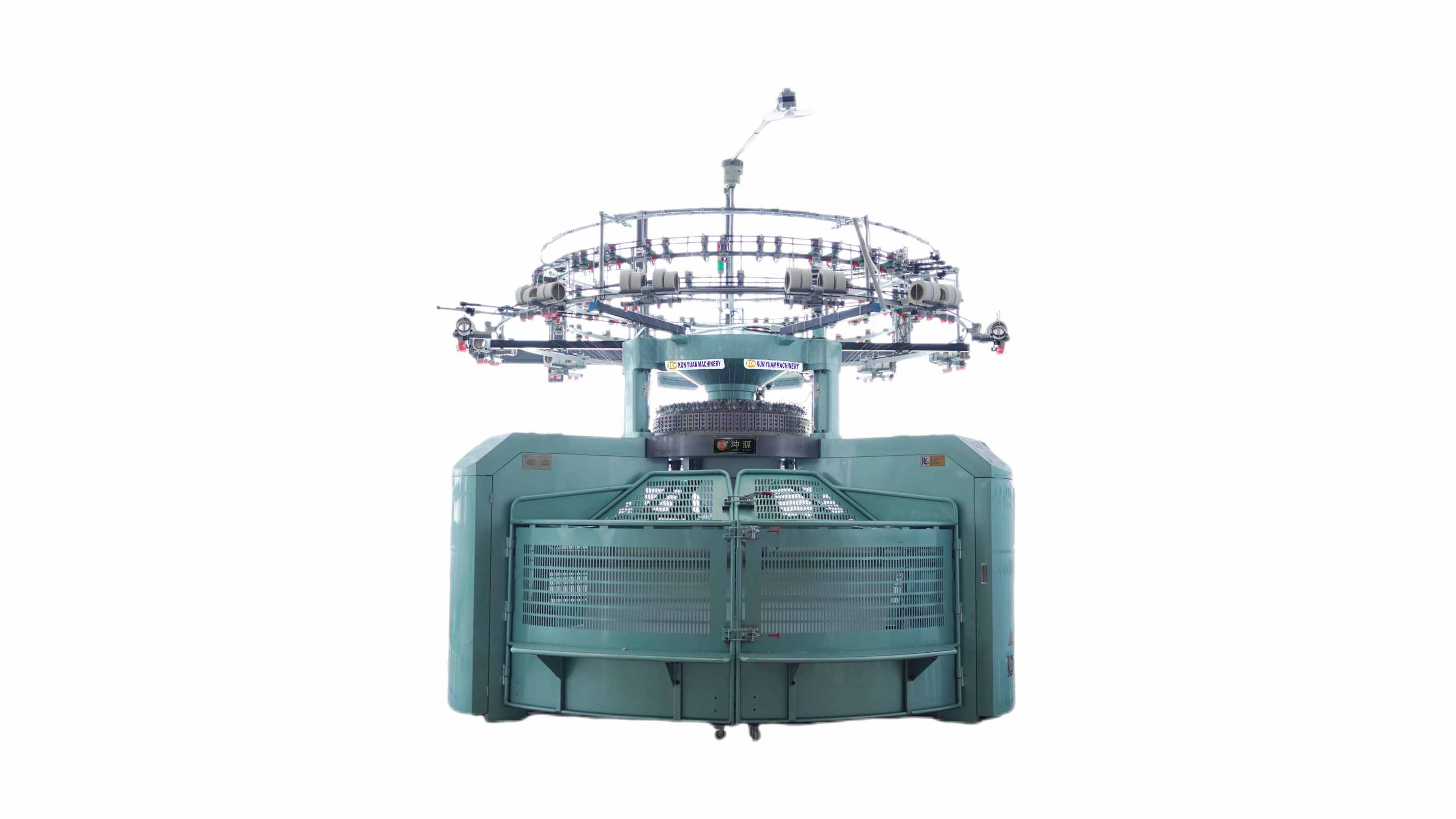
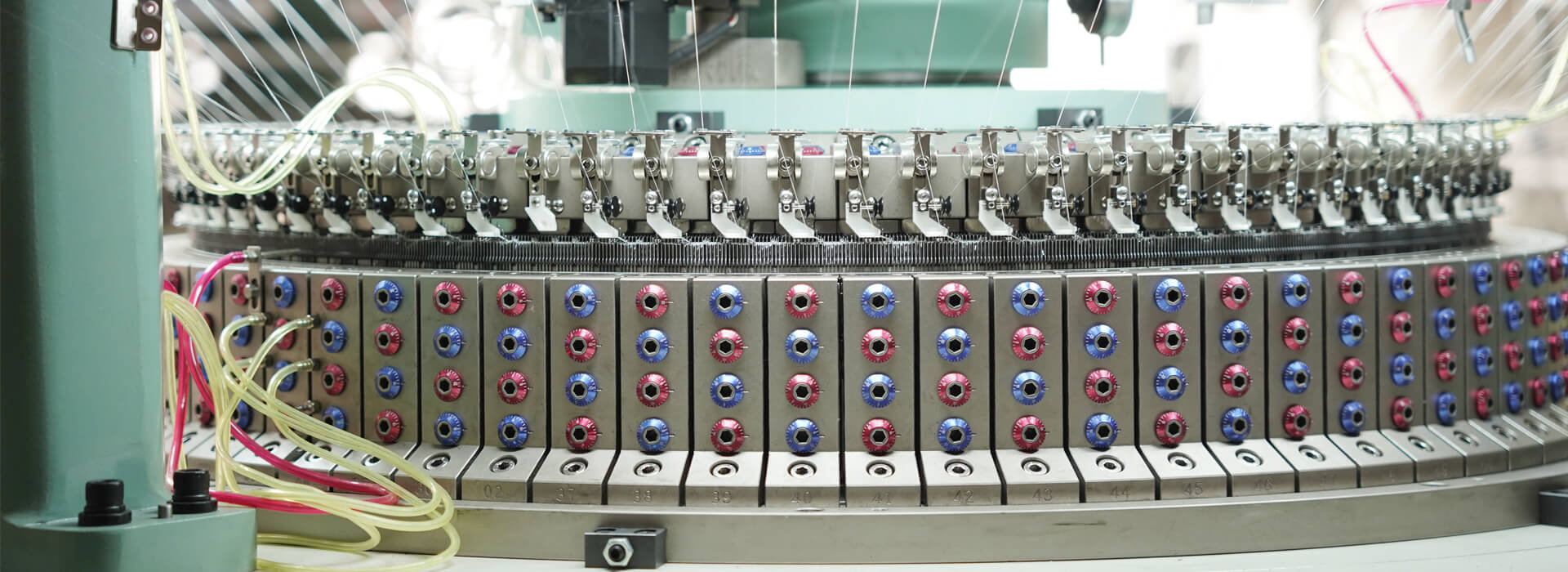
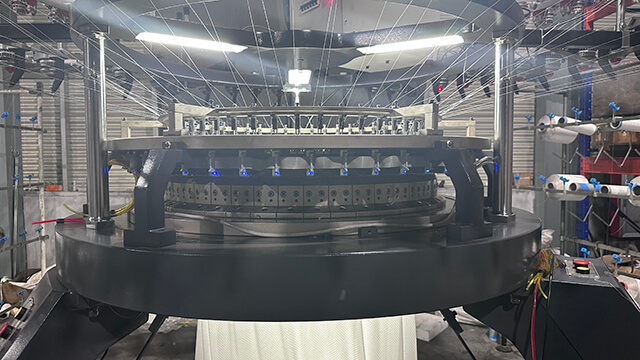
Ask the supplier to identify model, diameter, gauge, feeds, knitting system, selection scope, colour or yarn-change hardware, take-down, controller and paid options used for the trial. Electronic control cannot command mechanical actions that are not installed. A successful sample must include starts, stops, repeat boundaries and representative colour or yarn events, then pass both-face review after finishing.
List source artwork format, colour definitions, repeat dimensions, scaling rules and the required editable and executable outputs. Assign conversion responsibility and name the software or controller revision used. Require file hashes or another stable identifier in the trial record so the physical sample cannot become detached from its code.
State who may edit the file, how approvals are recorded, where backups are stored and what support is included after delivery. Avoid labels such as latest-final. If the supplier retains proprietary conversion elements, the quotation should explain the mill's practical ability to revise, restore and transfer approved patterns.
Request the exact machine and controller configuration, selection level, needle or system arrangement, tracks, feeders, yarn devices and available knit, tuck, welt, transfer or other actions relevant to the target. Do not infer capabilities from the word computerized or from another model's demonstration.
Mark standard equipment, paid options, change parts and buyer-supplied items. If the design requires a float, reverse or registration behavior outside the offered scope, classify it as a redesign or held feature before pricing production.
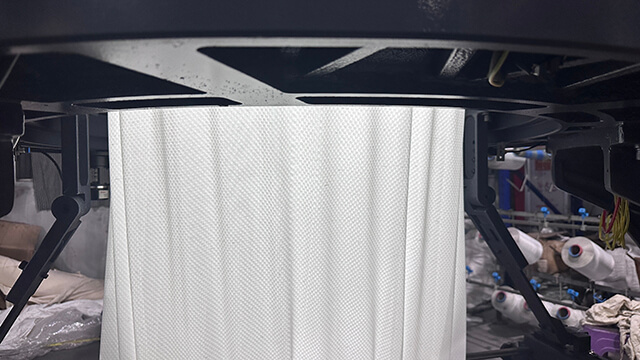
Define buyer yarn, package map, colours, repeat count, warm-up, stable interval, package or colour event, stop and restart. Mark the roll at file loads and edits. Inspect the complete circumference or width for registration, missing selections, bars, lines, holes and repeat-boundary movement.
Review the technical reverse for floats, trapped yarn, show-through and other contractual limits. A clean cropped face image is insufficient. Retain full repeats from stable production and event areas, with machine, file and yarn identity attached.
Carry marked fabric through the intended relaxation, dyeing, washing or heat route and repeat registration, width, weight and surface checks. Record accepted output and intervention time for the target style; do not estimate capacity from maximum RPM or an easier pattern.
The handover pack includes approved files, sample, yarn map, machine setup, conversion notes, backup and restore test, training, support contacts and unresolved limitations. Have the receiving team retrieve and reproduce the pattern. Close the RFQ only when the mill can repeat the accepted finished fabric without an unrecorded supplier edit.
| RFQ item | Supplier response | Trial evidence | Hold condition |
|---|---|---|---|
| File chain | Formats and ownership | Revision tied to sample | Uncontrolled conversion |
| Machine actions | Installed selection and options | Effect-by-effect proof | Borrowed model claim |
| Registration | Repeat and event plan | Full-width/circumference sample | Cropped face only |
| Handover | Backup and training scope | Mill repeat after finish | Supplier-only edit |
No. Define conversion, executable format, revision and the exact controller and machine scope.
No. Installed mechanical actions, feeders, yarn systems and selection level bound the design.
Floats, show-through, trapped yarn and selection faults may not appear on the presentation face.
Use full repeats across stable running, stops, restarts and representative yarn or colour events.
Controlled files, sample, setup, yarn map, backup/restore route, training and declared limitations.
A jacquard RFQ becomes production-ready when the digital and physical records cannot drift apart. File ownership and revision control protect future design work; installed-system mapping prevents unsupported effects; both-face and event trials prove the pattern under real operation. The final handover should let the mill restore one approved file and reproduce its finished repeat independently.
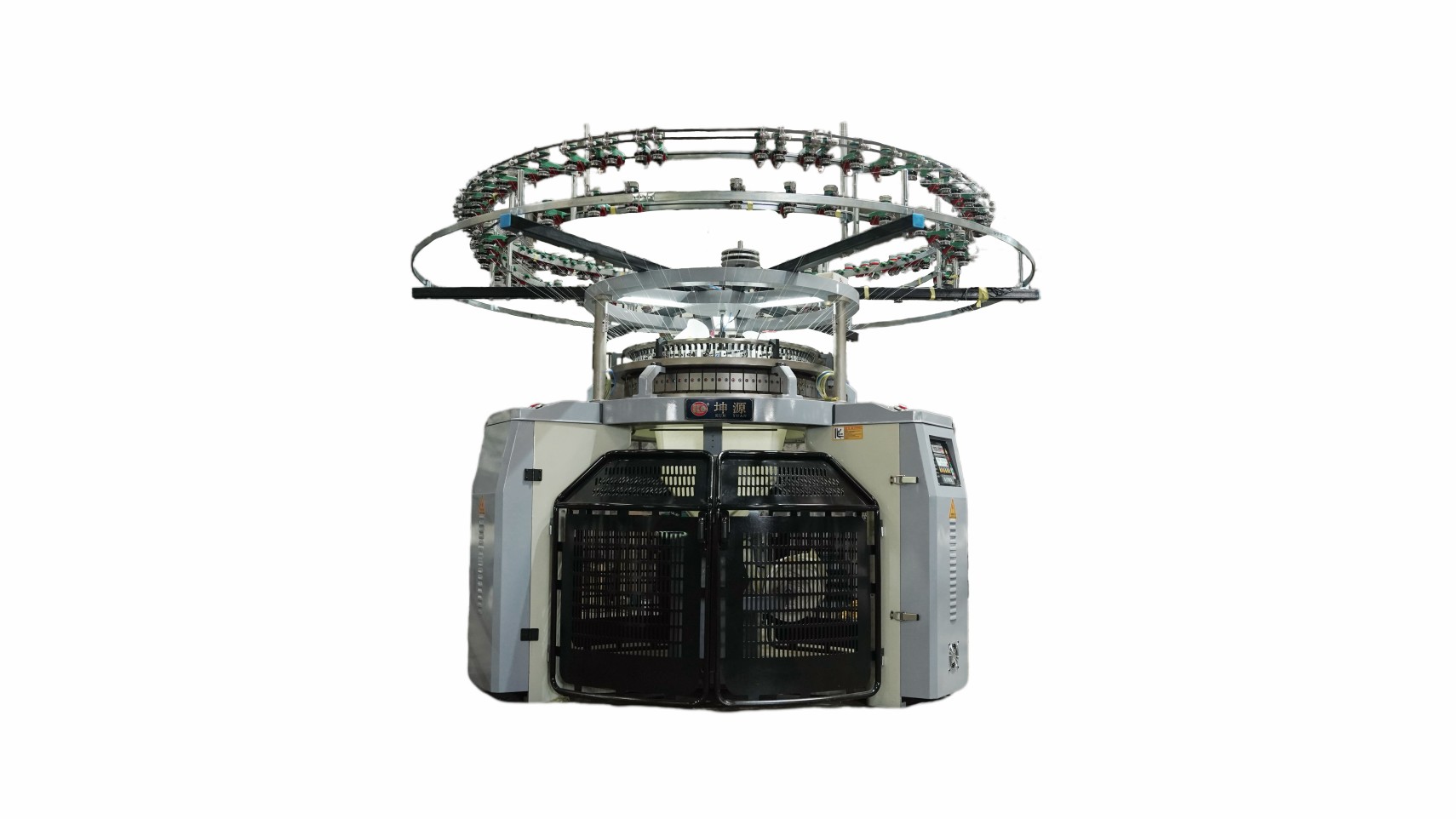
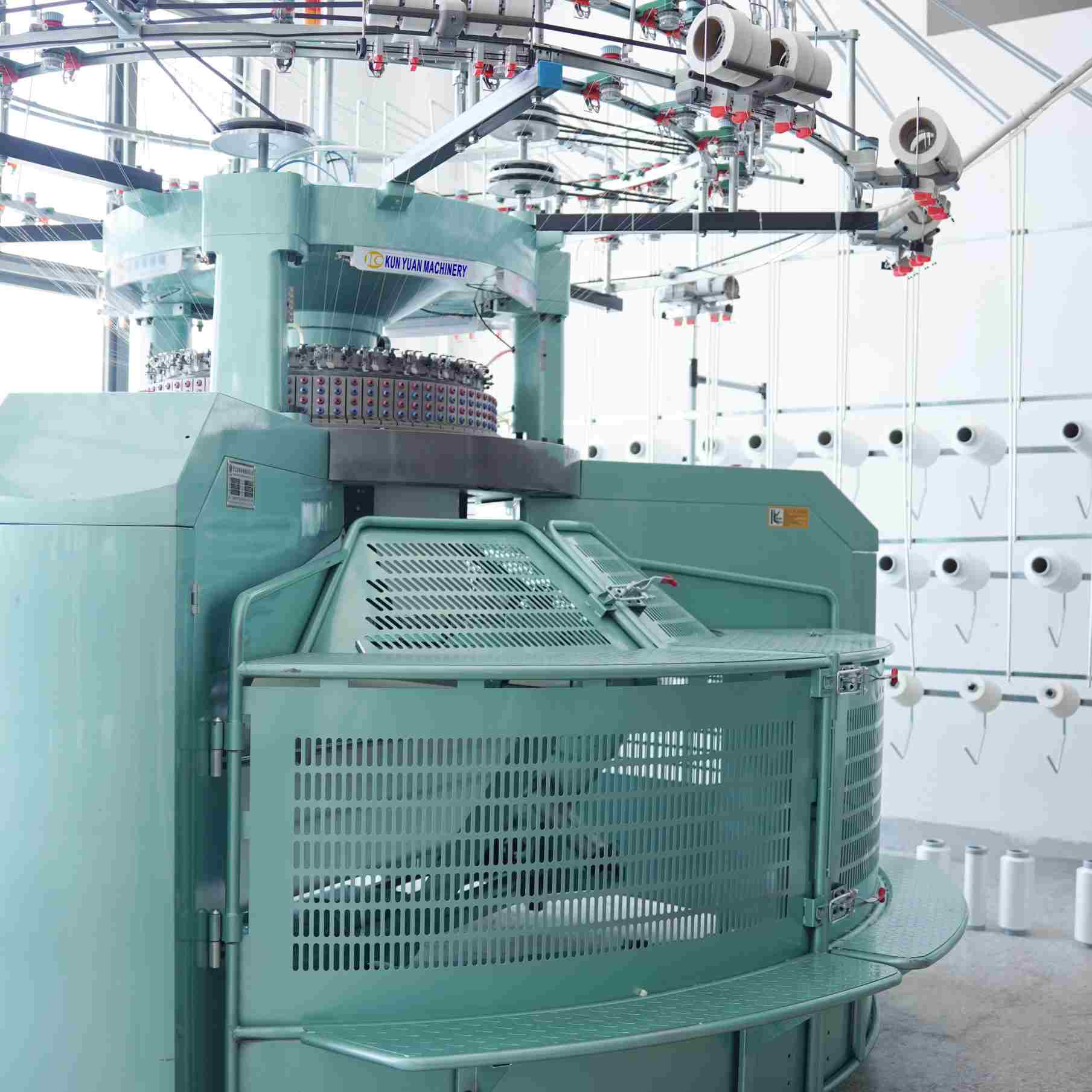
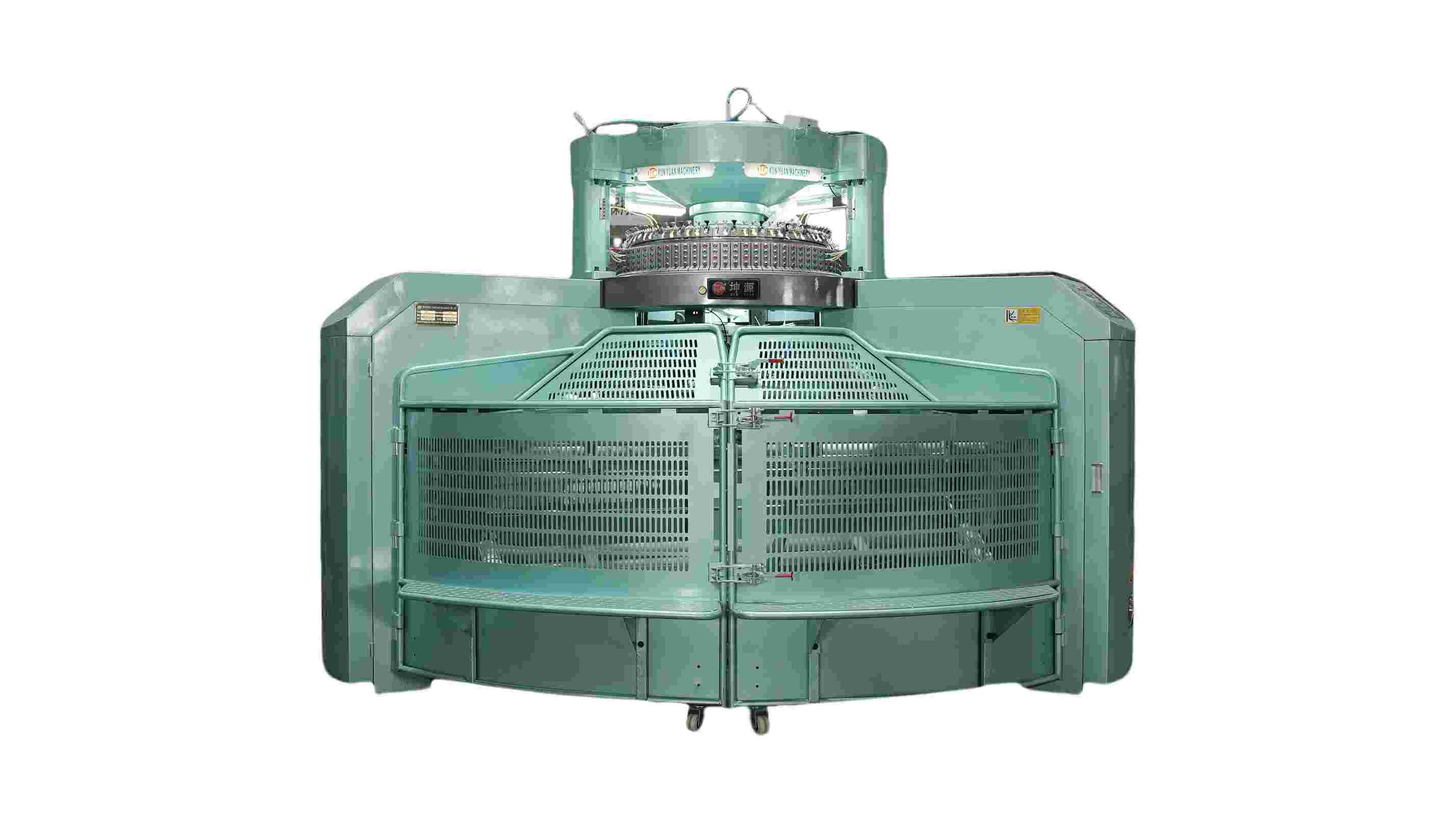
Attach the dossier when reviewing the computerized jacquard circular knitting machine range and make every promised pattern effect traceable to the delivered hardware, approved file and finished sample.

 Tel: +86-13859034518
 Email: info@kunyuanmachine.com
 MP/WhatsApp: +86-13859034518
 Manufacturer Address:Bacuo Village, Yonghe Town, Jinjiang City, Fujian Province