

Hot Keyword:
Author:KUNYUAN Machine Manufacturer TIME:2026-09-18
Withdrawal and winding influence loop demand, width, stop marks and roll geometry. A single take-down setting cannot explain the result unless fabric path, machine configuration and roll position remain traceable.
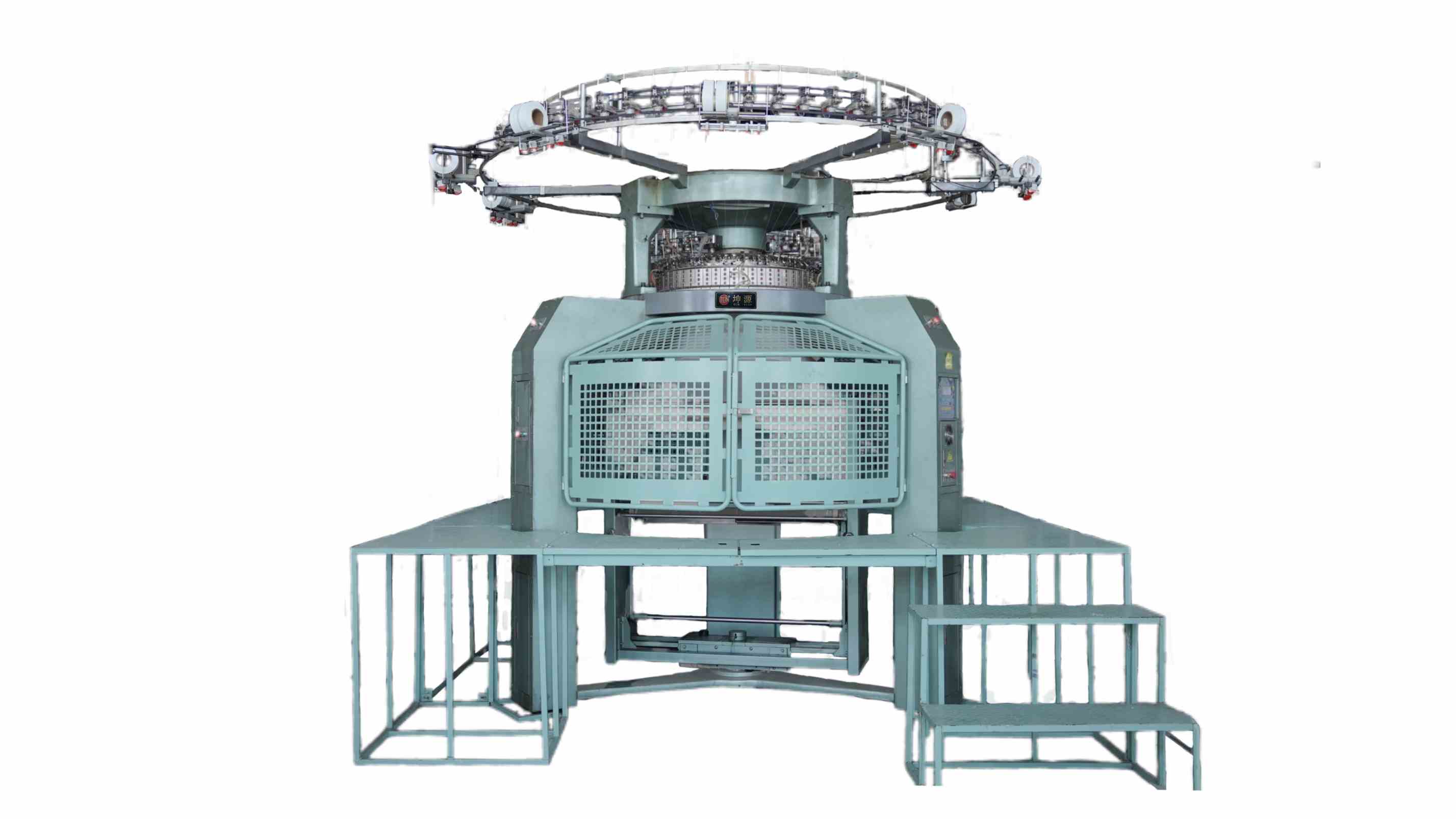
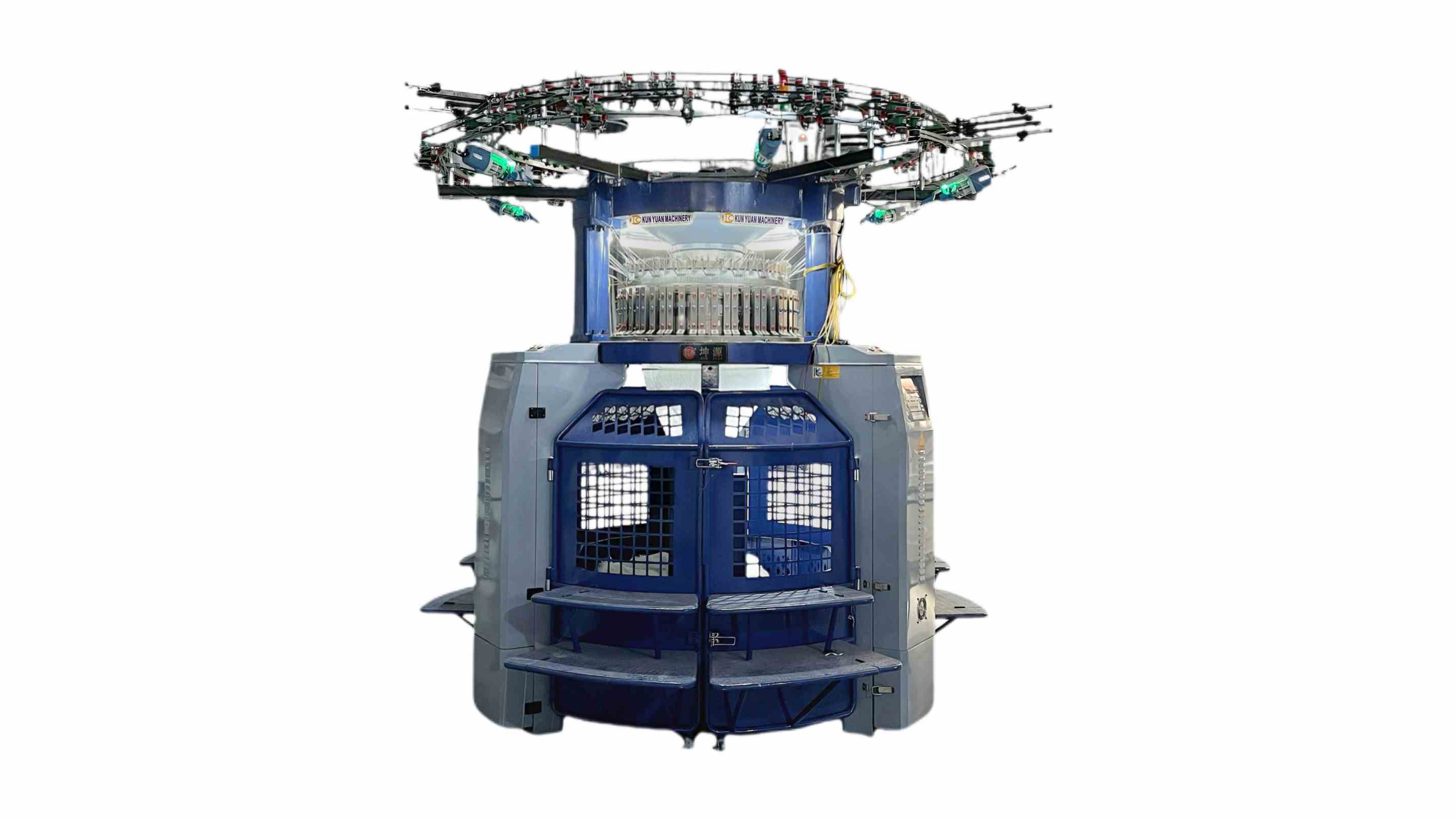
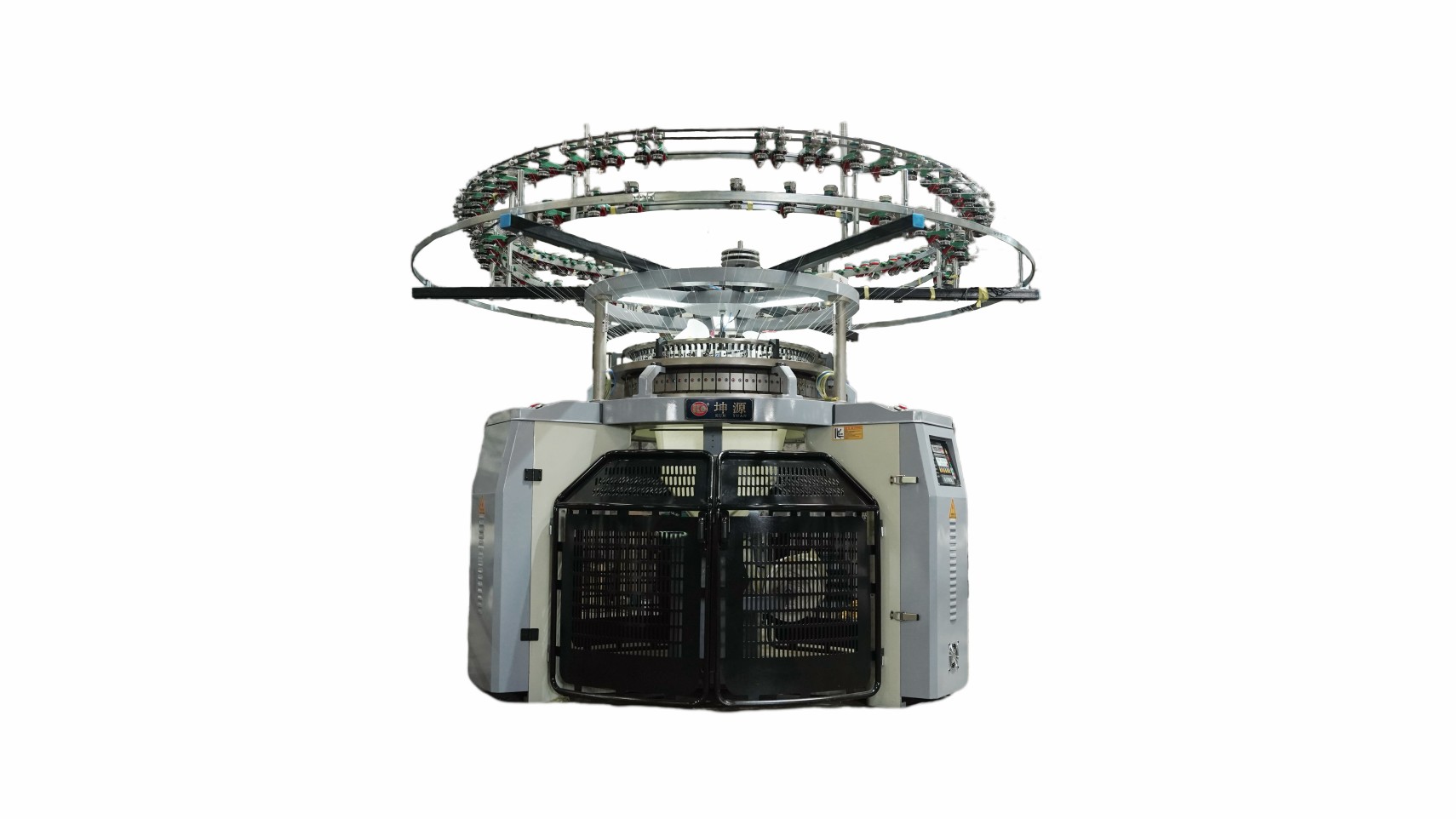
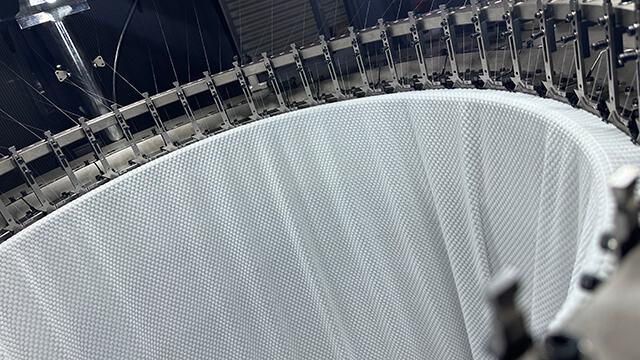
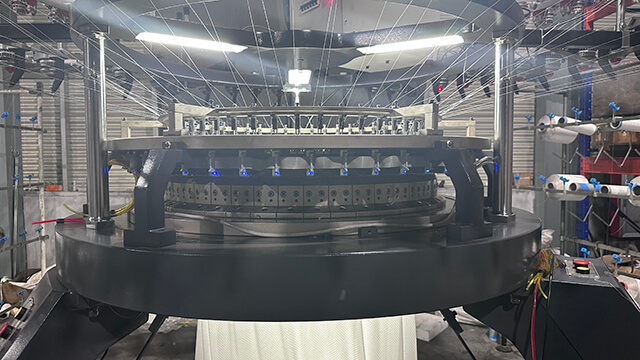
Draw the actual path from loop formation to collection. Identify tubular or open-width route, spreader and center-pipe arrangement where fitted, rollers, drive and control state, slit or opening system, edge handling, winding and roll support. Use the exact machine documentation for permitted setup and service; this blueprint supplies no universal tension, force or speed values.
Define the target fabric by structure, yarn, finished and greige width, weight, stretch direction, surface risk and roll requirement. Mark the fabric circumference or width plus length positions at startup, stable running, setting change, stop and restart. Observe roll hardness, telescoping, folds, edge pressure, width and defects without reaching into moving or guarded areas. Qualified personnel handle protected inspection or adjustment.
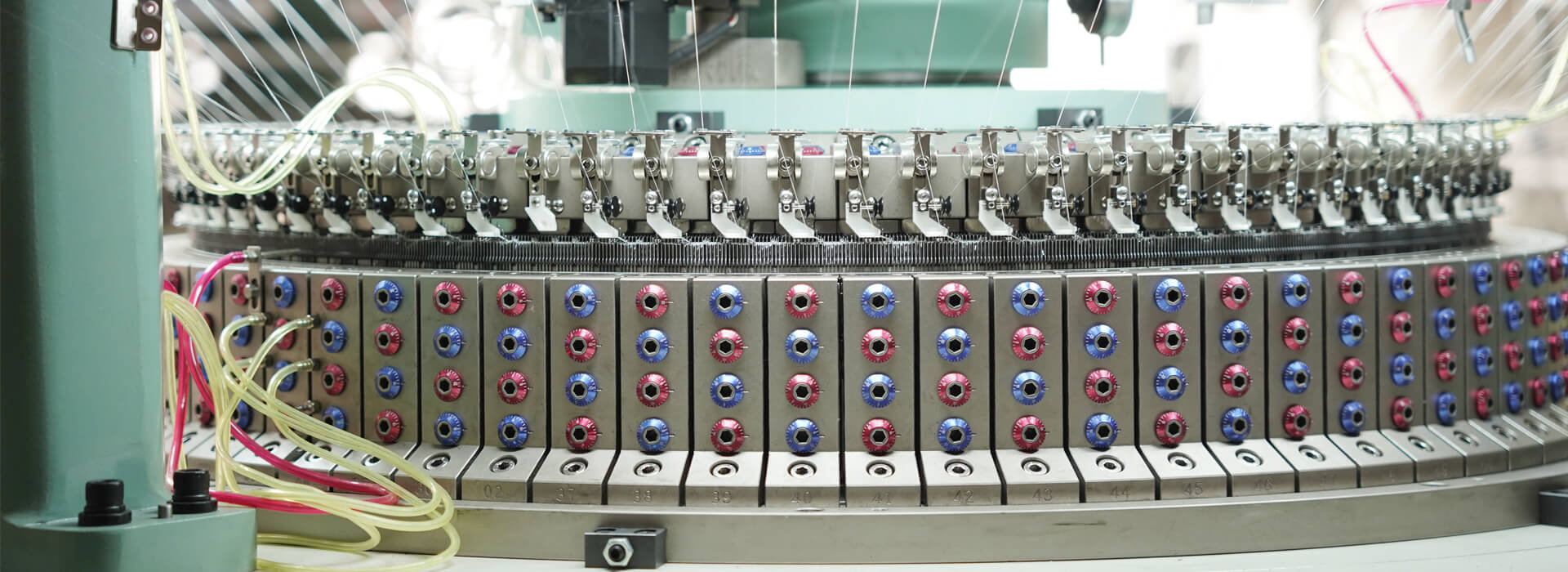
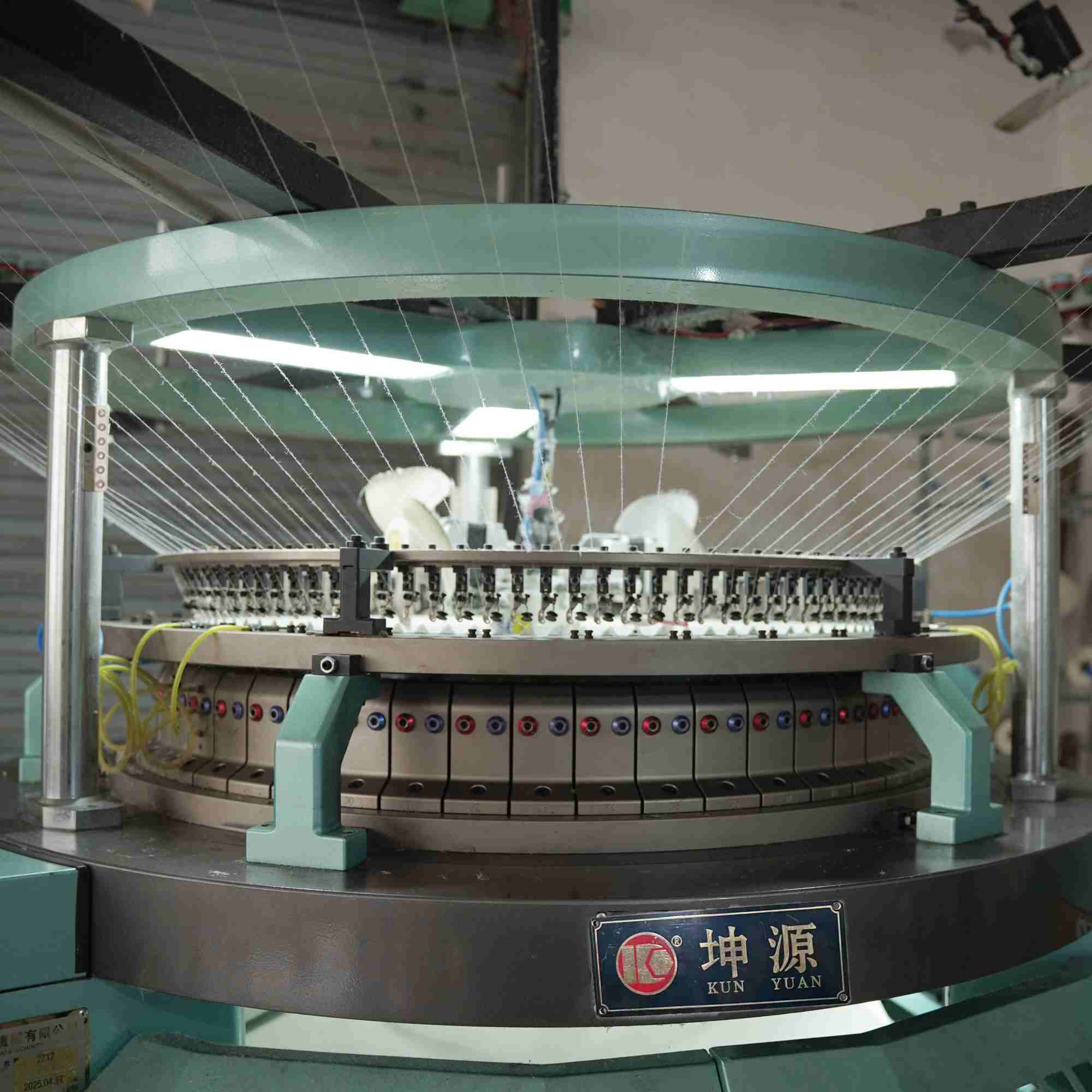
Record machine model, diameter, gauge, knitting system, active feeds, yarn lots, structure and stitch basis. Note any pattern or elastomer region that changes fabric behavior around the circumference. A take-down comparison is invalid when the upstream loop structure or yarn path changes unnoticed.
Mark known feeder, track and stop events on the roll. Inspect both faces near the knitting zone using the approved operating procedure. Preserve a stable baseline before altering withdrawal, unless continued operation risks damage or safety.
Document spreader type, center position, contact points and approved reference for the exact fabric route. Observe whether the tube or open fabric rotates, folds, rubs, narrows or carries uneven pressure. Compare positions around the circumference or across the width rather than judging only the visible front.
A spreader can influence how take-down forces reach the fabric and how width is presented to later rollers. Do not infer alignment or force limits from appearance. Record qualified corrections and place a roll mark at every change.
Use the documented control reference to record take-down and roller state, synchronization with machine operation and any style-specific recipe. Observe slippage, surface contamination, pressure pattern and fabric tracking only within the safe operating boundary.
Run a marked interval long enough to include ordinary package handling and a planned stop-restart. Compare loop appearance, width and horizontal bands before and after the event. Changing stitch, speed and withdrawal together may hide which layer altered the fabric.
Record winding mode, roll diameter or length interval, edge condition, alignment and handling. Inspect telescoping, creases, crushed surface, variable hardness and marks that appear only after storage or unwinding. For open-width routes, follow both edges; for tubular routes, preserve circumference orientation.
Relax or finish identified samples and remeasure width, weight and visual criteria. Release the setup only when the roll unwinds cleanly and the commercial fabric remains accepted. A neat roll exterior is not enough if inner layers carry pressure marks or width drift.
| Zone | Recorded state | Fabric evidence | Hold trigger |
|---|---|---|---|
| Knitting exit | Structure, yarn and events | Loop and face baseline | Upstream change |
| Spreader/path | Contact and orientation | Width/circumference balance | Fold or rotation |
| Withdrawal | Drive and roller state | Restart and band record | Slip or unstable pull |
| Winding | Roll build and handling | Unwind and finished check | Pressure or edge damage |
No. Use the exact machine documentation and a controlled fabric trial for the structure and collection route.
Horizontal bands or width changes may appear at the transition and help isolate synchronization effects.
No. Inspect both faces and the complete width or circumference.
No. Unwind inner sections and verify relaxed or finished fabric dimensions and surface.
Only qualified personnel following the manufacturer and site safety procedures.
Take-down should be treated as a continuous path from newly formed loops to the stored roll. A blueprint with machine state, fabric coordinates and marked interventions helps the mill separate spreader contact, withdrawal synchronization and winding effects. The accepted route is the one that produces a stable roll and retains finished width and surface without undocumented correction.
Use the force-path drawing when reviewing the circular knitting machine range and require the offered tubular or open-width collection route to be demonstrated with the target fabric.

 Tel: +86-13859034518
 Email: info@kunyuanmachine.com
 MP/WhatsApp: +86-13859034518
 Manufacturer Address:Bacuo Village, Yonghe Town, Jinjiang City, Fujian Province