Buy the demonstrated fabric result, not an assumed winner between yarn labels
Carded and combed describe preparation routes, but an order arrives as specific yarn lots. A fair knitting trial keeps those identities visible and tests whether each lot meets the same finished-fabric brief at an acceptable cost.
Rieter describes cotton preparation, combing and the separate end-spinning technologies. Combing removes short fibres and neps; that process distinction does not predict the exact stops, surface or yield of two unidentified knitting lots. Ring, compact and rotor spinning also must not be silently treated as the same construction.
This recommended comparison worksheet has two stages: a declared common-method trial and, if authorised, separately identified optimisation trials. The first isolates the proposed yarn alternatives as far as practical. The second asks what each approved route can commercially deliver. Mixing these stages makes an apparent yarn advantage impossible to interpret.
Candidate A - establish what the carded lot actually contains
Collect the lot reference, fibre composition, declared preparation route, spinning system, count and units, twist information where supplied, package format and available quality report. Confirm whether the yarn has relevant waxing, lubrication or other preparation that affects its delivery route. Record evidence as supplied, distinguishing measured lot data from a sales range. A generic certificate from another delivery cannot stand in for the trial packages.
Write the reason this candidate belongs in the comparison. It may be an incumbent yarn, a proposed cost alternative or a source that the mill can obtain consistently. Do not begin by assuming that it will shed more lint or fail the finished surface brief. Define observations that could reject it, including knitting interruptions, visible imperfections, processing response or buyer appearance criteria. Keep those same commercial questions open for the combed candidate rather than giving one route easier acceptance rules.
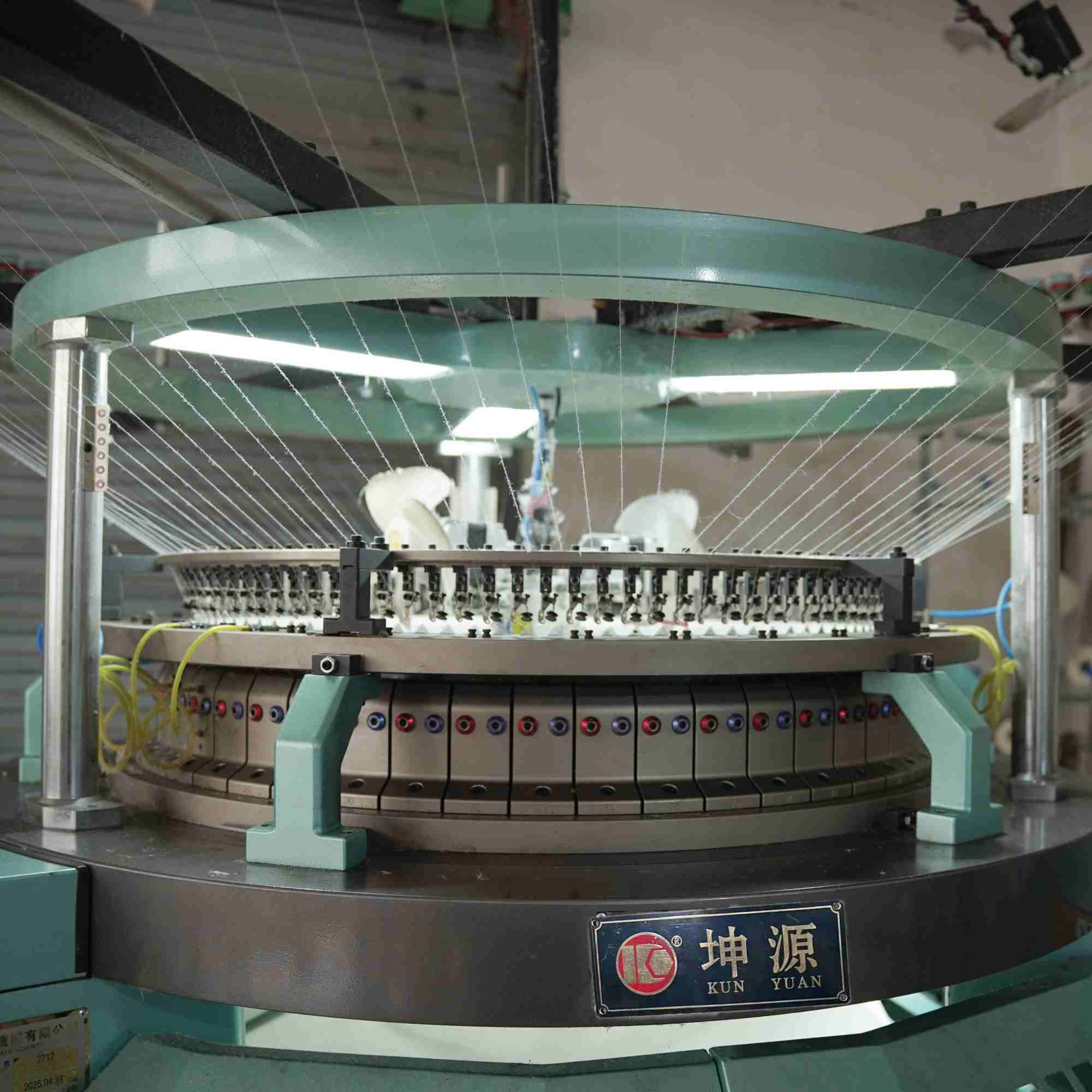
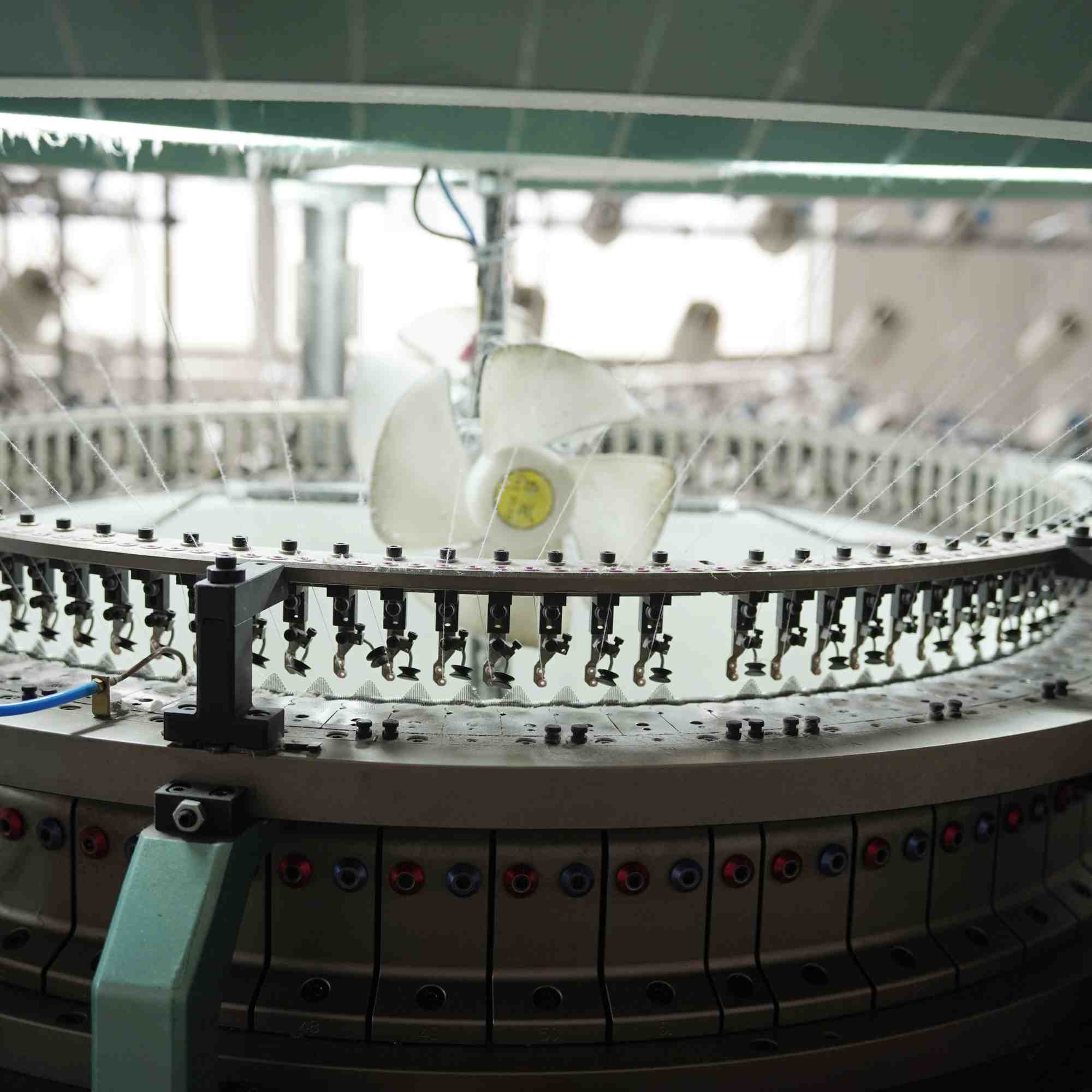
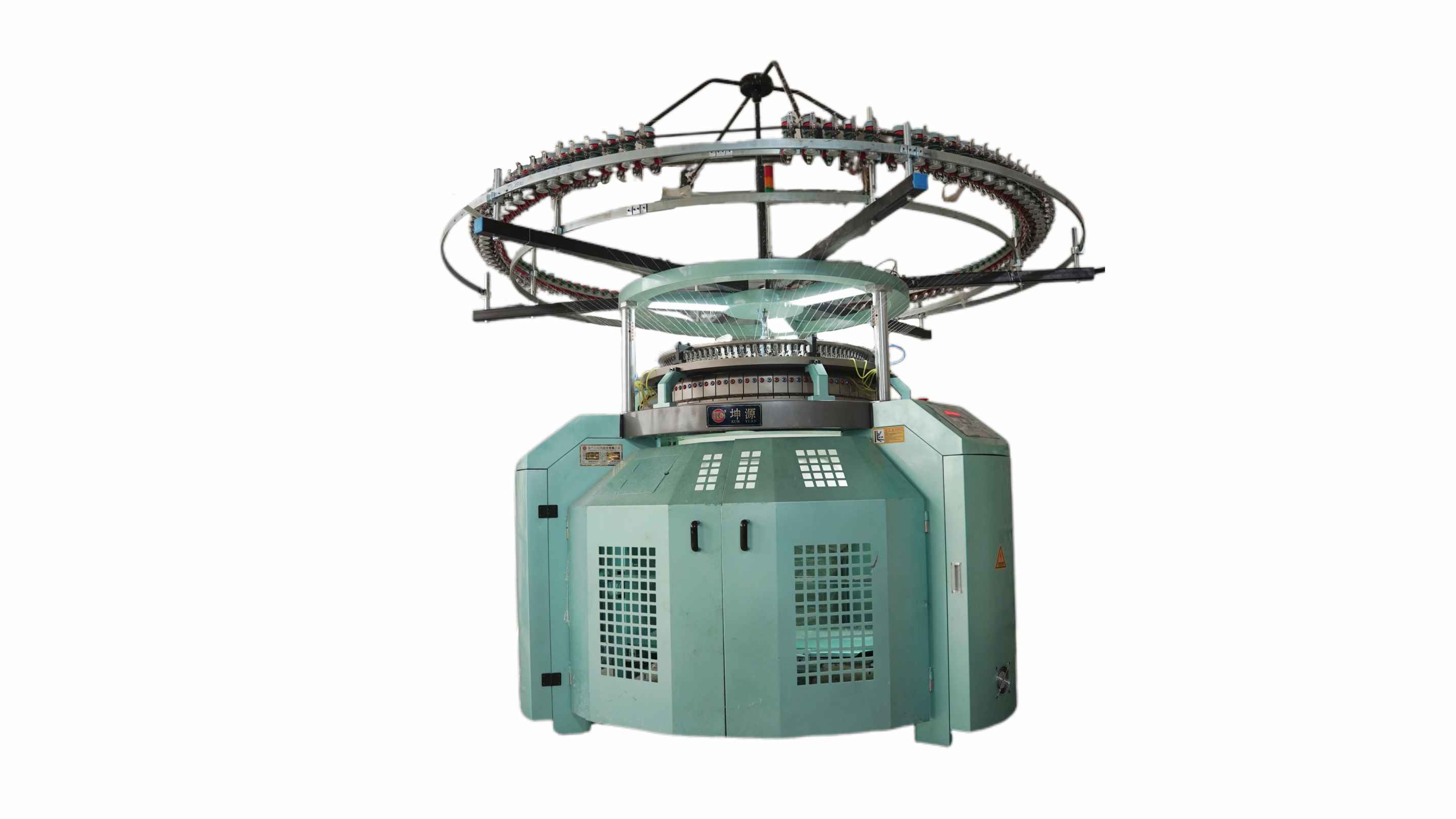
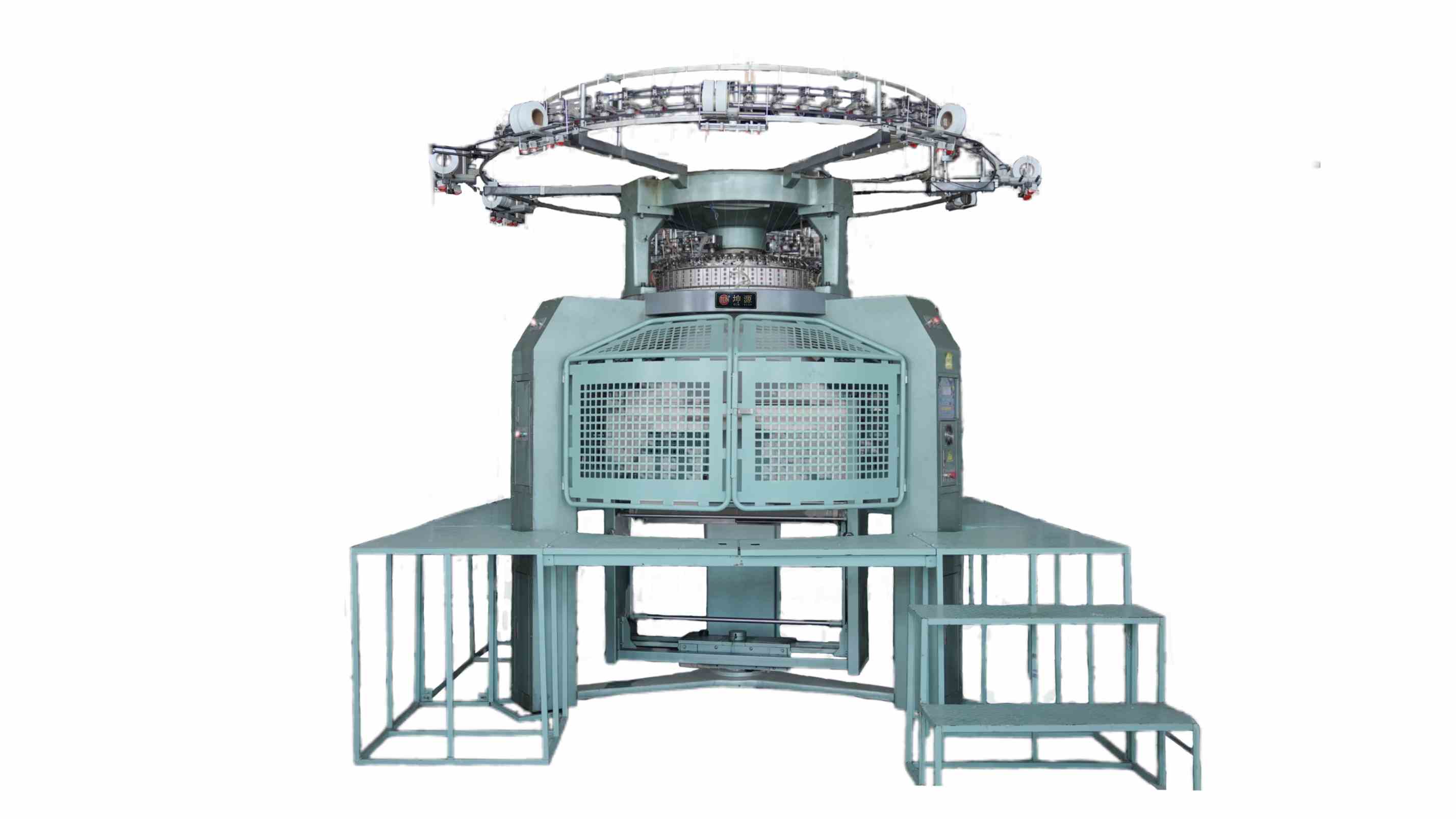
Machine context only; this is not an image of a carded-yarn trial.
Candidate B - identify the proposed benefit and its measurable boundary
Gather the same identity fields for the combed lot and explain any unmatched characteristic. If count, fibre blend, spinning system or finishing preparation differs, record that the experiment compares commercial yarn packages rather than isolating combing alone. This distinction does not make the trial useless; it limits which conclusion can be drawn from it.
Ask the supplier to connect the proposed premium to a relevant measured property or to a finished-fabric requirement that the trial can assess. Avoid accepting a universal promise of softer cloth, fewer breaks or higher output from the word combed. A preparation advantage can be commercially valuable, but the magnitude and usefulness must be established for the buyer's construction. Preserve the quoted price, order quantity and delivery conditions separately from the technical data so a later purchasing change does not rewrite what the sample actually demonstrated.
The comparison requires identified yarn packages and retained fabric.
Trial method - control the route and mark any necessary departures
Use the same target construction and agreed sampling method for both candidates. Record machine identity, approved recipe, operator, sampling positions, package changes and the sequence of the runs. Keep a record of cleaning or other transition work that could affect the next lot. Where the trial order may matter, consider an agreed repeat or reference run; label this as experimental design rather than an OEM requirement.
Log yarn-related stops with the observation used to classify them, separating uncertain causes from confirmed ones. Record inspected fabric quantity and defect locations so the two runs have a comparable denominator. Process identified samples through the same declared finishing route, then assess the contracted properties in a common state. If a candidate requires an authorised setting change, preserve its original result and open a separate trial entry. Do not erase that departure by labelling the whole exercise identical conditions.
Decision - price accepted fabric and preserve the uncertainty
First ask whether each candidate meets the finished brief. Only then compare cost on a clearly defined accepted-fabric basis, using the actual yarn price, observed material losses, recorded operating time and the processing costs included in the study. Keep these assumptions visible and avoid counting the same rejected fabric as both a full loss and an extra separate charge.
A small development trial may identify a promising candidate without establishing stable long-run rates. Show the observed results and the remaining production confirmation separately. Where both routes pass, procurement can weigh delivery consistency and the demonstrated cost difference. Where one fails, explain the failed property rather than announcing that its preparation category is generally inferior. Retain the accepted samples and a substitution rule requiring review when the supplier changes count, spinning route, treatment or another input outside the demonstrated comparison.
No carded/combed performance result is implied by catalogue imagery.
Recommended carded/combed lot decision
Question
Carded lot evidence
Combed lot evidence
Decision boundary
Comparable inputs?
Count, blend, spinning and treatment
Same fields and declared differences
Preparation-only or package comparison
Knits acceptably?
Stops and inspected quantity
Same observation basis
Confirmed versus uncertain causes
Finished brief met?
Common-state sample results
Common-state sample results
No label-based exemption
Commercially justified?
Accepted-fabric cost assumptions
Premium and demonstrated benefit
Production confirmation still needed
Cotton yarn comparison questions
Is combed cotton always the correct choice?
The preparation route can improve relevant yarn characteristics, but the purchase should follow the specified fabric result and the actual lots under review.
Can carded rotor and combed ring yarn isolate combing effects?
No. They may be valid commercial alternatives, but their spinning systems also differ. State that the trial compares complete yarn packages.
Should a required setting change be hidden to keep the trial fair?
No. Retain the common-method result and document the authorised change as another trial branch with its own specimen identity.
Why compare after finishing?
The buyer purchases a finished fabric outcome. Keep knitting observations and finished acceptance together while preserving the processing history.
Does one short run prove annual savings?
It provides limited trial evidence. State the observed denominator and obtain production confirmation before presenting an annual saving as established.
Conclusion
A useful cotton comparison explains both what changed and what was held common. Identified lots, declared trial departures and a shared finished brief make the result interpretable. Choose the route that demonstrates the required fabric and commercial case, while leaving unsupported long-run projections visibly unresolved.
Submit both yarn identities when reviewing the Circular Knitting Machine range and request a comparison tied to the same finished-fabric brief.








 Tel: +86-13859034518
 Email: info@kunyuanmachine.com
 MP/WhatsApp: +86-13859034518
 Manufacturer Address:Bacuo Village, Yonghe Town, Jinjiang City, Fujian Province