

Language
Hot Keyword:
Author:KUNYUAN Machine Manufacturer TIME:2026-10-24
A detector signal and a stopped knitting machine are different events. A useful RFQ identifies the fault to be detected, the installed monitoring coverage and the evidence that the machine responds as agreed.
Here needle detector means monitoring associated with the knitting process. It does not mean a downstream metal-screening conveyor for finished garments. MEMMINGER-IRO's NW documentation names particular needle-related conditions, while its OFW documentation describes yarn-break and snatching detection. These distinct functions should not be merged into an unspecified all-fault protection claim.
This dossier is a recommended procurement checklist. The supplier must define the safe test method for the exact sensor, machine and controller combination. No test here calls for deliberately damaging needles, reaching into moving equipment or defeating an interlock. A quality-monitoring device must not be presented as a personnel-protection system without the appropriate separate evidence.
Ask the vendor to identify the detector model, sensing principle as documented, relevant needle system and conditions it is designed to recognise. Request a separate answer for each condition in the buyer's brief. A product description naming closed latches, for example, must not silently become a guarantee covering every possible needle fault, every fabric defect or every fragment in a finished garment.
List exclusions and uncertain cases beside the positive claims. The supplier should explain whether detection depends on installed position, component geometry, operating state or another documented prerequisite. Distinguish a needle-related signal from yarn-break monitoring and fabric inspection. If the proposed package contains several devices, assign each claimed function to its own device and evidence reference. This makes gaps reviewable before purchase and prevents the same brochure sentence being used to justify unrelated quality-control responsibilities.
Identify the machine model and revision, sensor mounting arrangement, controller interface and the party responsible for integration. Request a drawing or controlled installation record from the supplier, with the exact device and connection references. Electrical values and permitted mounting details must come from the applicable documentation; this article supplies neither a wiring recipe nor a universal installation dimension.
Trace the intended sequence from a recognised condition to the sensor output, controller indication and commanded response. State which records or displays will let the mill distinguish these events during acceptance. Agree what happens after an indicated fault, including who inspects the fabric and who is authorised to restore operation under the machine procedure. The purchase should include necessary documentation and support responsibilities, not merely a boxed sensor whose behaviour in the installed machine remains unassigned.
Before testing, require the supplier to propose a method that represents the claimed condition without introducing uncontrolled damage or unsafe access. Identify the demonstration fixture or simulation, its limitations and the qualified personnel responsible. Some demonstrations may prove an electrical response while leaving actual fault-recognition coverage untested. Label that distinction instead of accepting a controller lamp as complete evidence.
For each approved case, retain the machine state, detector identity, trigger description, indication, observed machine response and result. Agree whether response timing or affected fabric length is relevant and how it will be measured; do not invent an acceptable stopping time. Include an appropriate normal-operation observation to discuss nuisance indications. Unperformed cases remain open. Where a safe representative test is unavailable, resolve the claim with the supplier before using it as a contractual guarantee.
Compile the function matrix, installation record, approved test procedure, results and outstanding exceptions into the machine handover. Include the supplier's inspection, cleaning and service instructions applicable to the delivered detector. Do not substitute a generic maintenance interval or an improvised sensitivity adjustment for the actual documentation. Train the receiving team to identify which device raised an indication and where its recorded claim boundary is stored.
Agree when a recheck is required, for example after relevant service, replacement or an integration revision, using the supplier's requirements and the mill's quality system. Connect the event log to fabric disposition so operators know how an indicated interval will be reviewed. Acceptance is complete when the promised functions are demonstrated or explicitly qualified, responsibilities are assigned and the receiving team can use the records. It is incomplete when unresolved coverage is hidden behind a general statement that a detector was fitted.
| Claim | Required evidence | Insufficient substitute | Owner |
|---|---|---|---|
| Recognises stated condition | Device scope plus representative approved test | Generic detector label | Device supplier |
| Covers installed arrangement | Documented position and compatibility | Unrelated catalogue photograph | Integrator |
| Machine responds | Controller and response observation | Sensor indication alone | Machine supplier |
| Mill can maintain claim | Handover and recheck instructions | Assumed lifetime protection | Receiving quality team |
No. The dossier concerns knitting-process monitoring. Downstream metal screening has a separate purpose and requires its own equipment specification.
Not by implication. Attribute each detection claim to the exact device and its documented scope rather than combining different sensors under one label.
It proves only the observed indication. Machine response must be recorded separately using the agreed safe acceptance method.
Do not improvise destructive or unsafe trials. The supplier must define an approved representative method and disclose what that method actually demonstrates.
Do not infer personnel-protection performance from a production-quality function. Any such claim needs its own appropriate system-level evidence.
A needle-detector purchase is well specified when detection scope, integration and machine response have separate evidence. The dossier should make excluded conditions and unperformed demonstrations easy to find. That gives procurement a defensible acceptance decision and gives production a clear account of what the installed monitoring actually covers.
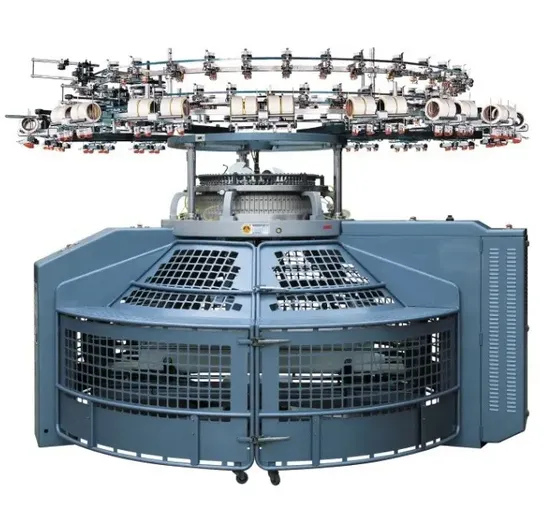
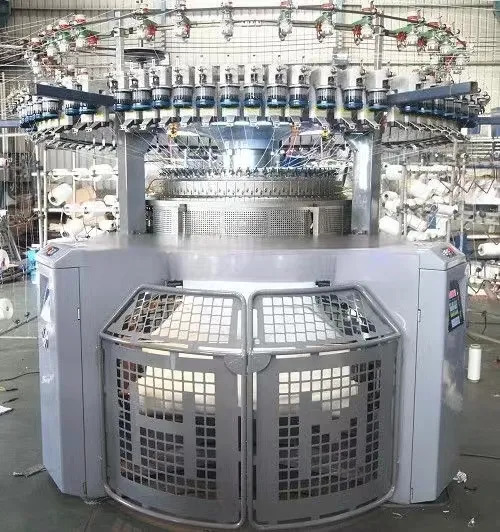
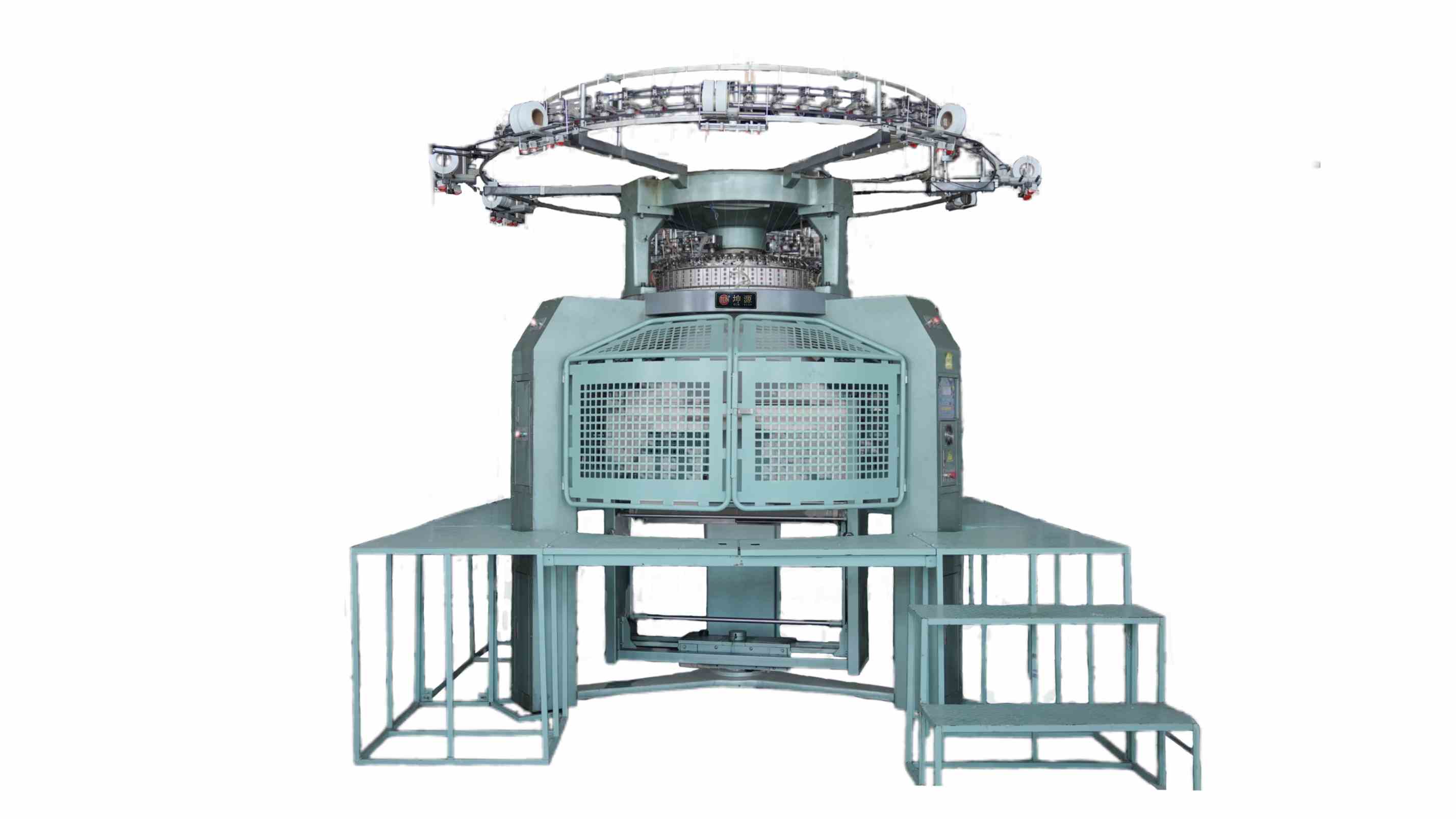
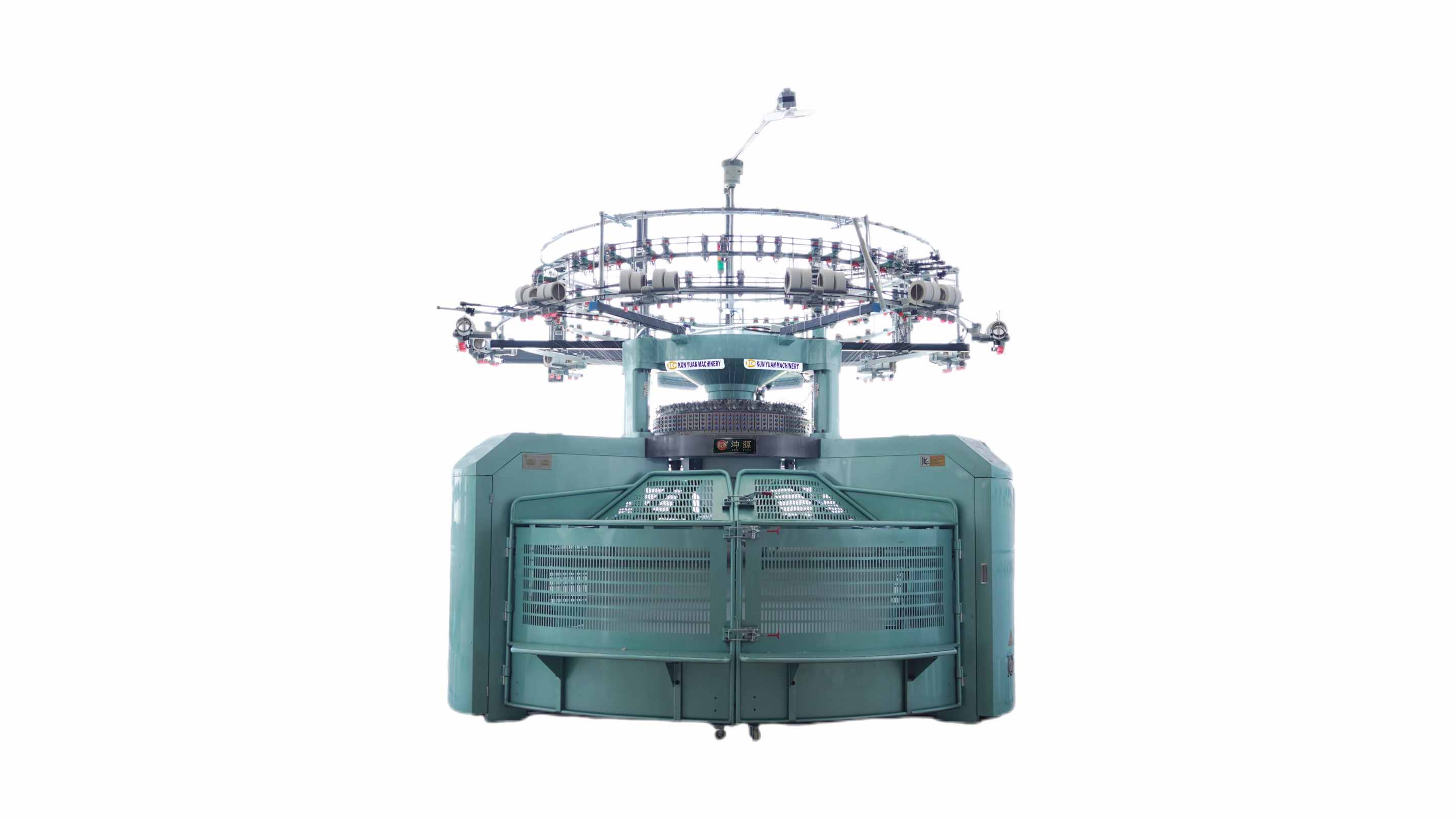
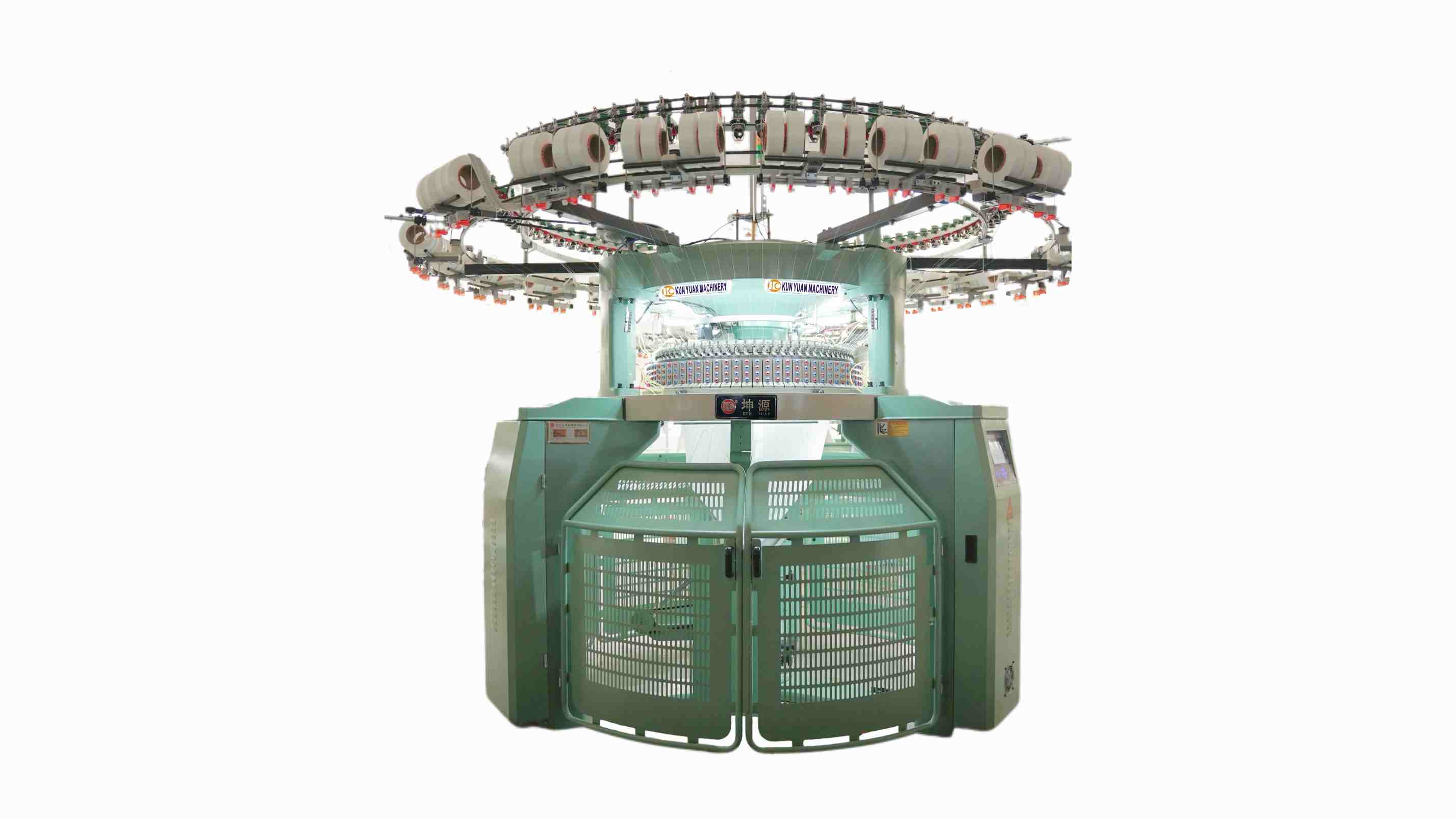
Attach the detector dossier to enquiries for the Circular Knitting Machine range and ask the machine supplier to own the proposed integration and demonstration scope.

 Tel: +86-13859034518
 Email: info@kunyuanmachine.com
 MP/WhatsApp: +86-13859034518
 Manufacturer Address:Bacuo Village, Yonghe Town, Jinjiang City, Fujian Province