
Language
Hot Keyword:
Author:KUNYUAN Machine Manufacturer TIME:2026-10-28
A horizontal mark near a stop can belong to several events: the delivery disturbance, machine deceleration or the subsequent restart. Preserve their order. The feeder that displayed an indication and the package that supplied it are useful coordinates, but neither alone identifies the cause.
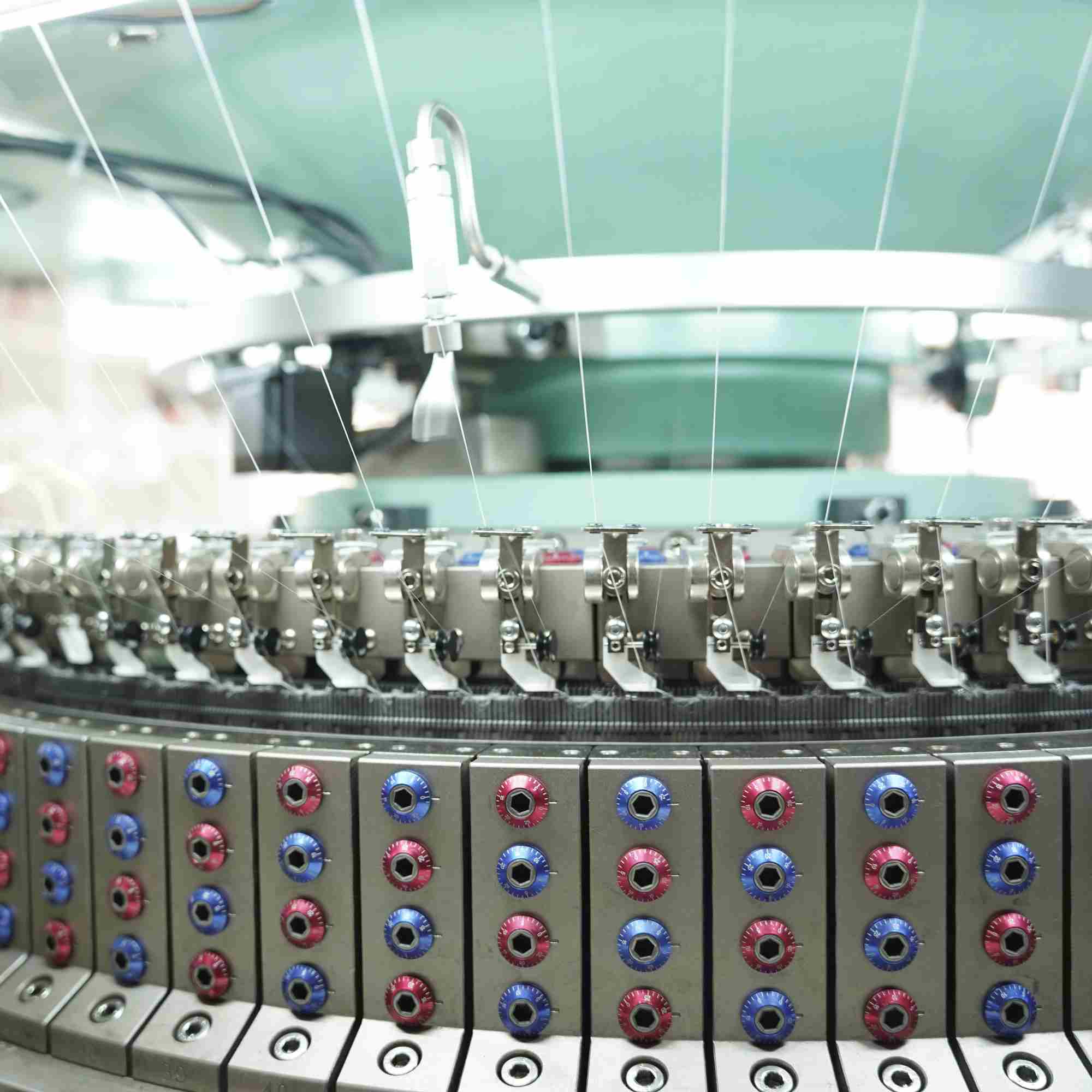
MEMMINGER-IRO describes the MPF P as a positive feeder with yarn-break stop indication and named yarn-contact components. Its MSF 3 description explains a storage feeder with separated windings and control responding to average consumption. These are examples of different delivery functions, not proof that either device is installed on a particular Kunyuan machine.
Build the investigation around one steady-colour ground-yarn path. Record the actual feeder model and its supplied instructions before deciding what can be observed or changed. Operator observations must remain within the guarded operating procedure. Cleaning, adjustment, mechanical work and electrical checks require the OEM-qualified route and the site's energy controls.
Save the displayed indication, feeder position, machine event time and operator account before a reset erases their relationship. Note whether yarn delivery appeared disturbed before stopping, during deceleration or only after restart. Mark the fabric interval that can contain those events and preserve a stable-running reference beside it. Record uncertainty where the machine provides no synchronized event history.
Inspect the band on both faces in the same fabric state and lighting. Distinguish a localized path observation from a band extending across the tube. Check whether the original problem is a missing yarn, altered loop appearance or a shade difference that becomes visible later. Do not rename every horizontal band a feeder stop mark simply because an alarm occurred somewhere on that roll.
| Observed pattern | Evidence to retain | Permissible comparison | What it cannot prove |
|---|---|---|---|
| Stops associated with one package | Package identity, size and joins | Approved known-package substitution | A universal yarn defect |
| Stops remain at one feed | Feeder model and path observations | Qualified local service assessment | The feeder alone is faulty |
| Indication improves; band persists | Corrected interval and restart mark | Separate operating and fabric review | Alarm reduction equals quality release |
| Band appears after finishing | Paired greige and finished identities | Matched finish and appearance comparison | Dyeing created the original disturbance |
Record supplier lot, package identity, remaining size, visible winding condition and joins for the affected path. Note accessible observations of unwinding and guide passage under the approved procedure. Compare the package history with other stops: a repeat associated with one package is different evidence from a repeat at one feeder with several packages. Preserve both possibilities.
Where the OEM-approved trial permits it, substitute a known acceptable package while keeping the feeder assignment and operating recipe fixed. Label the substitution and its fabric interval. Moving a package to another path may provide additional evidence only if qualified personnel approve the arrangement and the relevant conditions remain comparable. A disappearing fault after several simultaneous threading and tension changes cannot establish that the original package was responsible.
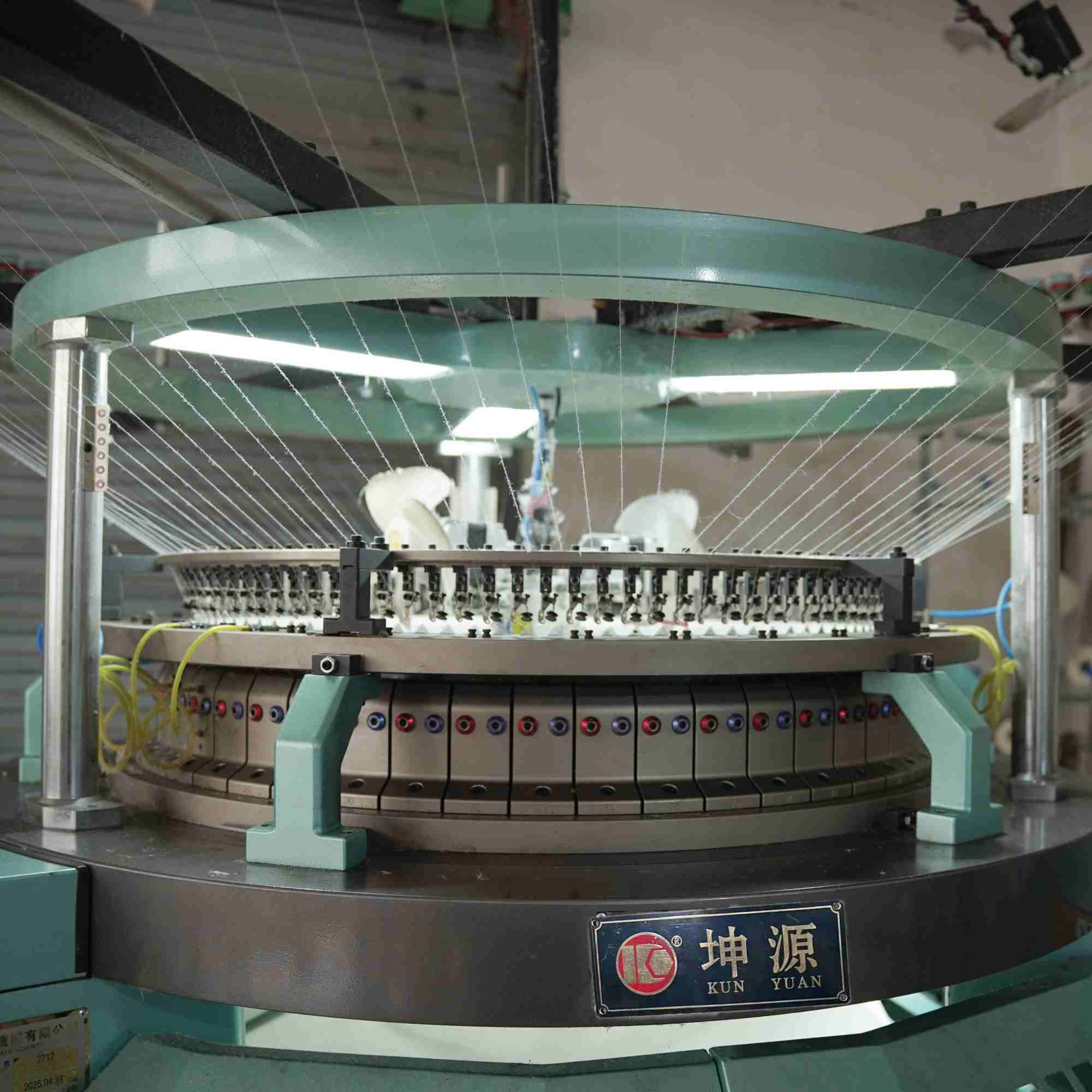
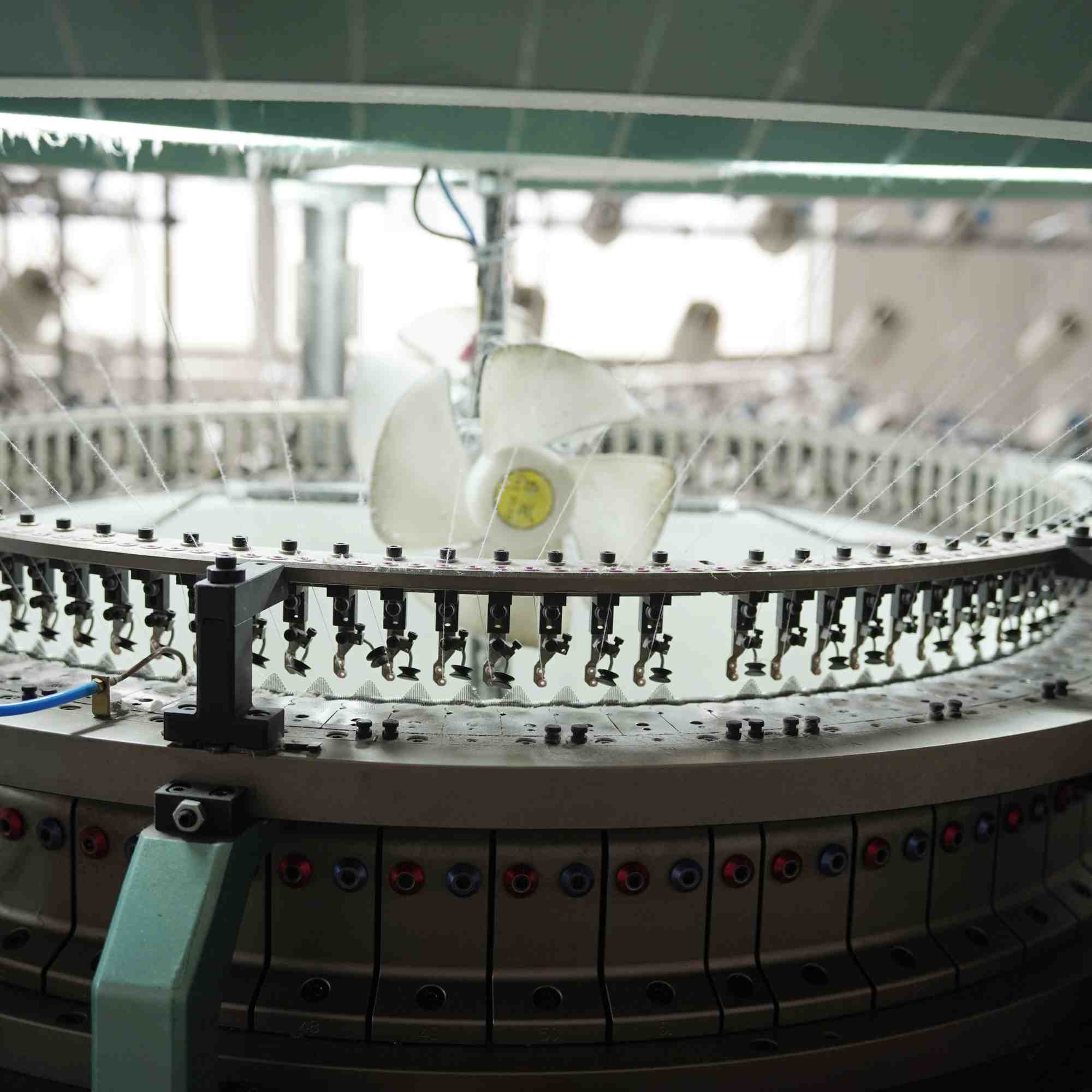
Identify whether the installed unit meters delivery, maintains a yarn store or performs another documented function. For a positive feeder, preserve the feed-wheel and relevant drive observations available under its approved procedure. For a storage device, record accessible evidence of the yarn store, winding separation and inlet/outlet state. Do not treat different feeder designs as interchangeable tests.
A stop indication reports the condition the device detects; it does not establish whether a package obstruction, guide problem or delivery-unit condition created it. Ask qualified service personnel to assess contamination, damaged contact surfaces and sensor or drive concerns using the exact manual. Retain the before-service record and the disposition. Bypassing a sensor, increasing tension indiscriminately or copying another model's settings would remove evidence and may introduce new faults.
After the authorized correction, preserve its scope and run the identified fabric route with unchanged comparison conditions where practicable. Observe the package state or production event associated with the original interruption. Mark any new stop and the subsequent restart separately, so a persistent restart band cannot be hidden by a lower number of feeder indications.
Compare the original and corrected intervals in greige and in the required finished state. If interruptions improve but the band remains, widen the investigation to the machine's stop/restart behaviour and other documented systems through qualified service. Keep that outcome explicit rather than declaring the feeder repair unsuccessful or the fabric acceptable on alarm counts alone. Closure requires evidence for the path diagnosis and a separate quality decision for the affected material.
It identifies the device reporting a condition. The package and complete yarn path still need evidence before assigning a component cause.
Their delivery functions differ. Use the installed model's instructions and record observations that have meaning for that particular device.
Use a qualified diagnosis and the approved recipe. An arbitrary change can conceal the first fault and create a different fabric variation.
Keep the package substitution record, then examine the feeder path and stop/restart evidence. The unchanged band limits what the substitution proved.
Give each identified interval a quality disposition under the order's criteria. The fault map identifies evidence; it does not supply a universal rejection rule.
The strongest feeder diagnosis can explain both the indication and the material interval around it. Package identity narrows the supply question, installed-device function narrows the delivery question, and paired fabric shows whether the correction solved the commercial problem. Keep those results connected without collapsing them into one alarm count.
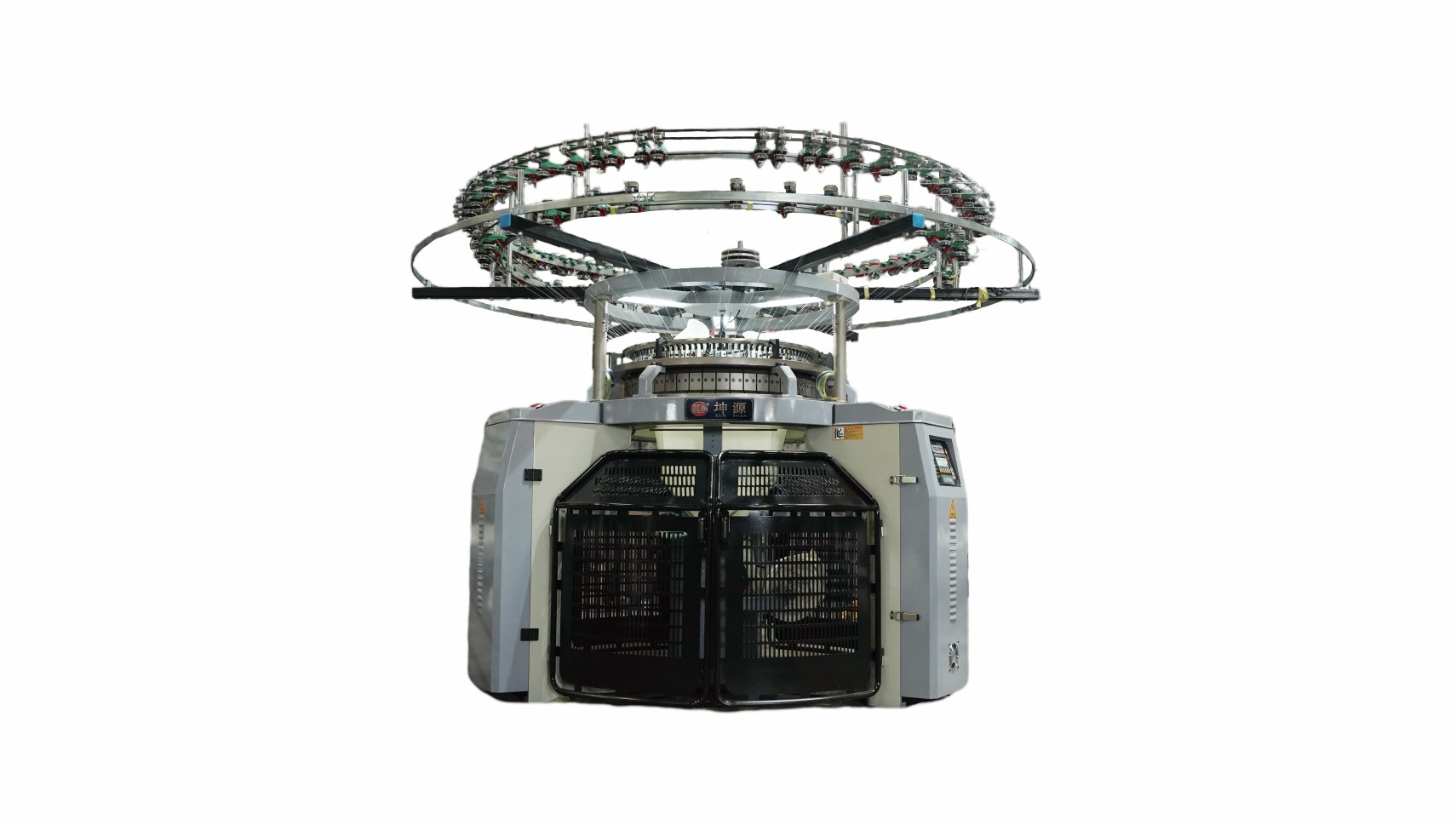
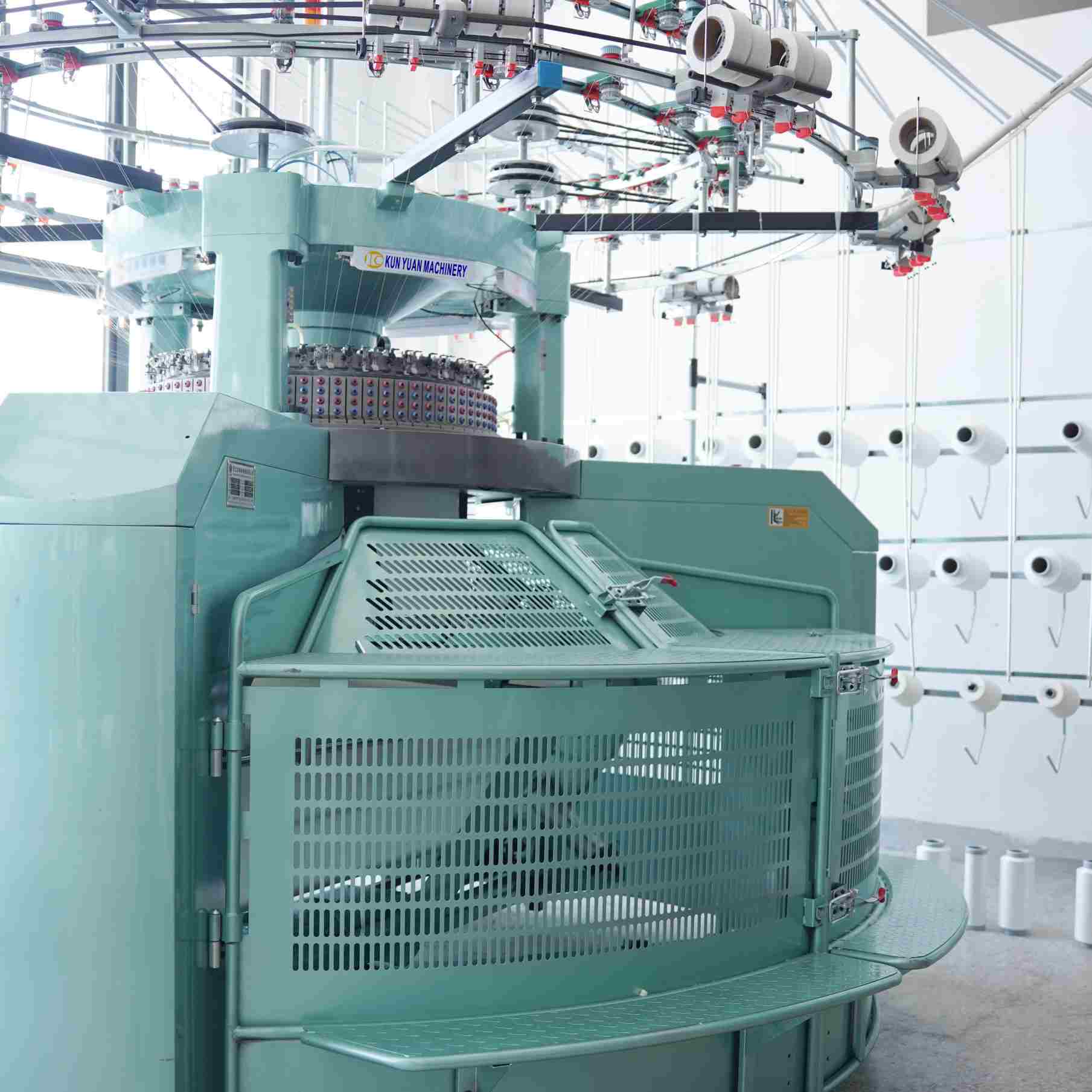
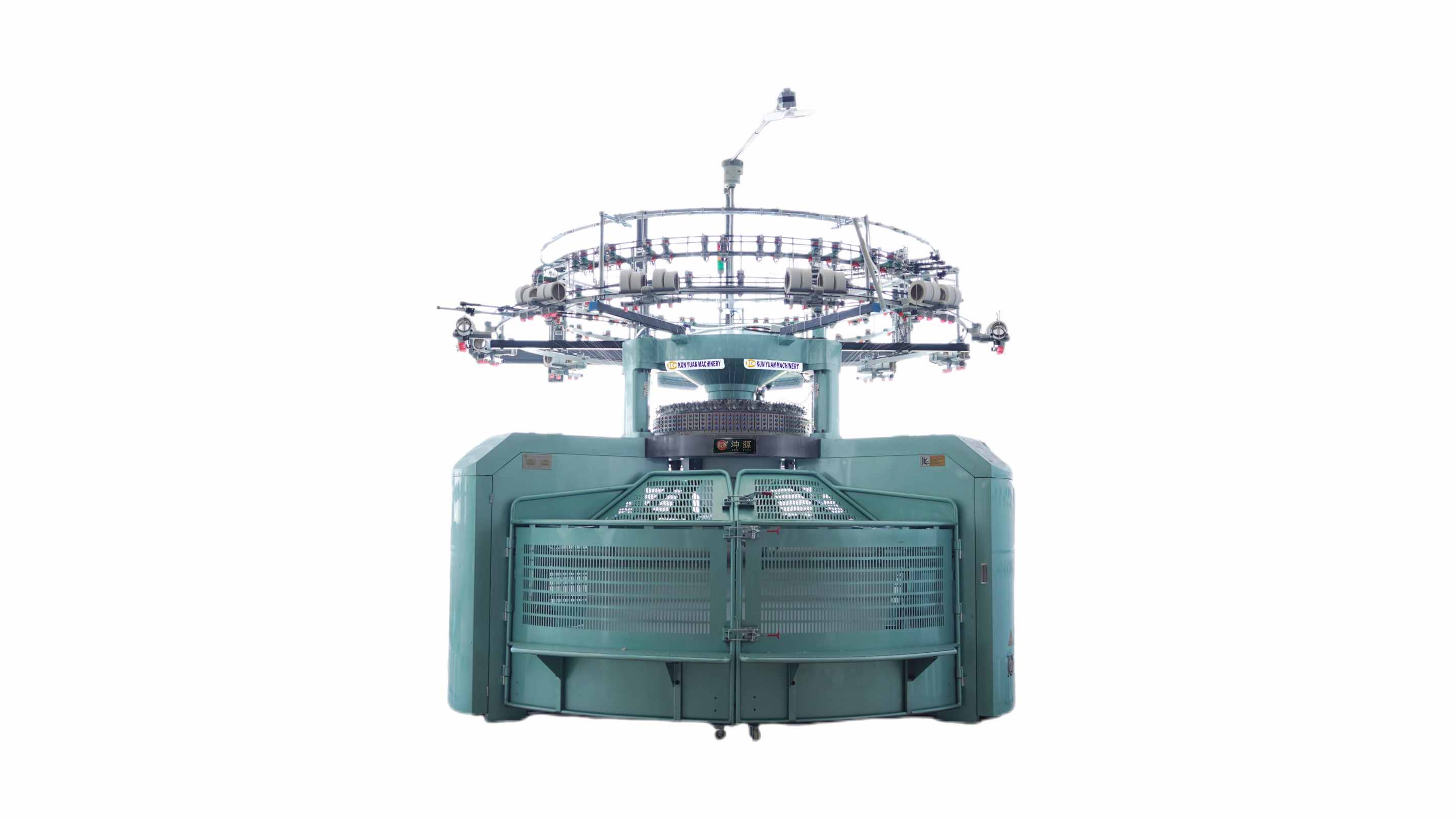
When reviewing the Circular Knitting Machine range, request the installed feeder identities and the OEM service documentation needed to interpret their stop indications.

 Tel: +86-13859034518
 Email: info@kunyuanmachine.com
 MP/WhatsApp: +86-13859034518
 Manufacturer Address:Bacuo Village, Yonghe Town, Jinjiang City, Fujian Province